The Best Suet Feeders: 9 Top Picks for Woodpeckers, Nuthatches & Winter Birds (2026)
Affiliate Disclosure: This article contains affiliate links. We may earn a small commission when you purchase products through these links, at no additional cost to you. This supports our research and content creation. We only recommend suet feeders that consistently deliver on durability, species attraction, and winter performance.
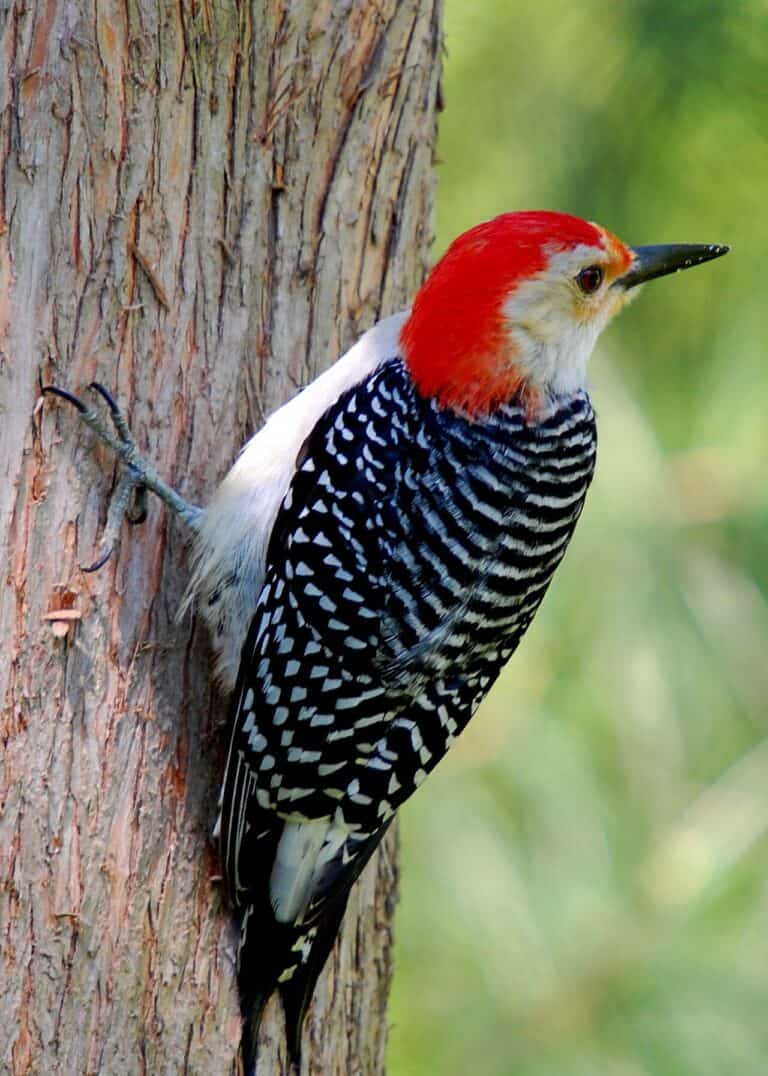
Suet feeders are the secret weapon for attracting species that ignore seed feeders entirely. Downy Woodpeckers, Hairy Woodpeckers, Red-Bellied Woodpeckers, White-Breasted Nuthatches, Brown Creepers, and even Pileated Woodpeckers all rely heavily on suet, particularly in winter when their natural insect food becomes scarce. The right suet feeder transforms a generic backyard into a year-round woodpecker destination. The wrong suet feeder either fails to attract these target species or hands all the calories to starlings, grackles, and squirrels. This guide ranks the 9 best suet feeders across categories, best overall, best squirrel-proof, best for woodpeckers, best starling-resistant, best budget, best premium, best capacity, best natural look, and best recycled. Each pick follows the design principles in our complete bird feeders guide.
Quick Comparison Table
| Suet Feeder | Style | Capacity | Approx. Price | Best For |
|---|---|---|---|---|
| Nature’s Way Cedar Tail-Prop Suet Feeder | Tail-prop cedar | 1 cake | $20-30 | Best Overall |
| Brome Squirrel Buster Suet | Weight-triggered | 2 cakes | $55-75 | Best Squirrel-Proof |
| C&S Tail-Prop Suet Feeder | Tail-prop wire | 1 cake | $15-25 | Best for Woodpeckers |
| Kingsyard Upside-Down Suet Feeder | Upside-down access | 1 cake | $25-35 | Best Starling-Resistant |
| Erva Tool Steel Suet Cage | Wire cage | 1 cake | $15-22 | Best Budget |
| Stokes Select Double Suet Feeder | Wire double | 2 cakes | $20-30 | Best Double Capacity |
| Birds Choice Cedar Suet Log Feeder | Cedar log | 1 cake | $25-40 | Best Natural Look |
| Birds Choice Recycled Plastic Suet | Recycled plastic | 1 cake | $25-35 | Best Eco-Friendly |
| Stokes Select Squirrel-Proof Suet | Caged | 1 cake | $25-40 | Best Caged |
The Suet Feeder Design Principles That Determine Success
Before the picks, understand what makes a suet feeder actually work, these principles separate functional designs from cheap cage feeders.
Tail-Prop Bottom Extension
Woodpeckers naturally feed in vertical positions, using their stiff tail feathers as a brace against tree trunks. A “tail-prop” extension on the bottom of a suet feeder mimics this natural feeding position, a vertical surface where the woodpecker can press its tail for stability. This single design feature dramatically increases woodpecker visit duration and feeding intensity.
Tail-prop feeders look like a standard suet cage with a 4-6″ wooden or wire extension below the cage. Woodpeckers grip the cage with their feet and brace their tail against the extension.
Upside-Down Access for Starling Exclusion
European Starlings and Common Grackles are aggressive non-native species that monopolize suet feeders, often emptying them within hours. Upside-down suet feeders require birds to feed while hanging inverted, a position that excludes starlings and grackles (they can’t feed inverted) while woodpeckers, chickadees, and nuthatches handle it easily.
The trade-off: some larger desirable birds (Northern Cardinals, Blue Jays) also struggle with inverted feeding. Use upside-down feeders specifically when starling pressure is the problem.
Cage vs. Open Wire
Two main mounting approaches for suet cakes:
- Wire cage: Holds the suet in a basket-like cage, allowing access from all sides. Universally used by all suet-eating species. Easy to load.
- Open wire/grid: Suet sits exposed on a wire grid. Slightly easier for larger birds to access but more vulnerable to weather and squirrel removal.
Wire cage is the universal standard. Use grid only for specialty applications.
Material Choice
The suet feeder itself (frame around the cage) comes in several materials:
- Cedar: Naturally rot-resistant, traditional aesthetic, blends with yard, lasts 5-10+ years
- Recycled plastic: Won’t rot, eco-friendly, lasts 15-20+ years, less aesthetic
- Wire-only: Cheapest, no decorative element, lasts 3-5 years before rust
- Powder-coated steel: Moderate price, durable, modern look
Cedar is the traditional and recommended choice for most yards.
Roof or No Roof
A roof over the suet keeps rain off, preventing the suet from melting and dripping. In rainy climates, a roofed suet feeder lasts significantly longer between maintenance. In dry climates, roof is optional. Without a roof, suet may need replacement after heavy rain.
Squirrel Protection
Squirrels love suet as much as woodpeckers do. Three approaches:
- Weight-triggered closure (Brome Squirrel Buster Suet): Mechanism closes when squirrels land
- Caged design: Cage around the suet excludes squirrels but allows small birds
- Upside-down design: Squirrels generally can’t access inverted suet
- Pole + baffle setup: Standalone squirrel defense for any suet feeder
See our best squirrel-proof bird feeders guide for complete squirrel defense strategy.
#1: Best Overall, Nature’s Way Cedar Tail-Prop Suet Feeder
Why we recommend it: The Nature’s Way Cedar Tail-Prop Suet Feeder combines the most important design feature (tail-prop extension) with quality cedar construction and a roof for weather protection. At $20-30, it delivers serious woodpecker-attraction capability at a reasonable price point. The tail-prop is the single biggest feature differentiator for woodpecker visits.
Key specs:
- Style: Wire cage with cedar frame and tail-prop extension
- Capacity: 1 standard suet cake (11 oz)
- Material: Cedar with wire mesh
- Tail-prop: 4.5″ cedar extension below cage
- Roof: Cedar roof protects from rain
- Hanging hardware included
- Made by Nature’s Way Bird Products (USA)
Pros:
- Tail-prop dramatically increases woodpecker visit duration
- Cedar construction is naturally rot-resistant
- Roof protects suet from rain
- Solid hanging hardware
- Reasonable price for the capability
- Made in USA
- Attracts Downy, Hairy, Red-Bellied Woodpeckers reliably
Cons:
- Wire cage less squirrel-resistant than premium options
- Smaller capacity (1 cake) requires more frequent refills in winter
- Cedar may show wear after 5-7 years
- Not the most aesthetic option
Best for: Most birders adding their first suet feeder. Yards where woodpeckers are the primary target species. The default starter recommendation for serious bird feeding. Pair with quality suet (see our best bird seed guide).
[Check Price on Amazon →]
#2: Best Squirrel-Proof, Brome Squirrel Buster Suet Feeder
Why we recommend it: The Brome Squirrel Buster line is the gold standard for squirrel-proof bird feeders, and the suet version applies the same proven weight-triggered mechanism to suet feeding. When a squirrel lands on the feeder, weight closes the seed access ports, making it functionally inaccessible. Lifetime warranty against squirrel damage.
Key specs:
- Style: Weight-triggered cage closure
- Capacity: 2 standard suet cakes
- Material: Heavy-duty polycarbonate
- Mechanism: Weight-activated closure
- Made in Canada
- Lifetime warranty against squirrel damage
Pros:
- Genuinely squirrel-proof (weight mechanism reliably defeats squirrels)
- Larger capacity (2 cakes) than typical suet feeders
- Lifetime warranty against squirrel damage
- Dishwasher-safe parts
- Adjustable sensitivity for different bird sizes
- Excludes larger nuisance birds (grackles, starlings)
- Works with standard 11 oz suet cakes
Cons:
- Higher price ($55-75) than basic suet feeders
- No tail-prop extension (less ideal for woodpeckers)
- Heavier and bulkier than basic designs
- Mechanism requires occasional cleaning/lubrication
Best for: Yards with persistent squirrel pressure. Birders ready to invest in lifetime squirrel defense. Anyone whose previous suet feeders have been emptied or destroyed by squirrels.
[Check Price on Amazon →]
#3: Best for Woodpeckers, C&S Tail-Prop Suet Feeder
Why we recommend it: Specifically engineered for woodpecker preferences, the C&S Tail-Prop Suet Feeder uses a simple, no-frills wire design with an extended bottom rod that gives woodpeckers maximum bracing surface. Woodpecker enthusiasts often have multiple of these in their yards for high-volume feeding.
Key specs:
- Style: Wire cage with extended tail-prop rod
- Capacity: 1 standard suet cake
- Material: Powder-coated wire
- Tail-prop: 6″ wire extension below cage
- Hanging hardware: Sturdy chain
- Made by C&S Wild Bird Products (USA)
Pros:
- Longest tail-prop extension in this guide (6″)
- Specifically engineered for woodpecker physiology
- Affordable price point
- Sturdy powder-coated wire resists rust
- Simple, functional design
- Multiple feeders can be hung in close proximity
- Attracts even larger woodpeckers (Pileated, Northern Flicker)
Cons:
- No roof (suet exposed to weather)
- Less aesthetic than cedar-framed alternatives
- Smaller capacity (1 cake)
- Wire-only construction less premium feel
- Not squirrel-resistant
Best for: Yards where woodpeckers are the absolute priority. Bird photographers wanting extended woodpecker visits. Anyone running a serious woodpecker feeding station.
[Check Price on Amazon →]
#4: Best Starling-Resistant, Kingsyard Upside-Down Suet Feeder
Why we recommend it: European Starlings are aggressive invasive birds that can monopolize suet feeders, denying access to native woodpeckers and songbirds. The Kingsyard Upside-Down Suet Feeder requires birds to feed inverted, a position starlings physically cannot manage while woodpeckers, chickadees, and nuthatches handle easily.
Key specs:
- Style: Upside-down access cage
- Capacity: 1 standard suet cake
- Material: Powder-coated steel cage
- Suet position: Inverted access only
- Hanging hardware: Sturdy chain
- Made by Kingsyard (established bird products brand)
Pros:
- Effectively excludes starlings and grackles
- Allows woodpeckers, chickadees, nuthatches normal access
- Powder-coated steel resists rust
- Compact design fits multiple-feeder setups
- Affordable for the starling-defense capability
- Works with standard suet cakes
Cons:
- Cardinals and jays may struggle with inverted feeding
- Smaller bird species need adjustment period
- Some woodpecker species initially hesitant
- Less aesthetic than cedar alternatives
- No tail-prop extension
Best for: Yards plagued by starling or grackle problems. Areas where invasive bird pressure prevents native species from accessing suet. Specific starling-defense need.
[Check Price on Amazon →]
#5: Best Budget, Erva Tool Steel Suet Cage
Why we recommend it: For absolute beginners or anyone needing multiple suet feeders cheaply, the Erva Tool Steel Suet Cage provides basic functional suet feeding at the lowest reasonable price. It’s a no-frills wire cage but uses quality powder-coated steel that resists rust.
Key specs:
- Style: Wire cage
- Capacity: 1 standard suet cake
- Material: Powder-coated steel wire
- Hanging hardware: Simple hook
- Made by Erva Tool (Pennsylvania, USA)
Pros:
- Lowest price in this guide ($15-22)
- Powder-coated steel resists rust
- Simple, reliable design
- Multiple can be deployed at low total cost
- American-made
- Easy to clean
Cons:
- No tail-prop
- No roof
- Smaller capacity (1 cake)
- Less squirrel-resistant
- Less aesthetic than premium options
- Basic hanging hardware
Best for: First-time suet feeder users testing whether woodpeckers will visit. Bulk purchases for multiple yards or community projects. Backup feeders in addition to a primary high-quality option.
[Check Price on Amazon →]
#6: Best Double Capacity, Stokes Select Double Suet Feeder
Why we recommend it: For high-traffic yards or birders who hate frequent refilling, the Stokes Select Double Suet Feeder holds two suet cakes simultaneously. This doubles the feeding capacity and lets you offer two suet varieties (e.g., peanut suet + berry suet) at the same time.
Key specs:
- Style: Wire cage with double-cake capacity
- Capacity: 2 standard suet cakes
- Material: Powder-coated steel wire
- Hanging hardware: Sturdy chain
- Made by Stokes Select (established brand)
Pros:
- Double capacity (2 cakes) reduces refill frequency
- Allows offering two suet varieties simultaneously
- Sturdy powder-coated wire construction
- Stokes Select brand reliability
- Wide perching area accommodates multiple birds
- Reasonable price for the double capacity
Cons:
- Larger and bulkier than single-cake feeders
- No tail-prop or roof
- Less aesthetic than cedar alternatives
- Not squirrel-resistant
- May attract more starling activity (more food available)
Best for: High-traffic woodpecker yards. Birders who travel and want longer between refills. Anyone wanting to offer multiple suet types for species variety.
[Check Price on Amazon →]
#7: Best Natural Look, Birds Choice Cedar Suet Log Feeder
Why we recommend it: For yards where aesthetics matter as much as function, the Birds Choice Cedar Suet Log Feeder looks like a natural tree branch with drilled cavities for suet plugs. The natural log appearance integrates beautifully with garden aesthetics while providing solid suet feeding capability.
Key specs:
- Style: Drilled cedar log
- Capacity: 1 suet log or 3-4 suet plugs
- Material: Solid cedar
- Diameter: 3″ log
- Suet plugs: 1.5″ diameter holes
- Made by Birds Choice (USA)
Pros:
- Beautiful natural aesthetic
- Cedar construction is rot-resistant
- Looks like part of the natural environment
- Birds feed in natural-looking positions
- Solid construction lasts 10+ years
- Excellent for woodpeckers (vertical orientation natural to them)
Cons:
- Requires suet plugs (not standard cakes)
- Suet plugs are more expensive than cakes
- Smaller capacity than cage feeders
- Higher price than functional alternatives
- Cleaning more difficult than cage designs
Best for: Aesthetic-focused yards. Garden installations where the feeder needs to blend with natural elements. Anyone preferring natural-looking solutions over utilitarian designs.
[Check Price on Amazon →]
#8: Best Eco-Friendly, Birds Choice Recycled Plastic Suet Feeder
Why we recommend it: Made from 100% recycled plastic, the Birds Choice Recycled Plastic Suet Feeder appeals to environmentally-conscious birders. The recycled plastic won’t rot, lasts 15-20+ years, and uses post-consumer plastic that would otherwise enter landfills.
Key specs:
- Style: Wire cage with recycled plastic frame
- Capacity: 1 standard suet cake
- Material: 100% recycled plastic frame + wire cage
- Lifespan: 15-20+ years
- Made by Birds Choice (USA)
Pros:
- Sustainable material (post-consumer recycled plastic)
- Won’t rot, crack, or fade significantly
- Extremely long lifespan
- Reasonable price for sustainability premium
- Easy to clean
- Available in multiple colors
Cons:
- Less aesthetic than cedar
- Plastic look isn’t always premium
- No tail-prop or roof
- Recycled plastic feel is functional, not decorative
Best for: Environmentally-conscious birders. Anyone wanting lifetime durability without natural materials. Sustainable yard setups.
[Check Price on Amazon →]
#9: Best Caged Squirrel-Proof, Stokes Select Squirrel-Proof Suet Feeder
Why we recommend it: A more affordable alternative to the Brome Squirrel Buster Suet, the Stokes Select uses a cage-around-cage design that physically excludes squirrels while allowing small birds access. Different mechanism than the weight-triggered Brome, but effective at moderate price.
Key specs:
- Style: Outer wire cage around inner suet cage
- Capacity: 1 standard suet cake
- Material: Powder-coated steel
- Squirrel exclusion: Physical cage barrier
- Made by Stokes Select
Pros:
- Effective squirrel exclusion at moderate price
- Also excludes larger nuisance birds (grackles, starlings)
- Powder-coated steel resists rust
- Reasonable price ($25-40) for squirrel defense
- Simple maintenance
Cons:
- Cage spacing may discourage shy birds initially
- Less reliable than Brome’s weight mechanism long-term
- Larger and bulkier than basic feeders
- May be intimidating to first-time visitors
- No tail-prop
Best for: Yards with squirrel pressure where the Brome is over-budget. Anyone wanting both squirrel defense and starling exclusion. Mid-budget squirrel-proof option.
[Check Price on Amazon →]
How to Choose the Right Suet Feeder
The decision framework for picking the right suet feeder for your situation:
Step 1: Identify Your Target Species
- Primary woodpeckers (any species): Tail-prop feeders are best (#1 Nature’s Way, #3 C&S)
- Pileated Woodpeckers specifically: Longer tail-prop extension critical (#3 C&S with 6″ extension)
- Maximum species variety: Standard cage with multiple feeders (#6 Stokes Double)
- Excluding starlings/grackles: Upside-down design (#4 Kingsyard)
Step 2: Assess Your Wildlife Pressure
- Heavy squirrel pressure: Brome Squirrel Buster Suet (#2) or caged Stokes (#9)
- Heavy starling pressure: Upside-down Kingsyard (#4)
- Both squirrels and starlings: Brome Squirrel Buster Suet (#2) plus upside-down secondary
- Light pressure: Any feeder works
Step 3: Match to Climate
- Heavy rain regions: Choose roofed feeders (#1 Nature’s Way) or recycled plastic (#8)
- Hot/humid climates: Recycled plastic (#8) resists weather damage
- Cold/snowy climates: Cedar (#1) or recycled plastic (#8) both work
- Dry climates: Any material works fine
Step 4: Determine Capacity Needs
- Low traffic (1-2 woodpeckers): 1-cake capacity sufficient
- Moderate traffic (3-5 woodpeckers): 1-cake refilled twice weekly
- High traffic (5+ woodpeckers): 2-cake capacity recommended (#6 Stokes Double) or two single-cake feeders
Step 5: Plan for Aesthetics
- Functional yard: Any feeder works
- Garden aesthetic: Cedar (#1) or natural log (#7)
- Modern aesthetic: Recycled plastic (#8) or premium Brome (#2)
- Multiple feeders: Mix and match for visual variety
Step 6: Plan for Maintenance Frequency
Suet feeders require less maintenance than nectar feeders but more than seed feeders:
- Daily: Check suet level (especially in winter peak demand)
- Weekly: Inspect for melted suet residue, clean if necessary
- Bi-weekly: Wash cage with brush and warm water
- Monthly: Deep clean with diluted bleach (1:9)
- Seasonally: Inspect for damage, replace worn hardware
In hot summer weather (above 80°F), some birders take suet feeders down because suet melts and goes rancid. “No-melt” suet products work at higher temperatures.
What You’ll Also Need
A suet feeder alone isn’t a complete setup. Plan for:
Quality Suet Cakes
The single most important purchase. Top brands:
- Wildlife Sciences Premium Suet (recommended in our best bird seed guide)
- C&S Suet Premium Cakes
- St Albans Bay Suet
- Hot Pepper Suet (squirrel deterrent variety)
Avoid:
- Cheap “wild bird suet” with filler grains
- DIY suet without proper food-grade ingredients
- Old/rancid suet (smell test before placement)
Suet Storage
Suet cakes keep 6+ months sealed in their original packaging at room temperature. Once opened or in hot weather, refrigerate or use within 1-2 weeks. Frozen suet keeps indefinitely and won’t melt as quickly in summer feeders.
Hanging Hardware
Most suet feeders include basic hardware. Upgrade if needed:
- Quality shepherd’s hook ($20-40)
- Chain extensions for height adjustment
- Sturdy hooks rated for the feeder weight + suet weight
Squirrel Defense
Even squirrel-resistant suet feeders benefit from pole-mounted setup with baffle:
- Pole-mount installation (see our best bird feeder poles guide)
- Squirrel baffle (see our best squirrel baffles guide)
- 10+ feet from climbable surfaces
Companion Feeders
Suet works best alongside seed feeders. Plan for:
- Bird feeders, main seed feeder
- Bird seed, primary food source
- Bird baths, water source
The complete yard setup attracts the maximum bird variety.
Suet Feeder Mistakes to Avoid
Several common mistakes reduce suet feeder success:
Cheap Wire Cages That Rust
Uncoated wire cages rust within months in damp climates. Stick to powder-coated steel or stainless wire for any cage feeder. Rusted feeders look terrible and may stain wood structures below them.
Suet Out in Summer Heat
Standard suet melts at temperatures above 80°F, turning into a sticky mess that can damage bird feathers (most importantly, the wax/oil layer that keeps water repellent). In hot weather, either use “no-melt” suet products or take suet feeders down entirely until temperatures drop.
Placing Suet Feeders in Direct Sun
Even “no-melt” suet performs better in shaded locations. Direct afternoon sun shortens suet lifespan and accelerates rancidity.
Suet Without Tail-Prop for Woodpeckers
If woodpeckers are your priority, skipping the tail-prop feature significantly reduces feeding duration. Tail-prop feeders see 3-5× longer woodpecker visits than standard cage feeders.
Ignoring Starling Invasion
Once starlings discover your suet, they often monopolize it within days. Address starling problems immediately with upside-down feeders or hot pepper suet, or you’ll lose woodpecker visits.
Skipping Cleaning
Old suet residue in cage feeders attracts pests and harbors bacteria. Clean cage feeders monthly minimum, more often in warm weather.
Maintenance Considerations
Suet feeders require regular attention:
- Weekly inspection for melted suet residue or weather damage
- Bi-weekly cleaning with brush and warm water
- Monthly deep cleaning with diluted bleach (1:9) and thorough rinsing
- Seasonal pump/mechanism check for Brome and other complex designs
- Annual hardware inspection for rust, wear, or damage
Quality suet feeders last 5-10+ years with proper care. Premium options (Brome, Birds Choice Recycled) often last 15-20+ years.
Frequently Asked Questions
What’s the best suet feeder for woodpeckers?
A tail-prop design is essential for serious woodpecker attraction. The Nature’s Way Cedar Tail-Prop Suet Feeder (#1) is our top overall recommendation, combining tail-prop functionality with cedar construction and a weather-protecting roof. For the longest tail-prop extension (6″), the C&S Tail-Prop Suet Feeder (#3) is specifically engineered for woodpecker physiology.
Do I need a special suet feeder, or can I just use any bird feeder?
Suet requires a feeder specifically designed for it. Standard tube or hopper feeders don’t accommodate the cake-style suet block. A wire cage suet feeder (any from this guide) is required. The minimum feature beyond a basic cage is a tail-prop for woodpecker attraction.
What’s the best squirrel-proof suet feeder?
The Brome Squirrel Buster Suet Feeder (#2) is our top recommendation for squirrel defense. Its weight-triggered mechanism reliably defeats squirrels while allowing woodpeckers and small birds normal access. At $55-75, it’s higher-priced but includes Brome’s lifetime warranty against squirrel damage.
Can I put suet feeders out in summer?
Standard suet melts at temperatures above 80°F, creating sticky residue that can damage bird feathers. In hot weather, either use “no-melt” suet products specifically designed for warm temperatures, or take suet feeders down during summer months. Most birders maintain year-round suet feeding using no-melt varieties.
What attracts woodpeckers to a suet feeder?
Tail-prop extension is the single biggest feature. Beyond that: placement near trees (woodpeckers approach feeders from tree cover), suet quality (high-fat, peanut-enriched suets), and persistence (woodpeckers may take 2-4 weeks to discover new feeders). Multiple suet feeders increase woodpecker visit frequency.
How do I keep starlings off my suet feeder?
Three approaches: (1) Upside-down feeders (Kingsyard #4 in this guide) physically exclude starlings; (2) Hot pepper suet contains capsaicin that birds don’t taste but starlings dislike; (3) Caged feeders exclude both starlings and squirrels. Combine these for maximum starling defense.
How often should I clean my suet feeder?
Bi-weekly cleaning with brush and warm water removes accumulated suet residue. Monthly deep cleaning with diluted bleach (1:9) prevents bacterial growth. In hot weather or during heavy use, increase cleaning frequency. Cleaning is more critical for suet than seed feeders because suet leaves greasy residue that harbors bacteria.
What’s the difference between regular suet and “no-melt” suet?
Regular suet is rendered beef fat that melts at 80-90°F. No-melt suet is specially formulated with additional ingredients that maintain solid form up to 130°F. No-melt suet allows year-round feeding even in hot southern climates. Both attract similar bird species; no-melt has slightly less calorie density.
Can I make my own suet?
Yes, homemade suet using beef fat, peanut butter, cornmeal, and birdseed is a traditional approach. However: (1) Quality control is challenging without commercial production, (2) Storage life is much shorter, (3) Cost is often higher than commercial cakes when factoring in ingredients. For most birders, commercial suet cakes are more practical.
Will birds use a suet feeder year-round?
Yes, with seasonal variation. Suet attracts the most attention in fall through spring (when birds need maximum calorie density). Summer interest drops as natural insect food becomes abundant. Winter is the peak demand period, keep feeders well-stocked during cold weather.
Where should I place a suet feeder?
Near trees but not directly in them (woodpeckers approach from tree cover). 5-6 feet off the ground on a pole or hanging from a strong branch. Visible from your viewing area for monitoring. Away from windows to prevent collisions. See our best bird feeder poles guide for mounting strategy.
Do bluebirds eat suet?
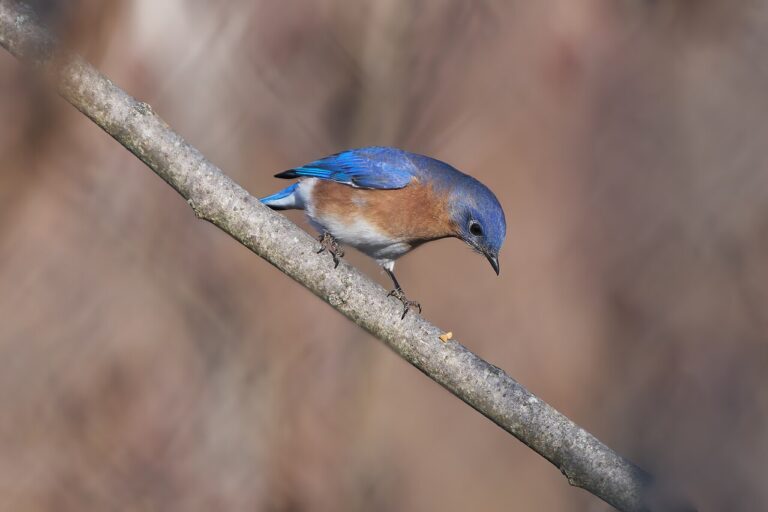
Generally no, bluebirds are primarily insectivores and don’t typically use suet feeders. They prefer mealworms (see our best bird seed guide for mealworm recommendations). However, some bluebirds will occasionally try suet, especially in winter when other food is scarce.
Where can I find more suet feeder information?
Our complete guides cover related topics:
- Best Bird Feeders, General feeder strategy
- Best Bird Seed, Suet brand recommendations
- Best Squirrel-Proof Bird Feeders, Squirrel defense
- Best Bird Feeder Poles, Mounting setup
- Attract Birds to Your Yard, Complete attraction strategy
Related reading: Suet for Birds.
What is the best suet feeder for woodpeckers?
Woodpeckers feed most comfortably on a tail-prop suet feeder, which has an extended panel below the cage so the bird can brace its stiff tail against it the way it would on a tree trunk. Pair it with plain or insect-blend suet, and if starlings are a problem, an upside-down suet feeder lets clinging woodpeckers and nuthatches feed while excluding most starlings, which dislike feeding head-down.