The Best Bird Baths: 9 Top Picks for Every Yard, Budget & Bird (2026)
Affiliate Disclosure: This article contains affiliate links. We may earn a small commission when you purchase products through these links, at no additional cost to you. This supports our research and content creation. We only recommend bird baths that meet established design principles for water depth, surface texture, and durability.
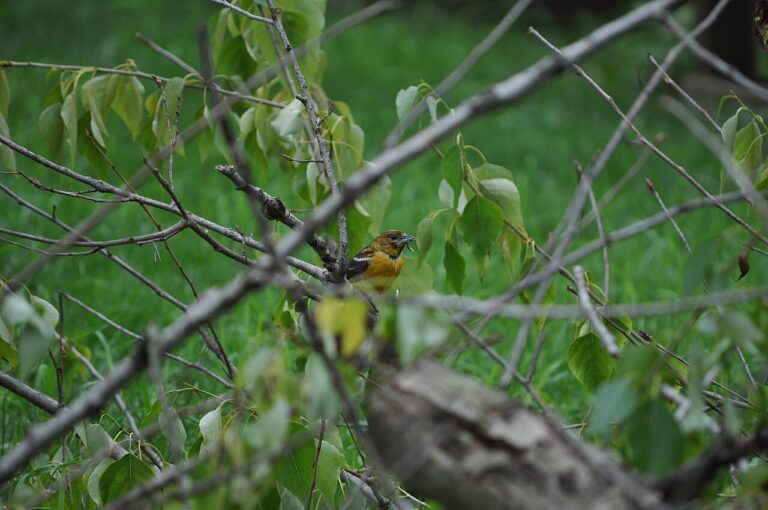
A bird bath is the single most underrated bird-attracting addition you can make to your yard. Water draws species that ignore feeders entirely, orioles, warblers, robins, thrushes, vireos, even hawks. A well-designed bird bath transforms yard bird activity overnight; a poorly-designed one stands unused for months while you wonder what went wrong. The difference comes down to four factors most listicles ignore: water depth (no more than 1-2 inches), surface texture (rough enough for grip), water movement (still water deters birds and attracts mosquitoes), and visibility from above (predator safety). This guide ranks the 9 best bird baths across categories, best overall solar fountain, best pedestal, best budget, best hanging, best premium, best decorative, best mosquito prevention, best eco-friendly, and best year-round. Each pick follows the principles in our complete bird baths guide.
Quick Comparison Table
| Bird Bath | Style | Water Depth | Approx. Price | Best For |
|---|---|---|---|---|
| Smart Solar Fountain Bird Bath | Pedestal + Solar | 1.5″ | $80-130 | Best Overall |
| Birds Choice Cedar Bath in Stand | Pedestal | 2″ | $45-65 | Best Pedestal |
| VIVOHOME Solar Bird Bath Fountain | Floating Fountain | Variable | $35-50 | Best Budget Solar |
| Esschert Design Hanging Bird Bath | Hanging | 1.5″ | $25-40 | Best Hanging |
| Achla Designs Granite Pedestal | Pedestal (Premium) | 2″ | $150-250 | Best Premium |
| GardenGreet Decorative Pedestal | Pedestal (Resin) | 2″ | $60-100 | Best Decorative |
| Songbird Spa Water Wiggler | Agitator Insert | Adds to any | $30-50 | Best Mosquito Prevention |
| Audubon Going Green Bird Bath | Ground/Pedestal | 1.5″ | $35-55 | Best Eco-Friendly |
| Solar Sipper Heated Bird Bath | Pedestal + Heater | 1.5″ | $90-130 | Best Year-Round |
The Four Design Principles That Determine Bird Bath Success
Before the product picks, understand what makes a bird bath actually work, these principles separate functional bird baths from yard decorations.
Water Depth: 1-2 Inches Maximum
The single most important specification. Most birds can only safely bathe in 1-2 inches of water. Deeper water poses drowning risk; shallower water doesn’t allow proper bathing motion. Many decorative bird baths are 3-6 inches deep, these are functionally useless for most species.
If a bird bath is too deep, place flat rocks or pebbles in the basin to raise the effective bottom to 1-2 inches.
Surface Texture: Rough, Not Smooth
Birds need to grip the basin surface to feel secure. Smooth ceramic or glass surfaces feel unstable and many species refuse to use them. Quality bird baths have:
- Stone, concrete, or textured resin surfaces
- Subtle ridges or sloped bottoms
- Roughened paint or texture coatings
- Gradual slope from edge to center
Polished granite, glazed ceramic, and slick plastic are aesthetic but functionally compromised.
Water Movement: Critical for Attraction
Still water sits unused while moving water attracts birds from far away. The sound of moving water is the strongest bird-attractant signal, far stronger than the appearance of water alone. Add water movement through:
- Solar fountain pumps (most common, no electricity needed)
- Water drippers (slow drip from elevated source)
- Misters (fine spray, especially attractive to hummingbirds)
- Water wigglers (battery-powered agitators)
Still water also breeds mosquitoes within 4-7 days during warm weather. Moving water prevents this entirely.
Placement and Predator Visibility
A bird bath in the wrong location is functionally useless. The right placement:
- 6-10 feet from dense cover (close enough for escape, far enough to see predators approach)
- 5+ feet off the ground (or on a sturdy pedestal that cats can’t climb)
- Open sight lines above (no overhead branches where hawks can perch)
- Partial sun (warming the water but not full-day sun in summer)
Even the best bird bath fails in a bad location. See our complete bird baths guide for detailed placement strategy.
#1: Best Overall, Smart Solar Fountain Bird Bath
Why we recommend it: The Smart Solar Fountain Bird Bath combines the proven pedestal design with a built-in solar-powered fountain, delivering both the gravitational draw of a traditional bird bath and the powerful auditory attraction of moving water. No electrical setup, no batteries to replace, no daily maintenance beyond water refills.
Key specs:
- Style: Pedestal with integrated solar fountain
- Basin material: Textured resin
- Water depth: 1.5 inches
- Fountain: Solar-powered with multiple spray patterns
- Height: 28-32 inches
- Capacity: ~2 gallons
Pros:
- Combines pedestal design with moving water (best of both)
- Solar-powered, no electrical work needed
- Multiple spray patterns (customize for hummingbird vs. songbird attraction)
- Textured resin surface gives birds proper grip
- Self-contained system
- Reasonable price for the capability
- Mosquito-prevention built-in (moving water)
Cons:
- Solar pump requires direct sun (cloudy days = no fountain)
- Pump may need replacement every 2-3 years
- Higher price than basic pedestal baths
- Resin not as durable as concrete or granite
Best for: Most birders adding their first bird bath. The default recommendation for moderate-sized yards with reasonable sun exposure. Combine with our complete bird feeders guide for a complete setup.
[Check Price on Amazon →]
#2: Best Pedestal, Birds Choice Cedar Bath in Stand
Why we recommend it: A traditional cedar pedestal bird bath represents the classic backyard bird bath. The Birds Choice version uses naturally rot-resistant cedar for the stand and a separate textured basin that can be easily cleaned or replaced. Pedestal designs put the water at proper viewing height while keeping it safe from ground predators.
Key specs:
- Style: Cedar pedestal with removable basin
- Basin material: Textured plastic/resin
- Water depth: 2 inches
- Height: 32 inches
- Capacity: ~1.5 gallons
- Made by Birds Choice (USA)
Pros:
- Classic pedestal aesthetic
- Cedar stand is naturally rot-resistant
- Removable basin makes cleaning easy
- Affordable for cedar construction
- Proper water depth for safe bathing
- Solid base prevents tipping
- Made in USA
Cons:
- No water movement (still water, mosquito risk if not changed regularly)
- Plastic basin less durable than concrete or stone
- May need re-staining every few years
- Heavier when full
Best for: Traditional yard aesthetics. First-time bird bath users wanting cedar quality. Pairing with a separate water wiggler (see #7) for movement.
[Check Price on Amazon →]
#3: Best Budget Solar Fountain, VIVOHOME Solar Bird Bath Fountain
Why we recommend it: For birders who want solar fountain functionality at a fraction of the premium price, the VIVOHOME floating solar fountain works in any existing bird bath, pond, or even a simple shallow bowl. Just place it in the water and the solar panel powers a small spray fountain.
Key specs:
- Style: Free-floating solar fountain (no bath included)
- Material: Solar panel + plastic pump assembly
- Spray patterns: Multiple included
- Operating: Daytime only (no battery storage in basic version)
- Solar panel: 2.5W
- Size: Fits in any bath wider than 7 inches
Pros:
- Lowest price for solar fountain functionality
- Compatible with any existing bird bath or container
- No installation, just place in water
- Multiple spray patterns
- Energy-free operation
- Easy to clean and store seasonally
Cons:
- Requires direct sun to operate
- No battery storage (some versions add this)
- Pump can clog with debris
- Smaller spray range than integrated fountains
- May need replacement every 2-3 years
Best for: Adding water movement to an existing bath. Budget-conscious birders. Birders with multiple birdbaths who want to add fountains to each.
[Check Price on Amazon →]
#4: Best Hanging, Esschert Design Hanging Bird Bath
Why we recommend it: Hanging bird baths solve placement problems that ground-level baths can’t, completely cat-proof, can be positioned in front of any window for close-up viewing, and use otherwise wasted vertical space. The Esschert Design hanging bath is the most reliable in this category.
Key specs:
- Style: Hanging with chains
- Basin material: Cast iron or ceramic
- Water depth: 1.5 inches
- Capacity: 0.5-1 gallon
- Hardware: Chain and hanging hook included
- Made by Esschert Design (Netherlands)
Pros:
- Completely safe from cats and ground predators
- Can be positioned anywhere with overhead clearance
- Excellent for window viewing
- Smaller capacity = fresher water (changed more often)
- No assembly required
- Traditional aesthetic
Cons: For a closely related question, see our guide to gray bird.
- Smaller capacity than pedestal options
- Sways in wind (may unsettle birds initially)
- Requires sturdy hanging point
- Cast iron can rust over years
- Limited to lighter-weight installations
Best for: Cat-prone yards. Apartments with covered patios. Window-side bird viewing. Compact yard setups.
[Check Price on Amazon →]
#5: Best Premium, Achla Designs Granite Pedestal Bird Bath
Why we recommend it: For a bird bath that’s both functional and a permanent landscape feature, the Achla Designs Granite Pedestal Bird Bath is a true outdoor sculpture that will outlast you. Natural granite weathers beautifully, never needs replacement, and provides perfect texture and proper depth.
Key specs:
- Style: Solid granite pedestal
- Basin material: Natural textured granite
- Water depth: 2 inches
- Height: 28-32 inches
- Weight: 80-150 lbs depending on model
- Made by Achla Designs
Pros:
- Will last decades (genuinely outlasts other yard infrastructure)
- Natural granite texture is perfect for bird grip
- No painting, staining, or maintenance needed
- Develops beautiful weathered patina
- Functions as landscape sculpture
- Heavy enough to never tip
- Truly permanent installation
Cons:
- Highest price point in this guide
- Extremely heavy (difficult to move)
- Higher shipping costs due to weight
- No built-in water movement (add a fountain separately)
- Difficult to clean (heavy and hard to lift)
- Slight cost premium for the granite aesthetic
Best for: Premium yard installations. Long-term landscape investments. Anyone who wants a bird bath that will become a permanent yard feature. Inheriting-to-grandchildren tier purchase.
[Check Price on Amazon →]
#6: Best Decorative, GardenGreet Decorative Pedestal Bird Bath
Why we recommend it: For yards where the bird bath needs to fit a specific decorative style, the GardenGreet line offers extensive design options, vintage, modern, traditional, contemporary, all functional bird baths but with strong aesthetic appeal. Made from resin that’s textured to look like stone but lighter and more affordable.
Key specs:
- Style: Decorative resin pedestal
- Basin material: Textured resin (looks like stone)
- Water depth: 2 inches
- Height: 28 inches
- Material: Weather-resistant resin
- Multiple design options
Pros:
- Wide design selection for yard aesthetics
- Lighter weight than stone (easier to move)
- Lower cost than granite
- Resin doesn’t crack in freeze-thaw cycles
- Available in multiple sizes and styles
- Textured to look like stone
Cons:
- Resin less durable than granite over decades
- Color may fade in direct sun over years
- Lighter weight means more tipping risk in wind
- Decorative aesthetic may not match all yards
- Premium designs can be expensive
Best for: Aesthetic-focused homeowners. Yards with specific design themes (cottage, modern, traditional). Anyone preferring lighter-weight options that still look like stone.
[Check Price on Amazon →]
#7: Best Mosquito Prevention, Songbird Spa Water Wiggler
Why we recommend it: Not actually a bird bath itself, but a battery-powered agitator that sits in any existing bird bath, creating water movement that prevents mosquito breeding and attracts more birds. A $30 accessory that dramatically improves any bird bath.
Key specs:
- Style: Battery-powered water agitator
- Material: Plastic housing, weather-resistant
- Operating: Battery-powered (2 D batteries, sold separately)
- Battery life: 30-60 days continuous operation
- Compatible: Any bird bath wider than 6 inches
- Made by Songbird Essentials
Pros:
- Prevents mosquito breeding (no still water)
- Significantly increases bird attraction
- Works with any existing bird bath
- Battery-powered (no solar limitations)
- Compact and easy to install
- Affordable single-purchase upgrade
- Quiet operation
Cons:
- Requires battery replacement every 1-2 months
- Battery cost adds to ongoing maintenance
- Plastic housing less durable than fountain pumps
- Limited to subtle movement (not visible spray)
- May tip in shallow baths
Best for: Birders who already own a bird bath and want to add movement. Yards with mosquito issues. Shaded yards where solar fountains don’t work.
[Check Price on Amazon →]
#8: Best Eco-Friendly, Audubon Going Green Bird Bath
Why we recommend it: Made from 100% recycled plastic, the Audubon Going Green Bird Bath appeals to environmentally-conscious birders. The “going green” line uses post-consumer plastic that would otherwise enter landfills, while providing solid bird-bath functionality.
Key specs:
- Style: Pedestal or ground-mount options
- Basin material: 100% recycled plastic
- Water depth: 1.5 inches
- Available colors: Multiple options
- Lightweight construction
- Made for Audubon Products (USA)
Pros:
- Sustainable material (post-consumer recycled plastic)
- Won’t rot, crack, or fade significantly
- Lightweight for easy positioning
- Multiple color options
- Audubon brand reliability
- Affordable price point
Cons:
- Less aesthetic than stone or cedar
- Plastic may show micro-scratches over years
- Lighter weight means more tipping risk
- Smaller selection than decorative lines
- Recycled plastic look isn’t always premium
Best for: Environmentally-conscious birders. Sustainable yard setups. Anyone preferring recycled materials over virgin plastics or natural materials.
[Check Price on Amazon →]
#9: Best Year-Round, Solar Sipper Heated Bird Bath
Why we recommend it: In winter, water sources become scarce as birdbaths and natural water freeze. A heated bird bath provides liquid water year-round, dramatically increasing winter bird attraction. The Solar Sipper combines solar daytime heating with optional electric supplementation for the coldest nights.
Key specs:
- Style: Heated pedestal bird bath
- Basin material: Polycarbonate
- Water depth: 1.5 inches
- Heating: Solar daytime + optional 100W electric heater
- Capacity: 1 gallon
- Temperature range: Keeps water liquid down to 20°F (with electric supplement)
Pros:
- Year-round operation (winter is when bird baths matter most)
- Solar daytime reduces electrical costs
- Significantly increases winter bird attraction
- Built-in thermostat prevents overheating
- Multiple heating options
Cons:
- Higher price than non-heated options
- Solar alone insufficient in extreme cold
- Electric supplement requires outdoor outlet
- Plastic basin less aesthetic than stone
- Heating element requires occasional cleaning
Best for: Cold-climate birders who want year-round bird activity. Winter bird-watching enthusiasts. See our best heated bird baths guide for more heated options.
[Check Price on Amazon →]
How to Choose the Right Bird Bath
The decision framework for picking the right bird bath for your situation:
Step 1: Identify Your Climate Considerations
- Mild climates (rare frost): Any bird bath works year-round
- Moderate climates (occasional frost): Resin or polycarbonate withstands freeze-thaw better than concrete
- Cold climates (regular freezing): Heated bird bath needed for winter; standard bath usable spring-fall
- Hot climates: Provide shade and check water daily
Step 2: Determine Your Cat Pressure
- No cats nearby: Any style works
- Outdoor cats common: Choose pedestal or hanging (#4), never ground-level
- Heavy cat traffic: Hanging bird bath (#4) is safest
- Indoor cats only: Standard options work
Step 3: Match Style to Yard
- Traditional yards: Cedar pedestal (#2) or granite (#5)
- Modern yards: Concrete or polished resin
- Cottage/garden style: Decorative resin (#6)
- Minimalist: Simple pedestal with clean lines
- Compact/apartment: Hanging (#4) or wall-mounted
Step 4: Plan for Water Movement
The single biggest performance upgrade. Options:
- Built-in solar fountain: Smart Solar (#1), recommended for new setups
- Add-on solar fountain: VIVOHOME (#3), works with existing bath
- Battery agitator: Water Wiggler (#7), for shaded yards
- Drip system: Slow drip from elevated source
- Mister: Especially attractive to hummingbirds
Yards with moving water have 5-10× more bird traffic than still-water yards.
Step 5: Plan for Maintenance
- Daily: Check water level and add water if low
- Twice weekly: Replace water completely
- Weekly: Scrub basin with brush
- Monthly: Deep clean with diluted bleach (1:9)
- Seasonally: Inspect for cracks, repair fountain/heater issues
A bird bath with moving water requires less frequent water changes because algae and mosquito issues are minimized.
What You’ll Also Need
A bird bath alone isn’t a complete setup. Plan for:
Quality Water
Tap water works fine in most regions. Avoid:
- Water with high chlorine (let it sit 24 hours before adding)
- Salty water (saltwater coastal yards may need a filter)
- Stagnant collection water (use fresh)
Cleaning Supplies
- Stiff scrub brush ($5-10) for basin scrubbing
- Diluted bleach for deep cleaning (1 part bleach to 9 parts water)
- Microfiber cloth for surface wiping
- Rinse hose for thorough cleaning
Replacement Pump (For Fountain Models)
Solar fountain pumps typically last 2-3 years. Keep a replacement on hand, they’re $15-25 and easy to swap out.
Companion Setup
A bird bath works best alongside other bird-attracting elements:
- Bird feeders, see our guide
- Bird houses, see our guide
- Bird-friendly plants, see our guide
The yards with the most bird activity always have: water + food + shelter combined.
Heater Element (For Year-Round Use)
Add a separate 60-100W bird bath heater ($20-40) to any non-heated bath for winter use. See our best heated bird baths guide for options.
Bird Bath Mistakes to Avoid
Several common mistakes reduce bird bath success:
Water That’s Too Deep
Most birds drown in water deeper than 2 inches. Place pebbles or flat rocks in deeper basins to reduce effective depth to 1-2 inches.
Smooth Glass or Glazed Basin
Birds won’t use baths with slippery surfaces. Choose textured stone, concrete, or rough-textured resin only.
Still Water in Hot Weather
Within 4-7 days, still water in warm weather breeds mosquitoes and grows algae. Either add movement (fountain, agitator, dripper) or change water every 2-3 days.
Placement Near Dense Cover
Bird baths placed directly against bushes or under thick trees create predator ambush points. Maintain 6-10 feet of open space around the bath.
Never Cleaning
Bird baths grow algae and accumulate droppings rapidly. Unmaintained baths can spread disease. Clean basin weekly minimum, deep clean monthly.
Forgetting About Winter
In cold climates, freezing water is unusable. Either add a heater or accept seasonal use only. Birds need water year-round, especially in winter.
Maintenance Considerations
Bird baths require more attention than feeders due to water-related issues:
- Weekly basin cleaning with scrub brush
- Monthly deep cleaning with bleach solution
- Twice-weekly water changes in warm weather
- Daily water level checks (especially hot weather)
- Seasonal pump inspection for fountain models
- Annual structural inspection for cracks or damage
Most bird bath failures come from:
- Algae buildup (prevented by weekly cleaning + moving water)
- Pump failure (prevented by debris removal and periodic replacement)
- Cracking from freezing water (prevented by using freeze-resistant materials or emptying before winter)
Frequently Asked Questions
What’s the best bird bath for beginners?
The Smart Solar Fountain Bird Bath is our top beginner recommendation. It combines the proven pedestal design with built-in water movement (solar fountain), making it both attractive to birds and self-maintaining. The textured basin gives birds proper grip, and the solar fountain prevents mosquito breeding without requiring batteries or electrical setup.
How deep should a bird bath be?
1-2 inches maximum. Most birds drown in water deeper than 2 inches. Many decorative bird baths are 3-6 inches deep, these are functionally useless for most species. Either choose a bath designed for proper depth, or add pebbles to deeper basins to reduce effective depth.
Do bird baths really attract birds?
Yes, dramatically. Water is the single most underrated bird-attracting element. Bird baths attract species that ignore feeders entirely, orioles, warblers, robins, thrushes, vireos. Yards with both feeders and bird baths have 3-5× more bird activity than yards with only feeders.
What’s the best material for a bird bath?
Concrete and stone (granite, marble) are most durable but heavy. Resin is lighter and freeze-resistant but less durable. Cedar wood looks beautiful but eventually rots. Polycarbonate plastic is lightweight and freeze-resistant but less aesthetic. For most yards, textured resin or concrete works well.
Do I need a solar fountain in my bird bath?
Highly recommended. Moving water dramatically increases bird attraction (the sound is the strongest bird-attractant signal) and prevents mosquito breeding. Solar fountains operate without electrical setup. If you can’t add a fountain, at minimum change the water every 2-3 days during warm weather.
How often do I need to clean a bird bath?
Weekly basin scrubbing minimum, monthly deep cleaning with bleach (1:9 dilution). In warm weather, water should be changed every 2-3 days even with regular cleaning. Unmaintained bird baths grow algae and can spread disease between birds.
Where’s the best place to put a bird bath?
6-10 feet from dense cover, 5+ feet off the ground, with open sight lines above (no overhead branches where hawks perch). Partial sun warms the water and discourages bacterial growth. Avoid direct full-day sun in summer (overheating). Near a window for viewing, but with predator-safe placement.
Will birds use a hanging bird bath?
Yes. Hanging bird baths actually have advantages, completely cat-proof, can be positioned anywhere with overhead clearance, and provide elevated viewing angles. The main trade-off is smaller capacity and slight sway in wind. The Esschert Design Hanging Bird Bath is a reliable option.
Are bird baths good in winter?
Yes, but only if they don’t freeze. Heated bird baths or bird baths with heaters added (60-100W heaters cost $20-40) provide liquid water year-round. Winter is actually when birds most need reliable water sources, natural water sources freeze, and birds need water for both drinking and feather maintenance.
Can bird baths spread disease?
Yes, if not properly maintained. Unmaintained bird baths can transmit avian conjunctivitis, salmonella, and other diseases. Proper maintenance (weekly basin cleaning, frequent water changes) prevents disease transmission. Moving water (solar fountain or agitator) also reduces disease risk significantly.
How do I prevent mosquitoes in my bird bath?
Three options: (1) Solar fountain or agitator for continuous water movement, most effective, (2) Change water every 2-3 days, labor-intensive but effective, (3) Mosquito dunks (Bti), safe for birds but requires regular replacement. Moving water is by far the easiest solution.
What’s the best bird bath under $50?
The VIVOHOME Solar Bird Bath Fountain (#3) at $35-50 combines a solar fountain with a basic basin. Alternatively, Birds Choice Cedar Bath in Stand (#2) at $45-65 provides a quality pedestal without moving water. Add a Songbird Spa Water Wiggler (#7) at $30-50 to any bath for movement.
Where can I find more bird bath information?
Our complete guides cover specific topics:
- Bird Baths Guide, Complete bird bath strategy
- Best Heated Bird Baths, Winter bird bath options
- Attract Birds to Your Yard, Complete bird attraction strategy
- Best Bird Feeders, Companion feeder setup
- Bird Houses Guide, Nesting locations