Bird Houses: The Complete Guide to Nest Boxes That Actually Work
A bird house, technically called a nest box by ornithologists, isn’t decoration. It’s a deliberate piece of habitat designed for one specific kind of bird, and the wrong dimensions, wrong placement, or wrong predator protection means an empty box or, worse, a failed nest. Most “bird houses” sold in garden centers are decorative and don’t match any species’ actual needs, which is why so many beginners hang a cute cottage in their yard and never see a bird use it. This guide covers which birds use nest boxes (a much smaller subset than people realize), the exact box specifications each species requires, where to mount them, how to defend them against predators and competitors, and the maintenance schedule that turns one season’s success into a multi-year nesting tradition.
What a Nest Box Actually Is
A nest box is a wooden cavity designed for cavity-nesting birds, species that, in the wild, raise their young inside hollow trees, woodpecker holes, rock crevices, or similar enclosed spaces. Only about 85 bird species in North America are cavity nesters, and only a fraction of those will use human-provided boxes in a typical backyard. Most birds you see in your yard (robins, cardinals, finches, sparrows, doves) build open cup nests in branches and won’t use boxes at all.
This is the first thing to understand about bird houses: they’re species-specific habitat, not general decoration. A box designed for an Eastern Bluebird won’t be used by a chickadee. A box designed for a House Wren won’t fit a screech-owl. Hanging an unspecified “bird house” on a tree is roughly equivalent to setting out a single shoe and hoping someone walks by with the matching size.
When you match the right box to the right species in the right location, the result is often years of successful nesting. Many bluebird trails, chickadee boxes, and wren houses produce broods every year, sometimes with the same birds returning to the same box.
If you haven’t already worked through the broader habitat side, the complete guide to attracting birds to your yard covers the four habitat fundamentals (food, water, shelter, safety). Nest boxes are part of shelter, but they’re a specialized layer worth their own dedicated pillar.
Which Birds Actually Use Backyard Nest Boxes
Out of the cavity-nesting species in North America, a smaller set are realistic for backyard boxes. The species below are the ones you can reasonably attract with the right setup. Anything outside this list is either too specialized, too territorial, or too rare for typical yards.
The Common Backyard Cavity Nesters
- Eastern Bluebird, Western Bluebird, Mountain Bluebird. Insectivores that prefer open lawn-edge habitat. The signature backyard nest-box species in most of the US.
- Black-Capped Chickadee, Carolina Chickadee, Mountain Chickadee. Small, regular, and faithful to good boxes. See the Black-Capped Chickadee species guide for the specifics.
- Tufted Titmouse. Closely related to chickadees, uses similar boxes. Full Tufted Titmouse profile here.
- House Wren, Carolina Wren, Bewick’s Wren. Small but aggressive cavity nesters. See the Carolina Wren guide for behaviors.
- White-Breasted Nuthatch. Less common in boxes than chickadees but uses them.
- Tree Swallow, Violet-Green Swallow. Insect specialists that strongly prefer open habitats near water.
- Purple Martin. Colonial nester requiring multi-compartment houses, generally for open-country yards.
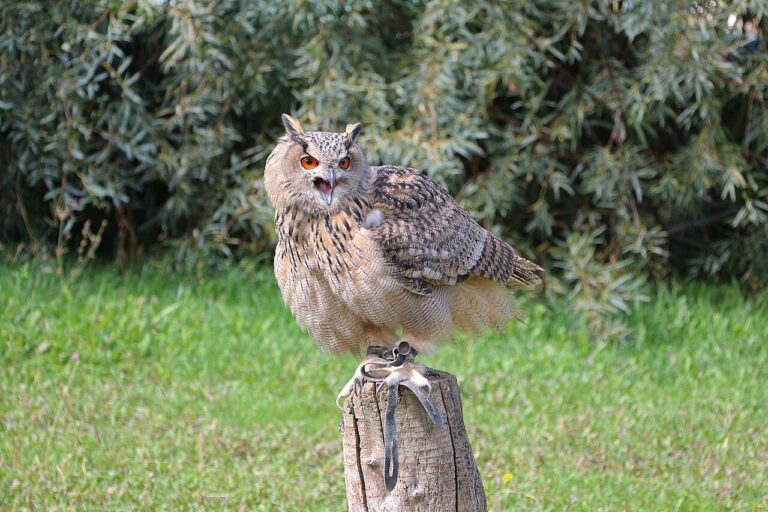
- Eastern Screech-Owl, Western Screech-Owl. Larger boxes; cool surprise tenants in many suburbs.
- American Kestrel. Small falcon that uses large nest boxes in open rural settings.
- Wood Duck, Hooded Merganser. Water-edge species needing pond-side or stream-side boxes.
The Species Most Beginners Want But Won’t Get
- Cardinals, robins, finches, doves, jays, mockingbirds, orioles. All open-nest builders. They build their own nests in your shrubs and trees but won’t use boxes.
- Sparrows (most native species). Ground or shrub nesters, generally not box users.
- Hummingbirds. Build tiny cup nests on horizontal branches; never use boxes.
The takeaway: about 70% of common backyard birds won’t use a nest box no matter what you do. Focus your nest-box effort on the species that actually will.
The Species-by-Species Box Specifications
The wrong dimensions on a nest box are the single biggest reason boxes go unused. Each species has specific size requirements for the entrance hole, interior floor, depth, and entrance height. Get these wrong and the target species won’t move in; non-target species or no birds will.
The following specifications come from the standards established by NestWatch (Cornell Lab) and the North American Bluebird Society, both of which have decades of field data on what actually works.
Eastern Bluebird Box
- Floor: 5×5 inches
- Interior depth (floor to hole): 6 to 10 inches
- Entrance hole: 1.5 inches (critical, larger lets in starlings and squirrels)
- Mounting height: 4 to 6 feet above ground
- Habitat: open lawn, meadow, orchard, golf course edges
- Best direction: entrance facing east or southeast (morning sun, afternoon shade)
The 1.5-inch entrance hole specifically excludes European Starlings (an invasive species that competes with bluebirds). Boxes with hole sizes of 1 9/16 inches or larger are typically taken over by starlings within hours.
Black-Capped / Carolina Chickadee Box
- Floor: 4×4 inches
- Interior depth: 8 to 10 inches
- Entrance hole: 1 1/8 inches
- Mounting height: 5 to 10 feet above ground
- Habitat: forest edge, mixed yards with mature trees, shaded gardens
Chickadees fill their boxes with thick moss-and-fur nests. The smaller entrance (1 1/8″) is critical to keep larger competitors out. House Sparrows can’t fit through this hole.
Tufted Titmouse Box
- Same dimensions as chickadee box, except entrance hole 1 1/4 inches (slightly larger).
- Mounting height: 5 to 10 feet.
- Habitat: similar to chickadees but with mature trees nearby.
House Wren / Carolina Wren Box
- Floor: 4×4 inches
- Interior depth: 6 to 8 inches
- Entrance hole: 1 to 1 1/8 inches for House Wren; 1 1/2 inches for Carolina Wren
- Mounting height: 4 to 10 feet
- Habitat: brushy yards with shrubs, edges of woods
Wrens famously fill multiple boxes with stick “starter nests”, they’re polygamous and the males build several nests for females to choose from. Don’t be alarmed if a wren shows interest in three boxes simultaneously; that’s normal.
Tree Swallow Box
- Same dimensions as bluebird box (5×5 floor, 1.5″ hole)
- Mounting height: 4 to 6 feet
- Habitat: open areas near water, marshes, ponds
- Best direction: east or southeast
Tree Swallows and bluebirds compete for the same box size, but their habitat preferences differ slightly, bluebirds prefer drier edge habitat, Tree Swallows prefer water-adjacent open areas.
Purple Martin House
- Multi-compartment design (8, 12, 16, or more units)
- Each compartment: 6×6×6 inches minimum
- Entrance hole: 2 1/8 inches (round) or 3″ × 1 3/16″ crescent (starling-resistant)
- Mounting height: 12 to 20 feet above ground on a tall pole
- Habitat: very open areas with no trees within 40 feet of pole
- Best direction: not species-dependent; martins are colonial and use multiple openings
Purple Martins require open-country yards and won’t nest in wooded suburbs. The starling-resistant crescent entrance is essential in most regions.
Eastern Screech-Owl Box
- Floor: 8×8 inches
- Interior depth: 12 to 15 inches
- Entrance hole: 3 inches
- Mounting height: 10 to 30 feet (higher is better)
- Habitat: mature trees in mixed yards, forest edges
- Best direction: south or east
Screech-Owl boxes also occasionally host Wood Ducks (if near water), American Kestrels, or even squirrels. In ideal locations, screech-owl boxes are used year after year, sometimes for roosting in winter and nesting in spring.
Wood Duck Box
- Floor: 12×12 inches
- Interior depth: 24 inches
- Entrance hole: 4 inches wide × 3 inches tall (oval)
- Mounting height: 4 to 6 feet above water (or 10 to 20 feet above ground if over land)
- Habitat: swamps, ponds, slow streams with wooded edges
- Best direction: south or east
Wood Ducks require specific habitat and aren’t common in typical suburban yards. Boxes for them are most successful at lakes, ponds, and quiet waterways.
American Kestrel Box
- Floor: 8×8 inches
- Interior depth: 14 to 16 inches
- Entrance hole: 3 inches
- Mounting height: 10 to 30 feet (often on a tall pole or barn)
- Habitat: open farmland, meadows, large yards with wide-open hunting space
- Best direction: south or southeast
Kestrels are most common in rural and semi-rural settings. Suburban yards rarely host them unless they border open land.
Where to Place Nest Boxes
Placement matters as much as dimensions. A perfect box in the wrong location stays empty; a basic box in the right location attracts nesters. Each species has habitat and placement preferences worth respecting.
General Placement Rules
These apply across most cavity-nester species:
- Mount on a smooth metal pole, not a tree trunk. Trees are climbable highways for raccoons, snakes, and squirrels. Metal poles with predator guards block them.
- Face the entrance away from prevailing weather. In most of North America, that means east-facing (morning sun, sheltered from afternoon storms moving west-to-east).
- Avoid full afternoon sun. Box interiors can reach lethal temperatures in direct summer sun. Partial afternoon shade is ideal.
- Distance from other boxes matters. Most cavity nesters are territorial. Two bluebird boxes within 100 yards of each other will fight; 300+ yards between bluebird boxes is the standard recommendation.
- Mount before nesting season. February-March in most regions, earlier in the south. Birds scout potential boxes weeks before they actually nest.
Pairing Boxes Strategically
For specific situations, paired box arrangements work well:
- Bluebird-Bluebird pairs spaced 5 to 20 feet apart can host both Bluebirds and Tree Swallows (since both use the same box size, paired boxes reduce competition).
- Chickadee boxes can be placed close to bluebird boxes (different size, different species, no competition).
- Wren boxes should be placed in shrubbier areas, away from open-lawn bluebird boxes.
The complete guide to plants that attract birds covers how to set up the broader yard habitat that makes nest boxes productive.
Predator Protection: Non-Negotiable
A nest box without predator protection often becomes a death trap rather than habitat. The most common nest predators are raccoons, snakes, squirrels, and cats, and a smooth pole alone doesn’t stop them. Real predator protection is layered:
The Three Critical Defenses
1. Predator Baffle. A cone or cylinder of metal around the pole, 3 to 4 feet above the ground, that prevents climbers from reaching the box. The simplest is a 24-inch-diameter cone-shaped sheet metal baffle, available pre-made for $25 to 50. Without a baffle, raccoons and snakes will reach almost every box within a season or two.
2. Stovepipe Baffle. A 24-inch length of 8-inch stovepipe, mounted as a sleeve below the box. Snakes can’t climb through it, raccoons can’t grip past it. Cheaper to DIY than a cone baffle and equally effective.
3. Hole Guard. A wooden or metal block around the entrance hole that adds 1 inch of “tunnel” depth. This prevents raccoons from reaching down into the box with their long arms to grab nestlings. Critical for any box mounted lower than 6 feet.
The combination of a metal pole, baffle, and hole guard reduces predation rates from typical 30 to 60% loss to under 5%.
What Doesn’t Work
- Mounting on tree trunks without other protection. Trees give predators unlimited climbing routes.
- Bird house decorations like spikes or ledges. They obstruct birds entering the hole and don’t deter climbing predators.
- Repellents or chemical sprays. Generally ineffective and risk harming the birds.
For boxes mounted on tree trunks (often unavoidable for screech-owls and Wood Ducks), a 2-foot-wide collar of slick aluminum flashing around the trunk below the box reduces climbing predation.
Buy vs. Build: Both Work, With Specifications
You don’t have to choose between buying and building. Both buy and DIY approaches work equally well if the specifications are right. The choice comes down to time, budget, and craft preference.
Buying a Nest Box
Look for:
- Untreated, unpainted wood interior. Treated lumber and paint can off-gas chemicals harmful to nestlings.
- Cedar or pine are the standard woods. Both weather well, both work.
- Drainage holes in the floor. Critical for rain that gets through the entrance.
- Ventilation gaps near the top. Reduces interior heat in summer.
- Side or front opening for cleaning. A box that doesn’t open easily won’t get maintained.
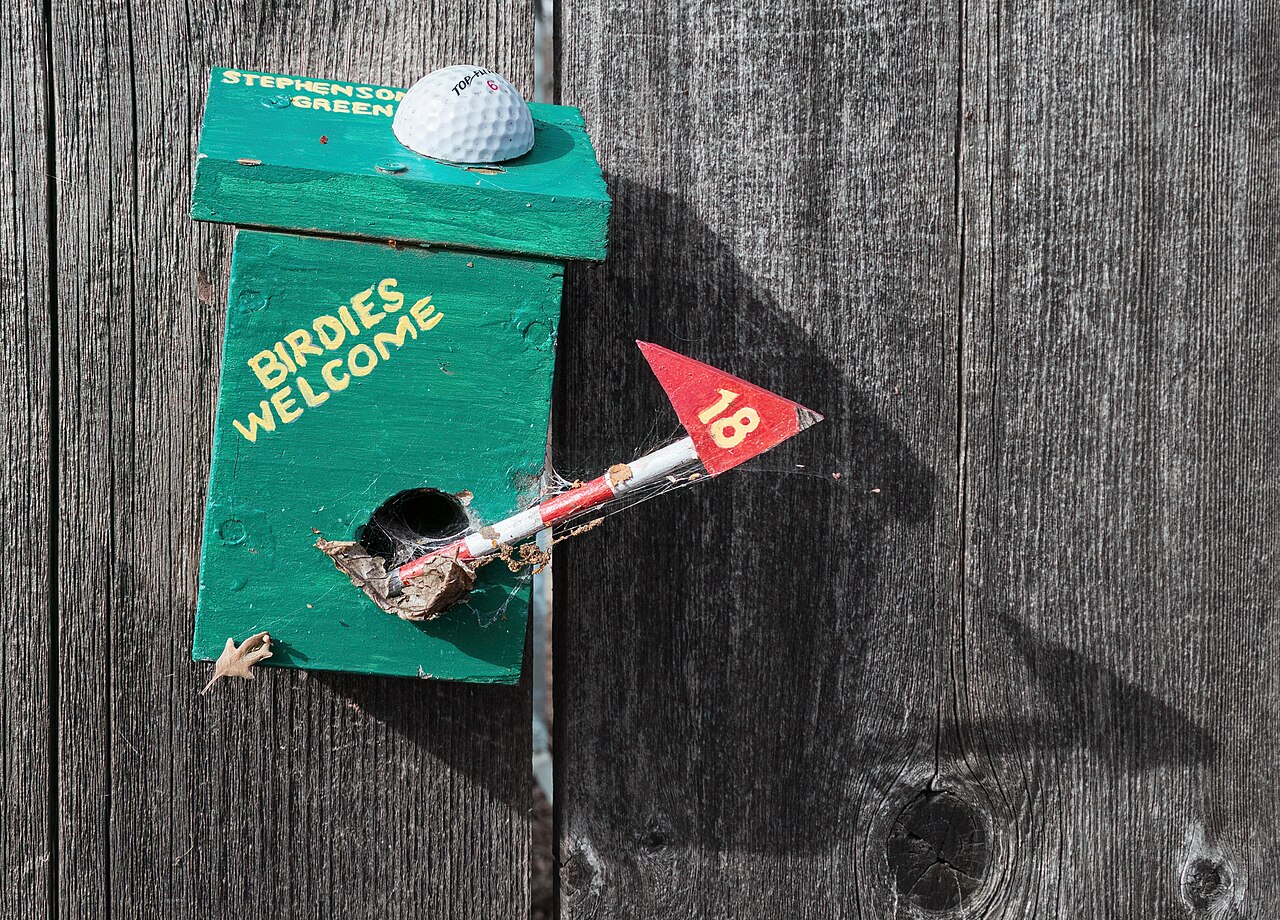
- Correct dimensions for your target species. Verify on the listing, many “decorative” bird houses don’t match any species’ actual needs.
Reputable sources: NestWatch (Cornell Lab) maintains a directory of properly-specced commercial boxes. Audubon stores, your state’s bluebird society, and online retailers like Wild Birds Unlimited stock species-specific boxes.
Expected cost: $25 to 80 for a single well-built box, $100 to 250 for high-quality cedar with predator protection included.
Building a Nest Box
DIY plans are widely available and the build is straightforward, a single board, a saw, and a drill are enough. Plans from these sources are reliable:
- NestWatch (nestwatch.org/learn/all-about-birdhouses), free plans by species
- North American Bluebird Society, official bluebird and Tree Swallow plans
- 70 Birds Birdhouse Plans (70birds.com), comprehensive plan library
The most-built design is the simple Peterson Bluebird Box: one 5×4-foot board cut into pre-measured pieces, screws and a hinge, total cost about $15 in materials, about 2 hours to build. The same principles apply to wren, chickadee, and titmouse boxes, adjust dimensions to spec.
For families with kids, a DIY nest box project is one of the highest-value introductions to backyard wildlife, the box becomes “their” project, and the resulting nest activity is genuinely engaging.
Maintenance: The Annual Schedule
A neglected nest box becomes useless within 1 to 2 seasons. Maintenance is mostly cleaning between broods and end-of-season, plus periodic repairs.
Between Broods
After each successful brood (when the babies fledge), clean out the old nest and disinfect the box:
- Wait until you’ve confirmed the brood has fledged (no peeping for 24+ hours, no parent visits for a full day).
- Remove the old nest material entirely. Discard outside the immediate yard area to avoid attracting predators.
- Brush out debris and feces.
- Optionally: spray interior with a mild bleach solution (1:9 bleach to water), let dry completely.
- The box is ready for the next brood, many species raise 2 to 3 broods per season.
End-of-Season Cleaning
In late fall (October, November) after all nesting has ended:
- Open the box and remove all remaining nest material.
- Clean thoroughly with bleach solution.
- Inspect for damage, cracks, loose hinges, drainage holes clogged.
- Repair or replace as needed.
- Some species (chickadees, titmice, screech-owls) will use boxes for winter roosting. Leave clean, empty boxes up year-round in these regions.
Periodic Checks
During active nesting:
- Quick visual check from below the box every 7 to 10 days.
- Don’t open the box during egg-laying or incubation unless you’re a trained nest monitor.
- If you observe distressed birds, abandoned nests, or visible predator damage, address immediately.
NestWatch trains volunteers in proper nest monitoring techniques and contributes data to ornithological research. If you want to formally monitor your boxes, the free certification takes a few hours and improves your boxes’ productivity significantly.
Solving Common Nest Box Problems
Several issues come up repeatedly with backyard nest boxes. Each has a known solution.
House Sparrow Takeover
House Sparrows (introduced from Europe, non-native, federally unprotected) aggressively take over bluebird and Tree Swallow boxes. They destroy eggs, kill nestlings, and sometimes kill adult birds. House Sparrow management is the single most-debated topic in nest-box circles.
The defensive options:
- Hole size. 1.5-inch entrance keeps sparrows out, barely. They can still squeeze through if motivated.
- Sparrow-resistant box designs. Slot entrance boxes (an oval slot instead of a round hole) reduce sparrow use.
- Active sparrow management. Removing House Sparrow eggs and nests from your boxes (legal because they’re non-native). This requires checking boxes weekly and removing sparrow attempts.
- Trapping. Some sparrow control programs use in-box traps that capture House Sparrows. Controversial but effective when other methods fail.
For most beginners, the right approach is hole size + box design + monitoring. Active trapping is more appropriate once you’ve established a serious bluebird program.
European Starling Takeover
Starlings need 1 9/16-inch or larger entrance holes. Keep all entrance holes 1.5 inches or smaller (for bluebirds) and starlings are entirely excluded. This is why bluebird box specs are so strict on hole size.
Wasps and Bees
Paper wasps occasionally build small nests inside boxes. Bumblebees occasionally do too. The simple solution: rub the inside top of the box with a bar of soap, wasps don’t build on slippery surfaces. Do this annually as part of end-of-season maintenance.
If a nest has already established and you need to remove it, do so at night when wasps are inactive, with appropriate protective gear.
Mites and Parasites
Blowfly larvae and mites can infest nest boxes, weakening or killing nestlings. Annual end-of-season cleaning eliminates most issues. For serious infestations, a powdered insecticide labeled for poultry mites can be applied to the box interior before the season starts (let it dry completely first).
Box Goes Unused
If a box stays empty for a full season, possible causes:
- Wrong species for the habitat. Bluebirds need open lawn; chickadees need trees. Match habitat to target species.
- Wrong dimensions. Double-check entrance hole size and interior dimensions match spec.
- Bad placement. Too exposed, too sunny, too close to neighboring boxes.
- No nearby food. Insectivores need insects; provide insect-friendly plantings (plants that attract birds) within 200 feet.
- First-year patience. Many boxes don’t get used in their first year as birds discover them. Year 2 and beyond are often when use begins.
Monitoring Active Nests: What’s Appropriate
Once a nest is active, the question becomes how much to interact. Most species tolerate brief visual checks; some are sensitive to any disturbance. General rules:
- Bluebirds, Tree Swallows, House Wrens. Brief inspections every 5 to 7 days are fine, ideally during mid-morning when parents are foraging. Open the box, look, close.
- Chickadees, Titmice, Nuthatches. Less tolerant. Limit inspections to once per week, very briefly.
- Screech-Owls, Wood Ducks, Kestrels. Do not inspect nests during incubation or with young present. Visual checks from below the box only.
The signals to stop inspecting:
- Birds visibly distressed (alarm calling, refusing to return to box)
- Aggressive parents diving at you
- Cold or unattended nest after the female should be incubating
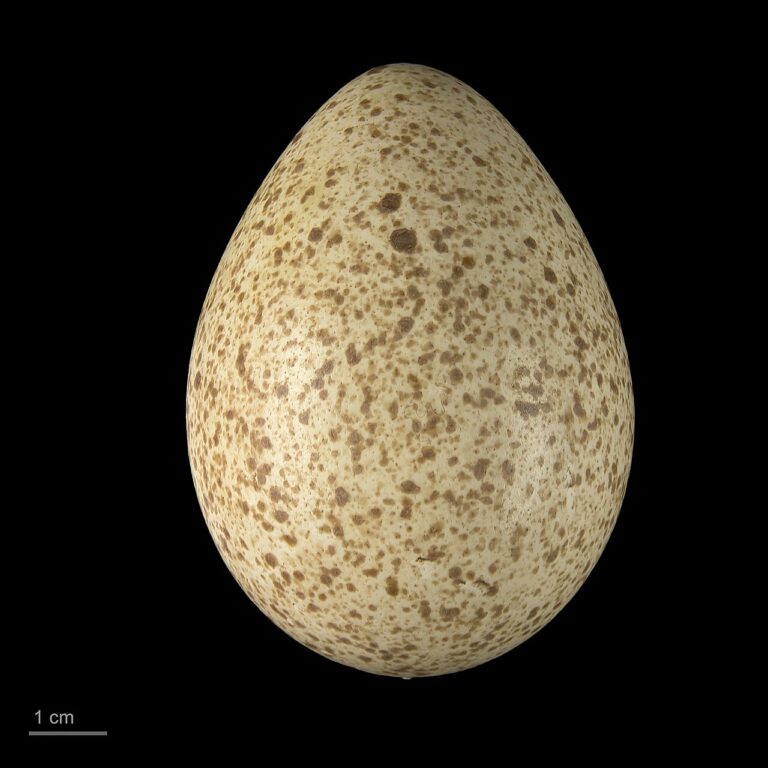
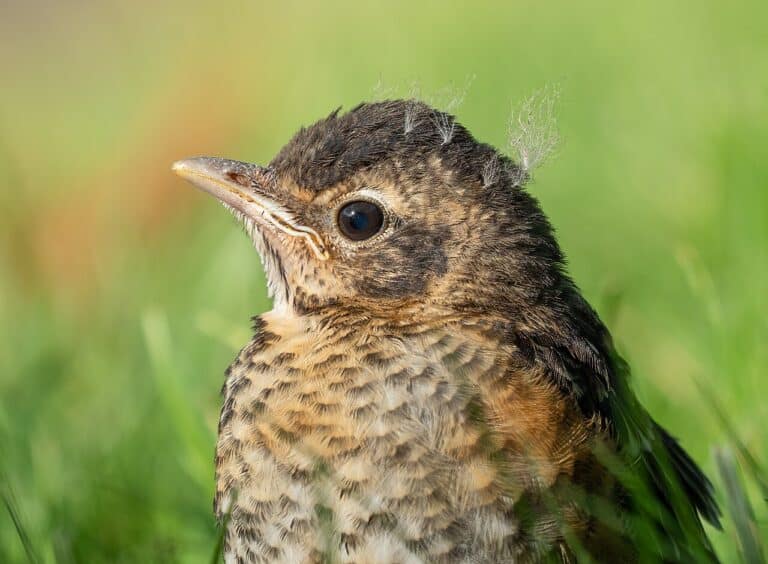
If you want to document your nests (which contributes to citizen science), NestWatch’s monitoring guidelines cover the protocol that minimizes disturbance while collecting useful data. We discuss how to document nest contents (eggs and young) in the bird egg identification guide and the baby bird identification guide.
Multi-Box Yard Setups
A single nest box can be productive for years. But yards with multiple species-specific boxes spread across appropriate habitat see much more nesting activity.
A high-functioning yard setup for a typical half-acre suburban property:
- One bluebird box on a metal pole with predator guard, in the open lawn area, facing east.
- One chickadee/titmouse box in the mature tree area, 6 to 8 feet high, north or east-facing.
- One wren box in a shrubby corner, 6 feet high, ideally facing the most-protected wall.
- Optional: one screech-owl box high in a mature tree if you have them.
Each box targets a different species occupying a different habitat zone in your yard. The total of 3 to 4 well-placed boxes per yard is typically the maximum that doesn’t create territorial conflicts. More boxes than the territory can support means most go unused.
If you have larger property (1+ acres), bluebird boxes in particular can be set up as “bluebird trails” with multiple boxes spaced 100+ yards apart. The North American Bluebird Society has detailed protocols.
Common Bird House Mistakes to Avoid
Several mistakes recur often enough to be worth flagging:
1. Decorative boxes with no functional specs. Cute exterior, wrong dimensions inside. Birds don’t use them. Verify specifications before buying.
2. Painted or varnished interiors. Off-gassing harms nestlings. Interior must be untreated wood.
3. Boxes on tree trunks without predator protection. Pure predator bait. Use a metal pole and baffle instead.
4. No drainage or ventilation. Boxes without drainage holes fill with water during rain; without ventilation, they overheat in summer sun.
5. Wrong height for the species. A bluebird box at 12 feet high gets less use than one at 5 feet. Check species-specific recommendations.
6. Boxes left up unmaintained for years. Mold, mites, parasite buildup. Annual cleaning is non-negotiable.
7. Too many boxes too close together. Territorial species fight; nesting fails. Respect spacing recommendations.
8. Hole sizes that admit starlings or sparrows. Wrong dimensions invite the wrong species and exclude the right one.
Frequently Asked Questions
What’s the best bird house for beginners?
A properly-spec bluebird box (5×5 floor, 1.5-inch entrance hole, mounted on a metal pole with predator baffle, 5 feet high in open lawn) is the most beginner-friendly setup if you live in bluebird habitat. For wooded yards, a chickadee box (4×4 floor, 1 1/8-inch hole) is similarly straightforward.
Why won’t birds use my bird house?
Most common reasons: wrong dimensions for any species (decorative-only design), wrong placement (too sunny, too exposed, on a tree trunk that predators can climb), wrong habitat (open-lawn species like bluebirds won’t use a box in a wooded yard), or first-year patience (boxes often go unused in year 1 as birds discover them).
How high should I mount a bird house?
Depends on species. Bluebird and Tree Swallow boxes: 4 to 6 feet. Chickadee and titmouse: 5 to 10 feet. Wren: 4 to 10 feet. Screech-Owl: 10 to 30 feet. Wood Duck and Kestrel: 4 to 6 feet above water or 10 to 30 feet above ground.
Which direction should a bird house face?
East or southeast in most regions, morning sun, sheltered from afternoon storms moving west-to-east. Avoid full afternoon-sun-facing west, which can overheat the box interior to lethal levels.
Can I put a bird house on a tree?
You can, but predator protection is much harder on a tree than on a pole. Raccoons, squirrels, and snakes climb trees easily. If you must mount on a tree (often the case for screech-owl boxes), wrap a 2-foot collar of slick metal flashing around the trunk below the box.
When should I put up a bird house?
Mount in late winter or very early spring (February to early March in most regions) before nesting season starts. Birds scout potential boxes weeks before they actually nest.
How do I clean a bird house?
After each successful brood: remove all nest material, brush out debris, optionally disinfect with 1:9 bleach solution, let air-dry, leave ready for next brood. End-of-season (October, November): thorough clean and inspection.
Do birds use the same bird house every year?
Often yes. Many bluebirds, chickadees, and screech-owls return to successful nest boxes annually. Some individuals reuse the same box for multiple years; others alternate among boxes in the same area.
Can multiple species share a bird house?
Not simultaneously, but the same box can host different species in successive seasons. A box used by bluebirds in May might be used by Tree Swallows in July or chickadees in roosting season in winter.
How do I keep House Sparrows out of my bird house?
Three approaches in combination: use entrance holes 1.5 inches or smaller (excludes starlings, restricts sparrows), use slot-entrance boxes designed to be less sparrow-friendly, and actively monitor and remove House Sparrow nesting attempts when they occur (legal for this non-native species).
Will squirrels use a bird house?
Yes, especially boxes with larger entrance holes. Squirrels chew entrance holes larger over time. A metal hole protector (a 1.5-inch hole reinforcement plate) prevents this.
Are decorative bird houses any good?
Most aren’t, unless they match a species’ actual specifications. Many “decorative” houses have dimensions or features (small interiors, perches under the hole, painted interiors) that make them unattractive to birds or actively harmful. Always verify dimensions before buying.