Do Snakes Hibernate? No, They Brumate: Where They Go All Winter
Snakes do not hibernate in the strict sense. They brumate, a cold weather dormancy that slows the body almost to a stop but still lets a snake wake, drink, and shift position on a warm afternoon. The difference matters, because a brumating snake is not unconscious and not safe to handle, and it can reappear on your driveway in January if the sun hits the right rock.
Across most of the United States, the question of whether snakes hibernate is really a question about where they went. From roughly October to March, native species disappear into rock crevices, rodent burrows, root cavities, and sometimes the crawl space under a house. Here is what actually happens down there, at what temperature it starts, and what it means when you see a snake out in the cold.
Snakes do not truly hibernate. They enter brumation, a reptile dormancy in which metabolism, heart rate, and digestion slow dramatically but the animal stays semi alert. Brumation typically begins when temperatures hold below 60 F (15 C) and lasts 3 to 5 months, with snakes sheltering in frost free dens called hibernacula.
| Question | Short answer |
|---|---|
| Hibernation or brumation? | Brumation, a lighter reptile version of dormancy |
| Trigger temperature | Sustained days below 50 to 60 F (10 to 15 C) |
| Typical duration | 3 to 5 months north, weeks or none in the Deep South |
| Where | Hibernacula: rock fissures, mammal burrows, stumps, foundations |
| Do they eat? | No, but they drink and may bask on warm days |
| Can they freeze? | No, ice crystals in the tissue are fatal to snakes |
| Alone or together? | Often communal, sometimes across several species |
Do Snakes Hibernate or Brumate?
Snakes brumate, and the distinction is more than vocabulary. True hibernation in mammals is a regulated drop in body temperature driven from inside the animal, with stored fat burning on a schedule. A snake has no internal thermostat, so it simply cools to whatever its shelter offers and its chemistry slows to match. Heart rate can fall to a few beats per minute and digestion stops entirely.
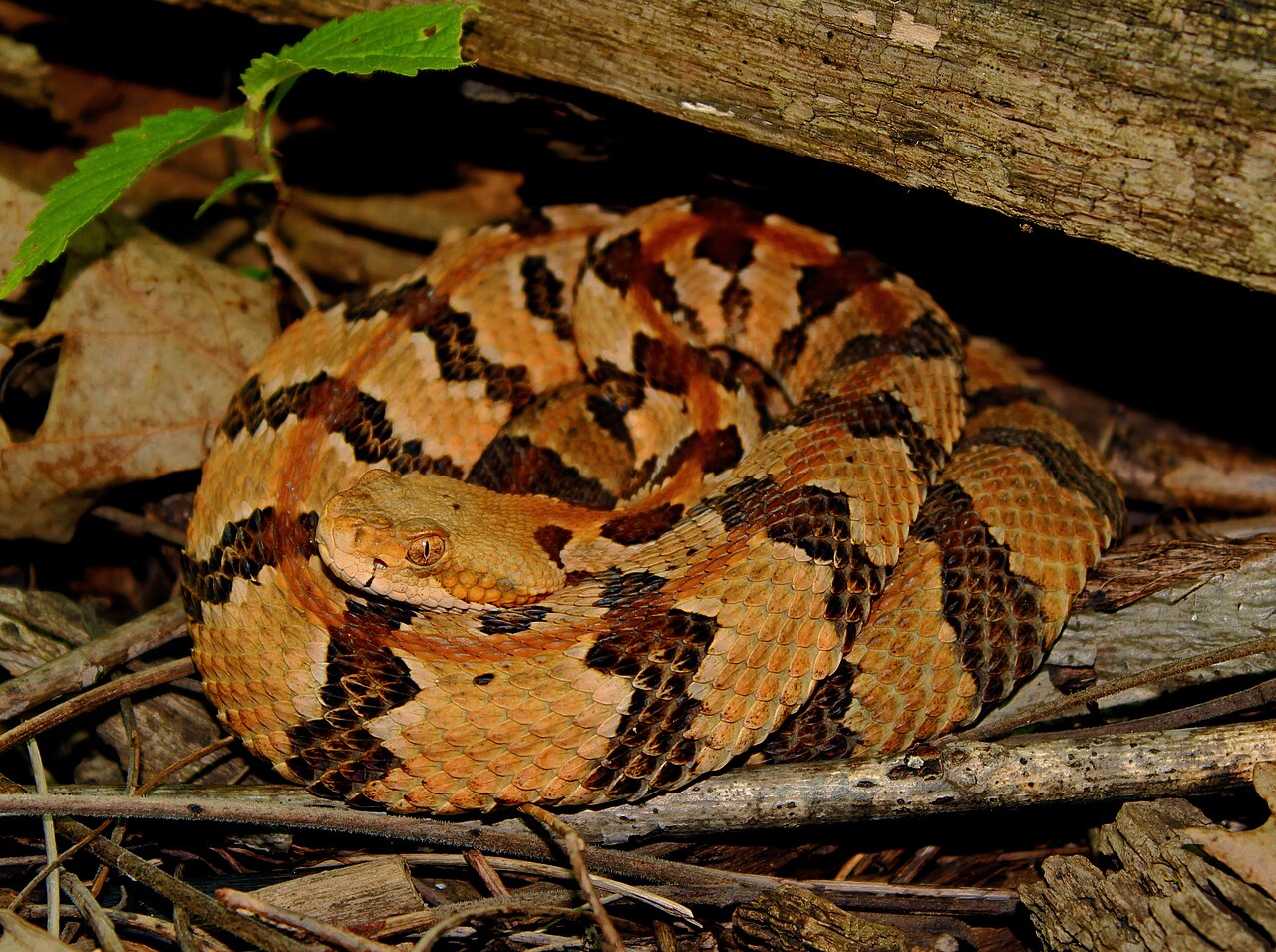
That is why a brumating snake still responds to the world. On a mild winter day, a timber rattlesnake (Crotalus horridus) will slide to the mouth of its den and lie in the sun for an hour, then retreat before dark. Garter snakes (Thamnophis sirtalis) do the same thing on south facing banks. Mammals such as chipmunks and bats go far deeper under and stay under.
Where Do Snakes Go During the Winter?
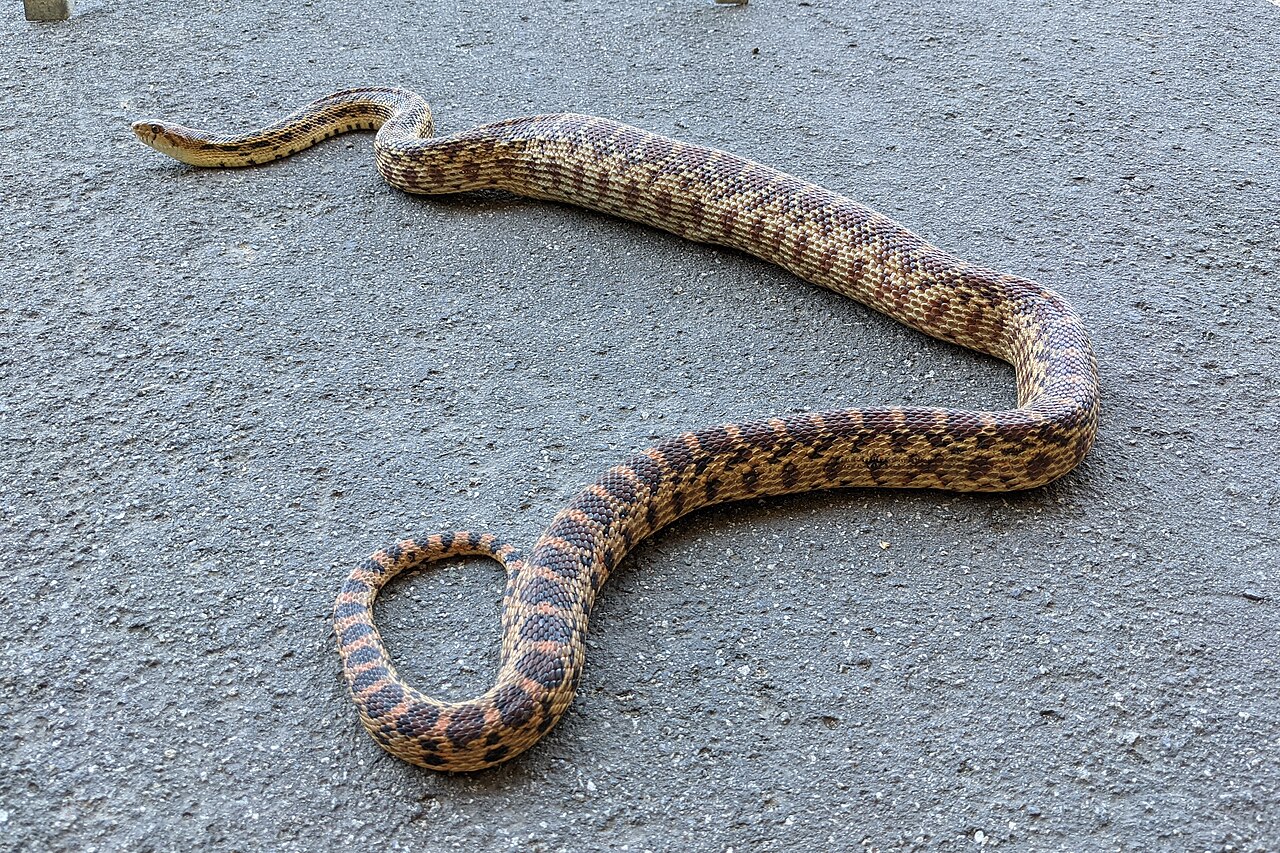
Snakes overwinter in a hibernaculum, a shelter that stays above freezing and below the frost line. The most common choices in North America are abandoned rodent burrows, crayfish holes, rock fissures on south facing slopes, hollow root channels under stumps, and gaps in old stone foundations. Depth matters more than comfort: the den has to sit below the depth at which the ground freezes locally, which ranges from a few inches in Georgia to more than four feet in Minnesota.
Water snakes such as the diamondback water snake use muskrat lodges and undercut banks near their summer range. Bullsnakes and other burrow specialists go deeper into loose soil, and the bullsnake will excavate its own extension of a ground squirrel tunnel. Snakes are strongly site faithful, and the same crevice may be used by generations of the same population.
At What Temperature Do Snakes Become Inactive?
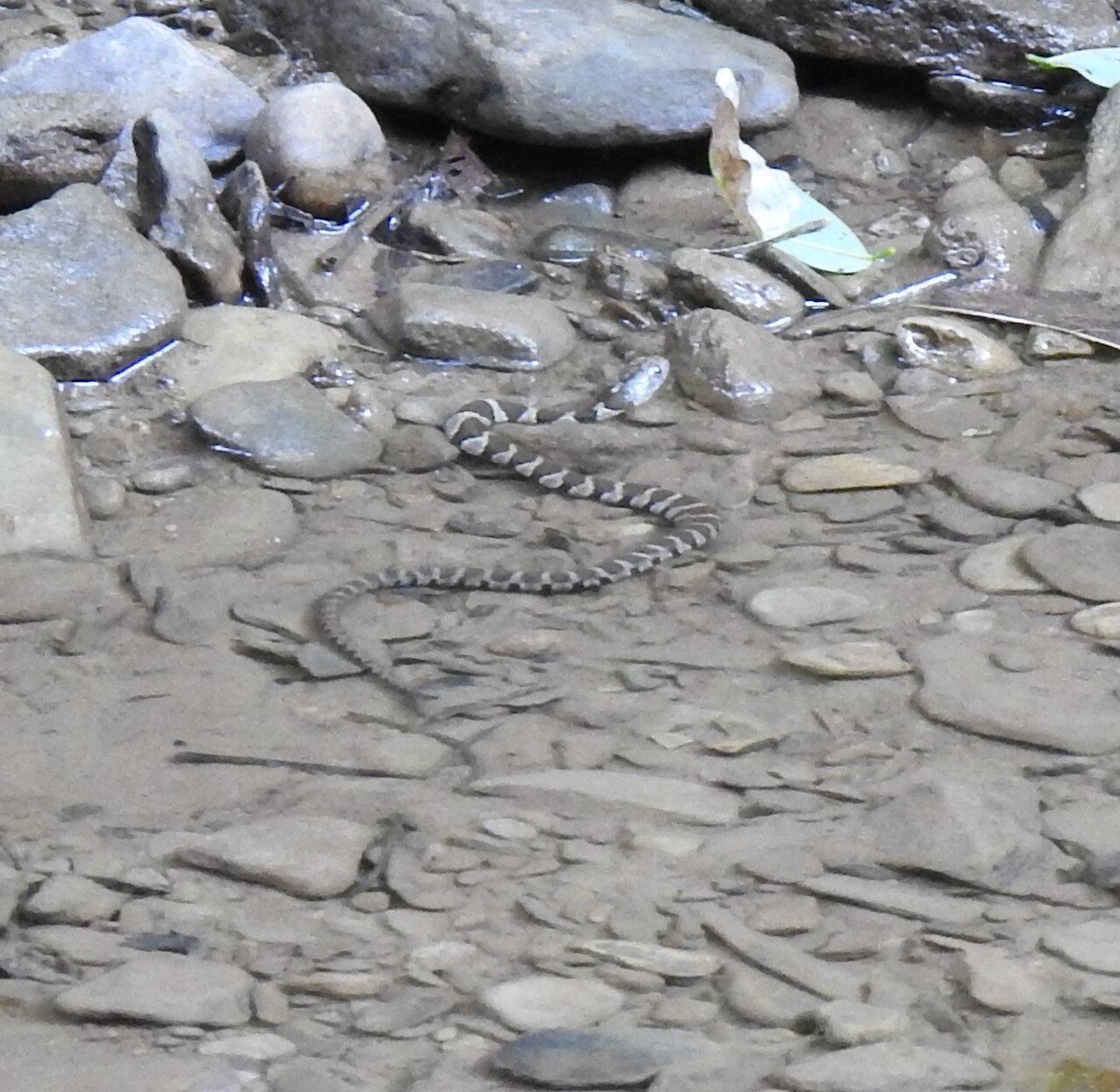
Snakes become sluggish below about 60 F (15 C) and effectively shut down once ground temperatures hold near 50 F (10 C). The threshold is not a single number, because it depends on species, body size, and how long the cold lasts. A single chilly night does nothing. Two weeks of daytime highs in the 50s will empty a field of snakes.
Optimal activity for most North American species falls between 70 and 90 F (21 to 32 C). Above roughly 95 F (35 C) snakes seek shade or go nocturnal, which is why desert species vanish at midday in July. Below 40 F (4 C) a snake cannot flee or strike effectively, and prolonged exposure near freezing is lethal.
The Arizona Institute for Resilience at the University of Arizona notes that southwestern snakes may brumate only intermittently, surfacing during any warm stretch rather than staying down for a fixed season.
Can Snakes Freeze and Still Be Alive?
No. Snakes cannot survive freezing. Unlike the wood frog, which floods its tissues with glucose and tolerates internal ice, snakes have no cryoprotectant strategy. Ice crystals rupture cells, and a snake caught above the frost line during a hard freeze dies there. Freeze tolerance among hibernating frogs is the exception in North American wildlife, not the rule.
This is the main cause of overwinter mortality in northern populations, and juveniles die at higher rates than adults because they have less body mass and less experience choosing a den. A snake found motionless in the cold is usually alive but incapacitated. It will move again once temperatures rise, and it can still bite.
Do Snakes Hibernate Together?
Many species brumate communally, and some dens hold spectacular numbers. The Narcisse Snake Dens in Manitoba concentrate tens of thousands of red sided garter snakes in limestone sinkholes each winter. In the eastern United States, timber rattlesnakes, copperheads, and black rat snakes have been documented sharing the same rock fissure, species that would otherwise ignore each other.
The reason is availability rather than sociability. Frost free cavities of the right depth are scarce, so every snake that finds one uses it. Shared body mass may buy a fraction of a degree, but the dominant factor is simply that good real estate is rare and snakes return to what worked.
Not every species piles in. Solitary brumation is normal in mild climates, and pet species such as the corn snake brumate alone without trouble.
Do Snakes Hibernate in Houses?
Snakes will brumate in houses when the structure offers the same conditions as a natural den. Crawl spaces, unfinished basements, wall voids above a warm foundation, and the space under a concrete slab all stay in the 40 to 60 F (4 to 15 C) range through winter. Rodent activity makes the site more attractive, since prey and shelter come together.
Snakes that end up inside rarely announce themselves. They enter in September or October through gaps at the sill plate, utility penetrations, or an unscreened vent, then stay still until a warm spell or a running furnace brings them out. A snake appearing in a basement in February almost always entered months earlier.
Frequently Asked Questions
What month are snakes most active?
April, May, September, and October see the highest activity in most of the country. Spring brings snakes out to bask and mate after brumation, and autumn concentrates movement as they travel back toward dens. Midsummer activity continues but shifts to dawn, dusk, and night in hot regions.
How long do snakes hibernate?
Brumation lasts about 3 to 5 months in the northern United States, roughly October through March. In the Gulf states and southern Arizona it may last only a few weeks, broken by warm spells. Latitude, elevation, and local den temperature set the length, not the calendar.
Where do snakes go during the winter if there are no rocks?
In flat farmland and prairie they use mammal burrows, crayfish chimneys, deep soil cracks, old wells, and root channels beneath stumps and fence posts. Any cavity that reaches below the local frost line works. Human structures such as culverts and foundations serve the same purpose.
If you see one snake, are there more snakes around?
Near a den in spring or fall, yes. Communal hibernacula concentrate dozens to thousands of snakes within a small radius, so a sighting in March on a warm south facing slope often means many more nearby. In midsummer a single snake usually means a single snake.
Do snakes eat before they hibernate?
They stop eating well before dormancy begins. A meal cannot be digested at den temperatures and would decompose in the gut, so wild snakes fast for one to three weeks in advance and enter brumation with an empty stomach, living on stored fat reserves instead.