Ryukin Goldfish: Size, Tank Size, Lifespan and Care
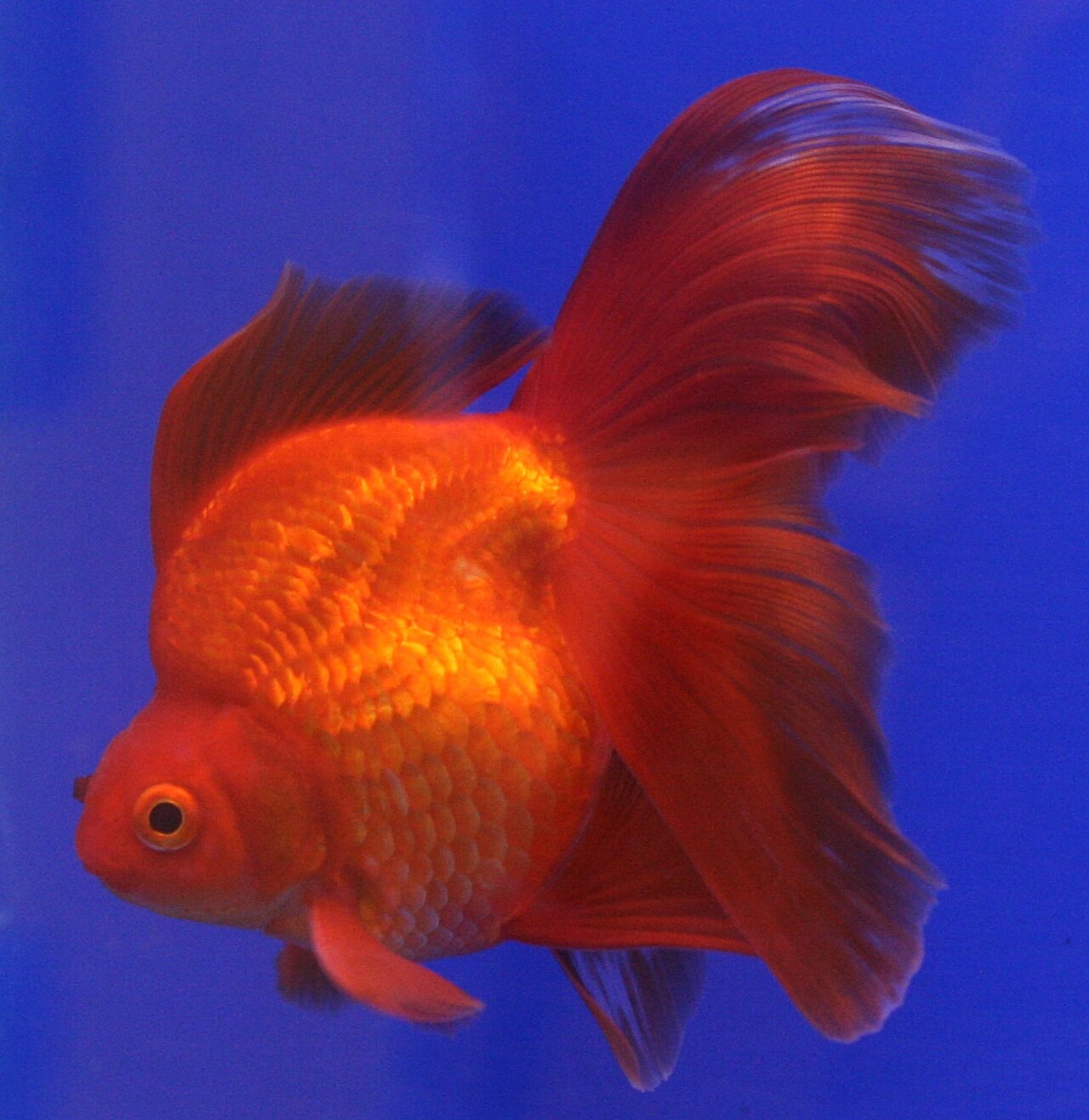
The Ryukin goldfish is a deep bodied fancy variety of Carassius auratus recognized by the sharp hump that rises behind its head, a tall dorsal fin and a split, flowing tail. It is one of the oldest fancy goldfish still widely kept, and one of the few that combines an extreme body shape with genuine hardiness. That combination is why experienced keepers recommend it as a first fancy goldfish over the more fragile eye and head varieties.
The name traces back to the Ryukyu Islands, the route by which the fish reached mainland Japan from China in the late 1700s. Japanese breeders fixed the shoulder hump and the short, blunt face that separate a Ryukin from an ordinary fantail. A good specimen looks almost triangular from the side, with the highest point of the back sitting just behind the gill covers rather than midway along the body.
A Ryukin goldfish is a fancy variety of Carassius auratus with a pronounced hump behind the head, a deep egg shaped body and paired tail and anal fins. It grows 6 to 8 inches (15 to 20 cm) in body length, lives 10 to 15 years, and needs 20 gallons (75 L) for the first fish plus 10 gallons (38 L) for each additional one.
| Quick fact | Ryukin goldfish |
|---|---|
| Species | Carassius auratus |
| Origin | Japan, from Chinese stock, late 18th century |
| Adult size | 6 to 8 in (15 to 20 cm) body, up to 10 in (25 cm) |
| Lifespan | 10 to 15 years, 20 in ponds |
| Minimum tank | 20 gal (75 L), plus 10 gal (38 L) per extra fish |
| Temperature | 65 to 75 F (18 to 24 C), no heater in most homes |
| Typical price | $10 to $30, jumbo and show imports $80 and up |
What Makes a Ryukin Different From Other Fancy Goldfish
The hump is the identifying feature. On a Ryukin the back rises steeply from just behind the head, giving the fish a shouldered, almost hunched profile that no other common fancy variety shows. The body is short and round, the face is blunt, and the dorsal fin stands tall and upright rather than lying low along the back.
Everything below the waterline is paired: a double caudal fin and a double anal fin, the same arrangement found on fantails and on the black moor. What separates a Ryukin from a plain fantail is exactly that shoulder line. An oranda adds a fleshy head growth called a wen, which a Ryukin never develops, so a bumpy head means you are looking at a different variety.
Judged specimens are measured on the steepness of that hump, the symmetry of the tail lobes and the evenness of color. Pet store stock is bred for volume rather than for the standard, so most tank raised Ryukins show a softer shoulder that fills out as the fish matures past its second year.
How Big Does a Ryukin Goldfish Get?
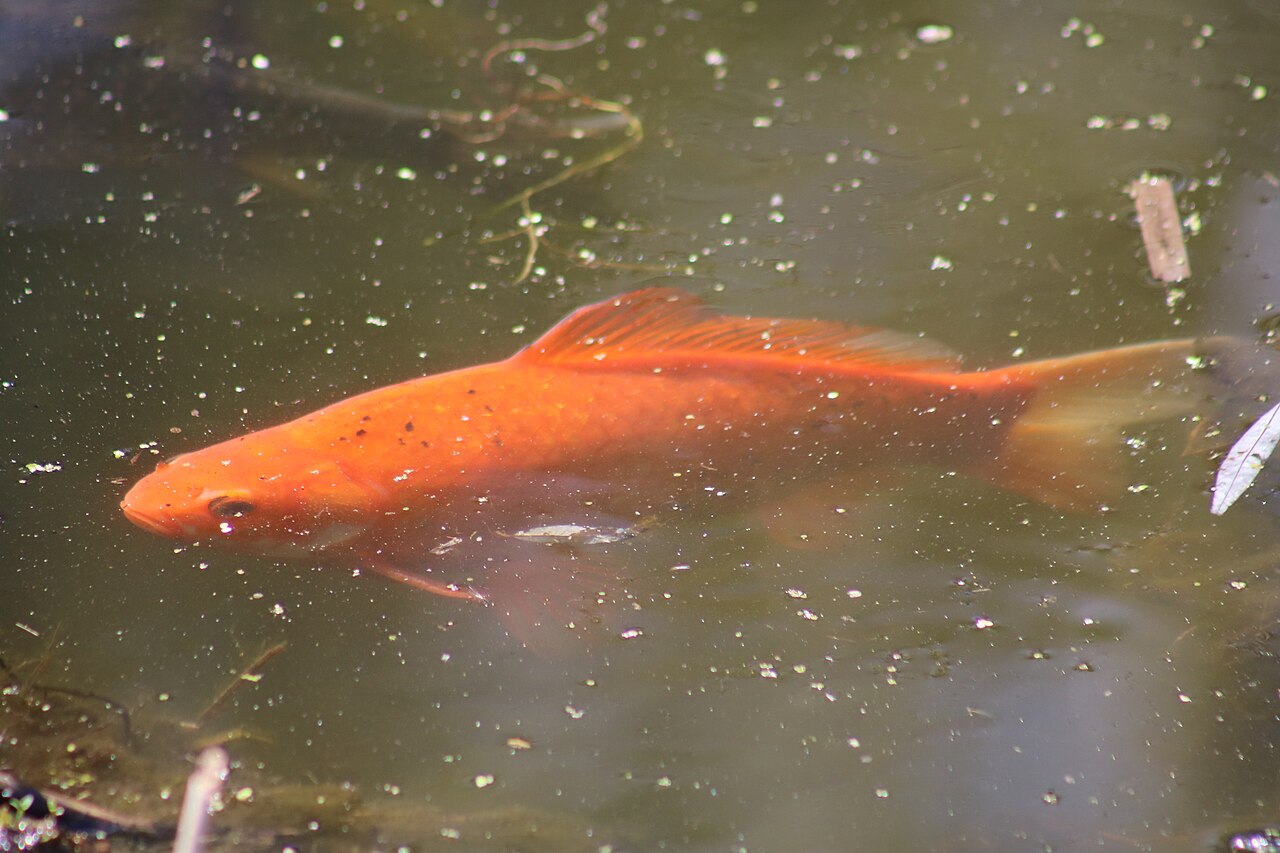
A well kept Ryukin reaches 6 to 8 inches (15 to 20 cm) in body length within three to four years, and specimens of 10 inches (25 cm) turn up in ponds and in large aquariums. Add the tail and a mature fish can measure a foot from nose to fin tip. Jumbo Ryukin lines, bred in Thailand and Japan for bulk, routinely pass those numbers and can weigh more than a pound.
Goldfish do not stay small because the tank is small, which is a persistent myth. What actually happens in cramped water is that growth hormones and waste accumulate, the fish becomes stunted, organ development lags behind body length and lifespan drops sharply. A stunted Ryukin looks undersized but is not healthy, and the damage is not reversible once it has set in.
Growth is fastest in the first 18 months, so that period decides adult size more than anything you do later. Frequent water changes, generous space and three small feedings a day during that window produce the deep, heavy bodied fish the variety is known for.
Ryukin Colors and Tail Types
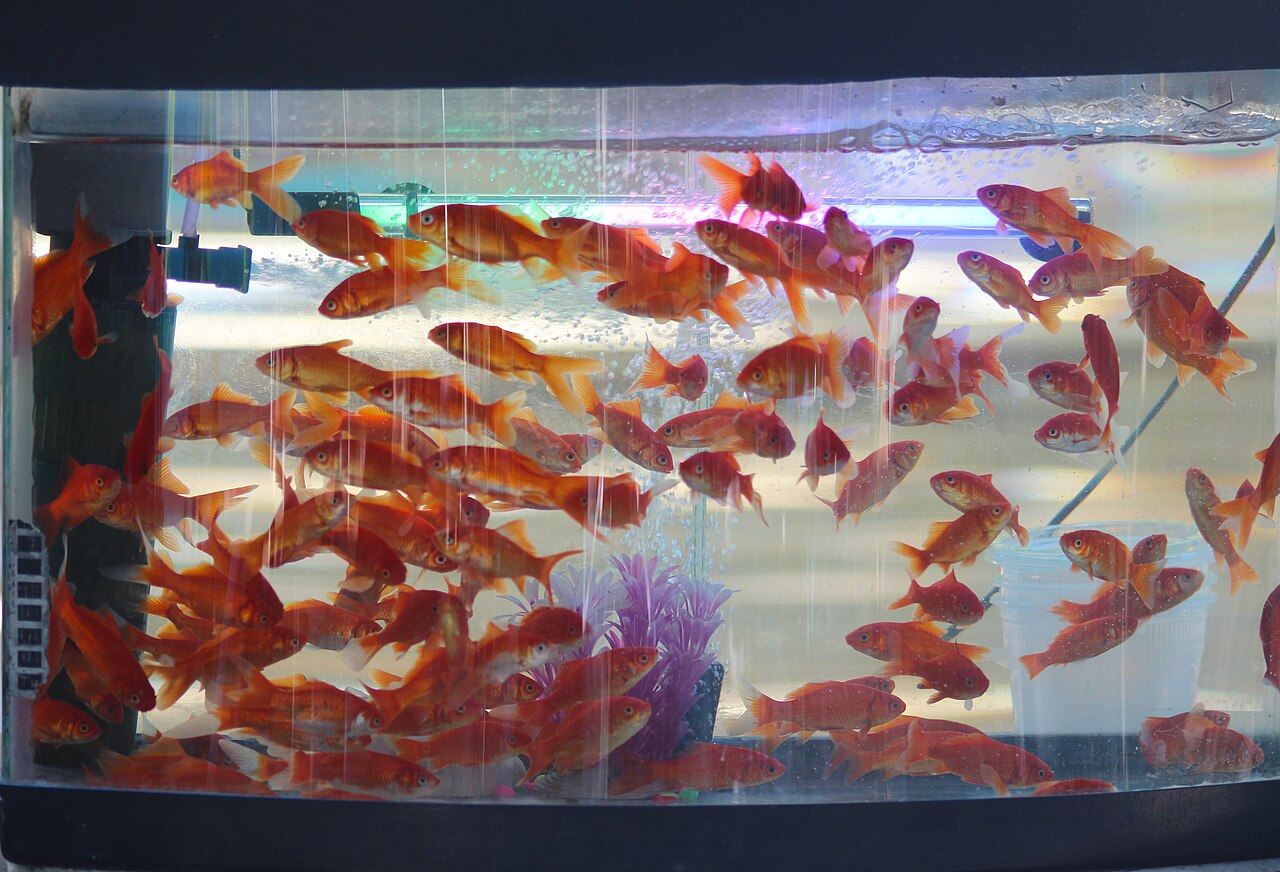
Metallic red is the classic form, followed by red and white, solid white, calico, chocolate and tricolor. Calico Ryukins carry the nacreous scale type and show blue, black and orange patches over a mottled base, which is the same genetic background behind the shubunkin. Color is unstable in young fish: most Ryukins hatch dark bronze and change over the first year, and many goldfish color patterns continue to shift well into adulthood.
Tail length splits the variety into two camps. Short tail Ryukins have compact, upright caudal lobes and swim strongly; broadtail and ribbon tail Ryukins trail long, veil like fins that look spectacular and slow the fish down noticeably. The long finned forms tear more easily and struggle harder against filter current, so they suit calm, well planned tanks rather than busy community setups.
Tank Size and Setup
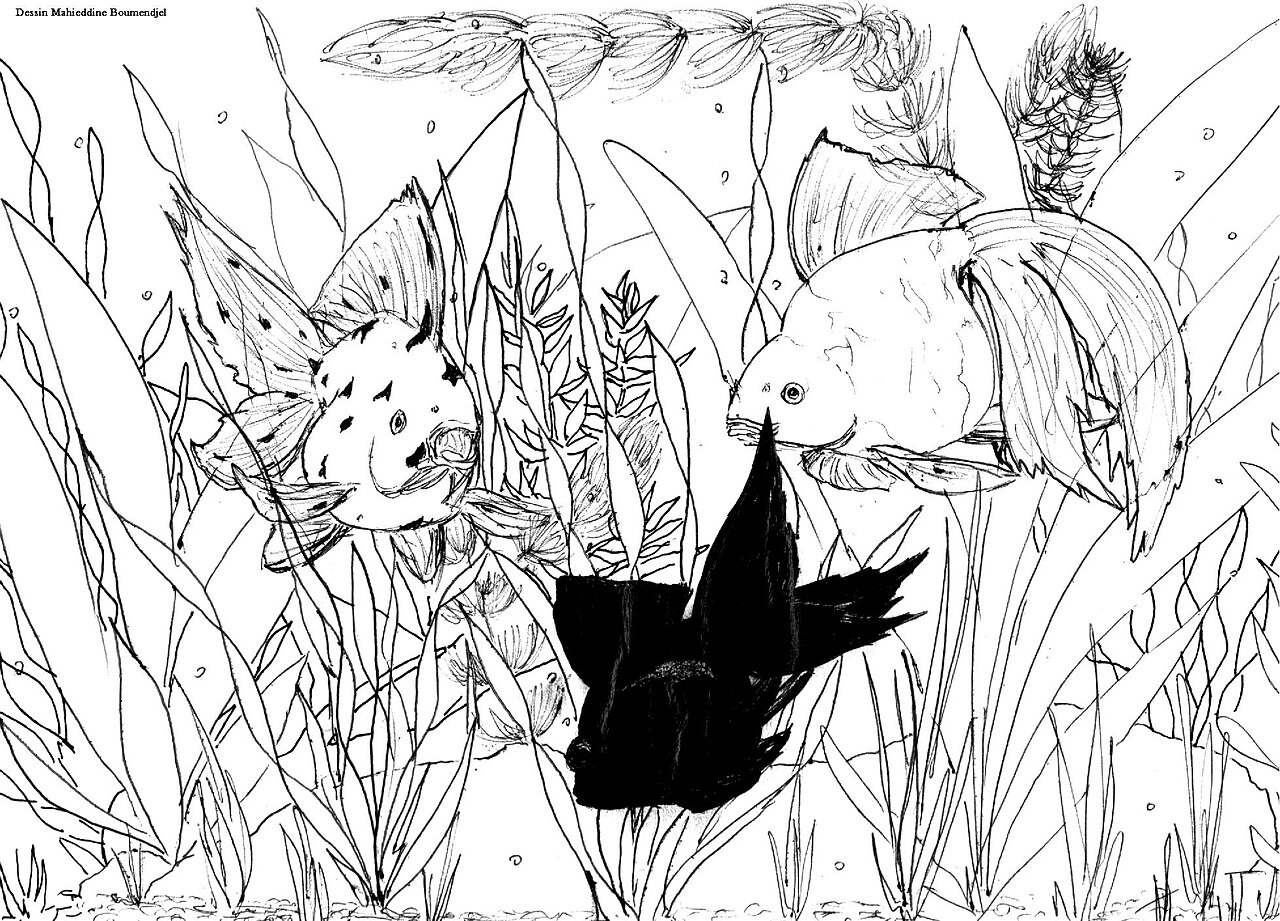
Twenty gallons (75 L) is the working minimum for a single Ryukin, with 10 gallons (38 L) added for each additional fish. Wide, long tanks beat tall ones, because a round bodied goldfish needs horizontal swimming room and surface area for gas exchange. Two adults in a standard 29 or 30 gallon (110 L) tank is a reasonable target for a home aquarium.
Keep the decor smooth. Rounded river gravel or bare glass, silk plants and driftwood without sharp points prevent torn fins and scraped scales on a fish that cannot maneuver quickly. Avoid small gravel that a goldfish can lodge in its mouth, since Ryukins root through substrate constantly and choking incidents are common with pea sized stones.
Lids matter less than for jumping species, but evaporation is fast in an open goldfish tank and a cover keeps temperature stable. Leave enough surface agitation to break the film without producing a current the fish has to fight.
Water Parameters and Filtration
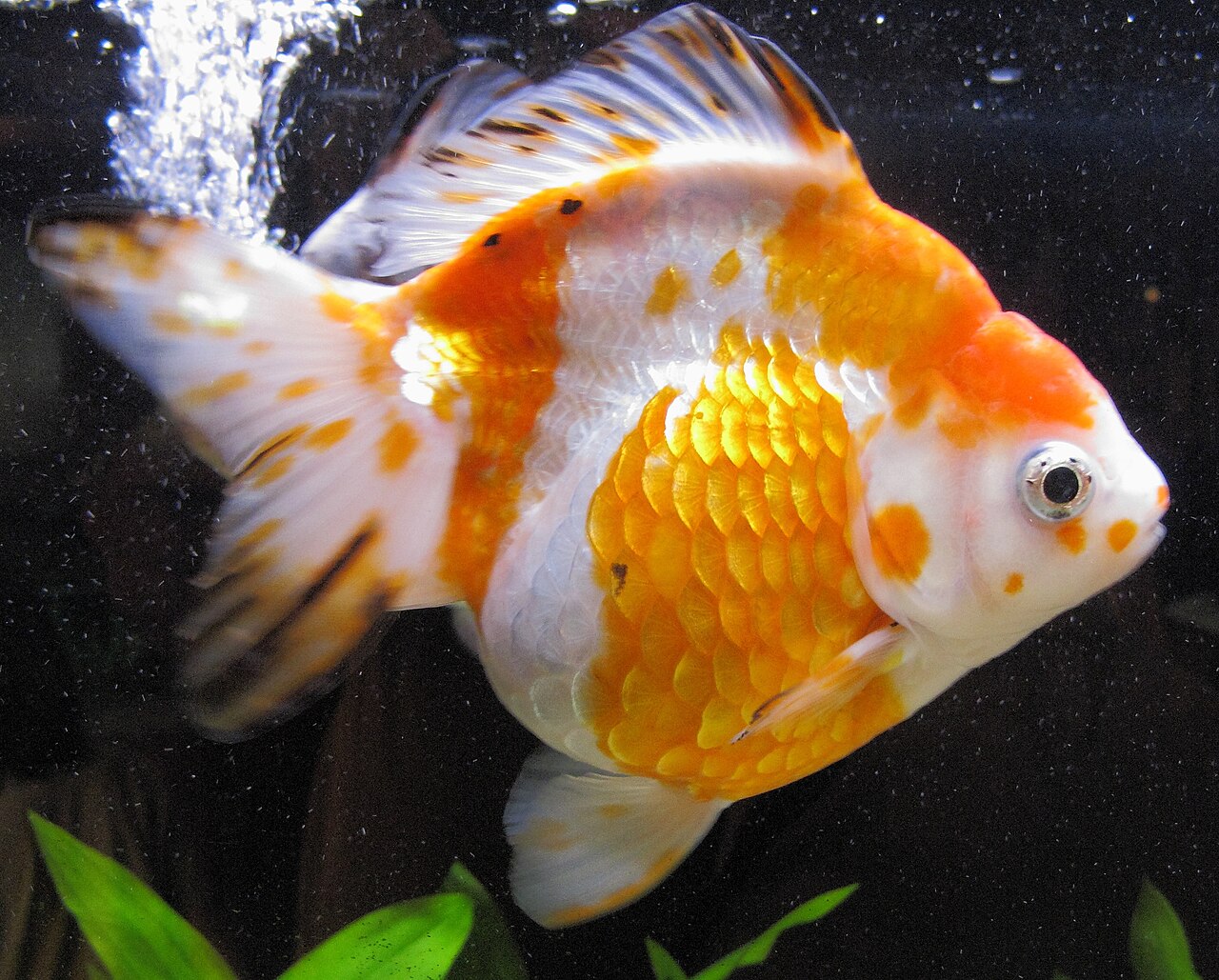
Ryukins are coldwater fish and do best at 65 to 75 F (18 to 24 C), which most heated homes provide without a heater. They tolerate a wide pH band of 7.0 to 8.4 and prefer moderately hard water. Stability beats precision: a steady pH of 8.0 is far better than one that swings between 7.2 and 8.2 across a week.
Filtration is the part people underestimate. Goldfish produce more ammonia per ounce of body weight than almost any other aquarium fish, so a filter rated for four to six times the tank volume per hour is a sensible floor. Canister filters and oversized hang on back units both work, provided the outflow is spread out or baffled so the fish is not pushed around the tank.
Weekly water changes of 25 to 50 percent keep nitrate under control. Ammonia and nitrite must read zero at all times; anything above zero in a goldfish tank means the filter is undersized or the feeding is too heavy.
Feeding a Ryukin Without Causing Swim Bladder Trouble
The compressed, rounded body that defines the Ryukin also crowds its internal organs, which is why fancy goldfish are prone to buoyancy problems. Most cases are not infections at all. They come from air swallowed at the surface with floating pellets, or from dry food that expands in the gut after being eaten.
Use a sinking pellet as the staple and soak it for a minute before feeding. Add blanched vegetables such as deshelled peas, spinach or zucchini two or three times a week, plus frozen bloodworms or daphnia for protein. The same rules that govern what goldfish should be fed apply here with one addition: never feed flakes at the surface to a deep bodied variety.
Feed small amounts two or three times a day rather than one large meal, and stop when the fish loses interest. A Ryukin will keep eating well past the point of fullness, and overfeeding is the single most common cause of both water quality crashes and floating fish.
Are Ryukin Goldfish Easy to Keep?
Ryukin goldfish are easy by fancy goldfish standards and demanding by general aquarium standards. They are hardy, tolerant of temperature swings and not fussy about chemistry, which puts them well ahead of delicate varieties. What they demand is space and filtration, and those are the two things beginners usually get wrong.
The health issues that do show up are predictable. Buoyancy disorders come from feeding technique, fin rot follows poor water quality or torn fins, and white spot disease arrives with new fish that were not quarantined. The Merck Veterinary Manual covers the standard ornamental fish treatments, and a two week quarantine tank prevents more problems than any medication cures.
Give a Ryukin a properly sized, heavily filtered tank and measured feeding, and it is one of the most forgiving ornamental fish available. Put the same fish in a 10 gallon (38 L) tank with a small filter and problems arrive within months.
What Fish Can Live With Ryukin Goldfish?
The safest tank mates are other slow, round bodied fancy goldfish: fantails, orandas, black moors, telescopes and other Ryukins. They share water requirements, swim at similar speeds and compete fairly for food. Keeping fancies together also avoids the mismatch that occurs when a fast single tail variety is added.
Comets, shubunkins and common goldfish are poor choices despite being the same species. They swim several times faster, strip food before a Ryukin reaches it, and they need pond sized space of their own. Delicate varieties are the opposite problem: a bubble eye goldfish has fragile fluid sacs and poor vision and will be outcompeted and injured in a tank with vigorous Ryukins.
Tropical community fish do not work, because they need water 78 F (25.5 C) and warmer while goldfish thrive below that. White cloud mountain minnows and dojo loaches are the usual coldwater exceptions, and even those need a tank large enough that the goldfish cannot treat them as food.
How Long Can a Ryukin Goldfish Live?
Ten to fifteen years is the normal range for an aquarium Ryukin, and pond kept fish in large, stable water regularly pass twenty. Reaching those numbers is almost entirely a function of space, filtration and feeding discipline rather than genetics or luck. Fish that die at two or three years nearly always died of accumulated nitrate, stunting or repeated bouts of disease traceable to an overstocked tank.
Fancy goldfish age visibly. Color deepens or fades, the shoulder hump fills out through years three to five, and the tail reaches full length around the same time. A fish that stops growing early, stays pale and develops a sunken belly is signaling a husbandry problem rather than old age.
Plan for the commitment before buying. A Ryukin bought for a child will still be alive when that child leaves for college, and the tank it needs at year five is considerably larger than the one it arrived in as a juvenile goldfish.
Frequently Asked Questions
How much do Ryukin goldfish cost?
Pet store Ryukins run $10 to $30 in the United States depending on size and color, with calico and tricolor patterns at the upper end. Imported jumbo and show grade fish from Japanese or Thai breeders sell for $80 to $300 or more. Price reflects body depth, hump development and tail symmetry rather than rarity.
How big of a tank does a Ryukin goldfish need?
Twenty gallons (75 L) for the first fish and 10 gallons (38 L) for every additional one, with wide tanks preferred over tall. A pair of adults is comfortable in 29 to 40 gallons (110 to 150 L). Bowls and tanks under 10 gallons stunt the fish and shorten its life regardless of how often the water is changed.
Can I put 2 goldfish in a 1 gallon tank?
No. One gallon (3.8 L) cannot hold a stable nitrogen cycle for a single goldfish, let alone two, and ammonia will reach toxic levels within a day. Fish kept that way become stunted and usually die within months. Even a temporary quarantine container should hold several gallons with filtration and daily water changes.
What is the hardest goldfish to keep?
Bubble eye and celestial eye goldfish are the most difficult. Both have upward facing eyes, poor forward vision and, in the bubble eye, delicate fluid filled sacs that rupture on decor or filter intakes. Telescope eyes and lionheads rank next. Ryukins, fantails and orandas are markedly easier than any of them.
How to tell if a Ryukin goldfish is male or female?
Sexing is only reliable during breeding condition. Males develop small white breeding tubercles on the gill covers and the leading rays of the pectoral fins, and they look slimmer from above. Females swell asymmetrically on one side as eggs develop and appear rounder viewed from the top. Outside the season the two are nearly identical.
Do Ryukin goldfish need a heater?
Usually not. A room held between 65 and 75 F (18 to 24 C) suits them without equipment. A heater set low is worth adding in a cold room or an unheated basement, because rapid temperature drops stress the fish and suppress its immune response. What matters is stability, not warmth.