Red Betta Fish: Why They Are Common, What They Cost, How to Keep One
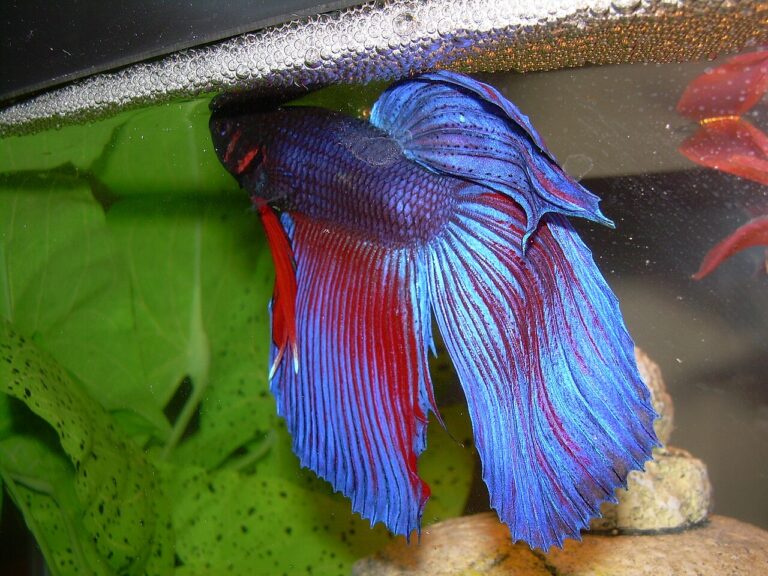
Red is the most common color in the betta hobby, not the rarest, because the red gene is dominant and shows up even in fish bred for something else. A red betta fish is a Betta splendens carrying extended red pigment across the body and fins, and it costs less than almost any other color for exactly that reason. The premium versions, super red and red dragon, are a different story and can cost ten times as much.
What follows is the practical picture: what makes a betta red, which red varieties are worth paying for, what the fish actually costs to keep for its two to four year life, and why so many red bettas fade within months of coming home. The fading part is usually fixable and almost always a husbandry signal.
A red betta fish is a Betta splendens with extended red coloration, the most common and least expensive betta color because red pigment is genetically dominant. Pet store fish cost $5 to $20, imported super red and red dragon lines cost $25 to $80, and all of them need a heated, filtered tank of at least 5 gallons.
| Quick fact | Red betta fish |
|---|---|
| Species | Betta splendens, Mekong basin of Thailand |
| Adult size | 2.5 to 3 in (6 to 7.5 cm) including fins |
| Lifespan | 2 to 4 years, often 2 from the day of purchase |
| Minimum tank | 5 gallons (19 L), heated and filtered |
| Water temperature | 78 to 80 F (25.5 to 27 C) |
| Price range | $5 to $20 standard, $25 to $80 imported lines |
| Tank mates | Never another betta, limited options otherwise |
Are Red Betta Fish Rare?
Red betta fish are not rare. Red is the single most frequently sold betta color in the United States, and any chain pet store carries several on a given week. The reason is genetic rather than commercial: extended red behaves as a dominant trait, so a fish only needs one copy to show it.
That dominance also explains red wash, the faint red haze that appears on the fins of bettas bred to be white, yellow, or blue. Breeders spend generations trying to remove it, which tells you how persistently the color pushes through.
Rarity within red exists, but it lives in the details. Solid, evenly saturated super red with no dark shading, and red dragon with thick metallic white scaling over a red base, take deliberate line breeding and cost accordingly. A plain red veiltail from a store shelf is the opposite end of the same color.
What Makes a Betta Red
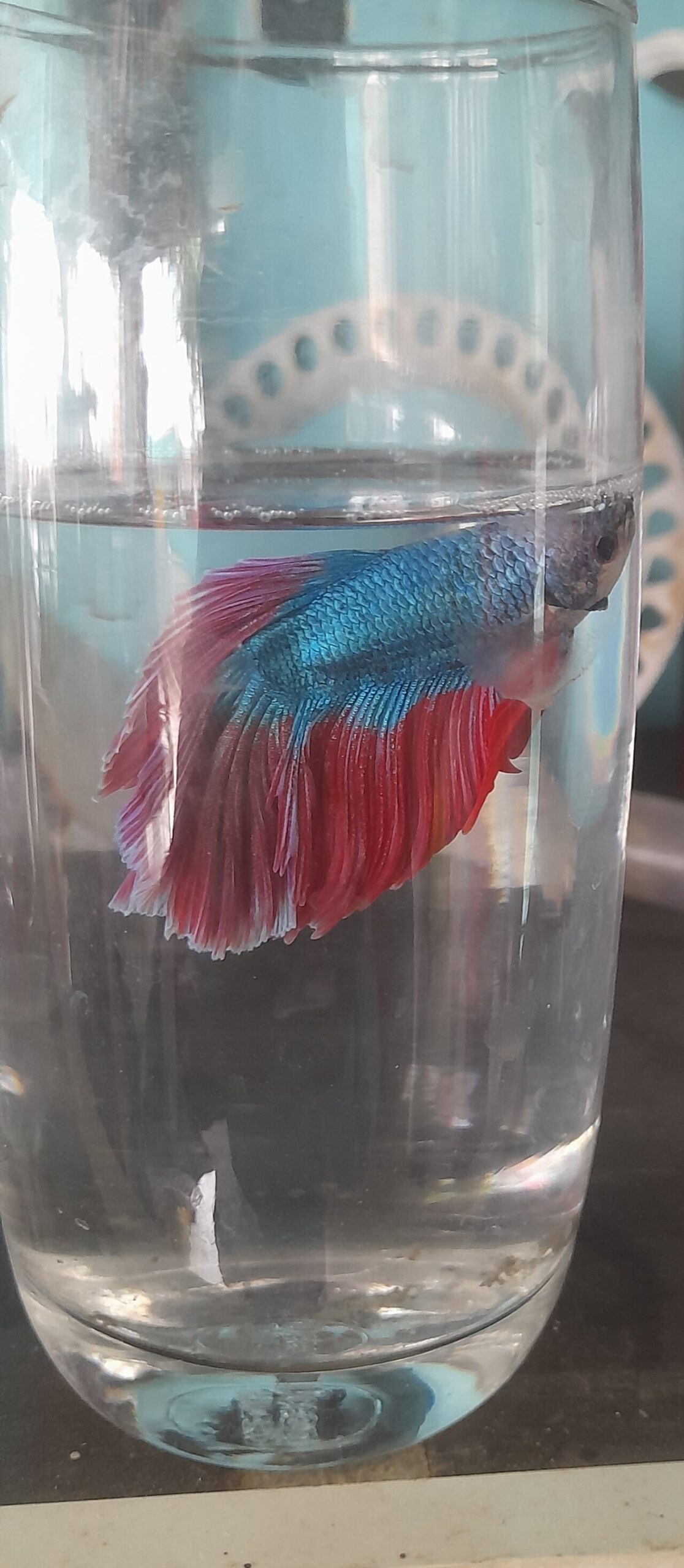
Red in Betta splendens comes from erythrophores, pigment cells sitting in the skin that carry carotenoid-based red pigment. Extended red spreads those cells across the whole body and fins instead of limiting them to the fin rays, which is what separates a red betta from a fish with red trim.
Several genes then modify what you see. Iridophores add the blue-green metallic sheen that turns plain red into a slightly purple cast, and the dragon gene layers thick opaque scaling over the base color. A betta that looks more violet than scarlet under aquarium lights may be carrying that iridescent layer, the same one behind a purple betta fish.
Marble is the wild card. It moves pigment around during the fish’s life, so a marble carrier sold as red can turn patchy or shift toward koi patterning over several months. That change is genetic and normal, not a disease and not something you caused.
Types of Red Betta Fish
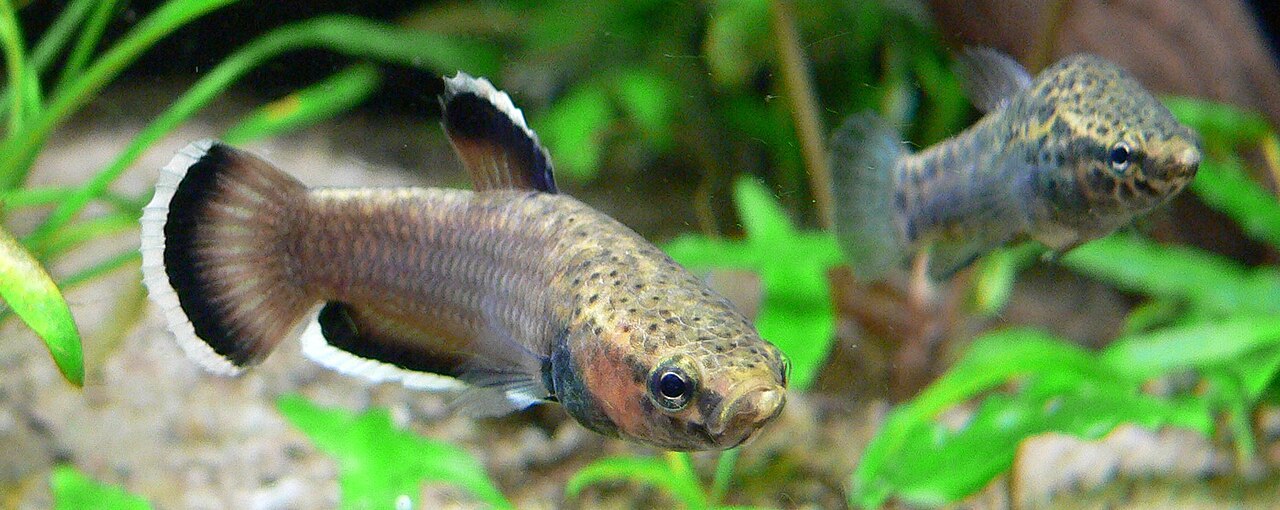
Red shows up in every tail type, and the tail is what usually drives the price. Veiltail is the cheapest and most common, with a long drooping tail; plakat is short finned and closest to the wild body shape; crowntail has spiked rays; and doubletail splits the caudal fin into two lobes.
The show-quality end belongs to the halfmoon betta fish, whose tail opens to a full 180 degrees when it flares. Halfmoons in solid red are a staple of import lines from Thailand and carry the highest tag of the tail types.
Scale variants cross-cut all of these. Super red is uniform deep red with no black shading, red dragon adds metallic white overlay, and koi red is a marble pattern of red, white, and black. Fin length matters for care: long finned reds tire faster in current and are more prone to fin damage on rough décor.
How Much Does a Red Betta Fish Cost?

A red betta costs $5 to $20 at a chain pet store and $25 to $80 from an importer or specialty breeder, with competition-grade halfmoons and red dragons reaching $100 or more. Shipping from overseas breeders adds $25 to $60 per box, which is why hobbyists usually group orders.
The fish is the smallest line in the budget. A 5 gallon tank, adjustable heater, sponge or low-flow filter, thermometer, light, substrate, and plants run $90 to $180, plus a water test kit at about $30 that most beginners skip and then regret.
Running costs are modest at $30 to $60 a year for food, water conditioner, and electricity. The expensive mistake is buying the fish first and the equipment later, since an uncycled, unheated bowl is what turns a two year fish into a two month fish.
Are Red Betta Fish Hard to Care For?
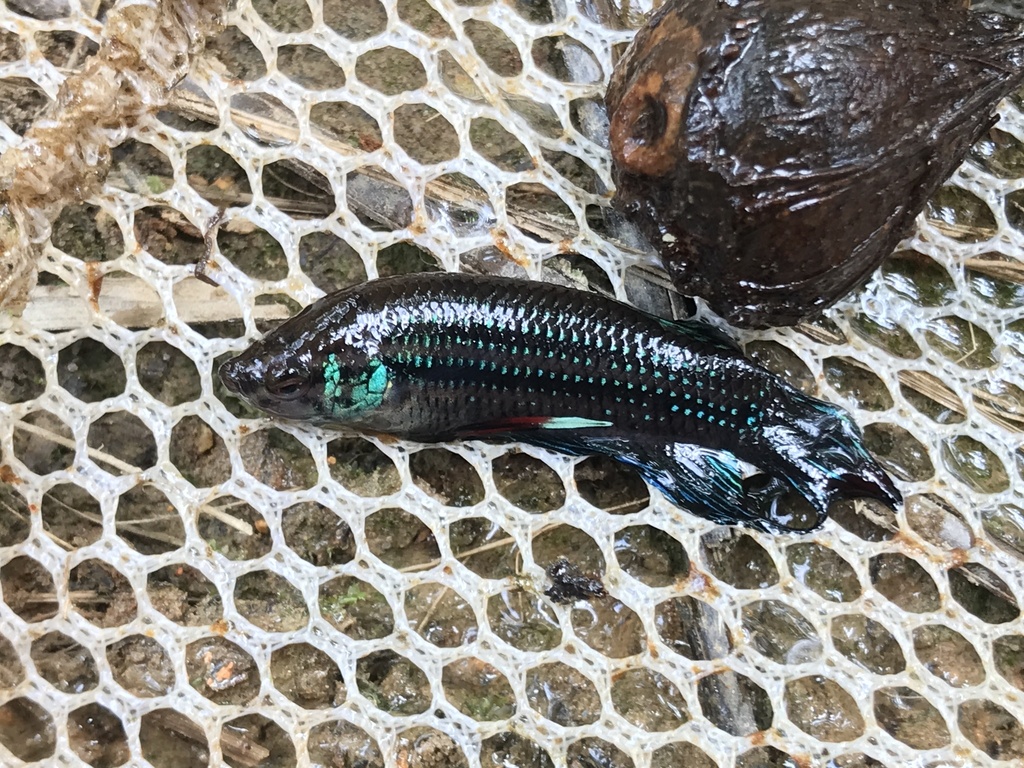
Red bettas are not hard to care for, but they are easy to care for badly. The species tolerates poor conditions long enough to look fine in a bowl for weeks, which is precisely why so many die early. There is no care difference between red and any other color.
The three things that actually decide the outcome are stable heat, a cycled tank, and gentle water movement. Get those right and a betta is close to maintenance free; get any one wrong and you spend the fish’s short life treating fin rot and lethargy.
Weekly work is one 25 to 30 percent water change with a dechlorinated, temperature-matched refill, a glance at the thermometer, and a look at the fins. A betta that holds its fins clamped against the body for more than a day is telling you to test the water. The same routine applies across the species, as covered on the main betta fish page.
Tank Size, Filtration, and Water Temperature
Five gallons (19 L) is the working minimum for one betta, and 10 gallons makes every parameter easier to hold steady. The old marketing line about bettas living in puddles misreads their habitat: rice paddies and shallow floodplains are vast, warm, and constantly renewed, not stagnant cups.
Heat is not optional. Hold 78 to 80 F (25.5 to 27 C) with an adjustable heater and verify it with a separate thermometer, because a betta at room temperature digests poorly, moves less, and becomes vulnerable to infection. Room temperature in most American homes sits 8 to 10 degrees below what this fish needs, and the details are laid out under betta fish water temp.
Filtration keeps the nitrogen cycle running, which matters more than mechanical cleanliness. A sponge filter on a low air setting or a baffled hang-on-back unit gives biological filtration without a current that pins a long finned fish against the glass, a trade-off explained under do betta fish need a filter.
Feeding a Red Betta
Bettas are carnivores, and the diet should be a quality pellet with whole fish or insect meal as the first ingredient, fed 2 to 3 pellets twice a day. That looks like almost nothing, and it is correct. A betta’s stomach is roughly the size of its eye.
Frozen or live variety twice a week improves both condition and color. Bloodworms, daphnia, brine shrimp, and mosquito larvae all work, with daphnia doubling as a mild laxative for a constipated fish. Carotenoid-rich foods support red pigment, though they will not turn a pale fish scarlet.
Overfeeding is the routine error. Uneaten food fuels ammonia, and a bloated betta develops swim bladder problems that look alarming and are usually self-inflicted. One fasting day per week is standard practice among experienced keepers and costs the fish nothing.
Why Red Bettas Lose Their Color
A red betta fades for one of four reasons: age, stress, marble genetics, or illness. Sorting between them saves you from medicating a fish that is simply getting older, which is the most common overreaction.
Age-related fading is gradual and even, starting after roughly 18 months, and the fish behaves normally throughout. Stress fading is fast, often appearing within days of a move or a water quality crash, and usually comes with clamped fins or horizontal stress stripes. Marble shifts are patchy and asymmetric, with white or dark areas spreading across weeks.
Illness fading comes with company. Cottony growth, gold dust, raised scales, or ragged fin edges point to infection rather than pigment loss, and those need treatment rather than patience. A healthy adult that simply dims with time is running out its normal 2 to 4 years, a timeline broken down under how long do betta fish live.
Tank Mates and Aggression
Never house two male bettas together, and treat females as conditionally social rather than peaceful. Males fight to injury or death, which is how the species earned the name Siamese fighting fish, and a divider in a small tank is a stopgap rather than a solution.
Workable tank mates start at 10 gallons and share one trait: they are neither colorful, long finned, nor nippy. Corydoras catfish, otocinclus, ember tetras in a group, nerite snails, and amano shrimp are the usual choices. Guppies are a bad idea because their trailing fins read as a rival.
Temperament is individual. Some bettas ignore everything in the tank, others hunt shrimp methodically, and there is no way to know in advance. Keep a backup plan, meaning a spare cycled container, before adding anything to an established betta tank.
What Stresses Out a Betta Fish?
The main stressors are unstable temperature, ammonia or nitrite from an uncycled tank, strong current, constant bright light, and a tank with no cover or hiding places. Each one is visible in the fish before it becomes an illness, which is why a daily look matters more than any medication shelf.
Mirrors and flaring toys belong in that list too. Brief flaring exercises the fish, but a betta that can see its reflection all day stays in a permanent threat response and stops eating. Move the tank away from a wall that reflects at night, or dim the room lighting behind it.
Read the body language rather than guessing. Clamped fins, hanging at the surface, hiding for days, color loss, and refusing food are the signals, in roughly that order of urgency. Population declines in the wild have put Betta splendens on the IUCN vulnerable list, and the species profile at FishBase covers its natural range in detail.
One rule sits outside the tank: never release an aquarium betta into local water, and never flush one. The U.S. Geological Survey records nonnative Betta splendens in Florida waters through its Nonindigenous Aquatic Species database at nas.er.usgs.gov, which is what happens when tropical pets meet a warm climate. A fish you can no longer keep goes to a local aquarium club or a fish store, not a canal.
Lighting, Sleep, and Daily Rhythm
Bettas need a regular dark period and should get 8 to 12 hours of light per day, ideally on a timer rather than on whenever someone walks into the room. Continuous light disrupts their rhythm, encourages algae, and leaves the fish visibly sluggish within a week.
They sleep, and it looks strange the first time. A resting betta lies on a leaf, wedges into a plant, or slumps on the substrate with its color dulled, sometimes on its side, and it may not react until you open the lid. A broad-leafed plant or a betta hammock near the surface gives them a proper resting spot, a behavior covered under do betta fish sleep.
Feeding on a schedule reinforces the rhythm. Most keepers feed morning and evening with lights on, then leave the tank dark overnight. Turning a bright light on in a dark room startles the fish, so switch on the room light first and give it a minute.
Frequently Asked Questions
Do betta fish like to be talked to?
There is no evidence bettas respond to speech as such, since they hear low frequency vibration rather than clear sound through water. What they do learn is association: a fish that sees you approach before feeding will come to the front glass. The vibration of tapping on the tank is genuinely stressful and worth avoiding.
How long is a betta’s memory?
No published study measures betta memory specifically, so any exact figure you read online is an estimate. Related fish species retain learned associations for weeks to months in laboratory conditions, and betta keepers routinely report fish recognizing feeding routines and simple targets after several days of training.
Do bettas like it dark at night?
Yes. Bettas need a genuine dark period of roughly 8 to 12 hours to rest properly, and a tank light left on overnight leaves them lethargic and stressed. Skip blue or moonlight settings, which still register as light to the fish, and let the room go dark instead.
What time do betta fish go to bed?
They settle when the lights go out, so the schedule is yours to set rather than theirs. Most keepers run lights from morning to early evening and leave the tank dark overnight. Keep the same times every day, because an erratic cycle is more disruptive than a late one.
How far away can a betta fish see?
Bettas are built for close range vision in murky shallow water and see detail best within a few inches of their eyes. They detect movement considerably further, which is why a fish reacts when you cross the room. Their color vision is good, which is also why a reflective surface triggers flaring from across the tank.
Can a red betta live with a female betta?
Only for controlled breeding, and only under supervision. A male and female housed together permanently ends in injury, since the male harasses the female once spawning is over. Breeders separate them within hours, and a mixed community with one male and several females needs 20 gallons and constant management.