Can Chickens Eat Cherries? Pits, Portions, and Safety
Chickens can eat cherries, and most flocks treat them as one of the best summer treats on offer. The flesh and skin are safe, nutritious, and high in water, which helps birds through hot weather. The caution is the pit: cherry stones contain amygdalin, a compound that releases cyanide when the kernel inside is crushed and digested.
In practice the risk from pits is small but not zero, and it is easy to remove entirely. This guide covers how many cherries to feed, what happens if a hen swallows a stone, whether dried and maraschino cherries belong in the run, and which fruits are genuinely off limits for backyard poultry.
Yes, chickens can safely eat cherries. The flesh and skin are nutritious and rich in vitamins A and C, potassium, and antioxidants. Remove the pits when you can, since cherry stones contain cyanide producing amygdalin. Serve cherries as a treat of 2 to 3 per bird, no more than twice a week.
| Cherry Form | Safe to Feed | Notes |
|---|---|---|
| Fresh sweet or sour, pitted | Yes | Best option, 2 to 3 per bird |
| Fresh with pits | With care | Usually passes whole, pit out if possible |
| Frozen, thawed or whole | Yes | Excellent in heat, no added sugar |
| Dried cherries | Sparingly | Sugar concentrated, 2 or 3 pieces maximum |
| Maraschino cherries | No | Syrup, dye, and preservatives |
| Leaves, stems, wilted branches | No | Highest cyanide content of the plant |
Can Chickens Eat Cherries?
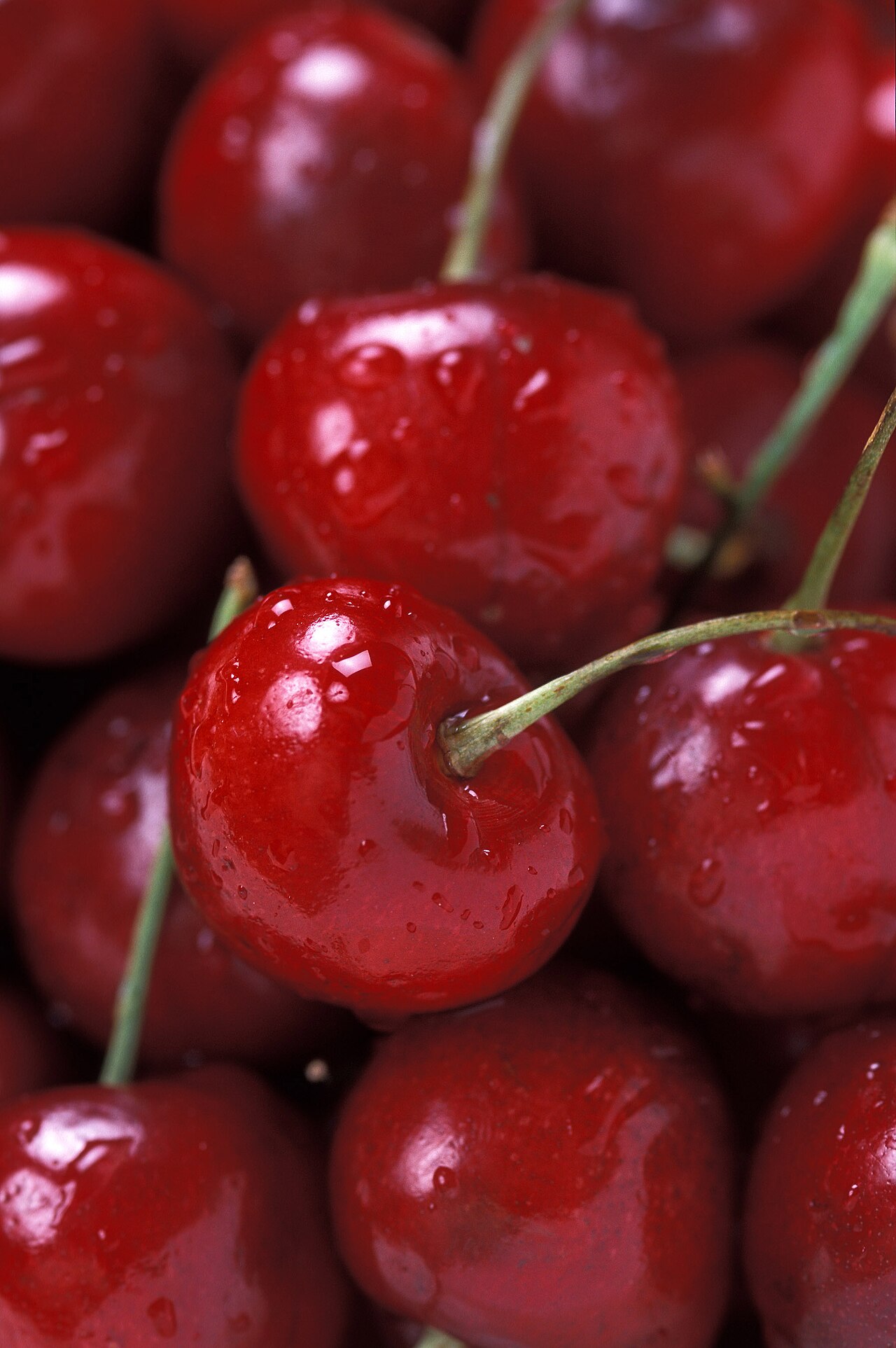
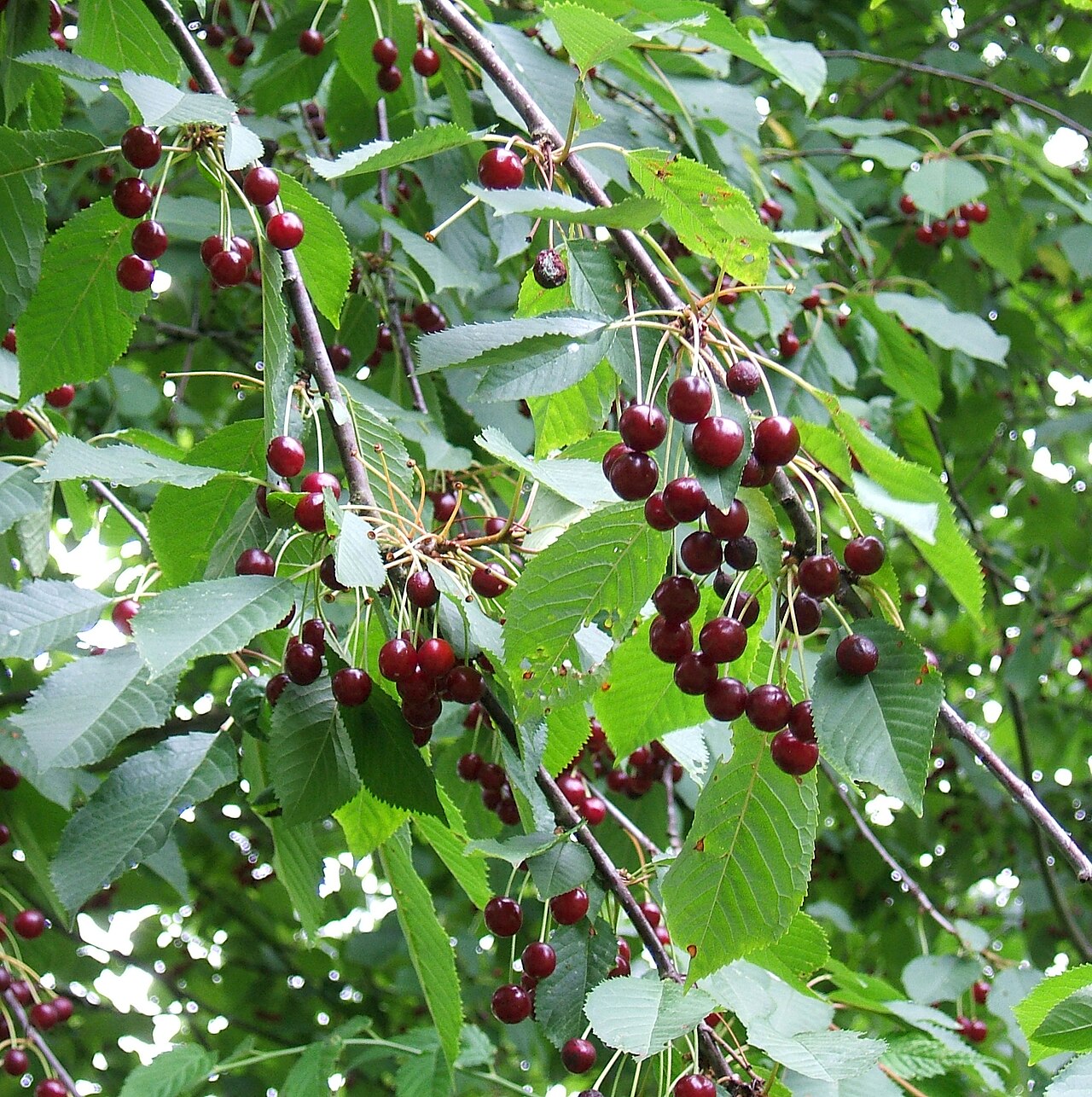
Chickens can eat cherries, both the sweet type (Prunus avium) and the sour or tart type (Prunus cerasus). The flesh is safe, easy to digest, and popular enough that a handful thrown into the run disappears within a minute.
Birds do not need the fruit peeled, chopped, or warmed. Whole pitted cherries work fine for standard breeds, and halving them suits bantams and pullets that have smaller throats. Wash any store bought fruit first to remove pesticide residue.
Are Cherry Pits Toxic to Chickens?

Cherry pits are potentially toxic because the kernel inside the hard stone contains amygdalin, a cyanogenic glycoside. When that kernel is crushed and mixed with digestive enzymes, it releases hydrogen cyanide, which blocks oxygen use at the cellular level.
The hard outer shell is the protection. An intact stone passes through a chicken largely undigested, and the amygdalin never becomes available. Problems arise only when the shell is broken open, which a gizzard packed with sharp grit can occasionally do.
The same chemistry applies across the genus Prunus, so peach stones, plum pits, apricot kernels, and apple seeds all carry the same compound. Our guide to feeding apples to chickens covers the seed question in that fruit.
How Many Cherry Pits Are Toxic to Chickens?
There is no clean published number for chickens, and anyone offering one precisely is guessing. What is documented is that cyanide toxicity in poultry requires roughly 2 to 3 mg of cyanide per kilogram of body weight, and a single cherry kernel yields only a fraction of a milligram even when fully crushed.
For a 5 lb (2.3 kg) hen, that puts the theoretical threshold well above a dozen thoroughly ground kernels eaten at one sitting. A bird that swallows two or three intact pits with the fruit is in no real danger, and most stones appear in the droppings within a day.
The honest summary is that cherry pits are a low probability hazard rather than a poison in the everyday sense. Pit the fruit when you have time, and do not panic when a hen beats you to a whole cherry.
Next question: Can Chickens Eat Bell Peppers? Yes, But Not the Whole Plant
Can Chickens Eat Whole Cherries?

Chickens can eat whole cherries, and in a mixed flock the fruit is usually gone before anyone can intervene. A standard sized hen swallows a cherry the size of a large marble without difficulty, and the crop handles it the same way it handles a whole grape.
Two situations call for cutting the fruit first. Bantams and young pullets have narrower throats and can struggle with large sweet cherries, and birds that bolt food in a crowded run are more likely to choke on anything round.
Halving cherries also lets you pull the pits in the same motion. The same size caution applies to other round fruit, as covered in our guide to feeding grapes to chickens.
Can Chickens Eat Dried, Frozen, or Maraschino Cherries?
Frozen cherries are excellent and arguably the best form to feed. Tossed into the run on a hot afternoon they cool the birds while they eat, and freezing removes nothing nutritionally. No thawing is needed.
Dried cherries are safe but concentrated: drying triples the sugar per bite and many commercial products add more. Two or three pieces per bird is plenty, and unsweetened varieties are the ones to buy.
Maraschino cherries do not belong in the coop. They are soaked in sugar syrup, bleached, then dyed and preserved, leaving a product that is mostly sugar and additives. Skip them entirely.
Can Chickens Eat Cherry Leaves, Stems, and Branches?
Cherry leaves, stems, twigs, and bark carry far more cyanogenic compound than the fruit does, and wilted leaves are the most dangerous part of the whole tree. As foliage wilts, enzymes break down and release cyanide that was previously bound.
This matters most after storm damage or pruning. A branch dropped into the run and left to wilt is the classic poisoning scenario in livestock, and it affects cattle, goats, and horses more often than poultry only because those animals browse foliage deliberately.
Chickens rarely eat much leaf material, but do not test it. Clear fallen cherry branches out of the run and compost them well away from the birds. The Penn State Extension poultry program at extension.psu.edu publishes practical guidance on toxic plants around small flocks.
Health Benefits of Cherries for Chickens
Cherries are about 82 percent water, which makes them a useful hydration treat when temperatures climb past 85 F (29 C) and hens start panting. Water intake, not feed intake, is the binding constraint on laying performance in hot weather.
Nutritionally they deliver vitamin A for immune and respiratory health, vitamin C, potassium, and the anthocyanin pigments that give tart cherries their color. Those pigments are antioxidants, and tart cherries also contain small amounts of melatonin.
None of that replaces a complete layer feed. Treats supply variety and enrichment, and the foraging behavior they encourage is worth as much as the vitamins.
How Many Cherries Can a Chicken Eat and How Often?
Two to three cherries per bird, up to twice a week, is a sensible ceiling for a standard sized hen. Bantams should get one or two. That amount adds flavor and enrichment without displacing the balanced feed that supports egg production.
Sugar is the reason for the limit. Cherries run 12 to 16 grams of sugar per 100 grams, and a flock fed sweet treats daily will eat less layer ration, which shows up first as thinner shells and then as fewer eggs.
Watch the droppings after any new treat. Loose droppings for a day are normal with high moisture fruit, but anything persisting past 48 hours means you fed too much. Scatter cherries across the run rather than dumping them in one pile so the lower ranking hens get a share.
What Is the 90/10 Rule for Feeding Chickens?
The 90/10 rule says that at least 90 percent of a chicken’s daily intake should be complete layer or grower feed, and no more than 10 percent should come from treats, scraps, and forage. It is the simplest guard against nutritional dilution.
For a laying hen eating roughly 4 oz (113 g) of feed per day, 10 percent is about 0.4 oz (11 g), which is close to two medium cherries. Seen that way the treat allowance is much smaller than most keepers assume.
Exceeding it does not cause immediate harm, but sustained over weeks it lowers the calcium and protein density of the total diet. That is the mechanism behind soft shelled eggs in flocks that get generous kitchen scraps. Our overview of what chickens can eat sets out the full treat list against this rule.
Are Any Fruits Toxic to Chickens?
Very few fruits are genuinely toxic to chickens, but the exceptions matter. Avocado is the clear one: the skin and pit contain persin, which causes heart damage and death in poultry, and the flesh carries enough to be risky.
Green or unripe tomatoes, along with tomato leaves and stems, contain solanine and should be avoided, though ripe tomatoes are fine. Rhubarb leaves are off limits for their oxalic acid, and heavily molded fruit of any kind can carry mycotoxins that do more damage than the fruit itself ever would.
Citrus is debated rather than dangerous. Most flocks simply refuse it. See our detailed pages on avocado, tomatoes, and strawberries for the specifics on each.
Frequently Asked Questions
Can chickens eat cherries with the pits in?
Usually without harm. An intact pit passes through the digestive tract whole, and the cyanide producing amygdalin stays sealed inside the hard shell. Remove pits when you have time, especially for bantams, but a hen that swallows one or two whole stones does not need treatment or worry.
Are any fruits toxic to chickens?
Avocado is the main one, since persin in the skin, pit, and flesh damages the heart muscle in poultry. Green tomatoes, tomato leaves, and rhubarb leaves should also be avoided. Moldy fruit of any type is a real hazard because of mycotoxins, regardless of which fruit it started as.
Can chickens eat cherry tomatoes?
Yes, ripe cherry tomatoes are safe and popular, despite sharing a name with the fruit. Only the ripe fruit qualifies: green tomatoes, leaves, and stems contain solanine and should be kept out of the run. Halve them for bantams to avoid choking on the round shape.
What is the most common killer of chickens?
Predators, by a wide margin in backyard flocks, with raccoons, hawks, foxes, and loose dogs leading the list. Among diseases, coccidiosis in young birds and reproductive disorders in older hens are the usual causes. Diet related deaths are rare, and treats such as cherries almost never feature.
Can chickens eat dried cherries?
Yes, but in small amounts. Drying removes the water and leaves roughly three times the sugar per bite, and many packaged dried cherries add more on top. Two or three pieces per bird is the sensible limit, and unsweetened varieties are the ones to buy. Fresh or frozen fruit is the better everyday treat.
Can chickens eat frozen cherries?
Yes, and frozen is arguably the best form to offer in summer. Serve them straight from the freezer on hot days as a cooling treat, or thaw them if you prefer. Choose plain frozen fruit with no added sugar or syrup, and keep to the usual two or three per bird.
Explore more: What Can Chickens Eat? The Complete Safe Foods List