Hamster Poop: What Healthy Droppings Look Like
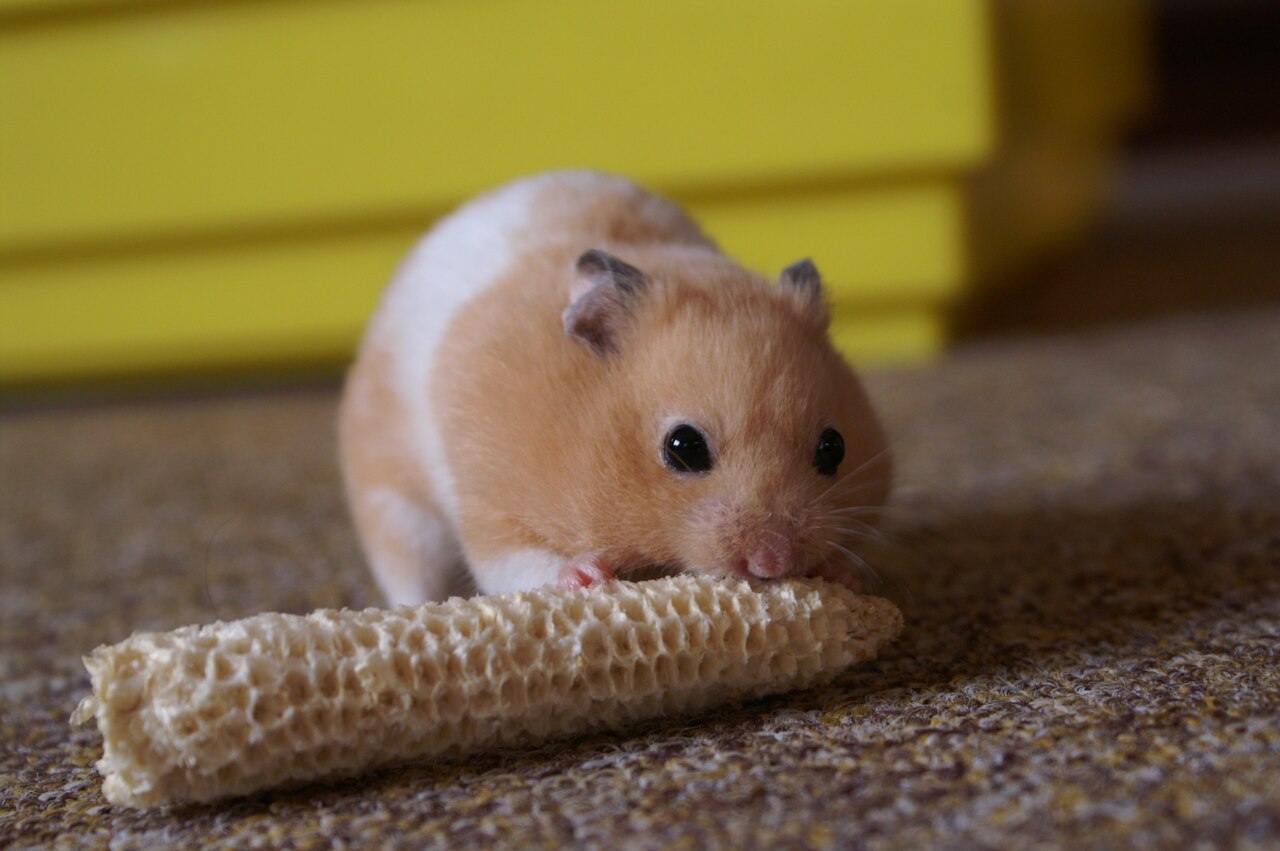
Hamster poop is a small dark pellet about a quarter inch long, oval or slightly elongated, firm enough to hold its shape and to be swept up without smearing. A healthy hamster produces a great many of them, often 50 to 100 or more a day, and finds a preferred corner of the cage to use as a latrine. Colour ranges from dark brown to nearly black depending on diet, and fresh droppings are firm and only slightly moist.
For a hamster owner, droppings are the most useful daily health indicator available, because hamsters hide illness until they are seriously unwell and a change in droppings often shows up first. Soft, wet, or absent droppings are the two situations that matter, and one of them is a genuine emergency. This guide covers what normal hamster poop looks like, what changes mean, why hamsters use a latrine corner, the health risks to people, and how to keep a cage clean without disrupting the animal.
Hamster poop is a firm dark pellet about a quarter inch long, and a healthy hamster produces 50 to 100 or more per day, usually in one chosen corner of the cage. Soft or watery droppings suggest wet tail or dietary upset and need veterinary attention quickly. A hamster producing no droppings is a medical emergency.
| Feature | Hamster Poop |
|---|---|
| Size | About 0.25 in, smaller in dwarf species |
| Shape | Oval to slightly elongated, blunt ends |
| Colour | Dark brown to black |
| Texture | Firm, holds shape, does not smear |
| Amount per day | 50 to 100 or more |
| Warning sign | Soft, wet, or absent droppings |
| Health risk to people | Low; Salmonella and LCMV possible |
What Does Healthy Hamster Poop Look Like?
Healthy hamster poop is a firm, dry, dark pellet roughly a quarter inch long in Syrian hamsters and noticeably smaller in dwarf species such as Roborovskis and Campbell’s. It should hold its shape when picked up with a tissue, should not smear or stick to bedding, and should have no strong odour. A slight sheen when fresh is normal; a wet or glistening surface is not.
Colour is largely a function of diet. A hamster on a seed and pellet mix produces dark brown to black droppings, and adding leafy greens, carrot, or coloured treats can shift the shade noticeably. A sudden colour change without a diet change is worth noting, and any red or black tarry appearance suggesting blood warrants a veterinary visit.
Volume is high and that is normal. Hamsters have a fast digestive transit and eat frequently, and 50 to 100 droppings a day is typical for a Syrian, with dwarf species producing more but smaller ones. Owners new to hamsters are often startled by the quantity in a fresh cage after a single night, but a heavily used latrine corner is a sign of a healthy, well-fed animal rather than a problem.
What Do Soft or Wet Hamster Droppings Mean?
Soft or watery droppings are the single most important warning sign in hamster keeping, because they are the primary symptom of wet tail, a severe diarrhoeal disease that can kill a hamster within 24 to 48 hours. Wet tail is most common in young Syrian hamsters, particularly in the weeks after they come home from a pet store, and stress is the main trigger.
The signs beyond the droppings are a wet, matted area around the tail and hindquarters, a hunched posture, lethargy, loss of appetite, and a strong unpleasant smell. A hamster showing these needs a veterinarian the same day, not the next morning. Treatment involves antibiotics and fluids, and even with prompt care survival is not guaranteed. Over-the-counter pet store remedies are not a substitute.
Milder softening has other causes. Too much fresh vegetable, particularly lettuce, cucumber, or fruit, produces loose droppings in an animal adapted to a dry desert diet, and the fix is to withdraw fresh food for a day or two and offer plain dry pellets and clean water. Sudden diet changes and new bedding can also upset digestion. If softening persists beyond a day or is accompanied by any other symptom, treat it as wet tail until a vet says otherwise.
What If a Hamster Stops Producing Droppings?
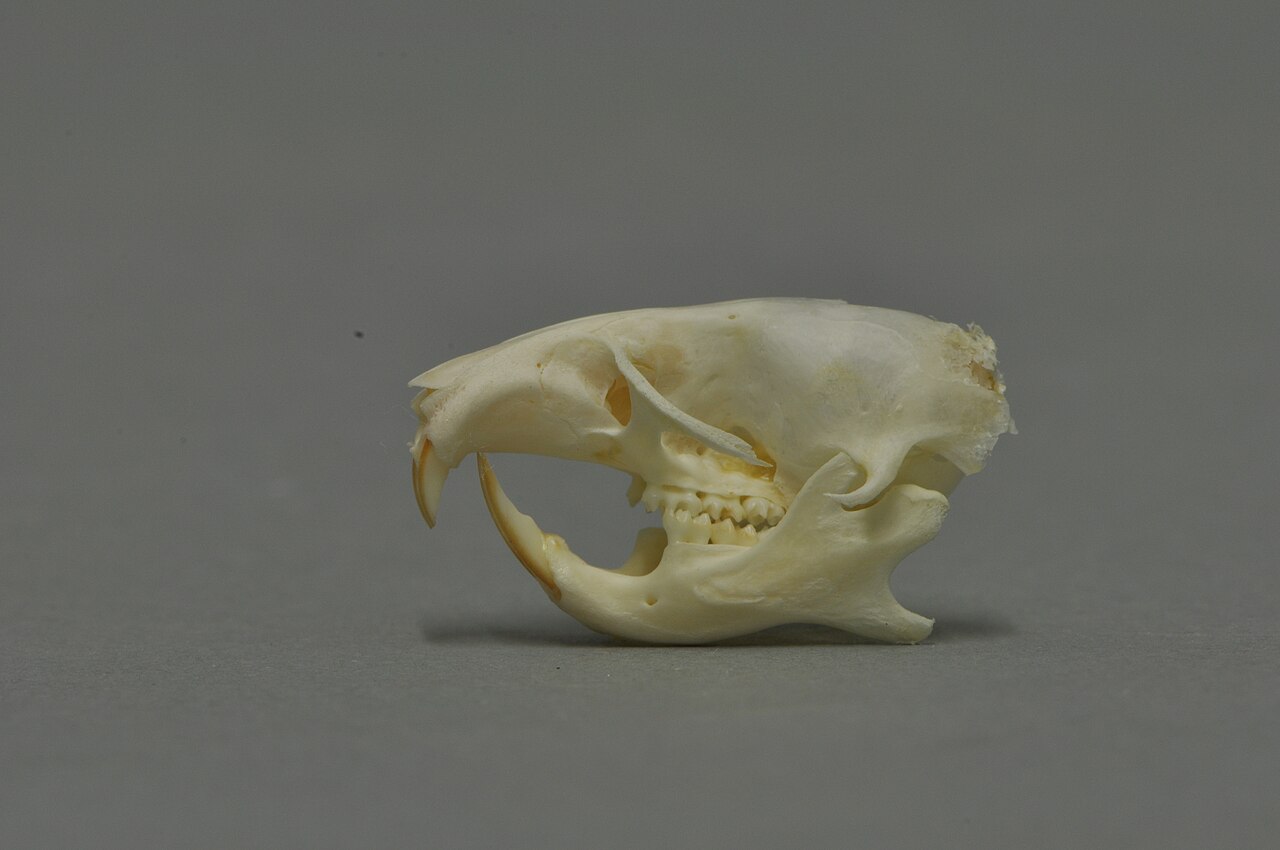
A hamster producing no droppings at all is a medical emergency. Gastrointestinal stasis, in which the gut slows or stops moving, is rapidly fatal in small mammals, and an absence of droppings in the latrine corner overnight means something is seriously wrong. Causes include intestinal blockage, dehydration, dental problems preventing eating, and severe stress or pain.
Check first that the animal is actually not producing rather than depositing elsewhere; a hamster that has changed latrine corners or is hoarding in a new spot can look like it has stopped. Look through the whole cage and the nest before concluding. If the cage genuinely contains no fresh droppings and the food supply is untouched, contact an exotics-experienced veterinarian immediately.
Blockages are more common than owners expect, and the usual culprits are bedding materials the hamster cannot digest. Fluffy cotton wool style nesting material is the most notorious: it can be swallowed, and it can also wrap around limbs. Paper-based bedding, plain toilet tissue, and hay are safe alternatives. Corn cob bedding and scented shavings also cause problems in some animals.
Why Do Hamsters Poop in One Corner?
Hamsters naturally establish a latrine corner, choosing one spot in the enclosure for droppings and urine and keeping the rest, particularly the nest and food store, clean. This is wild burrow behaviour: a hamster in a natural burrow system maintains separate chambers for sleeping, food storage, and waste, and the caged animal reproduces the arrangement as closely as the space allows.
The behaviour is enormously useful for keepers. A corner litter tray filled with chinchilla sand, placed in the corner the hamster has already chosen, will usually be adopted immediately, and it can then be emptied every few days without disturbing anything else. This dramatically reduces the need for full cage cleans, which are stressful for the animal.
Do not use clumping cat litter or dusty litters. Chinchilla sand, not chinchilla dust, is the standard recommendation, and it also serves the animal’s need to sand bathe, which is how hamsters clean their coats. Hamsters should never be bathed in water, which strips the coat oils and causes serious chilling. The guinea pig guide covers a small pet with quite different housing needs for comparison.
Do Hamsters Eat Their Own Droppings?
Yes, and this is normal and necessary rather than a sign of anything wrong. Hamsters practise coprophagy, re-ingesting certain droppings directly from the anus to extract nutrients that were not absorbed the first time through. Bacterial fermentation in the caecum produces B vitamins and vitamin K and breaks down plant fibre, and the only way to access those nutrients is to pass the material through the gut a second time.
The droppings being re-ingested are softer and different from the firm pellets left in the latrine corner, and they are usually taken directly so an owner rarely sees them. This is the same system rabbits use, where the soft droppings are called cecotropes, and preventing it causes malnutrition. A hamster seen curling to reach its rear is almost always doing this, not injured.
The practical implication is that owners should never try to stop the behaviour or clean so thoroughly that no droppings are ever available. A hamster on a poor diet may eat more of the firm droppings as well, which can indicate insufficient nutrition, so a hamster consuming large quantities from the latrine corner is worth reviewing the diet for.
Is Hamster Poop Dangerous to Humans?
The risk from hamster droppings is low but not zero. Hamsters can carry Salmonella, and pet rodent-linked Salmonella outbreaks are documented by the Centers for Disease Control and Prevention (cdc.gov), which advises washing hands thoroughly after handling rodents, their bedding, or their enclosures, and keeping cages out of kitchens and away from food preparation areas.
Lymphocytic choriomeningitis virus is the other concern. LCMV is carried by house mice and can be transmitted to pet rodents including hamsters, and it is spread through urine, droppings, saliva, and nesting material. Most human infections are mild or asymptomatic, but LCMV is dangerous in pregnancy because it can cause serious birth defects. Pregnant women are advised to avoid handling rodents and their cages, or to have someone else do the cleaning.
Children under five are the group most likely to acquire an infection, because hand to mouth contact is the transmission route. Supervising handwashing after handling, keeping the cage out of bedrooms and food areas, and not allowing the animal on kitchen surfaces cover almost all the practical risk. Compared with wild mouse droppings and their hantavirus risk, a healthy pet hamster is a very minor concern.
How Often Should You Clean a Hamster Cage?
Spot clean the latrine corner every one to three days and do a full bedding change every two to four weeks, not weekly as older guidance often suggested. The shift in advice reflects a better understanding of hamster stress: frequent full cleans remove the scent marks the animal depends on and are a significant stressor for a solitary, territorial species.
Spot cleaning does most of the work. Removing the soiled latrine corner and any stored fresh food that has begun to spoil keeps ammonia levels down without disturbing the nest or the scent map. Hoarded dry food should be left alone; hamsters are hoarders by nature and removing a food store causes real distress, often followed by frantic re-hoarding.
Deep clean the enclosure itself, bars, base, wheel, and accessories, with warm water and a pet-safe disinfectant on the same schedule as the full bedding change. Never use bleach or strong household cleaners on anything the hamster contacts. Adequate cage size does more for cleanliness than frequent cleaning: the widely recommended minimum is 100 by 50 centimetres of unbroken floor space for a Syrian, which is considerably larger than most cages sold in pet shops.
How Does Hamster Poop Compare With Other Small Pets?
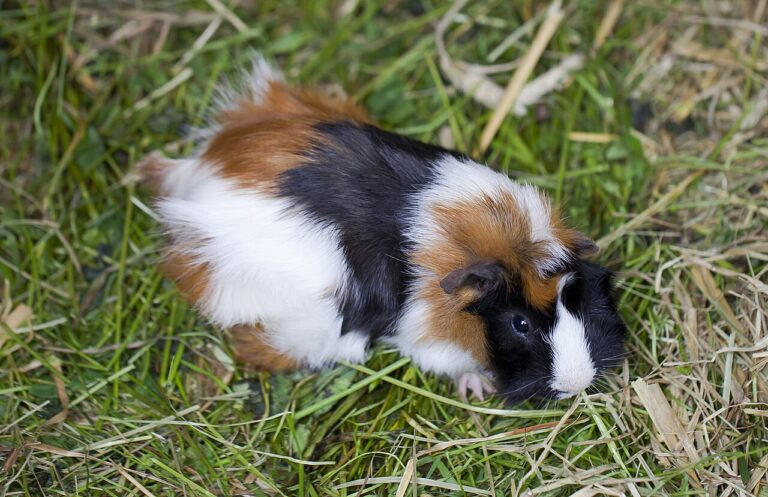
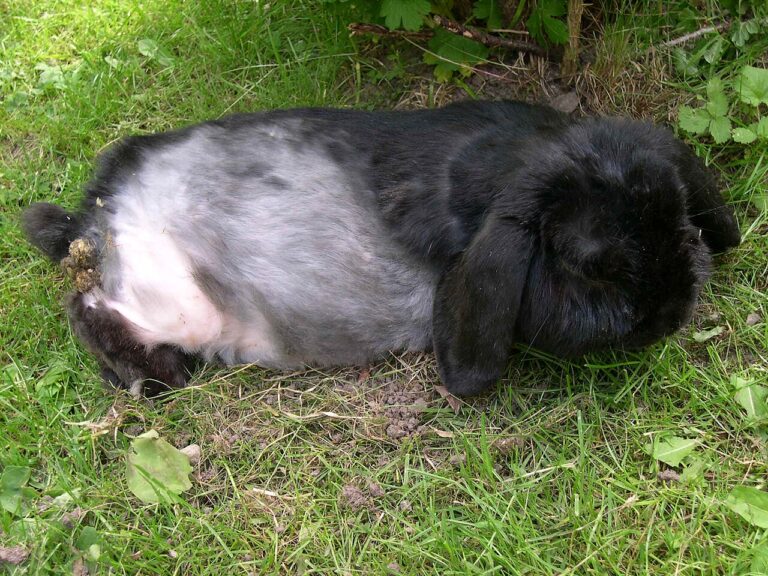
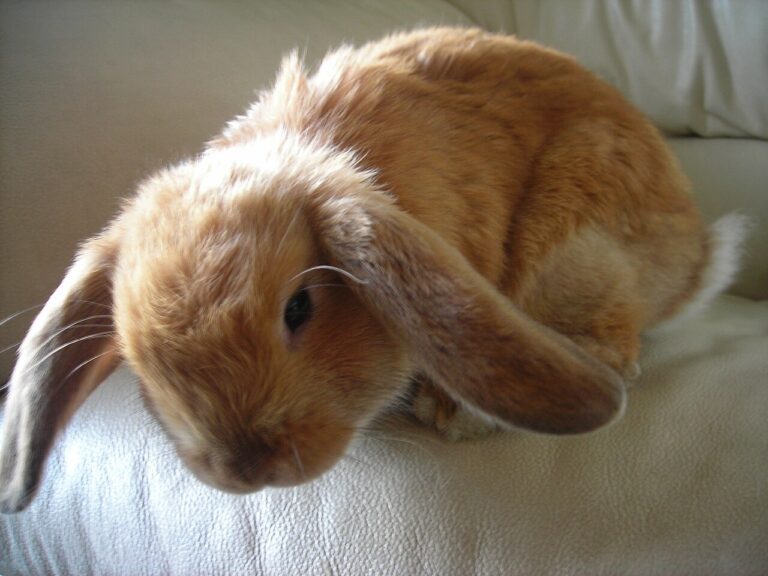
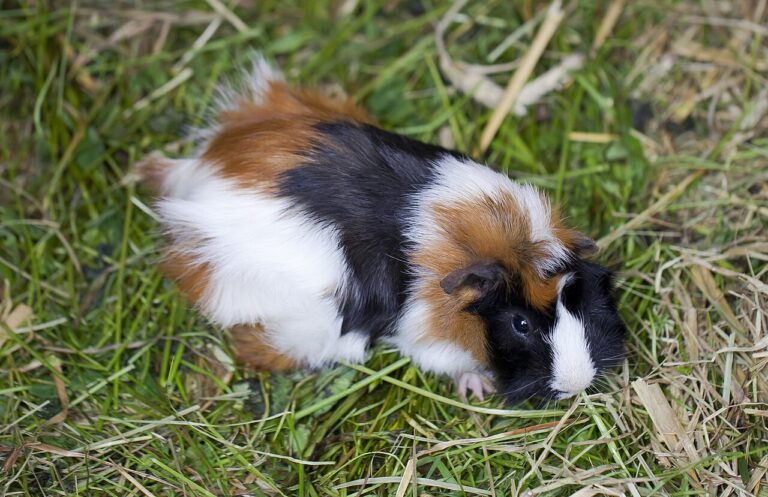
Hamster droppings sit at the small end of the pet rodent range. Guinea pig droppings, covered in the guinea pig care guides, are larger at roughly half an inch and more oval, and guinea pigs produce them almost continuously as hindgut fermenters on a hay-based diet. Rabbit droppings are round and larger still, and rabbits produce enormous quantities of them, along with the soft cecotropes they re-ingest.
Rat and mouse droppings differ mainly in shape. Pet mouse droppings are similar in size to a hamster’s but more pointed at the ends, and rat droppings are considerably larger at half an inch or more with blunt or slightly tapered ends. Gerbil droppings are similar to a hamster’s but drier still, reflecting an even more extreme desert adaptation and the very low water intake gerbils need.
The species differences matter when identifying an unknown dropping found loose in a house. A pellet the size of a hamster’s with pointed ends found in a kitchen cabinet is a wild mouse, not an escaped pet, and it needs the full rodent cleanup protocol rather than a tissue. The squirrel poop vs mouse poop comparison covers the wild rodent identifications people most often need.
Related reading: Teddy Bear Hamster.
Frequently Asked Questions
What does healthy hamster poop look like?
A firm, dry, dark pellet about a quarter inch long that holds its shape and does not smear. It should have no strong odour. Dwarf species produce smaller pellets than Syrians.
How many times does a hamster poop a day?
A great many. A healthy Syrian typically produces 50 to 100 or more droppings a day, and dwarf species produce more but smaller ones. High volume is normal and reflects a fast digestive transit.
What do soft or wet hamster droppings mean?
Most seriously, wet tail, a severe diarrhoeal disease that can kill within 24 to 48 hours and needs same-day veterinary care. Milder softening often follows too much fresh vegetable or a sudden diet change.
What if my hamster is not pooping?
That is an emergency. Gastrointestinal stasis is rapidly fatal in small mammals, and blockages from indigestible bedding such as fluffy cotton nesting material are a common cause. Contact an exotics vet immediately.
Why does my hamster poop in one corner?
Because wild hamsters keep separate burrow chambers for sleeping, food, and waste. A corner litter tray with chinchilla sand placed in the chosen corner is usually adopted at once and makes cleaning far easier.
Do hamsters eat their own poop?
Yes, and it is necessary. Re-ingesting certain droppings allows them to absorb B vitamins and vitamin K produced by fermentation in the caecum. Preventing it causes malnutrition.
Is hamster poop dangerous to humans?
The risk is low. Hamsters can carry Salmonella and, rarely, LCMV, which is dangerous in pregnancy. Wash hands after handling, keep cages away from food areas, and have someone else clean the cage if pregnant.