Baby Wolf: Pups or Cubs? Growth, Size by Age & Pack Life
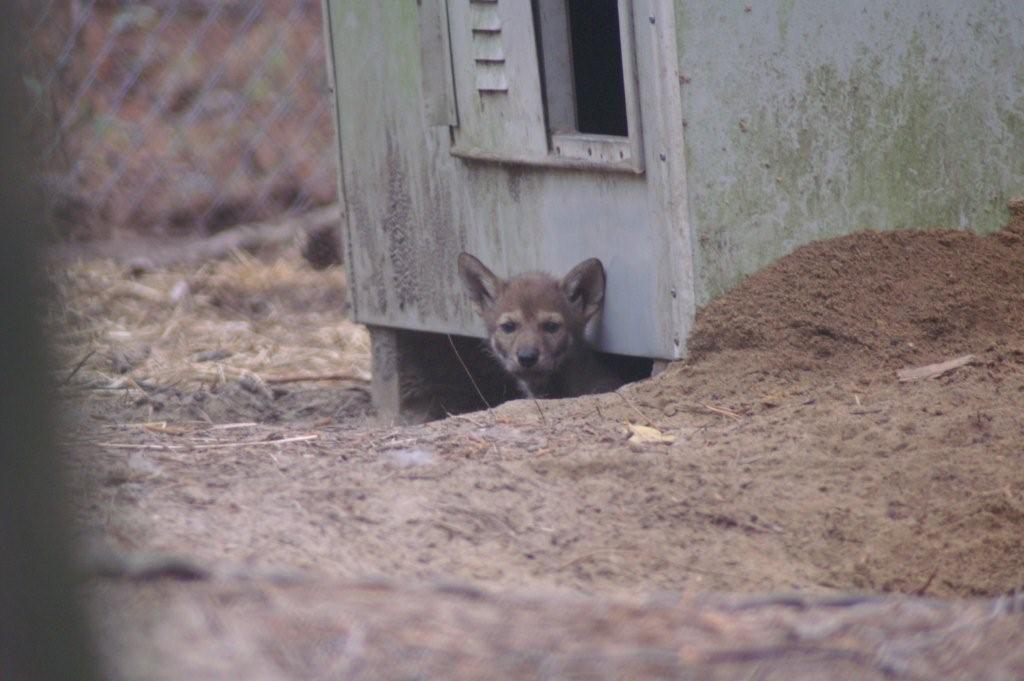
A baby wolf is called a pup, not a cub, and it is born blind, deaf, toothless, and completely dependent on its mother and pack for survival. Weighing about one pound at birth with dark, uniform fur, a wolf pup spends its first two weeks doing little more than nursing and sleeping inside a den that its mother either dug herself or borrowed from another animal.
From that helpless start, growth is remarkably fast: within about a year a wolf pup reaches adult size, and the entire pack, not just its mother, pitches in to feed and protect it along the way.
| Quick Reference | Detail |
|---|---|
| Name | Pup (not cub) |
| Birth Weight | About 1 pound |
| Litter Size | 4 to 6 pups on average |
| Eyes Open | 11 to 15 days, initially blue |
| Weaning Age | 6 to 8 weeks |
| Joins Hunts | Around 6 to 8 months old |
| Adult Size Reached | About 1 year; sexual maturity around 22 months |
A baby wolf is called a pup, not a cub. Pups are born blind, deaf and toothless at about one pound, open their eyes around day 12, and leave the den at roughly eight weeks. By their first birthday a yearling can weigh 70 to 90 pounds.
What Is a Baby Wolf Called?
A baby wolf is properly called a pup, the same term used for baby dogs, rather than a cub, which is reserved for young bears, lions, and tigers. A group of pups born together is called a litter, and the sheltered space where they are born and spend their first weeks is called a den, which the mother wolf either digs herself or repurposes from an abandoned burrow left by another animal such as a fox or bear.
Wolf pups belong to either gray wolves (Canis lupus) or the more endangered red wolf (Canis rufus), and terminology stays consistent across both species. There is no special name for a male wolf, though a female wolf is sometimes called a she-wolf, and the breeding pair at the head of a pack is typically referred to as the alpha male and alpha female.
How Big Is a Newborn Wolf Pup?
At birth, a wolf pup weighs only about one pound, roughly the size of a human hand and not far off the birth weight of a baby rabbit, and is born blind, deaf, and without functional teeth. Its fur is short, soft, and a uniform dark color that gives no hint of the coloring it will develop as an adult.
Growth from that point is extremely fast. Male pups tend to gain slightly more weight per week than female pups during the early growth phase, and by six months of age a pup can already weigh more than half of its expected adult weight, a pace of growth that reflects just how much nutrition the whole pack channels toward the newest generation.
Wolf Pup Development Week by Week
The first two weeks are dominated by sleeping and nursing, since a newborn pup cannot see, hear, or move much beyond crawling toward its mother. Around 11 to 15 days old, the eyes open for the first time, showing a striking blue color that will not shift to the adult golden or amber shade until the pup is roughly eight to sixteen weeks old, and hearing develops on a similar timeline shortly after the eyes open.
By around three weeks, pups can stand and walk on their own, cut their first small teeth, and start venturing just outside the den entrance to explore and play under close supervision. Weaning from mother’s milk begins around six weeks and is typically complete by eight weeks, the same age at which pups start visiting rendezvous sites, open gathering spots outside the den where the whole pack meets to rest and play together.
By six months, pups begin accompanying adults on actual hunts, and by around a year old they have reached full adult size, though most wolves do not reach sexual maturity until roughly 22 months of age.
What Do Baby Wolves Eat?
For the first month of life, a wolf pup depends entirely on its mother’s milk, which supplies all the nutrition needed to fuel its rapid early growth. Around four weeks old, pups begin the transition to meat, though not in the way most people would expect.
Rather than bringing back whole prey right away, adult pack members eat at a kill site and then return to the den, where pups lick at the corners of the adult’s mouth to trigger regurgitation of partially digested meat, a behavior that lets very young pups access nutrient-dense food long before they are physically capable of hunting or even chewing tough raw meat themselves.
As pups grow and their teeth develop further, they gradually transition to eating small pieces of meat directly, and weaning from milk is generally complete by around eight weeks of age.
Life Inside the Den and Pack
For the first several weeks after birth, the mother wolf rarely leaves the den, staying close by around the clock to nurse, warm, and protect her vulnerable pups from predators such as bears and golden eagles, the same predators that threaten many other newborn mammals, from a baby fox to a baby deer hidden in tall grass. This intense early investment is only possible because the rest of the pack pitches in, bringing food back for the nursing mother so she does not have to leave her pups to hunt for herself.
Once pups are mobile, the entire pack, not just the parents, shares responsibility for feeding and looking after them, a cooperative structure that varies in size and complexity depending on food availability and habitat quality. Some packs are simple nuclear families of two parents and their pups, while others in resource-rich areas can include extended family members such as aunts, uncles, and older siblings from previous litters.
Typically only the alpha pair in a pack breeds in a given year, a natural mechanism that helps keep pack size manageable relative to the available territory and prey.
How Wolf Pups Learn to Howl and Play
Wolf pups begin experimenting with vocalizations remarkably early, progressing from simple whines and whimpers in the first couple of weeks to growls and their first squeaky, high-pitched attempts at howling within about a month. These early efforts are more practice than communication, gradually strengthening the vocal cords and coordination needed for the full adult howl used later in life to communicate across long distances and reinforce pack bonds.
Play is just as important to development as vocal practice. Littermates chase, pounce, and wrestle with each other constantly once mobile, behavior that looks like simple fun but actually helps establish each pup’s early rank within the litter’s social hierarchy and builds the coordination pups will eventually need for cooperative hunting. Tug-of-war style games over sticks, bones, or bits of hide are especially common, and biologists studying captive and wild litters alike have noted that the pups who win these small contests most often tend to carry that early confidence into more assertive roles within the pack later on.
Baby Wolf vs. Baby Dog: How They Differ
Wolf pups and domestic dog puppies look similar at a glance, both being born helpless with closed eyes, but their developmental timelines and instincts diverge quickly. Wolf pups tend to reach key motor milestones, like walking and exploring outside the den, somewhat faster than many dog breeds, a difference tied to the greater urgency of survival in the wild compared to a protected home environment.
Behaviorally, wolf pups also retain a stronger set of wild instincts from a young age, including heightened wariness of unfamiliar sounds and a natural inclination toward pack structure and hierarchy that shows up in play far earlier than it would in a typical litter of dog puppies. For a broader look at how wolves compare to their wild relatives, the differences between wolves and coyotes highlight just how much variation exists even within the wider wild dog family.
Threats and Survival Challenges for Wolf Pups
Even with constant pack protection, wolf pups face real dangers in their first months of life, including predation by bears and large birds of prey such as golden eagles, particularly during the vulnerable weeks before pups are mobile enough to flee danger on their own, a risk shared by many young mammals, including a wandering baby raccoon caught away from cover. Disease, food scarcity during lean years, and encounters with rival wolf packs defending their own territory add further risk during a pup’s first year.
Conservation efforts overseen by agencies such as the U.S. Fish and Wildlife Service have played a major role in stabilizing and reintroducing wolf populations in parts of the United States where they had been eliminated, most famously through the wolf reintroduction program in Yellowstone National Park. Successfully raising a litter to adulthood remains a demanding, resource-intensive process for any pack, which is part of why cooperative care from the entire group, not just the parents, matters so much to a pup’s odds of survival. Wildlife biologists tracking reintroduced packs have found that pups from larger, well-established packs with more helpers tend to show noticeably higher survival rates through their first winter than pups from small, newly formed packs still working out their own territory and hunting routines.
Wolf Pup Size by Age Chart
People often ask whether baby wolves are pups or cubs. Wolves have pups; cubs belong to bears and big cats. Here is roughly how a gray wolf pup grows, though exact weights vary by subspecies, litter size, and food supply:
| Age | Typical Weight | Milestones |
|---|---|---|
| Newborn | About 1 pound | Blind, deaf, fully dependent |
| 2 weeks | 3 to 4 pounds | Eyes open, still in the den |
| 1 month | 5 to 7 pounds | First trips outside the den |
| 2 months | 15 to 20 pounds | Weaned, moved to rendezvous site |
| 3 months | 22 to 30 pounds | Traveling short distances with the pack |
| 6 months | 50 to 60 pounds | Nearly adult height, joins hunts |
| 1 year | 70 to 90 pounds | Close to adult weight, especially males |
By their first winter, pups are hard to tell from adults at a distance, which is why sightings of “small wolves” in fall are usually pups born that spring.
What Is a Female Wolf Called?
A female wolf is simply called a female wolf, or a she-wolf in older and literary usage. There is no separate technical term the way there is for pup, and the word bitch, borrowed from domestic dogs, is used in some breeding and veterinary contexts but is uncommon in wildlife biology.
The term that does carry meaning is the breeding female. In a wild pack, which is usually a family group rather than a ranked hierarchy, one female produces the litter and the rest of the pack are her offspring from previous years. Older writing calls her the alpha female, a label the researcher who popularized it later argued against, because it implies a dominance contest that does not describe how wild packs actually form.
She is central to pup survival, choosing the den site, staying with the litter for the first weeks while others hunt, and later leading the move to the rendezvous site. The US Fish and Wildlife Service gray wolf profile covers pack structure and breeding biology.
Frequently Asked Questions
What is a baby wolf called?
A baby wolf is called a pup, the same term used for a baby dog, rather than a cub, which refers to young bears or big cats.
How much does a wolf pup weigh at birth?
A newborn wolf pup weighs about one pound and is born blind, deaf, and without functional teeth.
When do wolf pups open their eyes?
Wolf pups’ eyes typically open between 11 and 15 days old, starting out blue before gradually shifting to the adult golden or amber color by around eight to sixteen weeks.
What do wolf pups eat before they can hunt?
They nurse on their mother’s milk for the first month, then transition to regurgitated meat brought back by adult pack members before eventually eating small pieces of meat directly as they grow.
How many pups are in a wolf litter?
A typical wolf litter contains between four and six pups, though litter size can vary depending on the health of the mother and the availability of food.
When do wolf pups start hunting with the pack?
Pups usually begin accompanying adults on hunts around six to eight months of age, though they are not fully independent, skilled hunters until closer to a year old.
Are wolf pups raised only by their mother?
No, the entire pack helps raise wolf pups, bringing food to the nursing mother and later to the pups themselves, and helping protect and teach them as they grow.