Are Coyotes Nocturnal? No, and Here Is When They Actually Hunt
Coyotes are not truly nocturnal. They are crepuscular, most active in the hours around dawn and dusk, and they will hunt at any point in the 24 hour cycle when it suits them. What looks like strict night activity in most American neighborhoods is a learned response to people, not a fixed biological schedule.
The distinction has practical consequences. If coyotes were obligate night animals, a daytime sighting would signal something wrong. Because they are flexible, a coyote crossing a park at 2 p.m. is usually just a coyote. Here is what the activity data actually shows, why urban animals flip to the night shift, and when a daytime sighting is worth a second look.
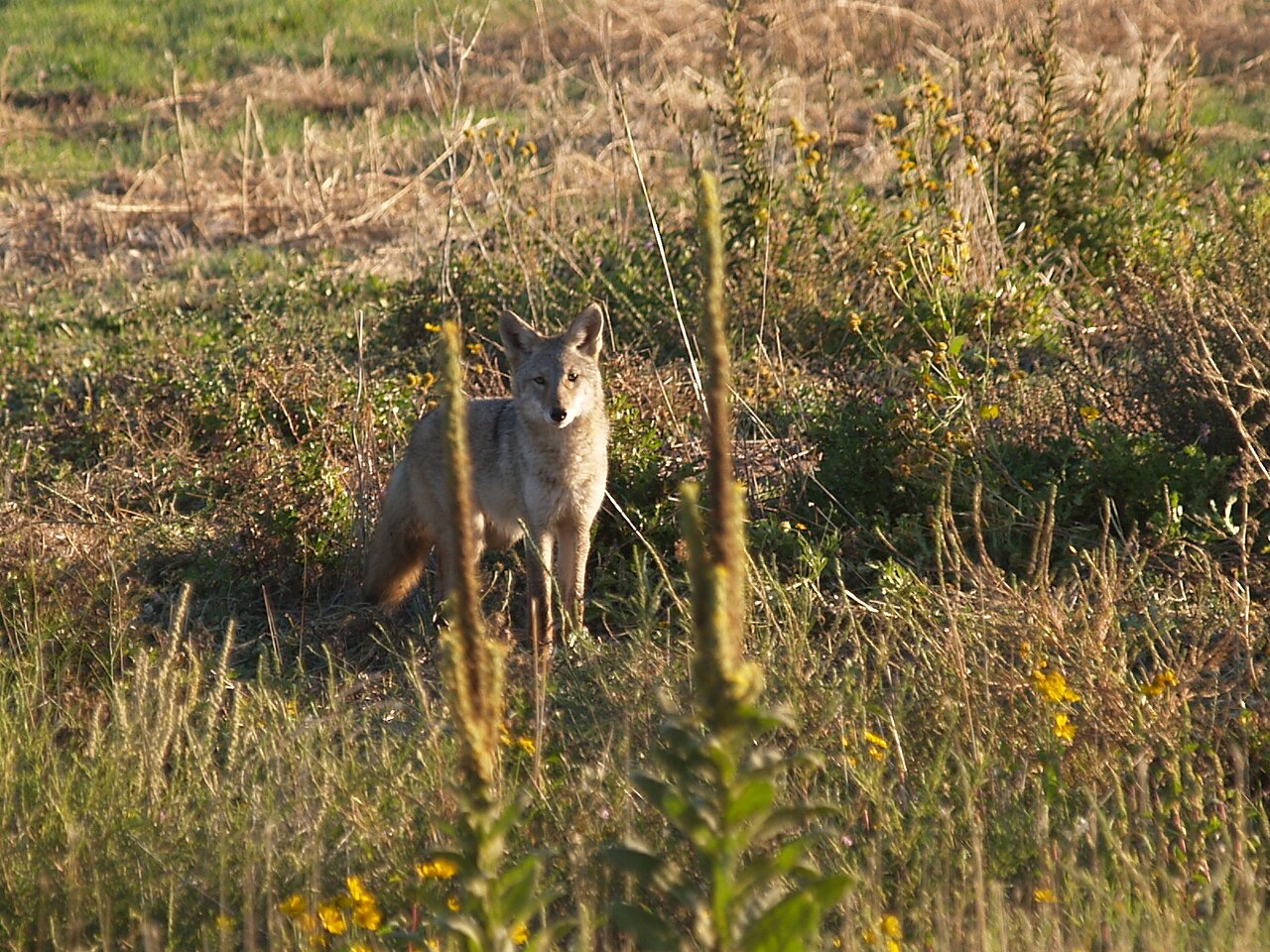
Coyotes are crepuscular rather than nocturnal, peaking at dawn and dusk. In rural areas they are frequently active in daylight. Urban coyotes shift almost entirely to night activity to avoid humans, a behavioral adjustment rather than a biological requirement. A daytime coyote is normal, not automatically a sign of rabies.
| Setting | Peak activity | Daytime sightings |
|---|---|---|
| Rural, low hunting pressure | Dawn and dusk, plus midday | Common and normal |
| Rural, heavy hunting pressure | Night | Uncommon |
| Suburban | Dusk to dawn | Occasional, often pup season |
| Urban core | Almost entirely night | Rare |
| Denning season (April to July) | Extended, including daylight | Increases sharply |
Are Coyotes Nocturnal or Crepuscular?
Coyotes (Canis latrans) are crepuscular by default. Radio collar and camera trap studies consistently show two activity peaks, one in the hour before and after sunrise and a larger one from sunset through the first part of the night. Between those peaks activity drops but never stops, and rural coyotes in undisturbed country often move in full daylight.
The species has no anatomical commitment to darkness. Coyote eyes have a tapetum lucidum and good low light performance, but so do domestic dogs, and neither is a true night specialist the way an owl is. Compared with strict night hunters on our list of nocturnal animals, the coyote is a generalist that adjusts to whatever schedule leaves it alone.
That flexibility is why the coyote expanded from the western plains to all 49 mainland states and into every major city in the process. An animal locked into one activity window could not have done it.
Why Urban Coyotes Shift to the Night
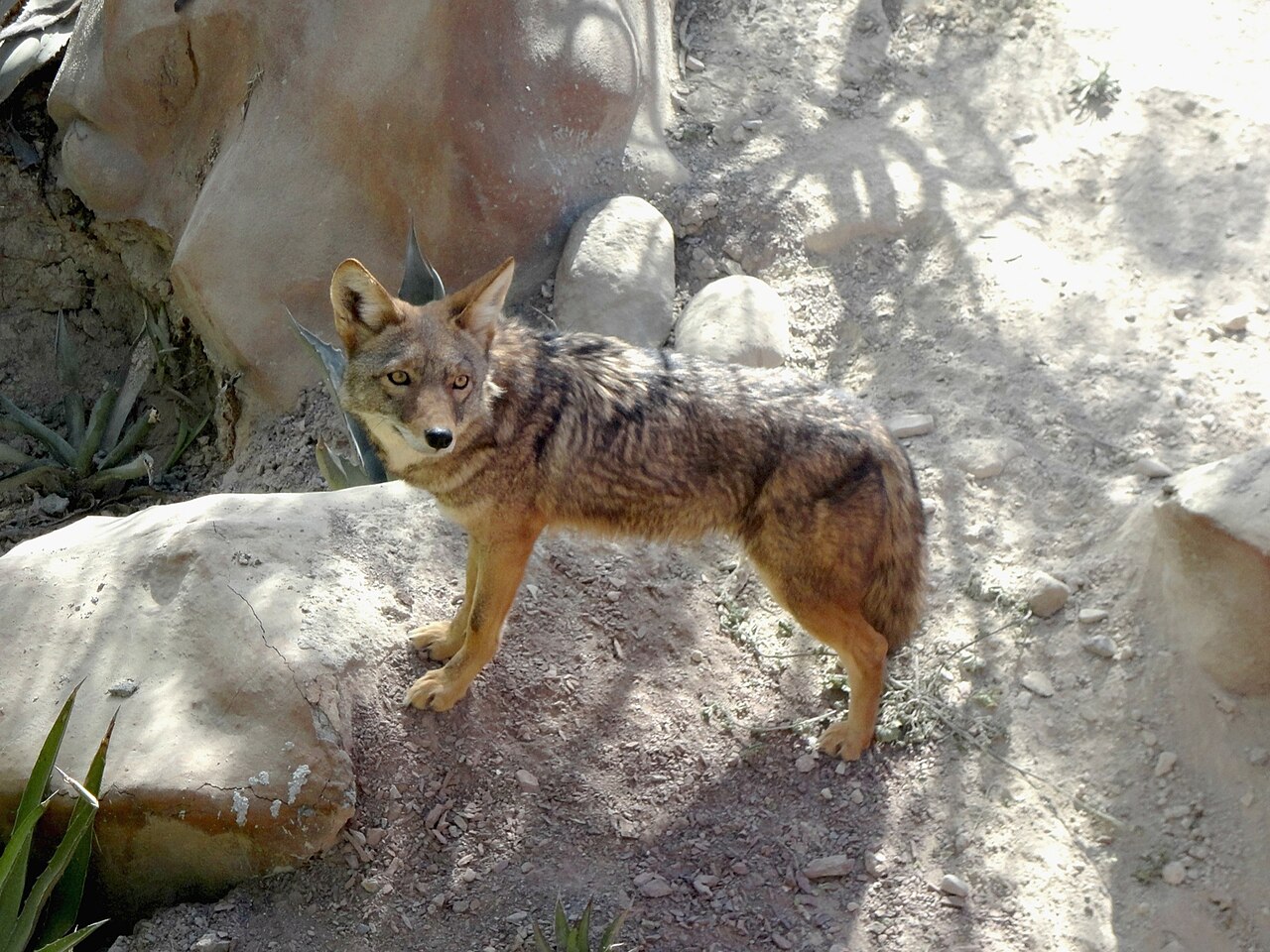
Urban coyotes become functionally nocturnal because humans are the dominant risk in their environment. Long running research on the Chicago coyote population found that animals in the metropolitan area concentrated nearly all movement between sunset and sunrise, while coyotes in surrounding rural counties kept normal crepuscular patterns.
The shift is learned rather than inherited. Pups raised in a city adopt the local schedule, and animals moving in from outside adjust within weeks. Food does not drive it. Urban coyotes still eat mostly rodents, rabbits, and fruit, prey that is available around the clock, so the timing tracks human traffic instead.
Red foxes do the same thing in the same places, which is why both species seem to appear only after midnight in built up areas. Our guide to whether foxes are nocturnal covers that parallel in detail.
What Does It Mean If You See a Coyote in the Daytime?
A coyote in daylight is usually behaving normally. In spring and early summer, adults with pups in the den hunt far more hours to meet the food demand, and daytime sightings rise every year from April through July for exactly that reason. Young dispersing coyotes in autumn also move at odd hours because they are crossing unfamiliar ground.
Rabies is the assumption people reach for and it is rarely the answer. The Cornell Wildlife Health Lab and state wildlife agencies note that rabid canids show specific signs: disorientation, stumbling, partial paralysis, aggression without provocation, and no fear response at all. The Cornell Wildlife Health Lab maintains species accounts covering these presentations.
What does warrant attention is habituation. A coyote that walks toward people, lingers in a yard, or follows a person with a dog has learned that humans supply food. The response is hazing: shout, wave your arms, throw something in its direction, and make yourself unpleasant until it leaves.
When Are Coyotes Most Active by Season?
Activity peaks twice a year. Breeding runs from January into March, and males range widely and vocalize heavily during it, which is why late winter nights sound busy. The second peak is pup rearing, roughly April through July, when both parents hunt long hours and daytime movement is at its annual high.
Autumn brings dispersal. Juveniles leave the natal territory between September and January, travel distances that occasionally exceed 100 mi (161 km), and show up in places with no resident population. October and November sightings in new neighborhoods usually mean a young animal passing through, not a colonizing pack.
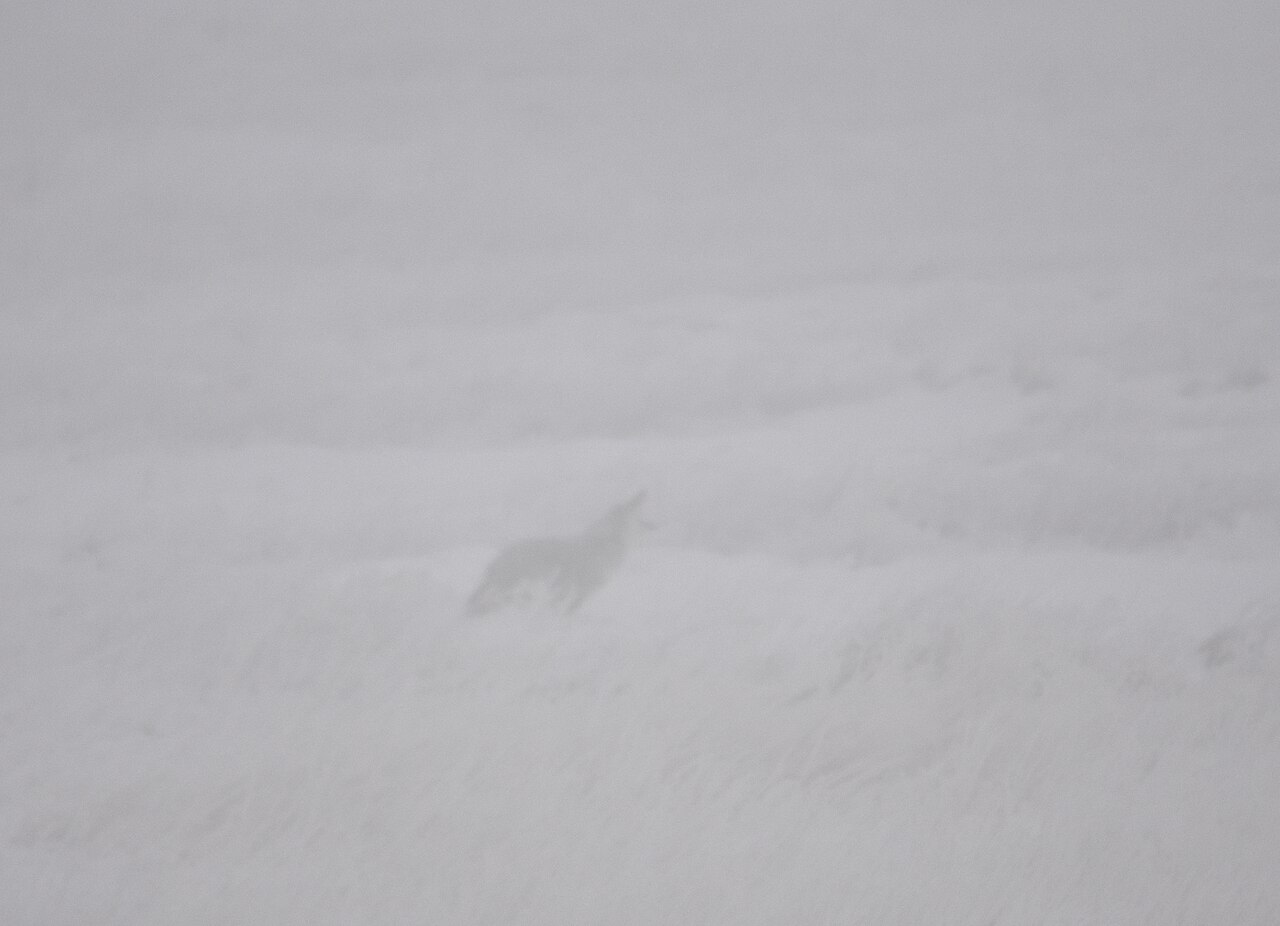
Winter tightens activity around food. In deep snow coyotes hunt more in daylight when small mammals are moving and thermal costs are lower, a seasonal reversal of the usual pattern.
Are Coyotes Nocturnal Hunters?
Coyotes hunt whenever their prey is available, and most of that prey is itself crepuscular or nocturnal. Voles, mice, rabbits, and rats peak at dusk and after dark, so a coyote following the food ends up hunting at night without any preference for darkness itself.
Hunting style varies with target. Small rodents are taken solo with the characteristic stiff legged pounce. Deer fawns and larger prey may involve a pair or a family group working together, though the pack hunting reputation is overstated: most coyote foraging is a single animal covering ground alone.
Diet studies across North America put small mammals at roughly half the volume, with fruit, insects, carrion, deer, and human refuse making up the rest. Composition shows in the scat, and identifying it is straightforward once you know what to look for, as our guide to coyote poop explains.
Why Do You Hear Coyotes at Night?
Night vocalization is about territory and contact, not hunting. Coyotes howl, yip, and group yip howl mostly after dark because sound carries farther in cool, still air and because that is when family groups reunite and defend boundaries. A pair can sound like six or eight animals, an acoustic illusion called the beau geste effect created by rapid frequency shifts.
Sirens and train horns trigger group responses, which is why an entire neighborhood can erupt at once. The volume tells you nothing about pack size or distance with any accuracy. The full vocabulary, from the lone howl to the woof of an alarmed animal near a den, is covered in our breakdown of coyote sounds.
Are Coyotes Aggressive to Humans?
Coyote attacks on people are rare. Fewer than 400 have been documented in the United States and Canada across several decades, and the large majority involved animals conditioned by deliberate or accidental feeding. For comparison, domestic dogs bite several million Americans a year.
The real conflict is with pets. Unattended cats and small dogs are taken in suburban areas, most often at night and most often in yards without fencing. Keeping cats indoors, leashing dogs after dark, and securing compost and fallen fruit removes nearly every attractant that brings coyotes close.
Size perception fuels the fear. A coyote looks larger than it is because of thick fur, and adults typically weigh 20 to 35 lb (9 to 16 kg) east of the Mississippi and less in the Southwest. The difference from a true wolf is substantial, as our comparison of coyote vs wolf shows.
Frequently Asked Questions
Are coyotes nocturnal or crepuscular?
Crepuscular. Activity peaks around sunrise and sunset, with a larger evening peak, and continues at reduced levels through the night. Urban populations compress that pattern into darkness only, but the underlying rhythm is dawn and dusk rather than true nocturnality.
What month are coyotes most aggressive?
Defensive behavior peaks from April through July, when pups are in or near the den and adults will escort people and dogs away from the site. Territorial tension also rises during the January to March breeding season. Neither period involves unprovoked approaches to humans.
What smell do coyotes hate the most?
There is no reliably effective repellent scent. Ammonia, vinegar, and commercial predator urines are widely sold and show little consistent field effect. Removing attractants and hazing works; scent deterrents lose their effect within days as the animal learns nothing follows the smell.
Can dogs sense coyotes?
Yes. Dogs detect coyote scent and vocalizations well before people do, and many react with alert posture, fixed staring, or barking toward a fence line at night. The reaction is a useful warning, but it also draws coyote attention, so bring the dog inside rather than letting the exchange continue.
What animal is a coyote afraid of?
Wolves, mountain lions, and bears displace or kill coyotes where their ranges overlap, and coyote numbers drop measurably in areas with established wolf packs. In most of the country, humans are the primary source of mortality and the strongest influence on coyote behavior, including their shift toward night activity.