Animals That Eat Ticks: The Real Tick Predators (Opossum Myth Included)
The animals that eat ticks most reliably are backyard poultry, especially chickens and guinea fowl, wild ground-feeding birds like turkeys, and an underrated cleanup crew of spiders, ants, and ground beetles. The animal most famous for eating ticks, the opossum, turns out to barely eat them at all: the “5,000 ticks a season” claim collapsed when researchers examined actual opossum stomachs and found almost none. Tick predators are real, but no single species eats enough of them to protect your yard by itself.
This guide sorts the honest list from the folklore: which animals genuinely eat ticks, what the science says about opossums, bats, and other supposed tick vacuums, how much control backyard poultry actually delivers, and why managing tick habitat and hosts beats recruiting predators every time. If you came here planning to attract one magic animal, the ending is better than that: the things that actually work are cheaper and already in your control.
| Best backyard tick eaters | Chickens and guinea fowl |
| Best wild tick eaters | Wild turkeys and ground-feeding birds |
| Quiet workhorses | Spiders, ants, ground beetles, nematodes |
| Overrated | Opossums, bats, raccoons, squirrels |
| The 5,000-tick claim | Not supported: wild opossum stomachs held almost no ticks |
| What works best | Habitat management plus host control, predators as a bonus |
What Actually Eats Ticks: The Honest List
Ticks have plenty of enemies, just no dedicated ones. Nothing in North America specializes in eating ticks the way anteaters specialize in ants; every tick predator takes them as one item on a bigger menu. The genuine consumers fall into four groups: domestic poultry that peck through grass all day, wild ground-foraging birds, generalist invertebrate predators like spiders and ants that ambush ticks at their own scale, and a few opportunistic reptiles and amphibians that grab questing ticks off low vegetation.
The scale problem explains why the list feels underwhelming. A single suburban acre with good tick habitat can hold thousands of ticks across life stages, most of them larvae and nymphs the size of a poppy seed, hidden in leaf litter where large predators never look. An animal would need to eat hundreds of near-invisible arachnids daily to dent that population, and almost nothing bothers, because a tick is a tiny, hard, low-calorie meal compared to a beetle or an earthworm an inch away.
That is also why tick predator rankings you see online are mostly folklore ranked by charisma. The species that genuinely help share one trait: they process enormous volumes of ground-level material, either by pecking through it for hours (poultry, turkeys) or by living inside it permanently (spiders, ants, beetles, fungi, nematodes). Judge every candidate on this page by that standard, time spent hunting at tick height, and the honest list sorts itself quickly.
The Opossum Myth: What the Science Really Says
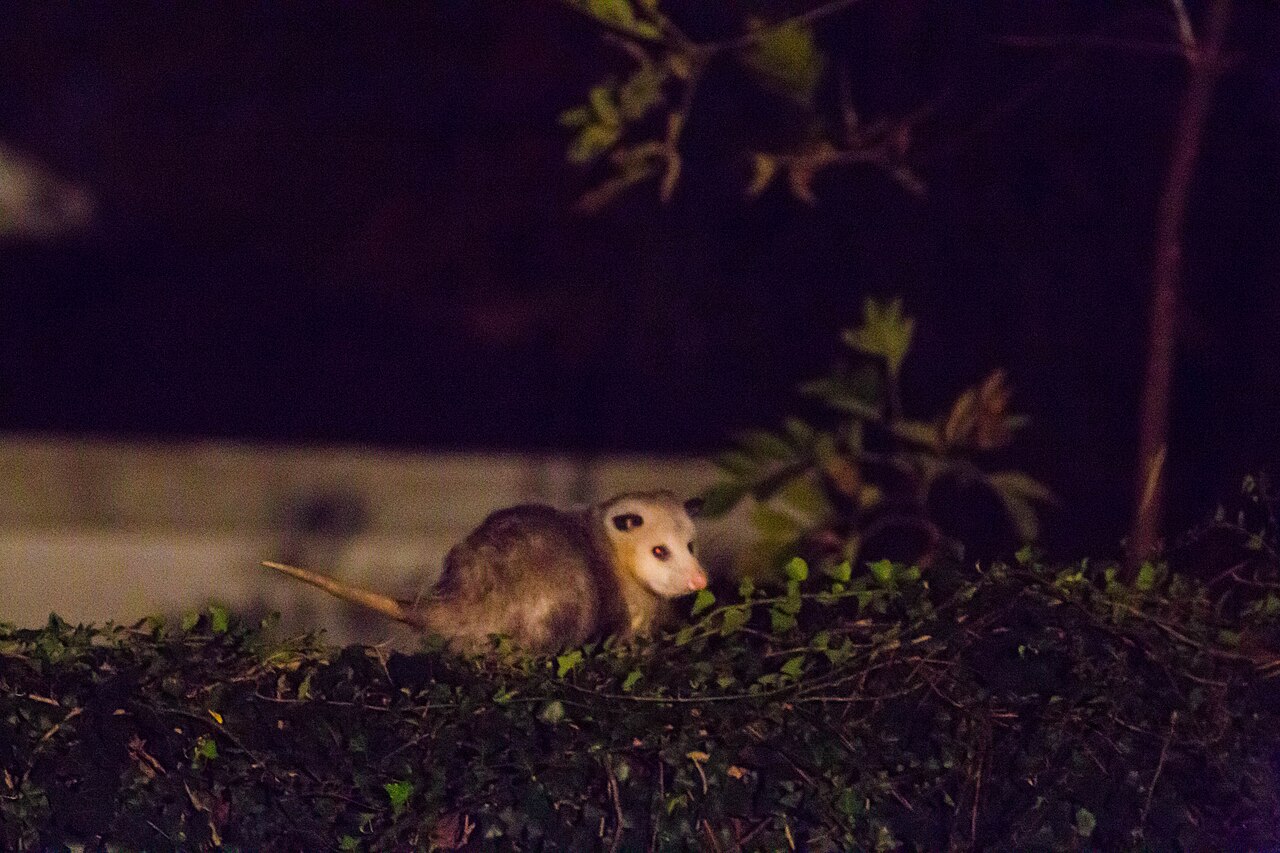
For a decade, the Virginia opossum was crowned nature’s tick vacuum, credited with destroying 5,000 ticks per season. The number traces to a 2009 laboratory study in which researchers placed larval ticks on caged opossums and counted how few survived to feed; the missing ticks were assumed eaten during grooming, and the seasonal estimate was extrapolated from there. The claim was plausible, quotable, and it spread through wildlife pages and news stories as settled fact.
Then someone checked the field data. A 2021 study at Eureka College reviewed the stomach and gut contents of hundreds of wild Virginia opossums from multiple existing diet studies and found essentially no ticks: among more than 1,000 examined stomachs across the literature, ticks were nearly absent, far too rare to support any meaningful tick-control role. Follow-up work reached the same conclusion. Opossums groom ticks off their own bodies, but there is no evidence they swallow meaningful numbers, and their foraging simply is not built around tick-sized prey.
None of this makes opossums villains; they remain useful scavengers that clean up carrion, drop fruit, and rodents, and they are famously resistant to rabies. But the correction matters for tick planning. Homeowners who tolerated brushy, cluttered yard edges specifically to host opossums were maintaining exactly the humid, sheltered habitat ticks need. Keep liking opossums; just stop crediting them with pest control they never performed, and never build your yard’s tick strategy on a mammal whose stomach says otherwise.
Chickens, Guineas, and Ducks: The Backyard Tick Patrol
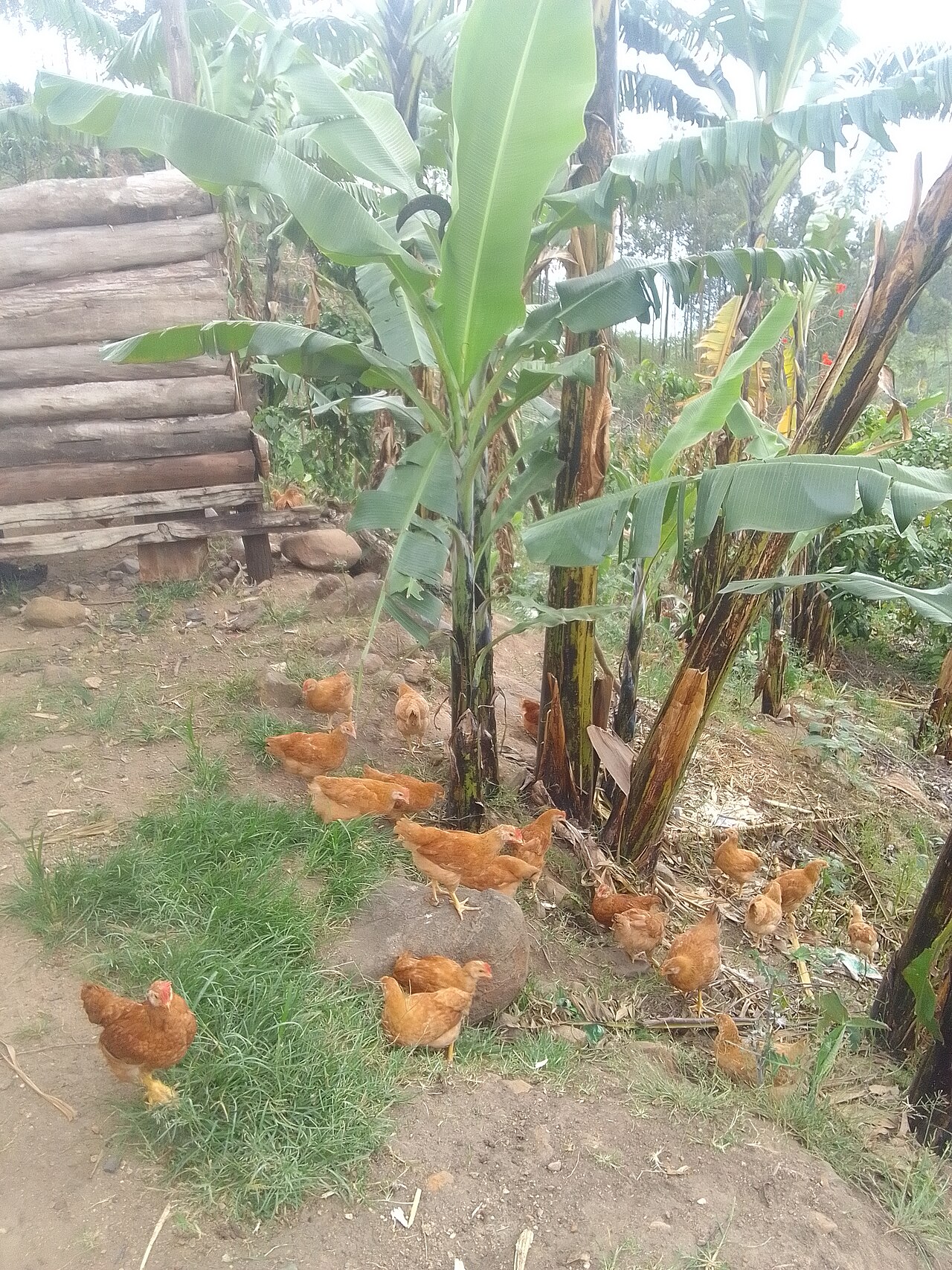
If tick eating has champions, they wear feathers and live in a coop. Chickens genuinely eat ticks, and the classic field test proved it memorably: researchers let hens free-range for periods in tick-infested cattle paddocks and then counted, finding individual birds had swallowed dozens of ticks within an hour or two of foraging, with some birds topping 80 ticks apiece. A small flock working a yard daily removes a real, measurable share of the adult and nymphal ticks in its range.
Guinea fowl are the species most often recommended specifically for ticks, and they earn the reputation differently: they roam farther than chickens, forage more obsessively, and work as a tight flock that combs a property line like a search party. Studies and farm experience agree guineas reduce adult tick numbers in mowed, open areas. Their limits are just as real: they barely touch the leaf litter and brushy edges where most larvae and nymphs live, they are extremely loud, and they wander onto roads and neighbors’ land.
Ducks split the difference, eating ticks readily along with slugs and grubs while being gentler on garden beds than chickens, and geese take some ticks incidentally while grazing. The honest framing for all poultry: they suppress ticks in the zones they patrol, meaning lawns and open ground near the house, which is exactly where your family walks. They will never sterilize the woodline. Run birds as one layer of defense in the right zone and they deliver; expect eradication and they disappoint.
Wild Birds That Eat Ticks
The wild bird story is bigger than most homeowners expect, and wild turkeys lead it. A flock of turkeys spends its entire day raking leaf litter and pecking through grass, and diet studies regularly turn up ticks among the thousands of invertebrates each bird swallows. Research on turkey foraging has estimated meaningful weekly tick consumption per bird in good habitat. A resident turkey flock is the closest thing wild North America offers to a guinea fowl patrol, working exactly the litter layer poultry avoid.
Ground-feeding songbirds add a quieter contribution. Robins, thrashers, towhees, and quail all take questing ticks off low vegetation and soil while hunting other invertebrates, and oxpecker-style tick picking even has a scrappy North American stand-in: cattle egrets working livestock pastures. Helmeted guineafowl aside, no wild bird hunts ticks as a target, but the sheer hours birds spend at tick height make the group collectively significant, and our birds that eat ticks guide profiles the individual species worth attracting.
There is one honest complication: birds also feed ticks. Larval and nymphal ticks attach to ground-foraging birds, ride them to new territory, and drop off fed, which is one way tick populations colonize new areas. Robins in particular are competent hosts for the Lyme disease bacterium. The net effect of wild birds on your yard’s tick count is still positive in most settings, but it is a trade, not a purge, and it is another reason predator recruitment alone never finishes the job. The same caveat applies to the insect-eating specialists covered in our birds that eat mosquitoes guide: wild helpers help, with asterisks.
Spiders, Ants, and Beetles: The Invertebrate Cleanup Crew
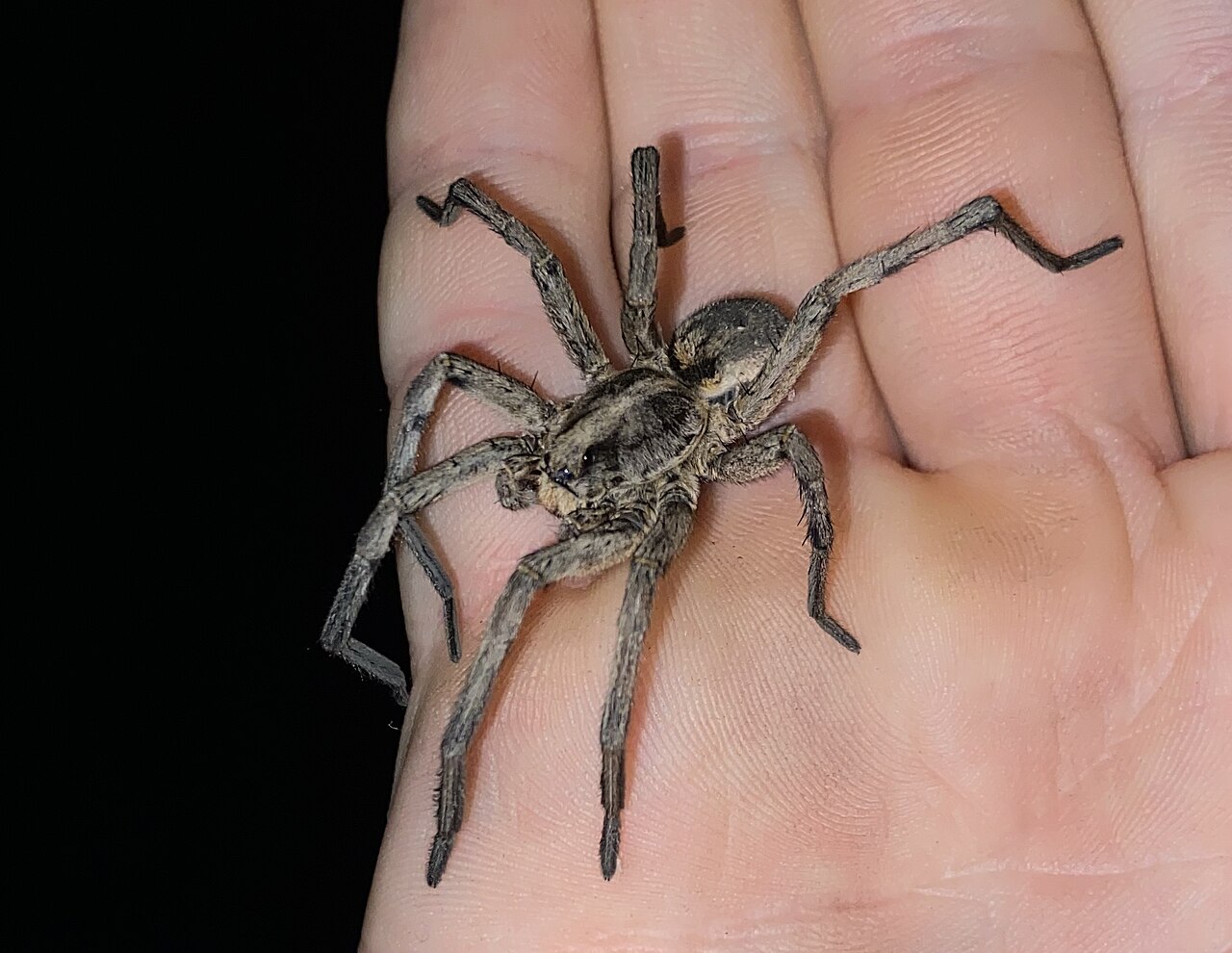
The most numerous tick predators in your yard have no backbone and get no credit. Ticks spend almost their entire lives in the top inch of the landscape, leaf litter, thatch, and soil, and that layer is patrolled continuously by wolf spiders, ground beetles, rove beetles, harvestmen, centipedes, and ants. Lab and field studies confirm many of these generalists kill and eat ticks at every life stage, and fire ants in the South suppress tick numbers so aggressively that researchers documented tick declines tracking fire ant invasions.
Ants deserve particular respect. Several native species raid the hidden places ticks use most, consuming eggs and freshly hatched larvae by the clutch; a single engorged female tick’s 2,000 to 6,000 eggs are a jackpot for any colony that finds them. Parasitoid wasps go a step further: the tiny Ixodiphagus wasp lays its eggs inside tick nymphs, and its larvae consume the tick from within, a natural enemy specialized enough that scientists have tested it for biological control.
The practical lesson is to stop sterilizing this workforce. Broad-spectrum lawn insecticides kill spiders, beetles, and ants far more efficiently than they kill sheltered ticks, effectively firing your security staff while the burglars hide. Yards managed with minimal broadcast spraying, some leaf litter left in beds, and healthy invertebrate diversity get thousands of small predators working the tick layer around the clock, for free, without a single guinea scream at dawn.
Reptiles, Amphibians, and Other Small Hunters
Cold-blooded predators pick off ticks at the height where ticks hunt. Fence lizards, skinks, and anoles snap up questing ticks from grass stems and low brush, and in the South and West, lizards are among the most frequent natural hosts and predators of immature ticks simultaneously. Toads and frogs stationed along damp edges take ticks among their nightly insect hauls, and box turtles working through leaf litter eat what they encounter, ticks included.
The lizard story carries a famous twist. Western fence lizards host huge numbers of larval ticks, and a protein in their blood actually kills the Lyme disease bacterium inside ticks that feed on them, cleansing infected nymphs. In parts of California, tick infection rates are lower where these lizards are common. That is not tick predation, but it is a genuine, measurable way a backyard reptile reduces disease risk, arguably more valuable than eating the ticks outright.
Even fungi and microscopic worms join the hunt. Entomopathogenic fungi like Metarhizium infect and kill ticks in humid litter, and commercial formulations of it are sold as tick sprays precisely because the natural mechanism works. Beneficial nematodes attack engorged female ticks resting in soil before egg laying. According to the Centers for Disease Control and Prevention (cdc.gov), integrated approaches that combine such biological pressure with habitat management outperform any single-species solution, which is the pattern this whole list keeps repeating.
Do Bats, Raccoons, and Squirrels Eat Ticks?
Bats headline the myth division alongside opossums. The claim that bats devour thousands of ticks confuses two facts: bats do eat thousands of insects nightly, and ticks are a pest people hate. But bats hunt flying prey by echolocation, and ticks never fly; a tick questing on a grass blade is invisible to a bat’s entire hunting system. Bats are magnificent mosquito and moth predators worth every bat box you hang, and they eat effectively zero ticks. The two pests need different heroes.
Raccoons and squirrels eat ticks only in the incidental sense: they groom ticks off their own fur and swallow some in the process, the same behavior that inflated the opossum legend. Both species are net tick multipliers, not reducers, serving as blood hosts that feed and disperse far more ticks than their grooming removes. The same is true of deer mice, which are the primary reservoir for Lyme bacteria, and of deer themselves, the essential blood bank for adult black-legged ticks. Finding mouse poop in the shed or a steady line of deer poop through the yard tells you more about next year’s tick count than any predator sighting does.
This host arithmetic reframes the whole question. A tick population’s size is set almost entirely by the availability of blood hosts and humid shelter, not by predation losses. Yards that support dense mice, chipmunks, raccoons, and browsing deer will be ticky no matter how many predators visit, while yards that squeeze the hosts, secure trash, clear brush piles, fence gardens, deploy rodent-targeted tick tubes, stay low-tick with no predators at all. Manage the buffet and the diners, and the predators become a pleasant bonus instead of a failed strategy.
Why Predators Alone Will Not Control Ticks (and What Will)
Everything above collapses into one honest sentence: tick predators are real, useful, and insufficient. The math is stacked against them, one fed female tick lays thousands of eggs, most tick life stages are hidden and nearly invisible, and no predator specializes in them. The CDC’s own guidance for residential tick control does not include attracting predators at all; it centers on landscape modification, host management, and targeted treatments, with biological allies as supporting cast.
The playbook that actually works: mow open areas short and let sun dry them, remove leaf litter and brush piles near living space, stack wood neatly and dry, install the barrier border, fence deer out of the core yard, control rodents around structures, and consider tick tubes that treat mice, the number one nymph factory, directly. Then layer the biology on top: keep the invertebrate workforce alive by skipping broadcast insecticides, welcome the turkeys and songbirds, and run chickens or guineas where you actually walk. Predators finish a tick program nicely. They just cannot start one.
Related reading: Animals That Eat Wasps.
Frequently Asked Questions
What animal eats the most ticks?
Per animal per hour, free-ranging chickens and guinea fowl top the measured list, with individual hens documented eating dozens of ticks in a single session. Among wild animals, turkeys and litter-dwelling invertebrates like ants and ground beetles do the most total work.
Do opossums really eat 5,000 ticks a year?
No. The figure came from extrapolating a 2009 caged-grooming study. When researchers examined the stomach contents of wild opossums in 2021, ticks were almost entirely absent, and follow-up studies agree opossums are not significant tick predators.
Do chickens really control ticks in a yard?
They measurably reduce ticks in the areas they patrol, mainly open lawn and ground near the coop. They cannot reach the leaf litter and brush where most immature ticks live, so pair them with habitat cleanup for real results.
What eats ticks and fleas both?
Chickens, guinea fowl, fire ants, ground beetles, and spiders take both pests. Beneficial nematodes are unusual in attacking ticks and flea larvae in the same soil zone, which is why they appear in organic control programs for each.
Do ticks have any natural predators in winter?
Predation nearly stops in cold months because ticks shelter dormant in litter and soil, where fungi like Metarhizium remain their main natural enemy. Winter tick losses come mostly from cold, humidity swings, and host scarcity rather than predators.
Do bats eat ticks?
Essentially no. Bats capture flying insects by echolocation, and ticks do not fly. Bats are excellent for mosquitoes and moths, but tick control needs ground-level allies like poultry, ants, and beetles.
How do I attract animals that eat ticks?
Support ground-feeding birds with brushy field edges away from the house, skip broadcast insecticides so spiders, ants, and beetles thrive, and keep poultry where you walk. Just pair the allies with mowing, litter removal, and rodent and deer management, which do the heavy lifting.