What Does It Mean When You See an Owl?
Seeing an owl most often symbolizes wisdom, intuition, and hidden knowledge, a sign that you are being called to trust your inner voice and see what is not obvious on the surface. As a silent hunter of the night, the owl is linked across cultures to insight, mystery, transition, and the ability to perceive truth in the dark. An owl appearing to you is commonly read as a message to pay attention to your intuition, prepare for change, or uncover something hidden. In some traditions the owl also carries associations with death and transformation, meaning the end of one chapter and the start of another. This guide explains what seeing an owl means, including sightings by day and at night, and the natural reasons owls appear.
| Context | Common meaning |
|---|---|
| Seeing an owl | Wisdom, intuition, hidden knowledge |
| Owl at night | A message to trust your inner voice |
| Owl during the day | Something hidden is coming to light |
| Owl flying in front of you | Change or transition ahead |
| Natural reason | Hunting, territory, and roosting |
Wisdom, intuition, and hidden knowledge
The owl’s oldest and strongest symbolism is wisdom. Its large, forward facing eyes and calm, watchful presence have made it a symbol of knowledge and insight since ancient Greece, where the owl accompanied Athena, goddess of wisdom. Seeing an owl is often read as a call to trust your intuition, look beneath the surface, and seek the truth others miss. Because owls hunt in darkness, they represent the ability to see clearly when things are uncertain or hidden. An owl appearing when you face a hard decision is commonly taken as reassurance that you already hold the inner wisdom to find your way. Learn to identify the species in our guide to types of owls.
What it means to see an owl at night
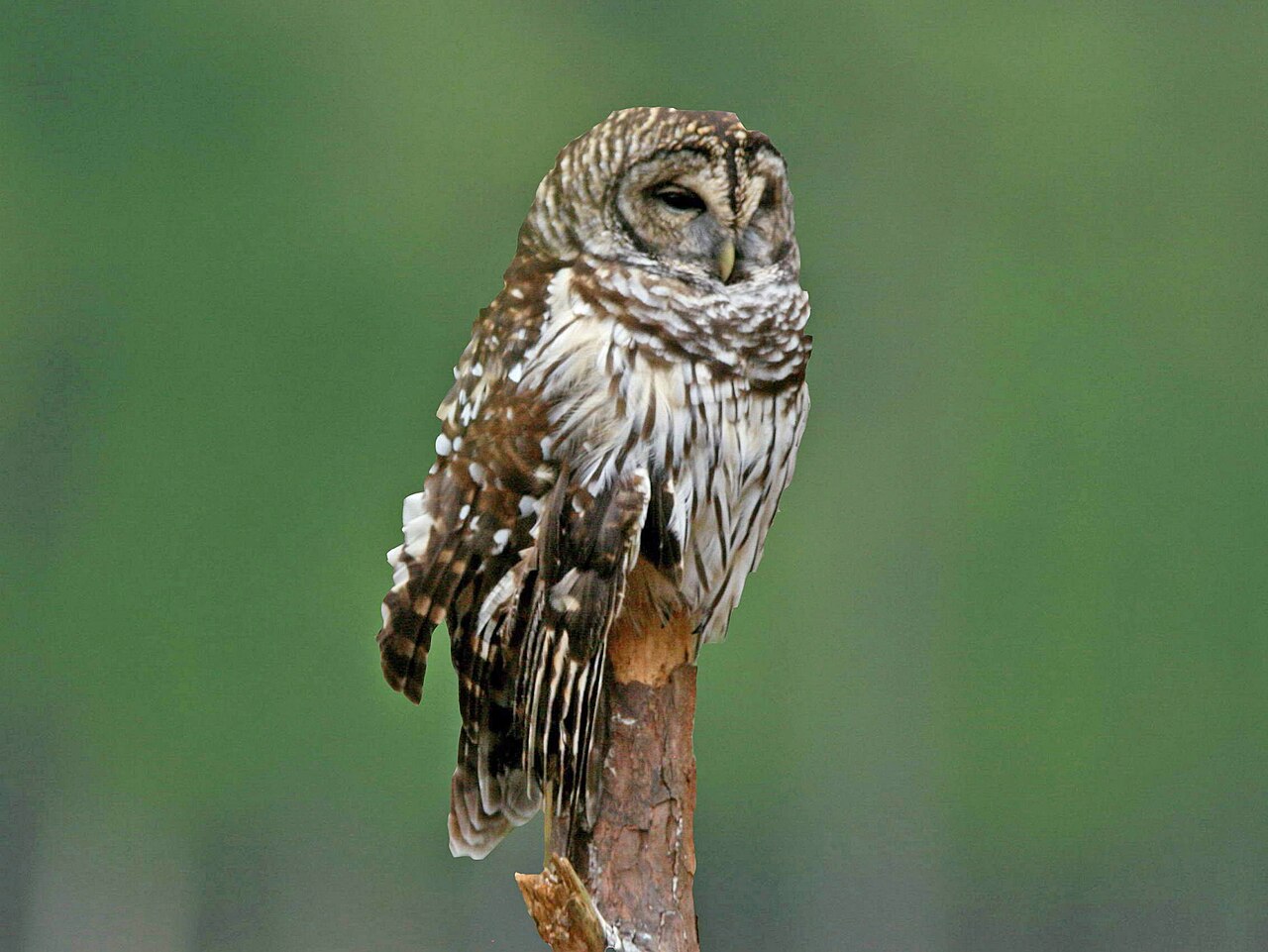
Since owls are mostly nocturnal, seeing or hearing one at night is the classic encounter, and it is generally read as a spiritual nudge. A nighttime owl is taken as a message to trust your inner voice, tune into your intuition, and pay attention to your dreams and instincts. In many traditions the owl at night is a guardian and a guide through darkness, helping you navigate uncertain times. Rather than something to fear, the night owl is understood as an ally that sees what you cannot and encourages you to face the unknown with confidence. For the specifics, see our guide on seeing an owl at night.
Seeing an owl during the day
Because most owls are active at night, seeing one in daylight feels unusual and is given extra weight. Spiritually, a daytime owl is often read as a sign that something hidden is coming to light, that truth or clarity is arriving, or that you should stay alert to a message. It can also signal a significant transition. Naturally, a few owls, such as the Snowy Owl and the Short eared Owl, do hunt by day, and other owls may be forced out in daylight when food is scarce, when mobbing songbirds flush them from a roost, or when raising hungry chicks. So a daytime owl is both a striking symbol and, often, a bird simply going about its business under pressure.
The owl, death, and transformation
The owl carries a heavier reputation in some cultures, where it is associated with death or bad omens. This darker thread comes from the owl’s nocturnal habits, its silent flight, and its haunting calls, which unsettled many ancient peoples. In several traditions an owl near a home was feared as a warning. But in most modern and spiritual readings this is reframed as transformation rather than literal death, the ending of one phase of life and the beginning of another. Seeing an owl in this light is a sign to release what no longer serves you and step into a new chapter. It is a meaning the owl shares with the crow and other birds of transition. Explore the full picture in our bird symbolism guide.
Owl symbolism across cultures
Owl meanings span the globe and range from revered to feared. In ancient Greece the owl symbolized Athena and wisdom, and it appeared on coins as a sign of knowledge and protection. Many Native American traditions view the owl with respect and caution, as a keeper of sacred knowledge and sometimes a messenger of change. In parts of Asia the owl is a symbol of prosperity and good fortune, while some folk traditions link it to warning. This wide range means the meaning you take from an owl depends partly on your own background and the moment of the sighting. The one constant across nearly all cultures is that the owl is a bird of deep significance, never to be ignored.
Owl calls at night and what they signal
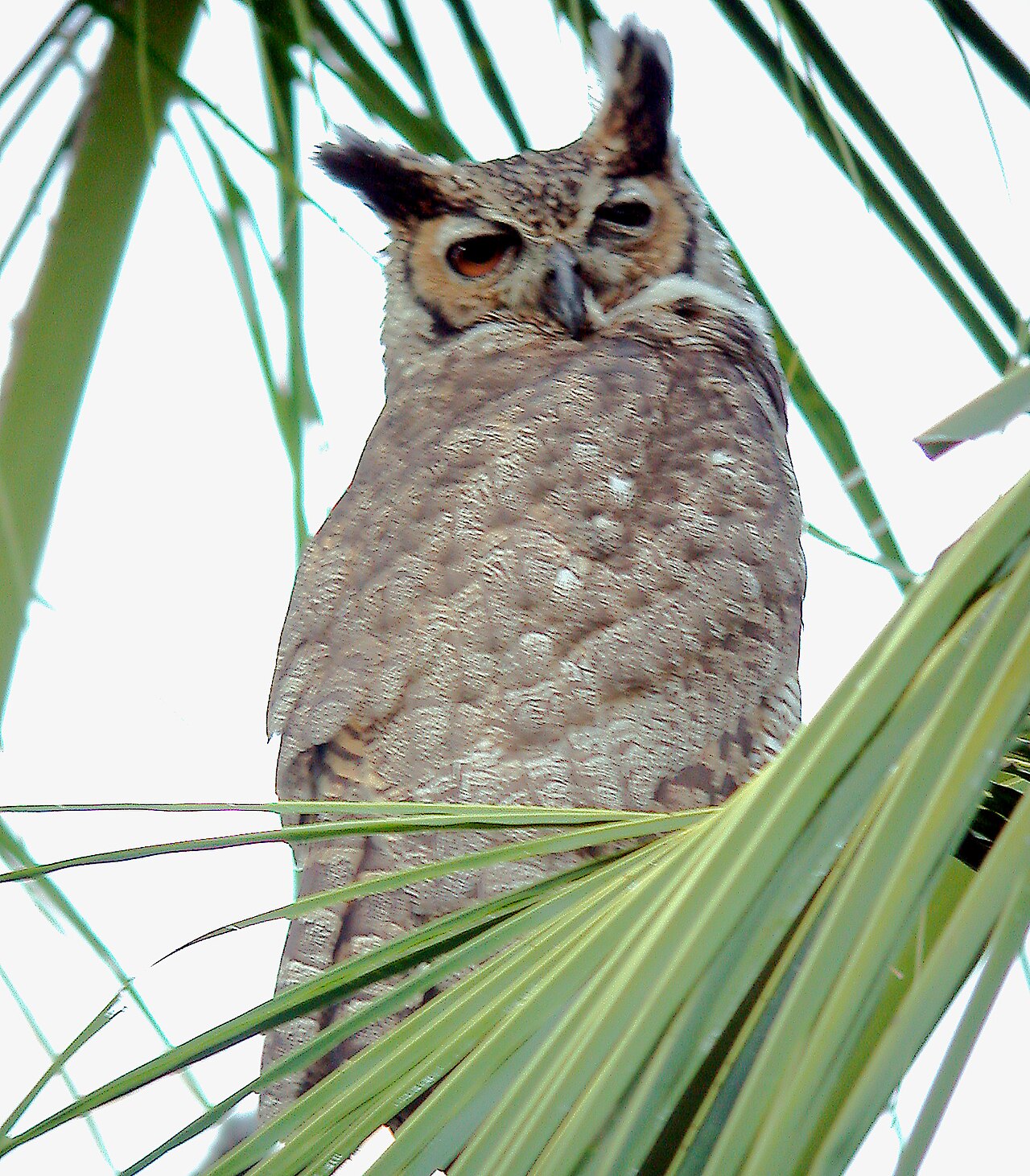
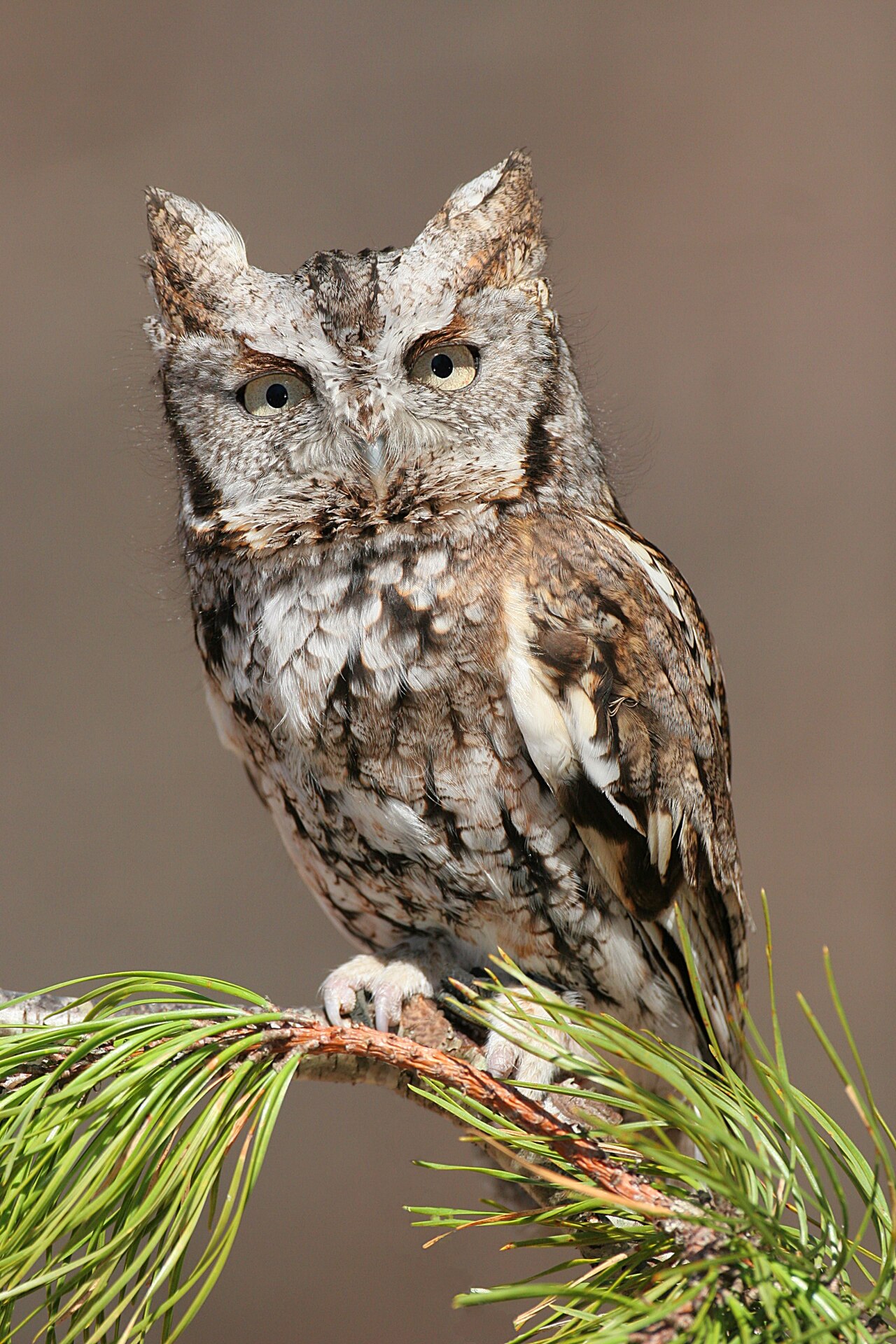
For most people the owl is heard far more often than it is seen, and learning its calls turns an eerie sound into a readable message from the bird itself. According to the Cornell Lab of Ornithology, owls are most vocal in late winter and early spring, when they claim territory and court mates, which is exactly when many people report a run of nighttime owl encounters. The deep who cooks for you of a Barred Owl, the low hoots of a Great Horned Owl, and the trembling whinny of an Eastern Screech Owl each carry a specific meaning to other owls, from a boundary warning to a mating call. A single owl calling repeatedly from the same spot for nights on end is usually a resident defending its patch or seeking a partner, not an omen, though folklore has always read such persistence as a message worth heeding. Knowing the local species removes the mystery while keeping the wonder, and it explains why the sound comes and goes with the seasons. To identify who is calling in your area, see our guide to types of owls, learn what draws them in what owls eat, and explore how they hunt in total darkness. Whether you find the night owl spooky or comforting, it is simply a neighbor announcing itself, a reading that fits the wider symbolism of birds.
How to respond to an owl encounter
Meeting an owl, whether you see one at dusk or hear one calling in the dark, is uncommon enough to feel special, and the best response honors both the wonder and the wild animal in front of you. Keep your distance and observe quietly rather than approaching, since owls are easily stressed and a daytime owl may already be under pressure from mobbing songbirds or a lean food supply. Resist the urge to use flash photography or calls to draw it closer, which can disturb hunting and nesting. If the encounter feels spiritually significant, take a moment to reflect on what the owl’s themes of intuition and hidden knowledge might mean for a decision you are facing. Naturally, the owl is most likely hunting, roosting, or defending territory, and simply witnessing that is a gift. To learn which owl you met, see our guide to types of owls, and to understand what draws them to an area, our guide to what owls eat. Whether you find the owl mysterious or comforting, treating it with respect and curiosity is the response that fits a bird so long tied to wisdom, a theme it shares with the crow.
Frequently Asked Questions
What does it mean when you see an owl?
Seeing an owl symbolizes wisdom, intuition, and hidden knowledge. It is often a call to trust your inner voice, look beneath the surface, and prepare for change or transition.
Is seeing an owl good or bad luck?
It depends on the tradition. Most modern readings see the owl as a positive symbol of wisdom and intuition, though some older cultures feared it as a warning or omen of change.
What does it mean to see an owl at night?
A nighttime owl, the most common encounter, is read as a message to trust your intuition, tune into your instincts and dreams, and let the owl guide you through uncertainty.
What does it mean to see an owl during the day?
A daytime owl is unusual and often read as a sign that something hidden is coming to light or a big transition is near. Naturally, some owls hunt by day or are flushed from roosts.
Does an owl mean death?
In some older cultures the owl was feared as an omen of death, but most modern spiritual readings reframe this as transformation, the end of one life chapter and the start of another.
What does an owl symbolize spiritually?
Spiritually the owl represents wisdom, intuition, insight into hidden truths, and guidance through darkness and change. It urges you to trust what you sense beneath the surface.
Why do I keep hearing an owl at night?
An owl calling repeatedly is usually claiming territory or seeking a mate, most often in late winter and early spring. Folklore also reads a persistent owl as an important message.