Types of Woodpeckers in New York: Identification Guide
New York is home to nine woodpeckers, including the downy, hairy, red-bellied, red-headed, and pileated woodpeckers, the northern flicker, the yellow-bellied sapsucker, and the boreal black-backed woodpecker. From backyard visitors to Adirondack specialties, New York offers rewarding woodpecker watching. This guide covers the types of woodpeckers in New York, how to identify them, and where to see them.
| Woodpecker | Key Feature |
|---|---|
| Downy Woodpecker | Small, short bill, white back |
| Hairy Woodpecker | Like downy, longer bill |
| Red-bellied Woodpecker | Barred back, red crown |
| Pileated Woodpecker | Crow-sized, red crest |
| Northern Flicker | Brown, spotted, ground feeder |
| Yellow-bellied Sapsucker | Sap wells, migratory |
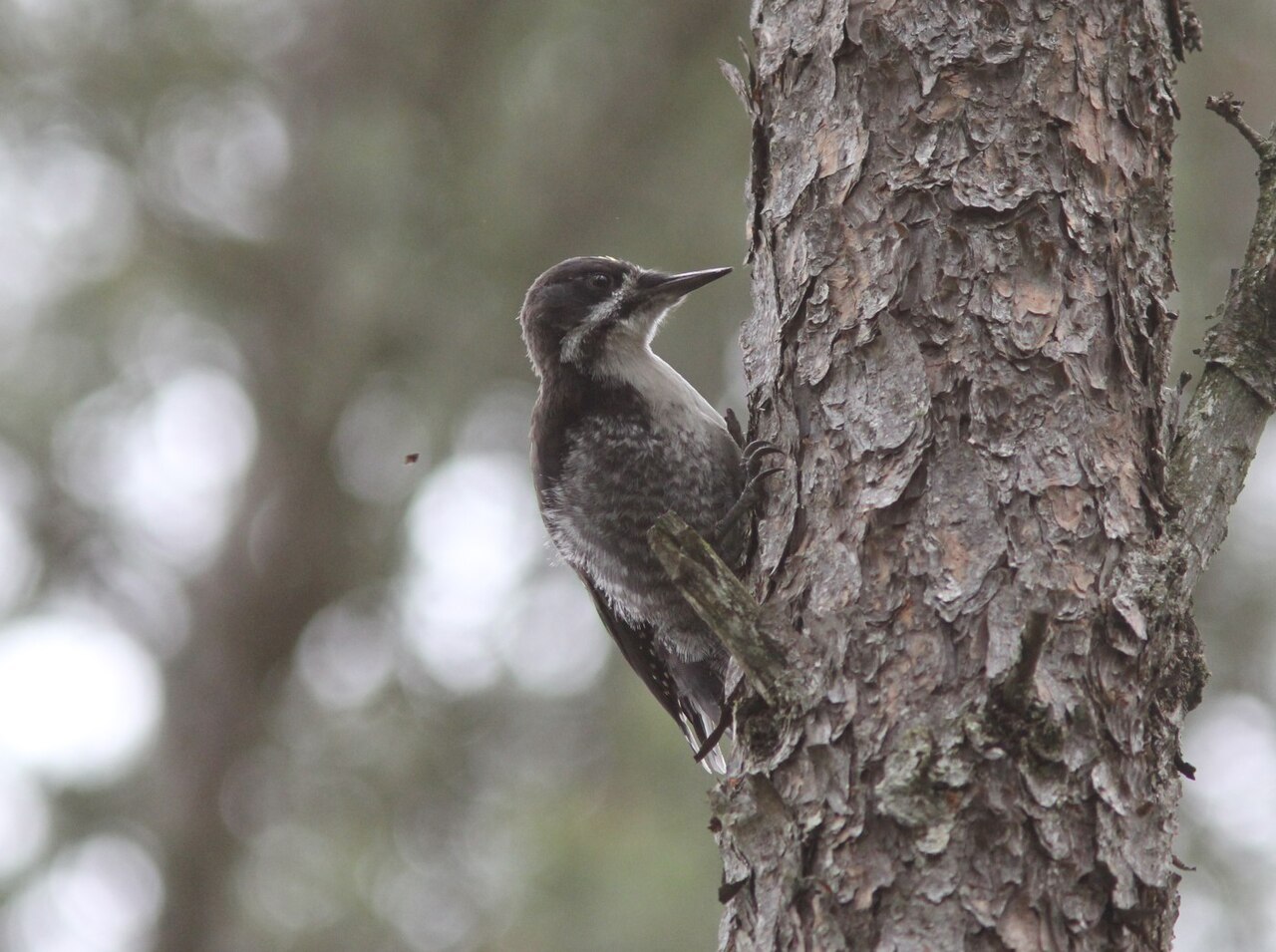
| Black-backed Woodpecker | Black back, boreal, Adirondacks |
How Many Types of Woodpeckers Live in New York?
New York hosts nine woodpecker species across its forests, from backyards to the boreal Adirondacks. The downy and hairy woodpeckers are the familiar small black-and-white species, the downy tiny with a short bill and the hairy larger with a longer bill. The red-bellied woodpecker, with its barred back and red crown, is a common backyard bird that has expanded northward, and the striking red-headed woodpecker, with its entirely red head, occurs locally. The large, crow-sized pileated woodpecker with its flaming crest inhabits mature forests, and the northern flicker, a brown ground-feeding woodpecker, is widespread. The yellow-bellied sapsucker breeds in northern and mountain forests and drills rows of sap wells. Most special are the boreal woodpeckers of the Adirondacks, the black-backed woodpecker with its solid black back and the rare American three-toed woodpecker, which favor spruce forests and burned areas. Understanding New York woodpeckers begins with these species, part of the wider group covered in our guide to types of woodpeckers.
Common New York Woodpeckers and How to Identify Them
Several woodpeckers are especially worth knowing in New York. The downy woodpecker is small with a short bill and white back, while the hairy woodpecker looks similar but is larger with a longer bill. The red-bellied woodpecker shows a black-and-white barred back and a red crown and nape, and is a frequent feeder visitor. The pileated woodpecker is huge and black with a flaming red crest, leaving rectangular holes in dead wood. The northern flicker is a brown, spotted woodpecker often seen on the ground, showing a white rump in flight. The yellow-bellied sapsucker drills orderly rows of sap wells and has a pale yellowish belly and red forehead. The black-backed woodpecker is a boreal specialty with a solid black back and, in males, a yellow crown patch, found in Adirondack spruce forests and burns. Each woodpecker is a rewarding find, as explored in our guide to the red-bellied woodpecker.
Where to See Woodpeckers in New York
Woodpeckers can be found across New York in a range of habitats. Backyards, parks, and woodlands throughout the state host downy, hairy, and red-bellied woodpeckers as well as northern flickers, all of which readily visit feeders and wooded neighborhoods. Mature forests, bottomland woods, and wooded parks are excellent for pileated woodpeckers, whose loud calls and large size make them memorable, and red-headed woodpeckers occur locally in open woodlands and areas with dead snags. Northern and mountain forests host breeding yellow-bellied sapsuckers, which drill rows of sap wells. The boreal spruce and fir forests, bogs, and burned areas of the Adirondacks are the place to find black-backed woodpeckers and, rarely, American three-toed woodpeckers. In winter, sapsuckers move south and feeders stay busy with resident woodpeckers. Because different woodpeckers favor different habitats, New York offers rewarding woodpecker watching year-round, as detailed in our guide to types of owls in New York.
The Black-backed Woodpecker of the Adirondacks
The black-backed woodpecker is a prized northern specialty in New York, and its ecology is fascinating. According to the Cornell Lab of Ornithology, black-backed woodpeckers are closely associated with burned forests and areas with many dead trees, where they feed heavily on the larvae of wood-boring beetles that infest recently killed conifers. They are well adapted to flaking away bark to reach these grubs, and they often thrive in the first few years after a fire before the beetle populations decline. In New York, black-backed woodpeckers live in the boreal spruce and fir forests, bogs, and burned or beetle-killed stands of the Adirondacks, where sites like the Bloomingdale Bog are classic places to look. Unlike most woodpeckers, they have only three toes rather than four. Because they depend on dead wood and burned forest, they are sensitive to forest management that removes these habitats. Finding one is a highlight of birding the North Woods, as explored in our guide to the red-bellied woodpecker.
Attracting Woodpeckers in New York
Attracting woodpeckers to your New York yard is rewarding, since several species readily visit feeders. Suet is the top attractant, and offering suet in a cage feeder will draw downy, hairy, and red-bellied woodpeckers, especially in the cooler months. Woodpeckers also take black oil sunflower seeds and peanuts, so a varied menu helps. Providing a source of water for drinking and bathing attracts woodpeckers along with other birds. Because woodpeckers are cavity nesters, keeping dead trees or large limbs standing where it is safe to do so gives them places to excavate nest holes and search for insects, and some will use nest boxes. Planting or preserving native trees supports woodpeckers naturally. While the boreal black-backed woodpecker of the Adirondacks requires wild spruce forests rather than yards, many other woodpeckers will happily visit backyard feeders across New York, as explored in our guide to types of owls in New York.
Woodpeckers Through the Seasons in New York
New York woodpeckers offer rewards across the year, and knowing their patterns helps. Most of the state’s woodpeckers, including the downy, hairy, red-bellied, and pileated woodpeckers and the northern flicker, are year-round residents, so they can be enjoyed in every season in yards, woodlands, and forests. Spring and summer bring nesting, when woodpeckers excavate cavities and their drumming and calls are especially frequent, and yellow-bellied sapsuckers and black-backed woodpeckers tend young in northern and boreal forests. Fall and winter bring resident woodpeckers to feeders, and these months are a good time to see them clearly when the leaves are down, while sapsuckers largely move south. The boreal Adirondack woodpeckers can be sought year-round in their spruce forests. Winter feeding concentrates woodpeckers at suet feeders. By watching through the seasons, New York birders can enjoy resident woodpeckers year-round plus northern specialties in the right habitats, making these birds a lasting pleasure.
Appreciating New York Woodpeckers
New York woodpeckers are a rewarding group to appreciate, both for their variety and for the northern specialties the state offers. From the familiar downy and red-bellied woodpeckers to the huge pileated and the boreal black-backed woodpecker of the Adirondacks, the state offers woodpecker watching from backyards to wild spruce forests. Learning to recognize the different species, watching them forage and drum, and attracting them to suet feeders all deepen the pleasure of birding in New York. Because most woodpeckers are active, vocal, and often visit yards, they are among the most enjoyable birds to observe up close, while the black-backed woodpecker offers a true northern quest. Taking the time to appreciate New York woodpeckers connects you to the rich variety of the state’s forests and backyards.
Woodpeckers and the New York Landscape
Woodpeckers play an important role in the New York landscape, and understanding it adds to their appeal. As they excavate nest holes, woodpeckers create cavities that many other animals depend on, since a hole made and later abandoned by a woodpecker may become a nest site for bluebirds, chickadees, small owls, and other creatures. Woodpeckers also help control wood-boring insects, and in the boreal forests the black-backed woodpecker plays a role in the recovery of burned stands by feeding on beetle larvae. This ecological importance is one reason to welcome woodpeckers and to preserve dead trees and wild forest where it is safe. From the backyard downy woodpecker to the boreal specialties of the Adirondacks, woodpeckers contribute to the health and diversity of New York’s woods.
Frequently Asked Questions
How many types of woodpeckers are in New York?
New York hosts nine woodpeckers, including the downy, hairy, red-bellied, red-headed, and pileated woodpeckers, the northern flicker, the yellow-bellied sapsucker, and the black-backed woodpecker.
What is the most common woodpecker in New York?
The downy and red-bellied woodpeckers are among the most common woodpeckers in New York, both frequent visitors to backyards, parks, and woodlands across the state.
What is the boreal woodpecker in the Adirondacks?
The black-backed woodpecker is a boreal specialty of the Adirondacks, with a solid black back and, in males, a yellow crown, favoring spruce forests, bogs, and burned areas.
What is the largest woodpecker in New York?
The pileated woodpecker is the largest woodpecker in New York, a crow-sized black bird with a flaming red crest, found in mature forests and wooded areas.
What woodpecker drills rows of holes in New York?
The yellow-bellied sapsucker drills orderly rows of small sap wells in trees to feed on sap and insects. It breeds in northern and mountain forests in New York.
What woodpeckers visit feeders in New York?
Downy, hairy, and red-bellied woodpeckers and northern flickers commonly visit New York yards, especially for suet and black oil sunflower seed.
Where can you see woodpeckers in New York?
Look in yards and woodlands for downy and red-bellied woodpeckers, mature forests for pileated, and the Adirondack spruce forests for the boreal black-backed woodpecker.