Why Is Bird Poop White? The Real Answer
Bird poop is white because the white part is not poop at all. It is urine, or more precisely uric acid, the form in which birds excrete nitrogen waste, and it comes out through the same opening at the same time as the darker faeces. What lands on a car is a two-part deposit: a dark green, brown, or black centre of actual droppings and a white cap or splash of urinary waste around it.
Birds excrete uric acid rather than urea because it takes almost no water to flush out, which matters enormously for an animal that has to stay light enough to fly. That single adaptation explains the colour, the paste-like consistency, the absence of a separate bladder, and why bird droppings damage paint the way they do. This guide covers the biology, what the colours mean, the health risk, and how to clean it off properly.
The white part of bird poop is urine, not faeces. Birds excrete nitrogen waste as uric acid, a white paste that needs almost no water, rather than as liquid urea. The dark centre is the actual droppings. Excreting uric acid saves weight for flight and lets eggs develop without a fatal build-up of waste inside the shell.
| Component | What It Is |
|---|---|
| White cap or splash | Uric acid, the bird’s urine |
| Dark centre | Faeces from the digestive tract |
| Green or brown colour | Bile and diet; normal |
| Reddish or purple | Usually berries; blood if persistent |
| All white and watery | Excess urine; possible illness in pets |
| Why uric acid | Saves water and weight for flight |
| Why it damages paint | Acidic and dries hard, etching clear coat |
What Is the White Part of Bird Poop?
Uric acid, which is the bird equivalent of urine. Mammals convert nitrogen waste from protein breakdown into urea, dissolve it in water, and excrete it as liquid urine through a separate opening. Birds convert it into uric acid instead, which is barely soluble and comes out as a white paste.
Both waste streams leave through the cloaca, a single opening that serves the digestive, urinary, and reproductive systems, which is why the two components arrive together in one deposit. Birds have no bladder and do not store urine, so nothing accumulates internally.
The dark part in the middle is the actual faecal material from the intestine, and its colour depends on diet and on bile pigments. A bird eating seeds produces browner droppings, one eating a lot of green vegetation produces greener ones, and berry eaters produce dark red or purple. The bird poop identification guide covers reading those differences.
Why Do Birds Excrete Uric Acid?
To save water and weight. Excreting urea requires flushing it out in a substantial volume of water, which means carrying a bladder full of liquid, and for a flying animal every gram matters. Uric acid needs almost no water, so a bird can dump nitrogen waste continuously at essentially no weight cost.
The egg is the other half of the explanation, and it may be the original reason. An embryo developing inside a sealed shell cannot excrete waste to the outside, so it has to store it internally for the whole incubation period. Urea would build up to toxic concentrations in the fluid; uric acid precipitates out as harmless solid crystals in a sac and does no damage.
The same solution appears in every group that lays shelled eggs on land. Reptiles excrete uric acid for the same reason, and so did the dinosaurs birds descend from, along with many insects and land snails. It is one of the clearest cases where a reproductive constraint shaped an entire physiology. The lizard poop guide covers the reptile version, which looks strikingly similar.
What Colour Is Healthy Bird Poop?

For a wild bird, a dark green, olive, or brown centre with a white cap is normal, and the exact shade tracks diet closely. Seed eaters produce firmer brown droppings, insect eaters darker ones, and birds on fruit produce loose, brightly stained deposits that alarm people every autumn when berries ripen.
For a pet bird, the three parts should be distinguishable: a formed dark green or brown faecal coil, a chalky white urate portion, and a small amount of clear liquid urine. Consistency should be firm enough to hold shape, and a droppings tray is the standard way any avian vet assesses a bird’s health.
The warning signs are worth knowing for pet keepers. Persistent watery droppings, bright lime green or mustard yellow urates, black tarry faeces, undigested seed passing through, or blood all warrant a vet visit. Birds hide illness until it is advanced, and droppings change before behaviour does.
Why Is Bird Poop Sometimes Green?
Bile and diet. The green comes from biliverdin, a bile pigment birds produce in quantity, and it is entirely normal in the faecal portion. Mammals convert most biliverdin to bilirubin, which is brown-yellow; birds do not, which is why their droppings skew green rather than brown.
Diet shifts it further. Birds feeding heavily on green vegetation, including geese on grass, produce distinctly green, fibrous droppings, which is why goose droppings on a lawn look so different from a songbird’s. Berry feeders produce red, purple, or almost black deposits for a few weeks each autumn.
In pet birds, colour becomes diagnostic. Bright lime green urates rather than green faeces can indicate liver disease or psittacosis, and the distinction between a green faecal portion, which is normal, and green in the white urate portion, which is not, is the one worth learning. The goose poop guide covers the species that produces the most of it.
Is Bird Poop Dangerous?
Fresh droppings on a car or a jacket are essentially harmless, and the realistic risk comes from large accumulations in enclosed spaces. Three organisms matter: Histoplasma capsulatum and Cryptococcus, fungi that grow in soil enriched by accumulated droppings, and Chlamydia psittaci, the bacterium behind psittacosis.
Histoplasmosis is the most commonly cited, and it comes from inhaling spores disturbed when dried droppings are swept, scraped, or blown. Attics, barns, roost sites under bridges, and long-used chicken coops are the classic exposure settings, and most reported outbreaks trace to cleaning without protection.
Bird droppings can also carry Salmonella and Campylobacter, which is why bird feeders and baths need regular cleaning, and why bat and rodent droppings in a loft warrant the same caution and why handwashing after handling them matters. For a small deposit outdoors, soap and water and normal hygiene are sufficient. The U.S. Centers for Disease Control (cdc.gov) publishes guidance for large-scale cleanup.
Why Does Bird Poop Damage Car Paint?
Two mechanisms working together. Bird droppings are acidic, with a pH often between 3 and 4.5, and that acid etches into the clear coat over hours, particularly in sun when the panel is hot and the paint has expanded and softened slightly.
The second mechanism is mechanical. As the deposit dries, the uric acid hardens into a crystalline crust that shrinks and grips the surface, and it contains grit and seed fragments. Wiping a dried dropping off drags all of that across the clear coat, adding scratches to the etch mark underneath.
Time in sun is what turns a nuisance into permanent damage. Tests by paint and detailing labs have found visible etching within a few hours on a hot panel and much slower degradation on a cool or shaded one, because heat softens the clear coat and accelerates the acid reaction. A dropping left on a dark car in July does more harm by lunchtime than the same dropping does in a week in winter.
The practical response is speed and moisture. Remove droppings within hours where possible, wet them thoroughly and lift rather than wipe, and use a detailer spray or a wet cloth left in place for a few minutes to soften the crust. Etching that has already reached the clear coat needs polishing to remove and cannot be washed out.
Do Birds Poop While Flying?
Yes, routinely, and many species defecate immediately before or during take-off to shed weight. Because birds do not store urine and have a short, fast digestive transit, waste passes through quickly and is expelled frequently rather than accumulating for a scheduled release.
Transit times are remarkably short. Small songbirds can pass food through in under an hour, and some fruit-eating birds in as little as fifteen to thirty minutes, which is why berry-feeding flocks produce such a rain of stained droppings under a tree. Fast transit keeps the gut light, which is the same weight logic that drives uric acid excretion.
Nestlings are the exception and their waste is handled differently. Many songbird nestlings produce droppings inside a tough mucous membrane called a faecal sac, which the parents carry away from the nest and drop at a distance, keeping the nest clean and avoiding a scent trail for predators. The guide to a bird pooping on you covers the folklore around the receiving end.
What Is Guano and Why Was It Valuable?
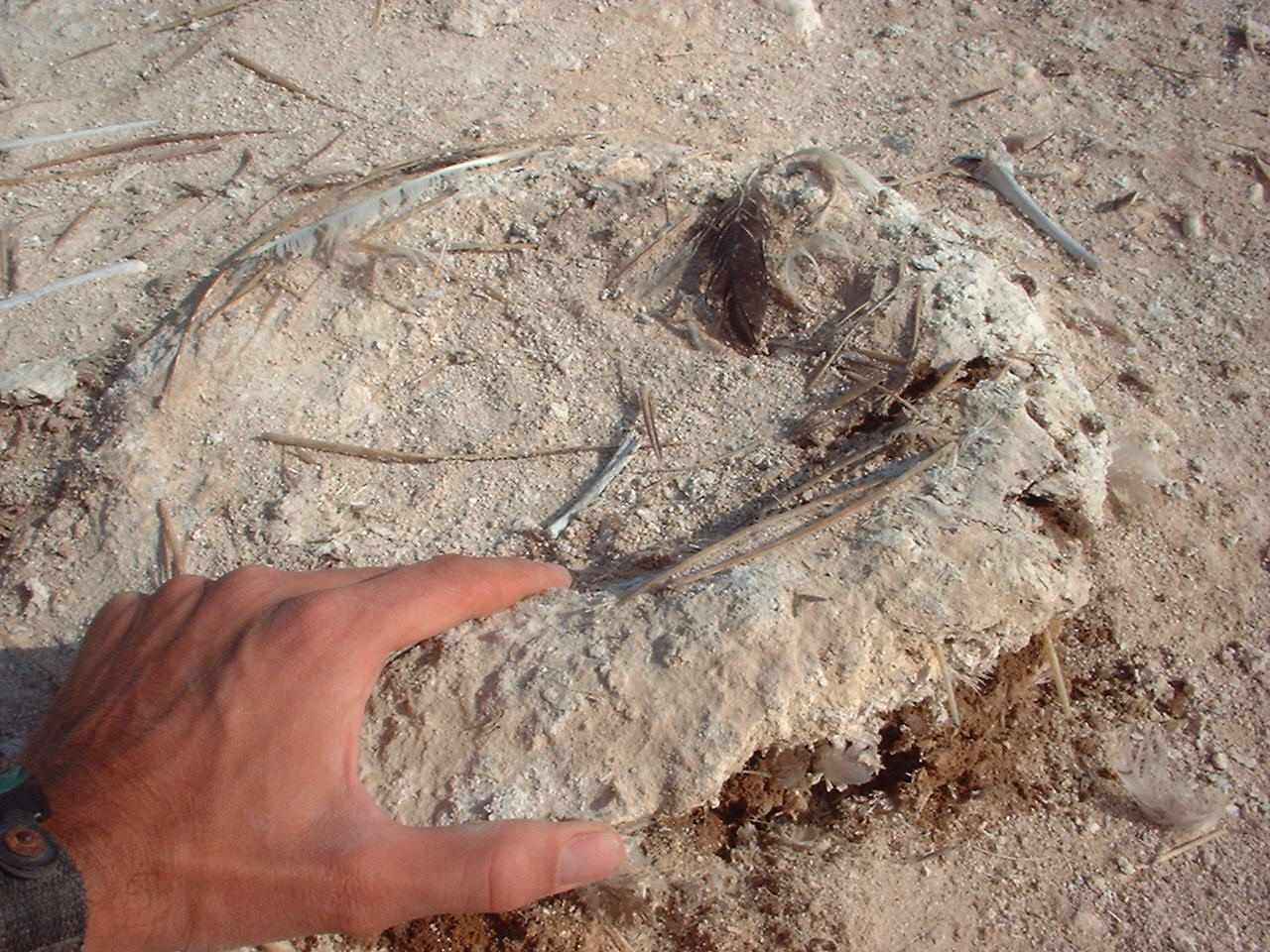
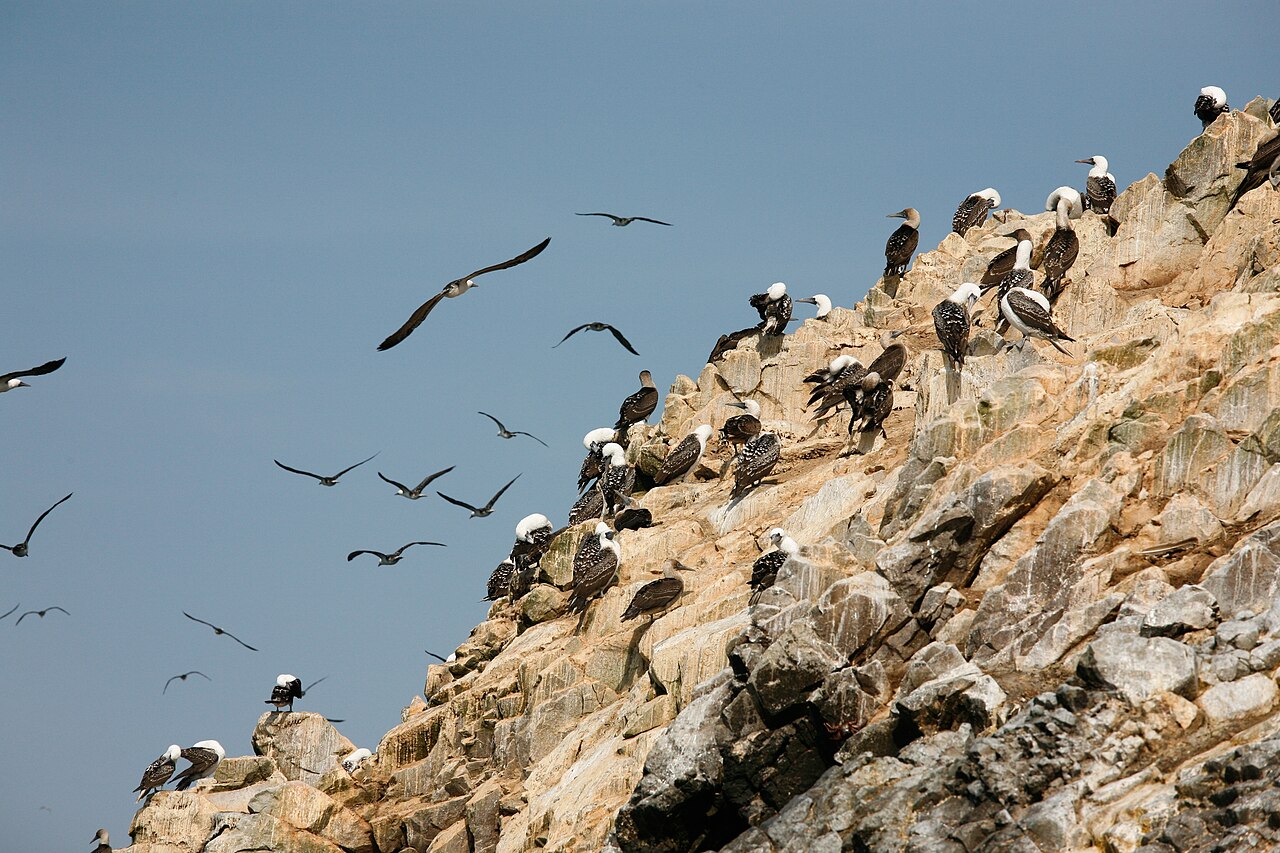
Guano is accumulated seabird or bat droppings, built up over centuries in dry climates where rain does not wash the nitrogen away, and it is among the most concentrated natural fertilisers that exists. Deposits on rainless coastal islands off Peru and Chile reached tens of metres deep.
Its value in the nineteenth century is hard to overstate. Guano was extracted and shipped globally as the premier agricultural fertiliser before synthetic nitrogen existed, and the trade drove the United States Guano Islands Act of 1856, contributed to the Chincha Islands War, and made and broke fortunes. It was mined with brutal labour conditions.
The trade collapsed after the Haber-Bosch process made synthetic nitrogen fixation possible in the early twentieth century. Guano is still harvested on a small scale for organic agriculture, and the deposits themselves remain an important scientific archive, since layers preserve records of seabird populations and climate going back thousands of years.
Frequently Asked Questions
Why is bird poop white?
The white part is urine, not faeces. Birds excrete nitrogen waste as uric acid, a white paste requiring almost no water, and it leaves through the cloaca together with the darker actual droppings.
Why do birds excrete uric acid instead of urine?
It saves water and weight for flight, and it allows an embryo in a sealed egg to store waste safely as harmless crystals rather than as a build-up of toxic urea. Reptiles do the same thing for the same reason.
What colour is healthy bird poop?
A dark green, olive, or brown faecal portion with a chalky white urate cap. In pet birds all three parts should be distinguishable and the faeces formed enough to hold shape.
Why is bird poop green?
Biliverdin, a bile pigment birds do not convert to brown bilirubin the way mammals do, plus diet. Green in the white urate portion rather than the faeces can indicate liver disease in pet birds.
Is bird poop dangerous?
Small amounts outdoors are essentially harmless. Large dried accumulations in attics, barns, and roosts carry histoplasmosis and cryptococcosis risk when disturbed, so wet them before cleaning and wear a respirator.
Why does bird poop damage car paint?
It is acidic, often pH 3 to 4.5, and etches the clear coat within hours in sun. It also dries into a hard gritty crust that scratches paint if wiped off dry rather than soaked and lifted.
Do birds poop while flying?
Yes, and many defecate on take-off to shed weight. Digestive transit is very fast, under an hour in small songbirds and as little as fifteen minutes in some fruit eaters.

Similar Posts
Blue and White Bird: How to Identify What You Saw
Belted kingfisher, tree swallow, or blue jay, plus why the indigo bunting keeps coming up. How habitat and pattern tell them apart.
Owl Symbolism: Spiritual Meaning and Signs
The owl symbolizes wisdom, intuition, and mystery. Here is its spiritual meaning, its role across cultures, and what an owl feather or spirit animal represents.
Baby Blue Jay: Identification, Care, and Survival
What a baby blue jay looks like at each stage, how to age one, what to feed it only in an emergency, and what to do if you find one on the ground.
Female House Finch: Identification Guide
The female house finch is a plain grayish-brown, streaky bird with no red, unlike the male. Learn how to identify a female house finch and tell her from lookalikes.
Types of Vultures: A Complete Guide
North America has three types of vultures: the turkey vulture, black vulture, and California condor. Learn how to tell them apart and why vultures are important.
Best Bird Seed for Cardinals
The best bird seed for cardinals is black oil sunflower and safflower, offered from a platform or hopper feeder with room for their thick beak.