Smallest Birds in the World: Tiny Champions
The smallest birds in the world are the hummingbirds, and the tiniest of all is the bee hummingbird of Cuba, a bird just over two inches long that weighs less than a US penny. These miniature marvels are so small they are sometimes mistaken for bees or large insects, yet they perform some of the most demanding flight in the animal kingdom. This guide reveals the smallest birds on Earth and in North America, explains how such tiny creatures survive, and introduces the little birds that might visit your own backyard.
| Smallest in the world | Bee hummingbird, about 2.2 in, under 2 grams |
| Smallest in North America | Calliope hummingbird, about 3 in |
| Smallest backyard birds | Hummingbirds and kinglets |
| Weight of bee hummingbird | Lighter than a dime |
| Survival tricks | Fluffing, shivering, torpor, sheltered roosts |
| Metabolism | Extremely high, must feed almost constantly |
The Bee Hummingbird: Smallest Bird on Earth
No bird is smaller than the bee hummingbird, found only in Cuba. An adult measures about 2.2 inches from bill tip to tail tip and weighs roughly 1.6 to 2 grams, less than a dime and lighter than many insects. Males are even smaller than females, making them the tiniest birds of all. Everything about this species is miniature: its eggs are the size of a coffee bean, and its cup nest is about as wide as a quarter. Despite its size, the male puts on a dazzling courtship display and its wings beat so fast they produce an audible hum. The bee hummingbird sits at the absolute lower limit of how small a warm blooded, flying vertebrate can be. It belongs to the family explored in our guide to types of hummingbirds.
The Smallest Bird in North America
North America’s smallest bird is the calliope hummingbird, a western species about three inches long and weighing around a tenth of an ounce, roughly the weight of a ping pong ball. What makes it extraordinary is not just its size but its toughness: this featherweight migrates thousands of miles each year between its breeding grounds in the northwestern United States and Canada and its wintering areas in Mexico. That such a tiny bird completes so grueling a journey is one of the great feats of endurance in nature. Other small hummingbirds, along with the diminutive kinglets, round out the ranks of North America’s smallest birds. For the eastern equivalent, see our hummingbird guide.
The Smallest Backyard Birds
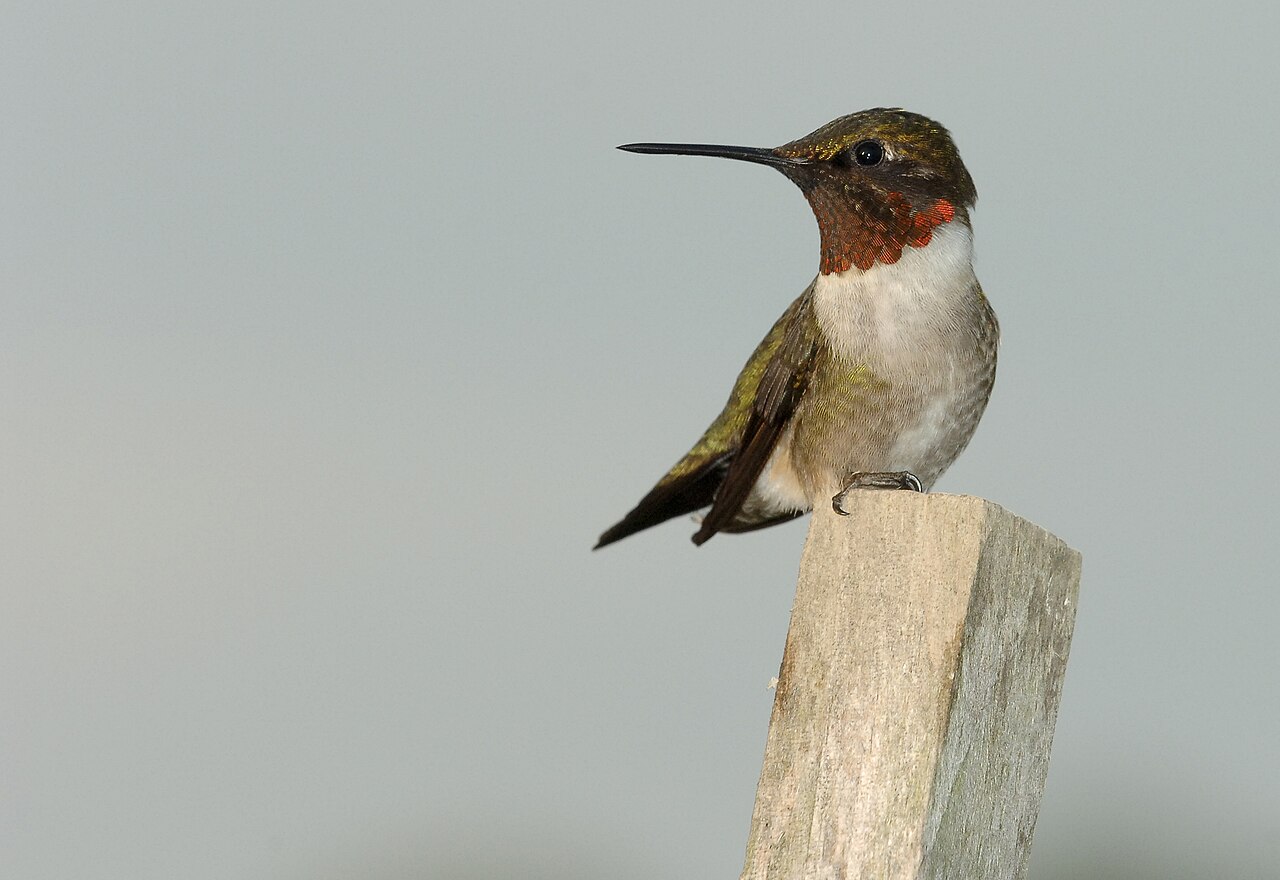
You do not have to travel to Cuba to marvel at tiny birds. Across North America, the smallest common backyard visitors are hummingbirds, such as the ruby throated hummingbird in the east and several species in the west, along with the kinglets. The ruby crowned kinglet and golden crowned kinglet weigh only a few grams and flit restlessly through foliage, flicking their wings as they hunt tiny insects. These little birds bring outsized energy to a yard. Offering a nectar feeder is the best way to host hummingbirds up close, a topic covered in our complete hummingbird guide and what hummingbirds eat.
How Do Tiny Birds Survive?
Being small is a constant physiological challenge. Small bodies have a high surface area relative to volume, so they lose heat rapidly, and tiny birds must work hard to stay warm and fed. They fluff their feathers to trap insulating air, shiver to generate heat, and seek out sheltered roosts. Hummingbirds have an especially dramatic survival tool: at night, or when food is scarce, they can enter torpor, a deep energy saving state in which their body temperature and heart rate plummet, cutting their energy use to a tiny fraction of normal. According to the Cornell Lab of Ornithology, torpor lets hummingbirds survive cold nights that would otherwise burn through their limited fuel reserves. This nightly near hibernation is what makes their extreme lifestyle sustainable.
Why Small Birds Eat So Much
The flip side of tiny size is a ravenous appetite. Small birds have very high metabolisms, and the smallest run the hottest engines of all. A hummingbird’s heart can beat over a thousand times a minute in flight, and to fuel that it must feed almost constantly, consuming roughly half its body weight in nectar and insects each day. This relentless energy demand shapes everything a tiny bird does, from choosing flower rich territories to entering torpor at night. It is the price of being small enough to hover at a blossom or slip through dense foliage. For the opposite extreme, see our guide to the largest birds, and for other record holders, the fastest birds.
Tiny Birds and Their Outsized Migrations
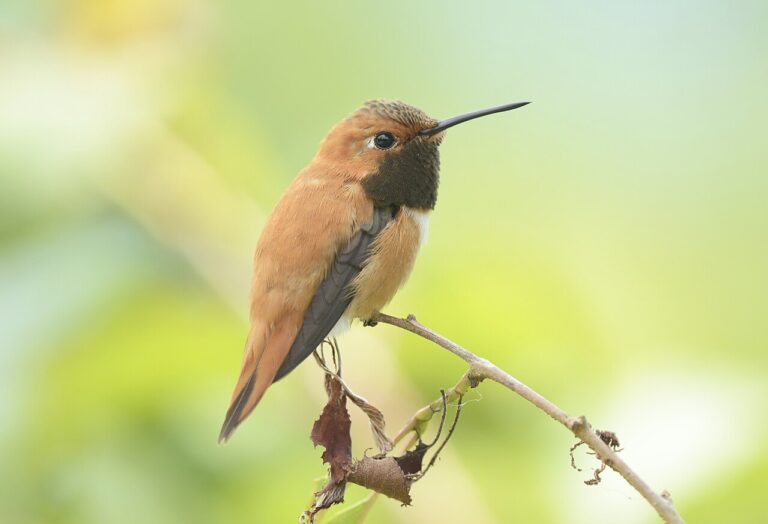
One of the most humbling facts about the smallest birds is how far some of them travel. The ruby throated hummingbird, a bird weighing about three grams, migrates from the eastern United States and Canada to Central America each year, and many cross the Gulf of Mexico in a single nonstop flight of some 500 miles over open water. The rufous hummingbird makes one of the longest migrations relative to body size of any bird, journeying between Alaska and Mexico. These featherweight travelers fuel up by nearly doubling their body weight in fat before departure, then burn it steadily across the journey. That a creature small enough to sit on a flower can undertake such epic journeys is one of nature’s great wonders and a reminder that size is no measure of capability. Our guide to hummingbird migration covers the timing of these journeys.
How to Attract the Smallest Birds
Hosting tiny birds is one of the great joys of backyard birding, and hummingbirds are the headline act. A nectar feeder filled with a simple four to one water and sugar solution, with no dye, will draw hummingbirds through the warm months, and a cluster of tubular nectar rich flowers like salvia, bee balm, and trumpet vine turns a yard into a hummingbird magnet. Keep feeders clean and the nectar fresh, changing it every few days in hot weather to prevent spoilage. Kinglets and other tiny insect eaters are drawn less by feeders and more by habitat: native trees and shrubs that host the small insects they hunt. Providing both nectar and insect rich native plantings covers the needs of the smallest birds. Our nectar recipe guide gives the exact proportions, and nectar flowers complete the picture.
How Tiny Birds Survive the Cold
Being small is costly, because a tiny body loses heat fast and burns fuel at a furious rate. The smallest birds fight back with behavior and biology working together. Many enter torpor on cold nights, lowering their body temperature and heart rate to save precious energy until dawn. They feed almost constantly through the day, favoring high value fuels such as nectar, insects, and rich seeds. Roosting in cavities, dense evergreens, or huddled groups traps warmth, and fluffing feathers adds insulating air. Offering fresh food and shelter in your yard gives these featherweights a real edge when temperatures drop.
Frequently Asked Questions
What is the smallest bird in the world?
The bee hummingbird of Cuba is the smallest bird in the world, measuring just over two inches long and weighing less than a US penny, about two grams. Males are even smaller than females. It is so tiny it is sometimes mistaken for an insect.
How small is the bee hummingbird?
The bee hummingbird is roughly 2.2 inches long and weighs about 1.6 to 2 grams, lighter than a dime. Its eggs are the size of a coffee bean, and its nest is about the width of a quarter, making it the smallest bird by every measure.
What is the smallest bird in North America?
The calliope hummingbird is the smallest bird in North America, about three inches long and weighing around a tenth of an ounce. Despite its tiny size it migrates thousands of miles between the western US and Mexico each year.
What is the smallest backyard bird?
In much of North America the smallest common backyard birds are hummingbirds like the ruby throated and the tiny kinglets. The ruby crowned and golden crowned kinglets weigh only a few grams and flit restlessly through trees.
How do tiny birds survive the cold?
Small birds lose heat quickly because of their high surface area, so they fluff their feathers for insulation, shiver to generate warmth, seek sheltered roosts, and some, like hummingbirds, enter torpor at night, dropping their body temperature to save energy.
Why are hummingbirds so small?
Hummingbirds evolved small size alongside hovering flight and a nectar diet. Being tiny lets them hover precisely at flowers, but it also demands an enormous metabolism, so they must feed almost constantly to fuel their rapid wingbeats.
Do small birds eat a lot?
Yes, relative to their size they eat enormous amounts. Tiny birds have very high metabolisms and must feed frequently, and hummingbirds may consume roughly half their body weight in food each day just to stay alive.