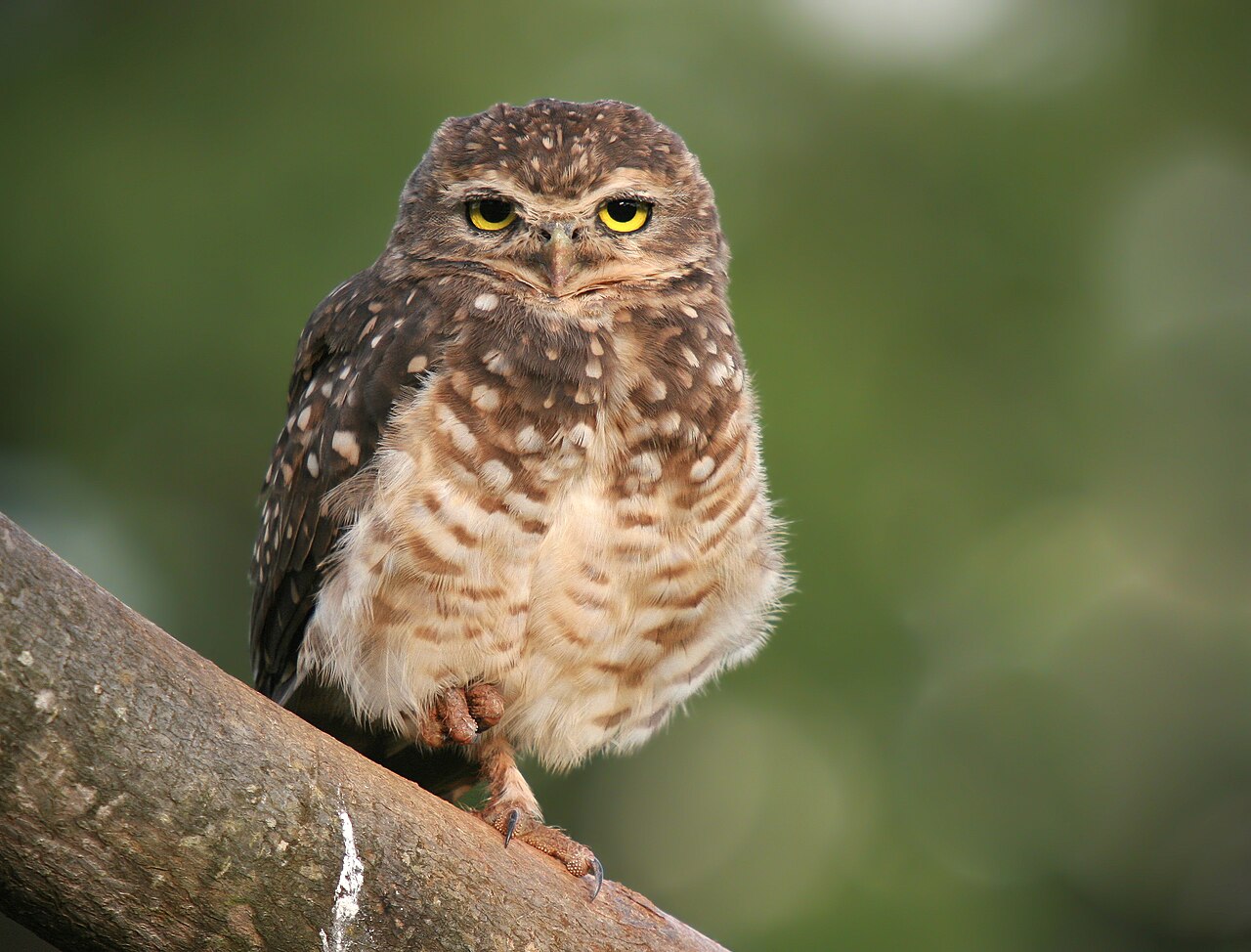
Are Owls Good Luck? What 7 Cultures Actually Believe
Owls are good luck in some cultures and a warning of death in others, and which one you believe depends almost entirely on where your family came from. In Japan, Greece, and much of western Europe, the owl is a charm for wisdom, protection, and money. In parts of India, Kenya, Mexico, and among several Native American nations, the same bird announces illness or a death in the household. There is no single global answer, which is why the question keeps coming back.
What follows is the short version of each tradition, in the words people actually use when they ask. If an owl has started calling outside your bedroom window and you want to know whether to worry, the practical answer comes first, and the folklore after it.
Owls are good luck in Japanese, Greek, Welsh, and most modern Western folklore, where they stand for wisdom, protection, and prosperity. They are considered bad omens in large parts of India, East Africa, Mexico, and in several Native American traditions, where an owl call near a house signals sickness or death. Biologically, an owl near your home means prey, not prophecy.
| Tradition | Owl means | Good or bad luck |
|---|---|---|
| Ancient Greece | Companion of Athena, wisdom and victory | Good |
| Japan | Fukuro, protection from hardship | Good |
| Wales and Britain | Weather sign, fertility, sometimes death | Mixed |
| Hindu tradition | Mount of Lakshmi, also a night omen | Mixed |
| Many Native American nations | Messenger between living and dead | Warning |
| Mexico and Central America | Tecolote, witchcraft and illness | Bad |
| Modern Western pop culture | Intelligence, study, mystery | Good |
Are Owls Good Luck or Bad Luck?
Both, and the split is geographic rather than mystical. Across roughly half the world the owl is a lucky bird: Greek coins carried the little owl of Athena as a symbol of the city’s wisdom, Japanese households still keep owl charms because the word fukuro can be read as “no hardship,” and English and American schools put owls on crests to mean learning. In those traditions the bird is a friend you want nearby.
In the other half the bird is a messenger of bad news. In parts of rural India an owl screeching on a roof is said to count the days left to someone inside. In Mexico the saying “cuando el tecolote canta, el indio muere” turns the call into a death notice. Among the Navajo, Apache, and several Plains nations, owls carry spirits and are treated with real caution rather than fear of the animal itself.
The reason one bird carries both meanings is simple. Owls are nocturnal, nearly silent in flight, and have forward facing eyes that look human. Any culture that fears the night will read that as threat, and any culture that admires watchfulness will read it as insight. If you want the full map of those readings, the longer breakdown lives in our guide to owl symbolism across cultures.
Why the Same Bird Means Wisdom in One Place and Death in Another
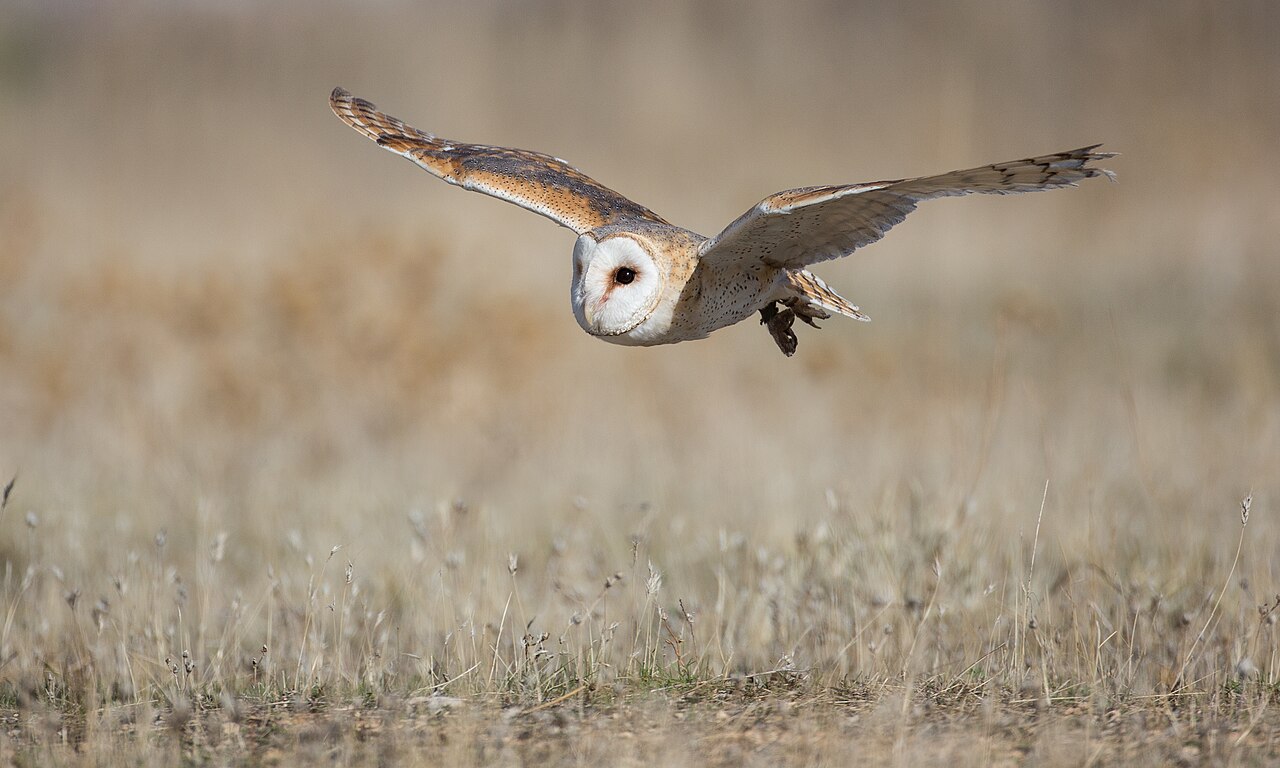
The physical facts of the animal are identical everywhere. Owls hunt after dark, they do not flock, their feathers are built to muffle sound, and many species scream rather than hoot. Folklore does not invent those traits, it interprets them, and the interpretation follows whatever the culture already believed about darkness.
Agricultural societies that valued the owl as a rodent control saw a helper. Barn owls (Tyto alba) kill an estimated 1,000 or more rodents a year per nesting pair, which made them welcome in European granaries and still makes them welcome in California vineyards today. Where grain storage mattered, the owl got a good reputation it earned honestly.
Societies where the night was associated with illness and spirits read the same silence as stalking. A bird that arrives without a sound, stares, and leaves no trace fits the role of a messenger from somewhere else. That is also why owls rarely show up as neutral in folklore. They are almost always either a blessing or a warning, and very seldom just a bird.
What Is the Spiritual Meaning of Hearing an Owl Hoot at Night?
In most traditions a hoot at night is read as a message that something in your life is ending and something else is beginning. The owl is treated as a threshold animal, so the hoot marks transition rather than doom: a job, a relationship, or a chapter closing. Three hoots in a row is the version most often described as a serious warning.
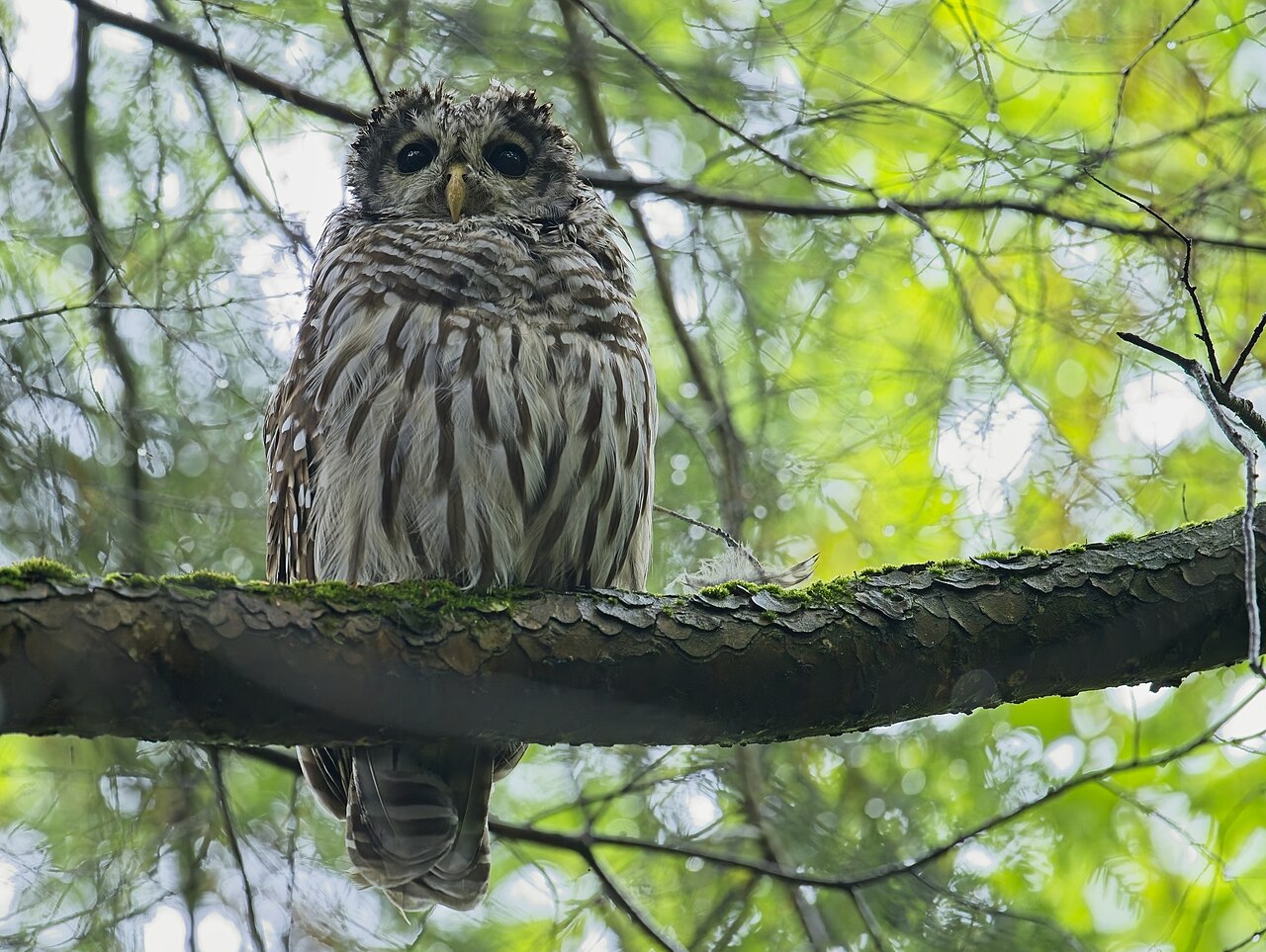
The biological reading is less dramatic and usually more useful. Great horned owls (Bubo virginianus) and barred owls (Strix varia) call most heavily from late winter into early spring because that is when they claim territory and court. A bird hooting outside your window in February is telling other owls where the boundary is, not telling you anything. Our breakdown of seeing an owl at night covers the seasonal pattern in detail.
If the call unsettles you, identify it. A low, even “hoo hoo hoo hoo” is a great horned owl. A rhythmic “who cooks for you” is a barred owl. A rasping shriek is usually a barn owl, and a lot of people who think they heard a scream in the yard actually heard this.
What Does It Mean If an Owl Visits You?
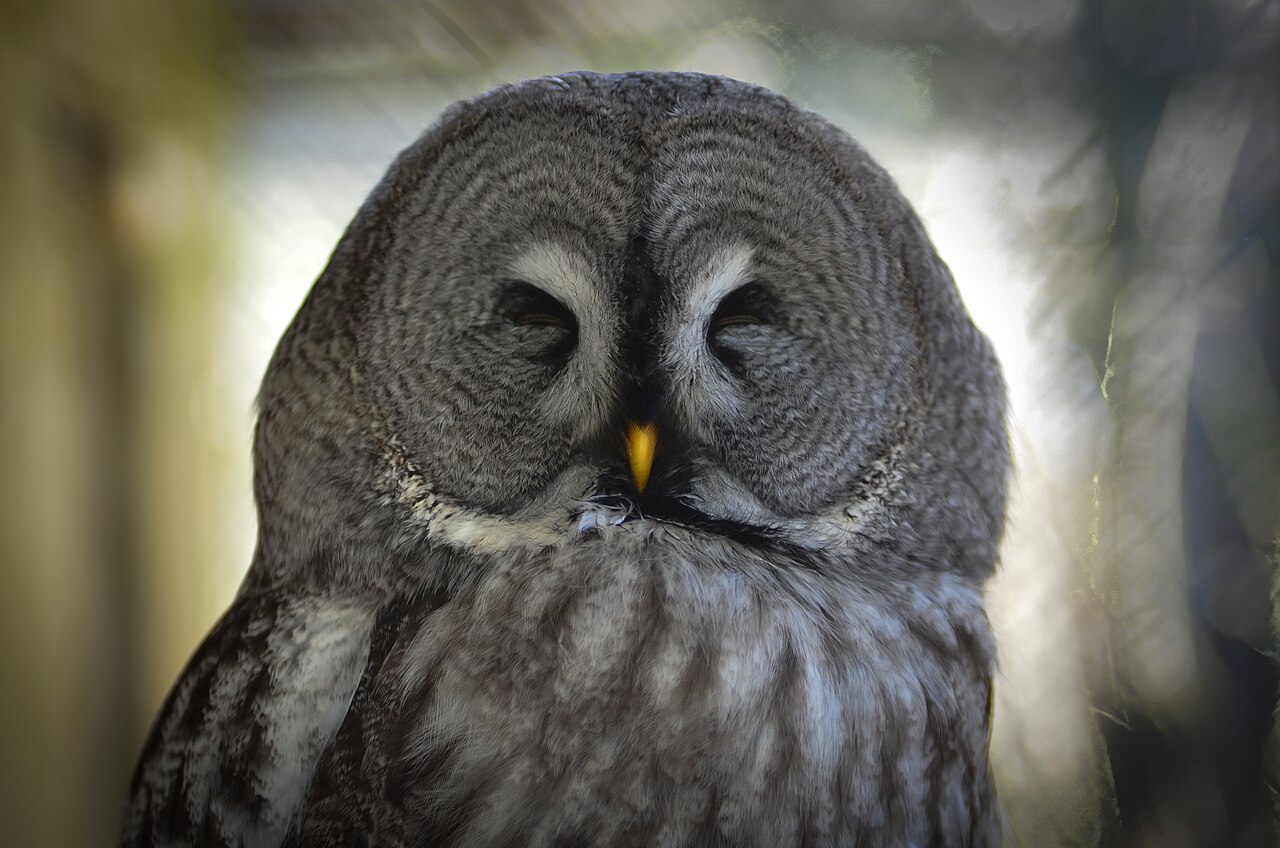
A single visit is almost always about habitat, not about you. Owls move toward reliable food and quiet perches, so a yard with a mouse population, an open lawn for hunting, a bird feeder spilling seed, and a mature tree or barn to sit in is simply good owl territory. If one shows up repeatedly, you have a hunting ground, not a haunting.
The traditional reading is that the owl brings a message you have been avoiding, which is why the visit so often gets remembered during a hard stretch of life. People notice owls when they are already awake at 3 a.m. worrying, and that selection effect does most of the work in the stories. The symbolism attached to a repeated owl visit is consistent across sources: pay attention to what you already know.
There is one case where a visit genuinely matters: a fledgling on the ground in late spring. Young owls leave the nest before they can fly well and spend days climbing and hopping. Leave them alone unless the bird is injured or in a road, and call a licensed wildlife rehabilitator rather than handling it.
Are Owls Warning Signs?
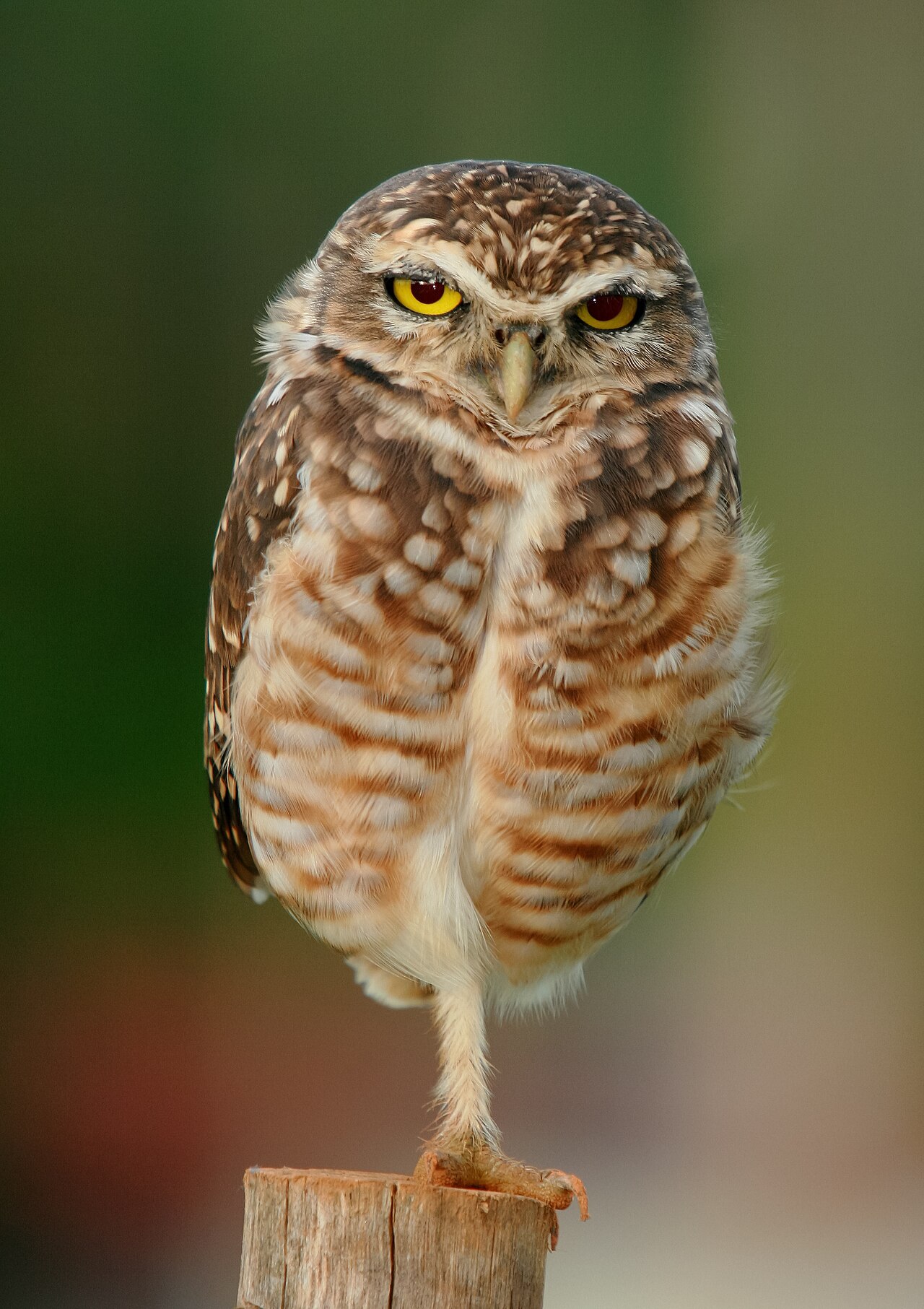
In folklore, yes, and the warning is usually specific rather than vague. The pattern across traditions is that owls warn about health, about deception, and about decisions being made in the dark. Greek sailors read an owl crossing the ship’s path as a reason to change course, and the same logic shows up in Appalachian and Irish versions.
Read practically, an owl can be a warning sign about your property rather than your fate. A sudden increase in owl activity often tracks a rodent boom, which may mean a feed bin is open, a compost pile is attracting mice, or a shed has a gap in it. The owl noticed before you did.
The one real caution involves pets. Great horned owls take prey up to and occasionally above their own weight, and small cats, toy breed dogs, and backyard poultry are genuinely at risk after dark. Secure a coop with a roof, not just a fence, and bring very small pets in at dusk.
Is Owl Good Luck in Hinduism?
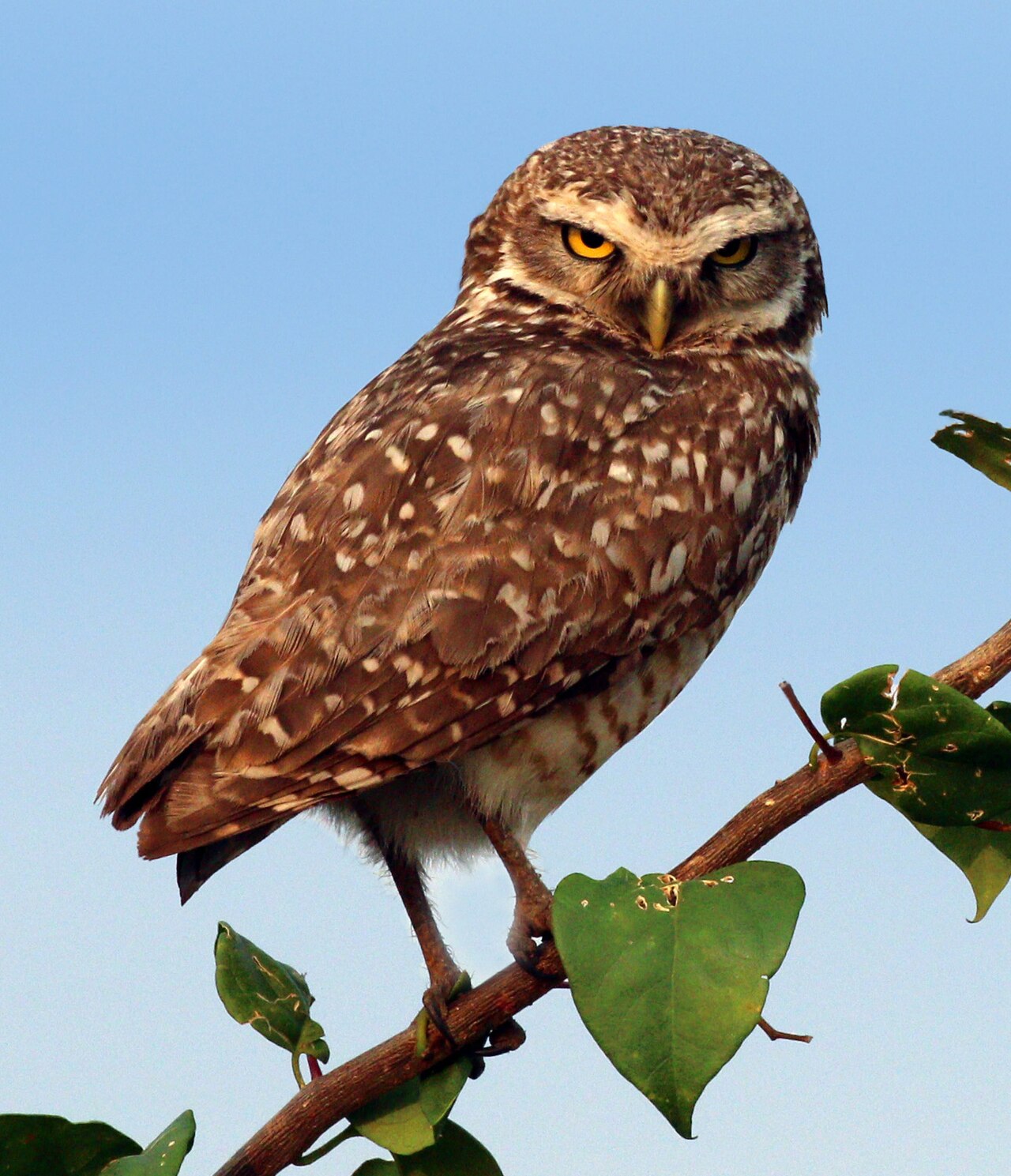
Hindu tradition holds both readings at once, which is why the question gets contradictory answers online. The owl, ulooka, is the vahana or mount of Lakshmi, goddess of wealth and fortune, and in that role it is strongly auspicious. Images of a white owl with Lakshmi are read as prosperity arriving.
At the same time, a popular folk reading treats an owl calling on the roof at night as an omen of illness or death in the household, and an owl entering the house as worse. Some regional traditions also link the bird to Jyestha or Alakshmi, the sister figure of misfortune. The two readings coexist because the mount of a goddess is still a creature of the night.
The practical takeaway is that context decides within the tradition itself: an owl seen by day near a home or shrine is usually read positively, and a repeated nighttime call directly over the house is the version people fear. For the color specific version of the belief, see the white owl reading.
What Is the Symbolism of Barn Owls in Native American Cultures?
Barn owl symbolism varies sharply by nation, and treating it as one belief is the most common mistake outsiders make. Among the Navajo (Diné), owls are associated with the spirits of the dead and with witchcraft, and a persistent owl near a home is taken seriously enough that a ceremony may be requested. Apache tradition carries a comparable caution.
Other nations read the bird differently. Among some Pueblo peoples the owl is a guardian figure tied to the underworld in a protective sense, and Hopi tradition associates the burrowing owl with the god of the dead but also with the growth of crops. Several Plains nations used owl feathers in regalia precisely because the bird’s night vision was a quality worth carrying.
What the traditions mostly share is respect rather than casual fear. The bird is treated as having a role in the relationship between living and dead, which is a different thing from “bad luck.” If you want the animal rather than the symbol, our species profile on the barn owl covers range, diet, and that distinctive shriek.
Owls as Good Luck in Greece, Japan, and Wales
Greek owl symbolism is the clearest positive case in the ancient world. The little owl (Athene noctua) accompanied Athena, appeared on Athenian silver tetradrachms, and an owl seen before a battle was read as a sign of victory. The association between the owl and wisdom in English comes almost directly from this line.
Japanese tradition keeps the owl explicitly lucky through wordplay. Fukurou can be written to read as “no hardship” or “good fortune comes,” so owl figurines are standard gifts for new homes, exams, and businesses. The northern Ainu tradition goes further and treats the Blakiston’s fish owl as a village guardian deity.
Welsh and wider British folklore is mixed but tilts practical. An owl calling among houses was said to mean an unmarried woman had lost her virtue, and an owl’s cry was widely read as a weather sign for coming rain or a change in wind. The death omen version exists in Britain too, but it sits alongside the harvest and weather readings rather than replacing them.
What Does God Say About Owls?
Owls appear in the Bible roughly a dozen times, and almost always as a marker of desolation rather than evil. Isaiah 34:11 through 15 places owls in the ruins of Edom, and Psalm 102:6 has the speaker compare himself to “an owl of the waste places” to describe loneliness. Leviticus 11:16 through 17 lists owls among birds that are not to be eaten.
Nothing in those passages makes the bird cursed or demonic. The owl is used the way a modern writer uses a boarded up street: it is the animal that remains after people leave, so it signals abandonment. Several of the Hebrew bird names in those lists are uncertain in translation, which is why English versions disagree about whether a given verse says owl, ostrich, or jackal.
Christian folk tradition later borrowed the darker reading and set the owl against the dove, and medieval bestiaries used it as a figure for those who prefer darkness to light. That is tradition rather than text. The same pattern applies elsewhere in bird folklore: the scripture is descriptive, and the superstition came after.
Is Seeing an Owl at Night Good or Bad in Astrology?
Western astrology has no formal place for owl sightings, so what circulates online is folk astrology built on top of the Moon and Saturn. The owl gets read as a lunar and Saturnian animal, meaning it is linked to intuition, hidden knowledge, boundaries, and endings. A sighting during a Saturn transit or an eclipse window is interpreted as confirmation that a hard structural change is underway.
Vedic astrology engages the bird more directly through shakun shastra, the traditional reading of omens. There, direction and timing carry the meaning: an owl seen to your right or heard in the early night is generally read as favorable, and a call directly overhead or in the hours before dawn is read as a warning about health.
Treat all of it as symbolism rather than forecast. The one astronomically real pattern is that owls are far more visible around the full moon, when hunting behavior shifts and the birds perch more conspicuously, which also explains why sightings cluster in the same few nights each month.
Owls as Luck Charms, Tattoos, and Gifts Today
Modern use of the owl is overwhelmingly positive, whatever the older traditions said. Owl figurines are given as housewarming and graduation gifts, owl jewelry sells as a wisdom charm, and owl tattoos are among the most requested bird designs in the United States. The ominous reading survives mainly in horror films and in families that carry a specific cultural memory of it.
If you are choosing an owl as a personal symbol, the species changes the message. A barn owl reads as mystery and transition because of the pale face and the shriek. A great horned owl reads as power and territory. A little owl reads as study and wisdom because of the Athena connection, and a snowy owl reads as clarity and isolation. The design conventions for each are covered in our piece on owl tattoo meaning.
One practical note on gifts: in households with Indian, Mexican, or Navajo heritage, an owl ornament can land very differently than intended. Ask before giving one, the same way you would check before giving a clock in China or lilies in parts of Europe. The bird is not universally charming, and that is the whole answer to the original question.
Frequently Asked Questions
What does it mean when God sends you an owl?
In Christian folk interpretation, an owl is usually read as a call to pay attention to something you have been avoiding, because the bird sees in the dark. Scripture itself uses owls as images of desolation and loneliness rather than as messengers, so the “sent” reading is devotional tradition rather than biblical text.
What is the angel message of an owl?
In New Age angel symbolism the owl is read as a sign to trust intuition and to stop ignoring a truth you already sense, often tied to the number 11 or to a transition. It is treated as encouragement rather than warning. This interpretation is modern, dating mostly to twentieth century spiritualist writing, not to older folklore.
What powers do owls have?
Physically, owls have asymmetric ear openings that let them pinpoint prey under snow by sound alone, serrated flight feathers that cut turbulence for near silent flight, and tube shaped eyes with enough rod cells to hunt in light levels 100 times dimmer than humans need. They also rotate their heads about 270 degrees to compensate for eyes that cannot move.
Is an owl coming to your house good or bad?
Across traditions this is the single most contested case: Japanese and Greek readings treat it as fortune arriving, while Hindu folk belief, Mexican tradition, and Navajo teaching read an owl entering or perching on a house as a warning about illness. Practically, it means your property holds rodents and good perches.
Are owls good luck at night specifically?
Night sightings carry the heavier meaning in nearly every tradition, because that is when the bird naturally operates and when fear of the dark shapes the reading. Positive traditions do not change at night, but warning traditions intensify, especially for calls heard after midnight or directly above a sleeping area.
Is seeing a white owl at night a good sign?
In Hindu tradition a white owl is strongly auspicious because of the link to Lakshmi, and in Western symbolism white usually reads as clarity or a clean break. In North America a genuinely white owl at night is most likely a barn owl, whose pale underside flashes in headlights, or a snowy owl in winter.
For identification help rather than interpretation, the Cornell Lab of Ornithology maintains free call libraries for every North American owl species at All About Birds, and comparing a recording against them resolves most nighttime mysteries in under a minute. If what you heard turns out not to be an owl at all, our guide to birds that sound like owls lists the usual suspects.