White Owls Identification: Snowy & Others
Only one owl in North America is naturally white: the Snowy Owl, an Arctic breeder that irrupts south into the northern United States most winters. Almost everything else people call a “white owl” is a pale Barn Owl seen at night, an unusually light Great Horned or Barred Owl, or a rare leucistic bird with a genetic pigment loss. Telling them apart comes down to face shape, barring pattern, and where and when the sighting happened, and once you know the handful of clues below, most reported “white owls” sort themselves out fairly quickly.
| Bird | How White | Key Clue |
| Snowy Owl | Mostly to entirely white, with some dark barring remaining | Round head, no ear tufts, yellow eyes |
| Barn Owl | Pale golden-white face and underside | Heart-shaped face, dark eyes |
| Leucistic Great Horned Owl | Rare all-white or blotchy-white individual | Ear tufts still visible even when pale |
| Albino owl (any species) | Extremely rare, all white with pink/red eyes | Pink eyes distinguish true albinism |
The Snowy Owl: The Only True White Owl
The Snowy Owl is the species people are almost always picturing when they search for a white owl. Adult males can become almost entirely pure white with age, while females and young birds keep varying amounts of dark brown barring across the back, wings, and crown even as adults. It is a large, round-headed owl with no ear tufts, piercing yellow eyes, and a heavily feathered body built for Arctic cold. Snowy Owls breed on the open tundra of Alaska and northern Canada and move south into the northern United States in irregular numbers most winters, a movement driven largely by lemming population cycles on the breeding grounds.
Why People Mistake Barn Owls for White Owls
The Barn Owl is the most common source of “white owl” sightings outside of true Snowy Owl range. In headlights or a flashlight beam at night, its pale golden-buff and white plumage and heart-shaped face can look startlingly white, and its silent, ghostly flight only adds to the impression. The clearest distinction from a Snowy Owl is the face: a Barn Owl’s face is a flattened, heart-shaped disc with dark eyes, while a Snowy Owl has a round face and yellow eyes. Barn Owls are also far more slender and long-legged than the stocky, heavily built Snowy Owl.
Leucistic and Albino Owls
Occasionally a Great Horned Owl, Barred Owl, or another normally dark species is born with leucism, a genetic condition that reduces or removes pigment from some or all of its feathers, producing a patchy white or nearly all-white bird that still has normal dark eyes. True albinism, a total lack of melanin resulting in pink or red eyes as well as white feathers, is far rarer still and usually comes with poor eyesight and reduced survival, since an owl’s dark plumage plays a major role in camouflage and heat regulation. A leucistic Great Horned Owl retains its ear tufts and overall shape, which is the fastest way to rule out a genuine Snowy Owl.
Snowy Owl Irruptions: When and Where to Look
Snowy Owl sightings in the Lower 48 spike during irruption years, when a bumper crop of lemmings on the tundra one summer produces an unusually large number of young owls that then push farther south than usual the following winter in search of food and open territory. Airports, open farmland, dunes, and large lakeshores are favorite winter perches because they mimic the open, treeless tundra the species is adapted to hunt over. The largest irruptions tend to reach the northern tier of states from the Great Lakes to New England, with birds occasionally showing up much farther south in exceptional years. Researchers who study these movements have found that irruptions are driven more by a good breeding season, and the resulting surplus of healthy young owls, than by any shortage of food on the tundra itself.
Color Morphs and Age Differences in Snowy Owls
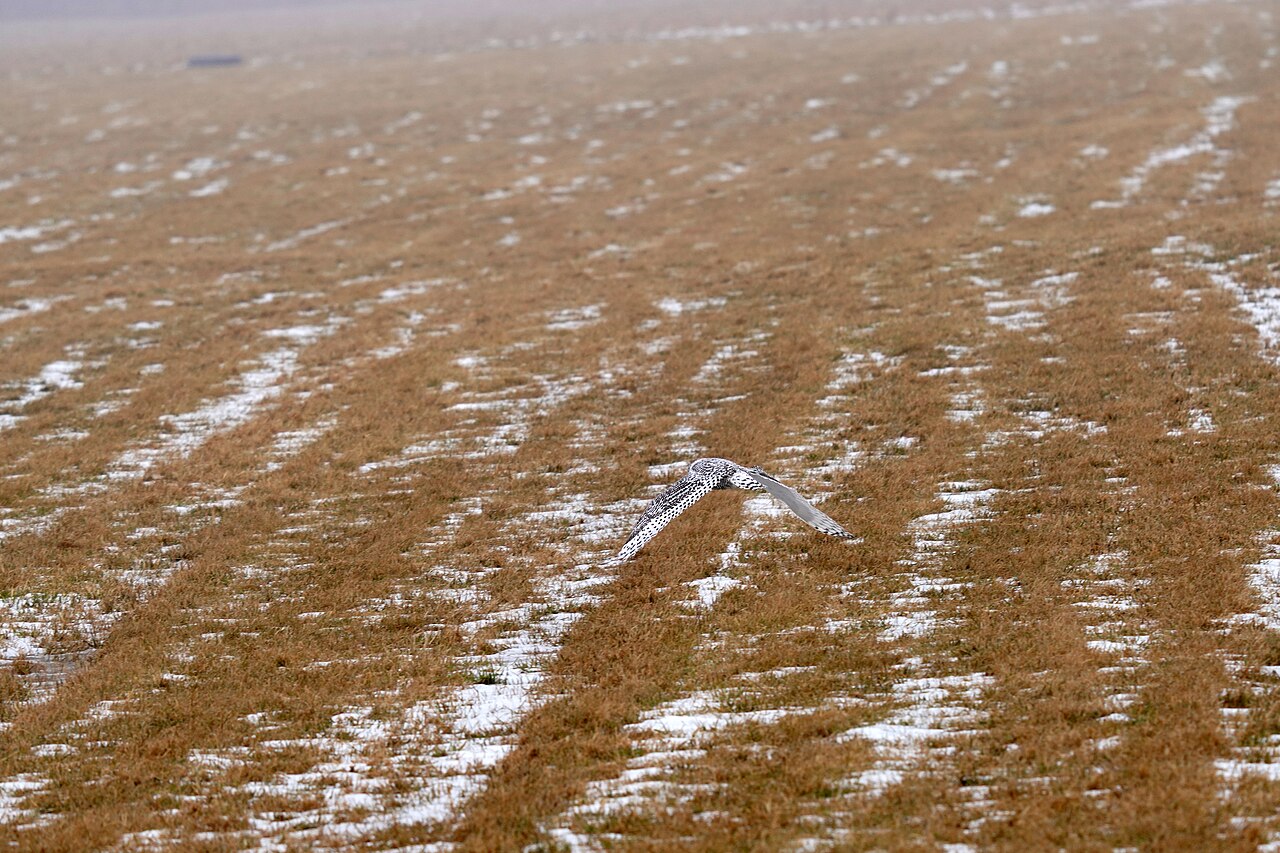
Snowy Owl plumage is not fixed; it changes with age and sex. Young birds of both sexes hatch with heavy dark barring, and males gradually whiten with each molt while many females retain noticeable barring on the back and wings for life. This means an all-white bird in the field is almost always an older male, while a heavily barred but still clearly pale bird is more likely a female or younger individual of either sex, not a separate species or subspecies. Because of this pattern, birders often use the amount of barring as a rough way to estimate both the age and sex of a Snowy Owl without needing to see it up close, and some experienced observers can narrow an age estimate down to within a year or two based on barring alone.
Other Pale Owls Worth Knowing
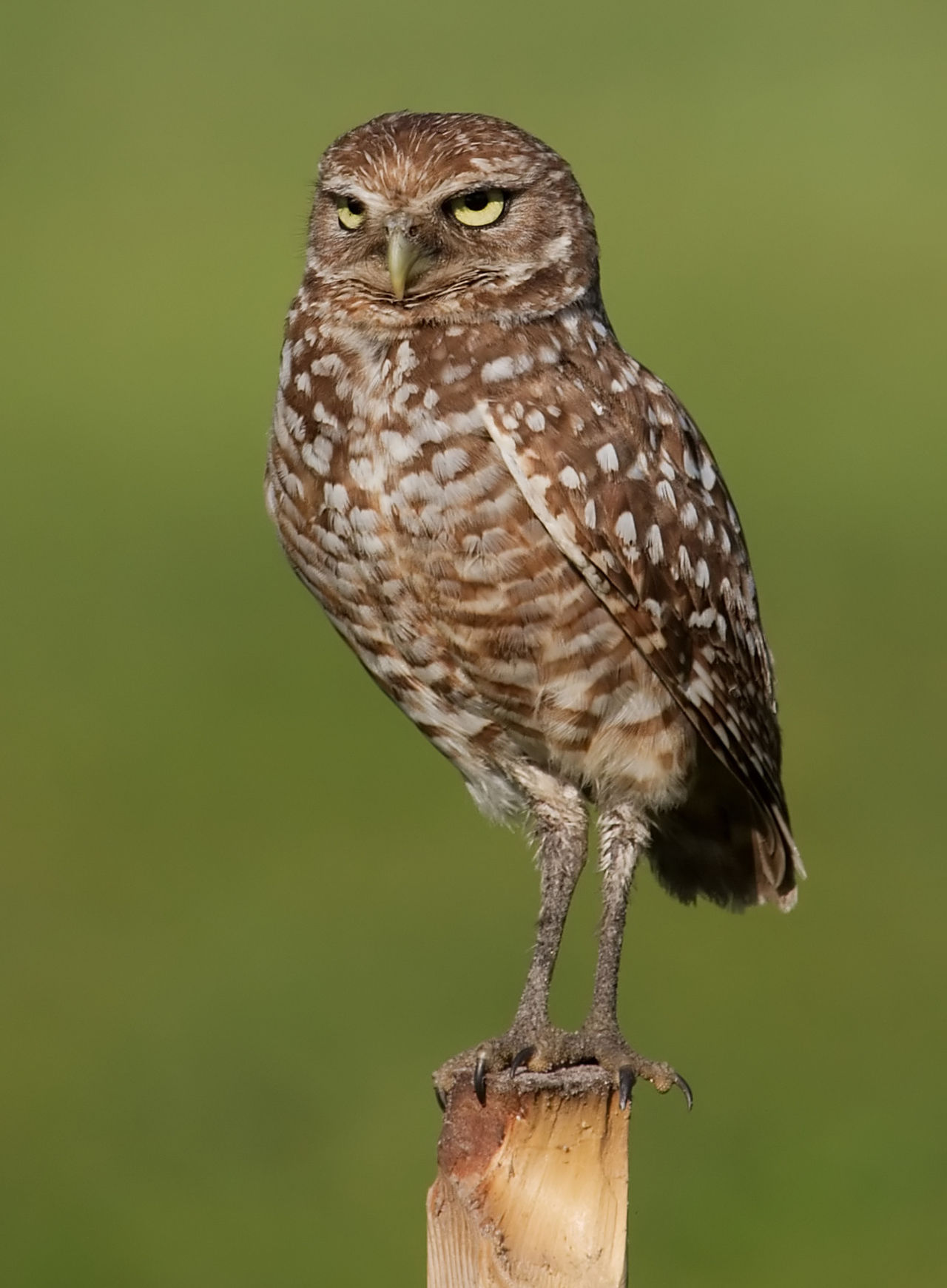
A few other species occasionally add to the confusion. The Barred Owl can look pale gray and washed out in poor light despite its brown barring, and a pale-morph Eastern Screech-Owl can look almost silvery white in a flashlight beam, though its small size and ear tufts rule out a Snowy Owl immediately. Learning the calls of common owls in your area is often a faster way to confirm identity than color alone, since a Snowy Owl is largely silent outside the breeding season while a Barred Owl calls year round. Even experienced birders sometimes rely on a combination of shape, habitat, and season rather than color alone before confirming a distant sighting as a genuine Snowy Owl.
Conservation Status
According to the Cornell Lab of Ornithology, Snowy Owl populations have declined significantly in recent decades, and the species is now listed as Vulnerable due to climate-driven changes on its Arctic breeding grounds affecting lemming cycles and nesting success. Photographing or observing a Snowy Owl from a respectful distance, without flushing it from a daytime roost, helps the bird conserve the energy it needs to survive a winter far outside its usual range. Because Snowy Owls hunt by day as well as by night on their tundra breeding grounds, wintering birds are often visible resting in the open during daylight, which makes keeping a safe distance especially important.
Photographing a White Owl Responsibly
Snowy Owls wintering far south of their Arctic range are already under physical stress, often thin from a long migration and reliant on limited daytime rest to conserve energy for hunting. Approaching too closely, using flash photography, or repeatedly flushing a resting bird from its perch forces it to burn energy it cannot easily replace outside its normal breeding grounds. Using a long lens or spotting scope from a respectful distance, staying on public roads or trails, and leaving after a reasonable look all help ensure the bird is still there for the next person who wants to see it, and more importantly, that it survives the winter in good condition. Local birding hotlines and online rare-bird alerts can point toward recent sightings without requiring anyone to trespass on private land or approach a roost too closely to get a photograph.
Related reading: how to attract owls.
Frequently Asked Questions
Is there a completely white owl species?
The Snowy Owl is the closest to a truly white species, with older males becoming almost entirely white, though most individuals retain some dark barring throughout their lives.
What owl looks white at night but is not a Snowy Owl?
The Barn Owl is the most common culprit. Its pale, heart-shaped face and light underside can look nearly white in flashlight or headlight beams, even though it is a completely different species from the Snowy Owl.
Can a Great Horned Owl be white?
A pure white Great Horned Owl is extremely rare and would result from leucism, a genetic condition that removes pigment. Such a bird still keeps its characteristic ear tufts and overall shape.
Where do Snowy Owls live in the winter?
Snowy Owls winter in open habitats such as farmland, coastal dunes, large lakeshores, and airports across the northern United States and southern Canada, favoring treeless areas that resemble their Arctic tundra breeding grounds.
Why do some Snowy Owls have more dark barring than others?
Barring is tied to age and sex. Young birds of both sexes are heavily barred, and males whiten more with each molt, so a mostly barred adult is usually a female while a nearly pure white adult is almost always an older male.
Are white owls rare to see?
Snowy Owls are uncommon and irregular visitors to the Lower 48, appearing in larger numbers only during irruption years driven by lemming population booms on their Arctic breeding grounds. Even in a strong irruption year, most individual sightings are still concentrated in the northern tier of states, so a Snowy Owl sighting farther south remains a genuinely notable event worth reporting to local birding groups.