Birds That Mate for Life: Devoted Species
Many birds mate for life, forming lasting pair bonds that can endure for years or even decades, including bald eagles, Canada geese, swans, sandhill cranes, and albatrosses. While lifelong monogamy is not universal among birds, a number of species are famous for their devotion. This guide covers what it means for birds to mate for life, the most devoted species, why some birds form lasting bonds, and how faithful these pairings really are.
| Bird | Bond |
|---|---|
| Bald Eagle | Lifelong pairs, reunite yearly |
| Canada Goose | Mate for life, strong families |
| Mute Swan | Famous lifelong devotion |
| Sandhill Crane | Long-term pairs, dance together |
| Albatross | Decades-long bonds |
| Atlantic Puffin | Return to same mate and burrow |
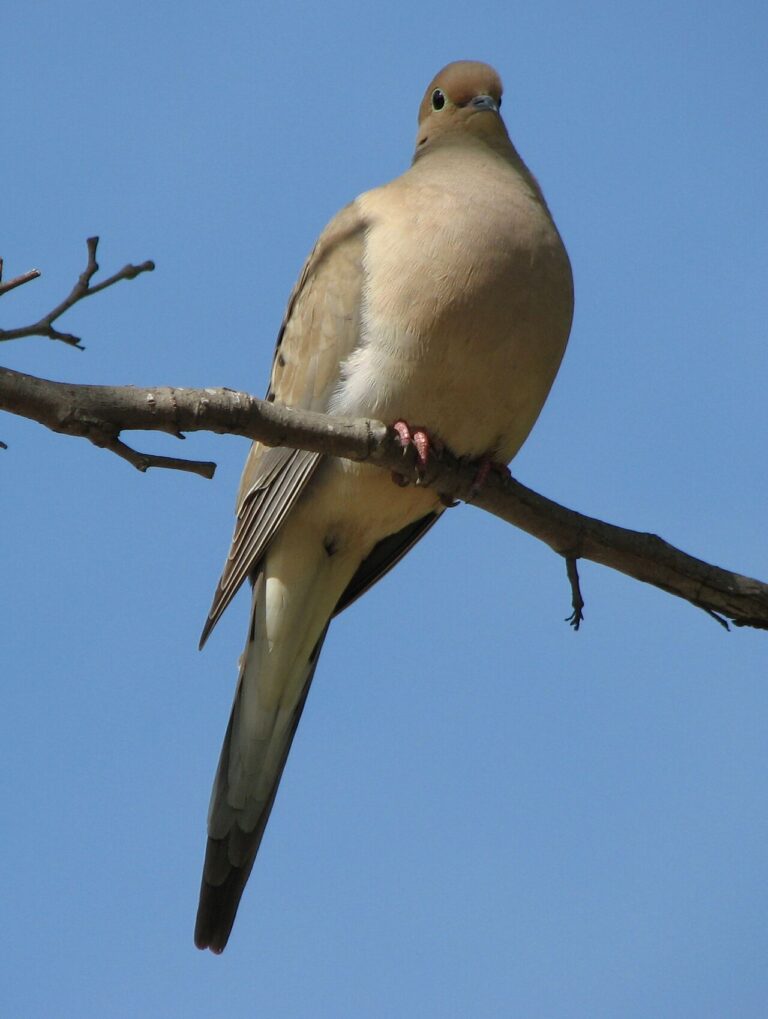
| Mourning Dove | Seasonal to lasting pairs |
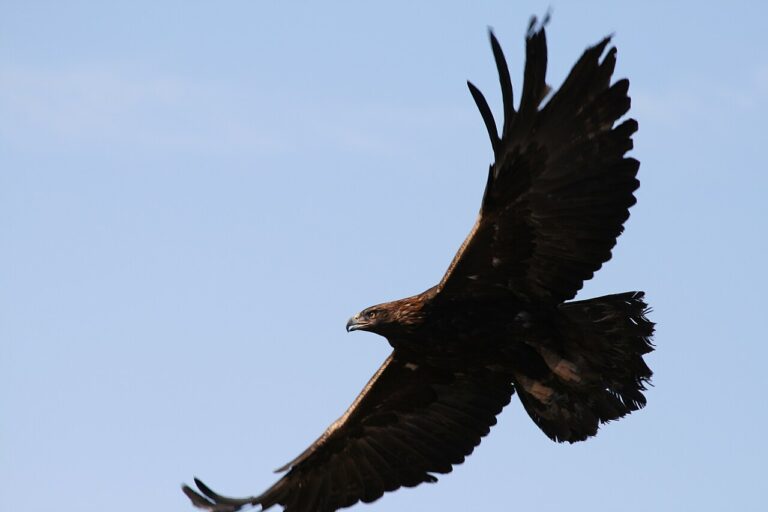
| Bald Eagle | Devoted co-parents |
Birds that mate for life include bald eagles, swans, Canada geese, sandhill cranes, albatrosses and many parrots. The bond is about raising young together rather than sexual exclusivity: DNA studies find chicks fathered outside the pair in most socially monogamous species.
What Does It Mean for Birds to Mate for Life?
When we say birds mate for life, it generally means that a pair forms a lasting bond and stays together across multiple breeding seasons, often reuniting year after year to raise young together. This is a form of long-term monogamy, and it is more common in birds than in most other animal groups. For many of these species, the pair works together to build nests, incubate eggs, and raise chicks, and staying together allows them to become more effective partners over time. However, mating for life does not always mean absolute, unbroken fidelity. Some pairs stay together only as long as both survive, others may occasionally seek mates outside the pair, and some species that are socially monogamous still have young fathered by other males. Even so, the strong, lasting pair bonds seen in many birds are genuine and remarkable, reflecting real devotion, as seen in symbolic birds like the crane.
Birds That Are Famous for Lifelong Bonds
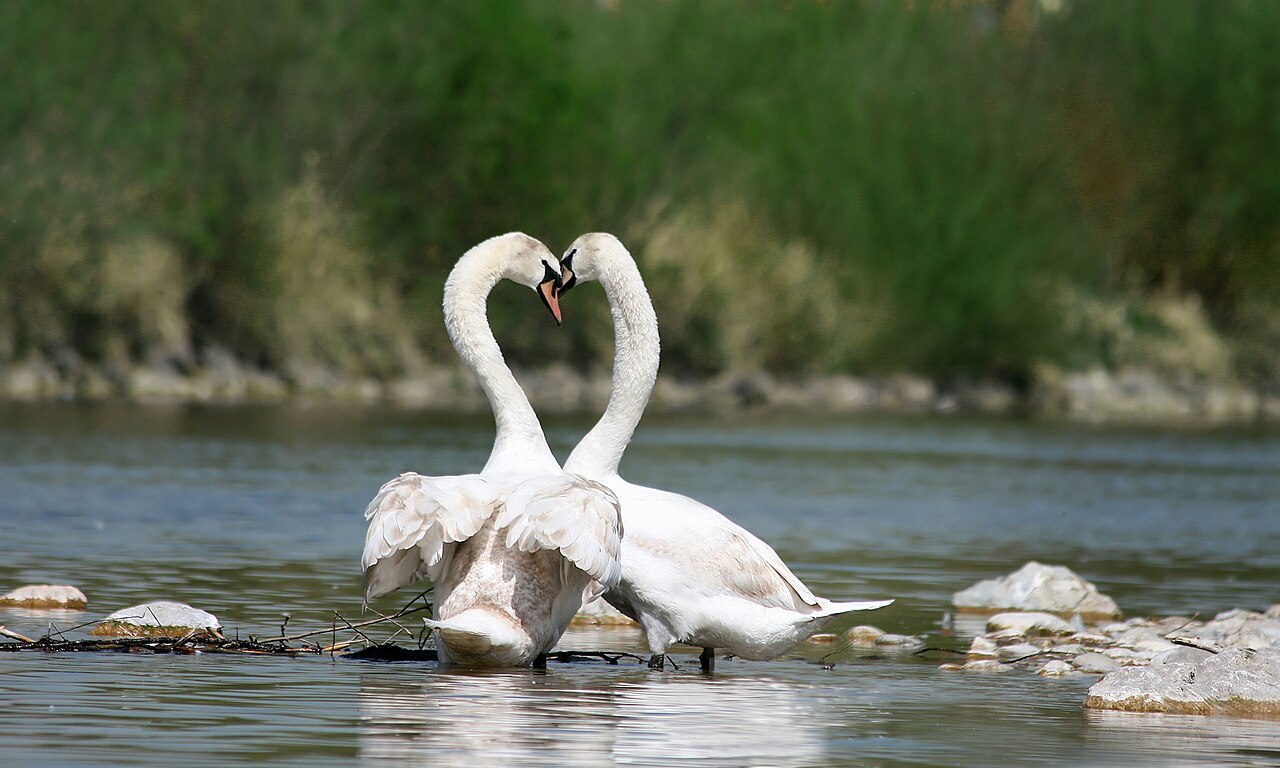
Several birds are especially celebrated for their lasting pair bonds. The bald eagle typically mates for life, with pairs reuniting each year at the same nest and working together as devoted co-parents. Canada geese form strong, lifelong bonds and keep their family groups together through migration, as covered in our guide to types of geese. Swans, including the mute swan, are perhaps the most iconic symbol of devotion, famous for their lifelong pairings and graceful togetherness. Sandhill cranes and their relatives form long-term bonds and perform elaborate dances that strengthen their pair bond, as explored in our guide to crane symbolism. Albatrosses are renowned for bonds that can last decades, reuniting after long times apart at sea. Atlantic puffins often return to the same mate and burrow year after year, and many owls and birds of prey also form lasting partnerships. These species show how strong and enduring bird pair bonds can be.
Why Some Birds Mate for Life
There are good biological reasons why many birds form lasting pair bonds. For species whose young require a great deal of care, having two dedicated parents greatly improves the chances that the chicks will survive, so staying with a proven partner is advantageous. In birds that take a long time to raise their young, or that breed in challenging environments, cooperation between a bonded pair is especially valuable. Staying together across seasons also saves time and energy, since the pair does not have to find and court a new mate each year, and experienced partners often become more successful breeders over time. For long-lived birds like albatrosses, eagles, and swans, a durable bond can pay off across many years of shared breeding. In short, mating for life is often an effective strategy for raising young successfully, which is why it has evolved in so many bird species, including devoted parents like the birds in our guide to types of doves.
How Faithful Are These Birds Really?
While many birds are celebrated for mating for life, the reality is often more nuanced than the romantic ideal. Most birds described as mating for life are socially monogamous, meaning they form a lasting pair bond and raise young together, but this does not always guarantee complete genetic fidelity. Studies have shown that in some socially monogamous species, a portion of the chicks in a nest may be fathered by a male other than the female’s partner, a behavior known as extra-pair mating. Additionally, some pairs do separate, an event sometimes called divorce, particularly after failed breeding attempts, and a surviving bird will usually find a new mate if its partner dies. That said, some species, such as certain albatrosses and swans, show very high fidelity and rarely part. So while not every bird is perfectly faithful, the strong, lasting bonds many birds form are real and meaningful, reflecting genuine cooperation and devotion, qualities that make them powerful symbols, as explored in our guide to bird symbolism.
The Bald Eagle’s Lifelong Bond
The bald eagle is one of the best examples of a bird that mates for life, and its bond is genuinely impressive. According to the Cornell Lab of Ornithology, bald eagles typically mate for life and often return to the same nest year after year, adding to it over time until it becomes enormous, one of the largest nests of any bird. The pair works together closely to raise their young, with both the male and female taking turns incubating the eggs and bringing food to the eaglets. This long-term partnership and shared parenting greatly improve the chances that their young will survive. If one member of a pair dies, the survivor will generally find a new mate, but as long as both are alive, bald eagles usually remain faithful partners across many breeding seasons. This devotion, combined with the eagle’s power and majesty, makes it a fitting symbol of loyalty, much like the faithful birds in our guide to types of geese.
Birds That Form Seasonal Bonds
Not all birds mate for life, and it helps to understand the range of pairing strategies among birds. Many songbirds form pair bonds that last only for a single breeding season, coming together to raise one or more broods and then going their separate ways, finding new mates the following year. This seasonal monogamy is very common and works well for shorter-lived birds that breed quickly. Other birds are polygamous, with one individual mating with several partners, as seen in species where a single male defends a territory containing multiple females. And even among birds that stay together for life, occasional separations and matings outside the pair can occur. So while the devoted, lifelong pairs of eagles, swans, and cranes capture our imagination, they represent just one end of a wide spectrum of bird relationships. Appreciating this variety gives a fuller picture of how birds reproduce, complementing the devoted species celebrated in our guide to crane symbolism.
The Symbolism of Devoted Birds
The lasting bonds of birds that mate for life have made them powerful symbols of love, loyalty, and devotion in cultures around the world. Swans, with their graceful lifelong pairings, are perhaps the ultimate emblem of romantic love and are often depicted forming a heart shape with their curved necks. Doves, associated with peace and love, are commonly released at weddings as symbols of a devoted union. Cranes, which form long-term bonds and dance together, symbolize fidelity and lasting marriage, especially in East Asian traditions. Even the powerful bald eagle, mating for life and raising young together, embodies partnership and loyalty. These associations arise directly from the birds’ genuine devotion, showing how their real behavior inspired enduring human symbols. The faithful pairings of these birds continue to move and inspire people, making them cherished representations of commitment, as explored further in our guide to crane symbolism.
Related reading: types of swans.
Related reading: how do birds mate.
Which Bird Is the Most Loyal to Its Partner?
By the standard of the longest and least broken pair bond, albatrosses are the most loyal birds. Laysan and wandering albatrosses pair after years of courtship, breed slowly, and stay together for decades, with divorce rates measured in low single-digit percentages. A pair may raise chicks together for thirty or forty years, which no songbird approaches.
Among familiar North American birds, the strongest bonds belong to Trumpeter and Mute Swans, sandhill cranes and bald eagles. All four defend a territory together year after year, and eagles rebuild and reuse the same nest for decades, adding material each season until it weighs a ton or more.
What Happens When a Mate Dies?
Almost every long-bonded bird eventually re-pairs, usually within a season, and this is not evidence that the bond meant little. For a species where two adults are needed to raise young, a surviving bird that does not find a new partner simply stops reproducing, so the pressure to re-pair is strong.
The pattern differs by species. Geese and swans often show a period of visible disruption, staying near the territory and calling, before pairing again the following year. Eagles usually accept a new mate quickly, sometimes within weeks, because holding a good territory matters more than any individual partner. Albatrosses are the outlier: with a breeding cycle measured in years, a widowed bird may take several seasons to court and settle with a new partner. Audubon’s Bald Eagle account covers territory and nest reuse across seasons.
Frequently Asked Questions
What birds mate for life?
Bald eagles, Canada geese, swans, sandhill cranes, albatrosses, Atlantic puffins, and many owls and doves are among the birds known for lasting, lifelong pair bonds.
Do birds really mate for life?
Many birds form lasting pair bonds across multiple seasons, which is true long-term monogamy, though it does not always mean complete fidelity or that pairs never separate.
What bird is the symbol of lifelong love?
Swans are the most iconic symbol of lifelong love and devotion, famous for their lasting pairings, while cranes and doves are also associated with faithful bonds.
Why do some birds mate for life?
Lasting bonds help raise young successfully, since two dedicated parents improve chick survival, and staying with a proven mate saves time and energy each breeding season.
Do eagles mate for life?
Yes, bald eagles typically mate for life, reuniting each year at the same nest and working together as devoted parents, though a survivor will find a new mate.
What is the most faithful bird?
Albatrosses are among the most faithful birds, with pairs sometimes staying together for decades and rarely separating, maintained by elaborate courtship dances.
Do birds ever change mates?
Yes, some pairs separate, especially after failed nesting, and a bird will usually find a new mate if its partner dies, though some species rarely part.