Pacman Frog Lifespan: How to Get 15 Years, Not 4
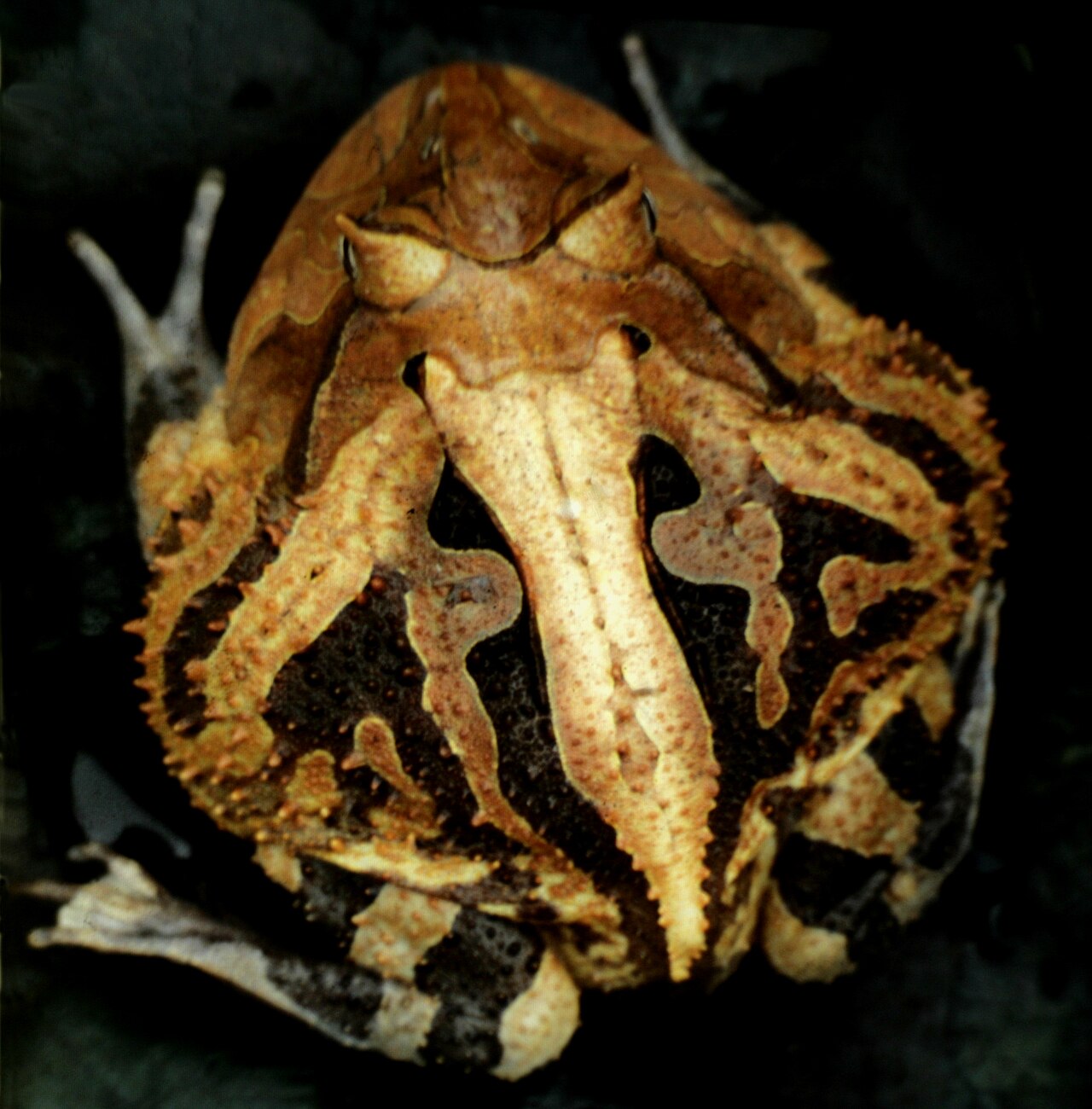
The Pacman frog lifespan is 10 to 15 years in captivity, with well kept individuals reaching 16 years and a few documented past 20. That is far longer than most first time buyers expect from a $30 frog, and it is roughly double what the same animal manages in the wild, where 6 to 10 years is typical.
The gap between a 4 year frog and a 15 year frog is almost entirely husbandry. These are sedentary ambush predators that hide their problems well, so the two things that shorten their lives, overfeeding and dry substrate, both look harmless for months before they matter.
Pacman frogs (Ceratophrys species) live 10 to 15 years in captivity and 6 to 10 years in the wild, with some captives exceeding 20 years. Females outlive males on average. The most common causes of early death are obesity from overfeeding, impaction from loose substrate, and dehydration from a substrate that is too dry.
| Measure | Typical figure |
|---|---|
| Captive lifespan | 10 to 15 years |
| Wild lifespan | 6 to 10 years |
| Record captive age | Over 20 years |
| Female vs male | Females typically live 1 to 3 years longer |
| Full grown at | 12 to 18 months |
| Top killers | Obesity, impaction, dehydration, low temperature |
How Long Do Pacman Frogs Live in Captivity?
Expect 10 to 15 years from a captive bred Pacman frog kept correctly. Females commonly reach the upper end of that range and sometimes pass it, because they grow larger and appear to age more slowly than the smaller, shorter lived males.
Species matters less than people assume. The Argentine horned frog (Ceratophrys ornata) and the Cranwell’s horned frog (Ceratophrys cranwelli), which covers most of the color morphs sold including the strawberry Pacman frog, both average around the same span. The Suriname horned frog (Ceratophrys cornuta) is the exception: it is a rainforest species, less forgiving of husbandry errors, and captives often fall short of 10 years.
Why Wild Pacman Frogs Live Shorter Lives
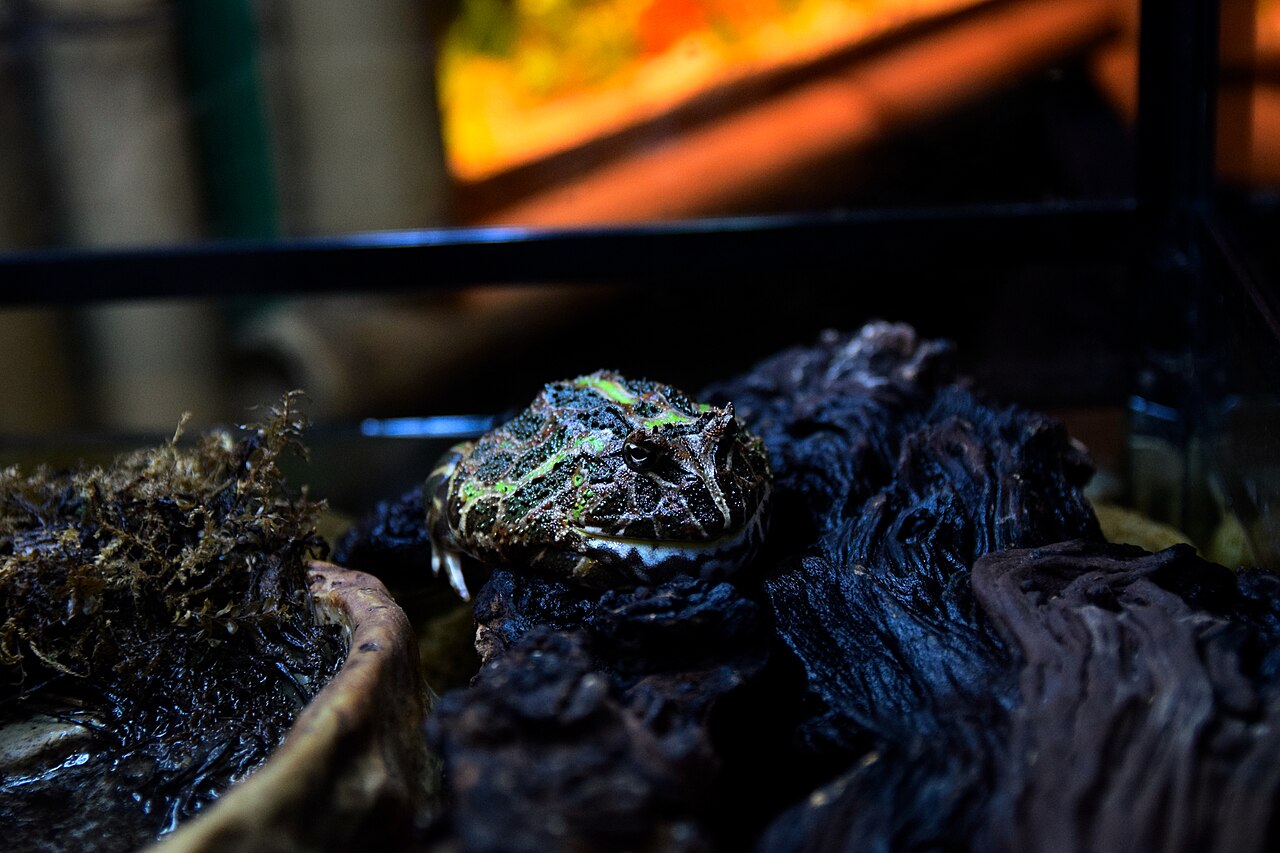
In the grasslands and dry forest of Argentina, Uruguay, Paraguay, and Brazil, a Pacman frog spends much of the year buried in a cocoon of shed skin waiting out the dry season. Predators, drought years, and failed rainy seasons remove most animals well before old age, and 6 to 10 years is a good run.
Captivity removes almost all of that pressure. Constant humidity, guaranteed food, and no predators are why a tank raised frog doubles the wild figure, and also why the remaining risks are all keeper made rather than natural.
What Shortens a Pacman Frog’s Lifespan
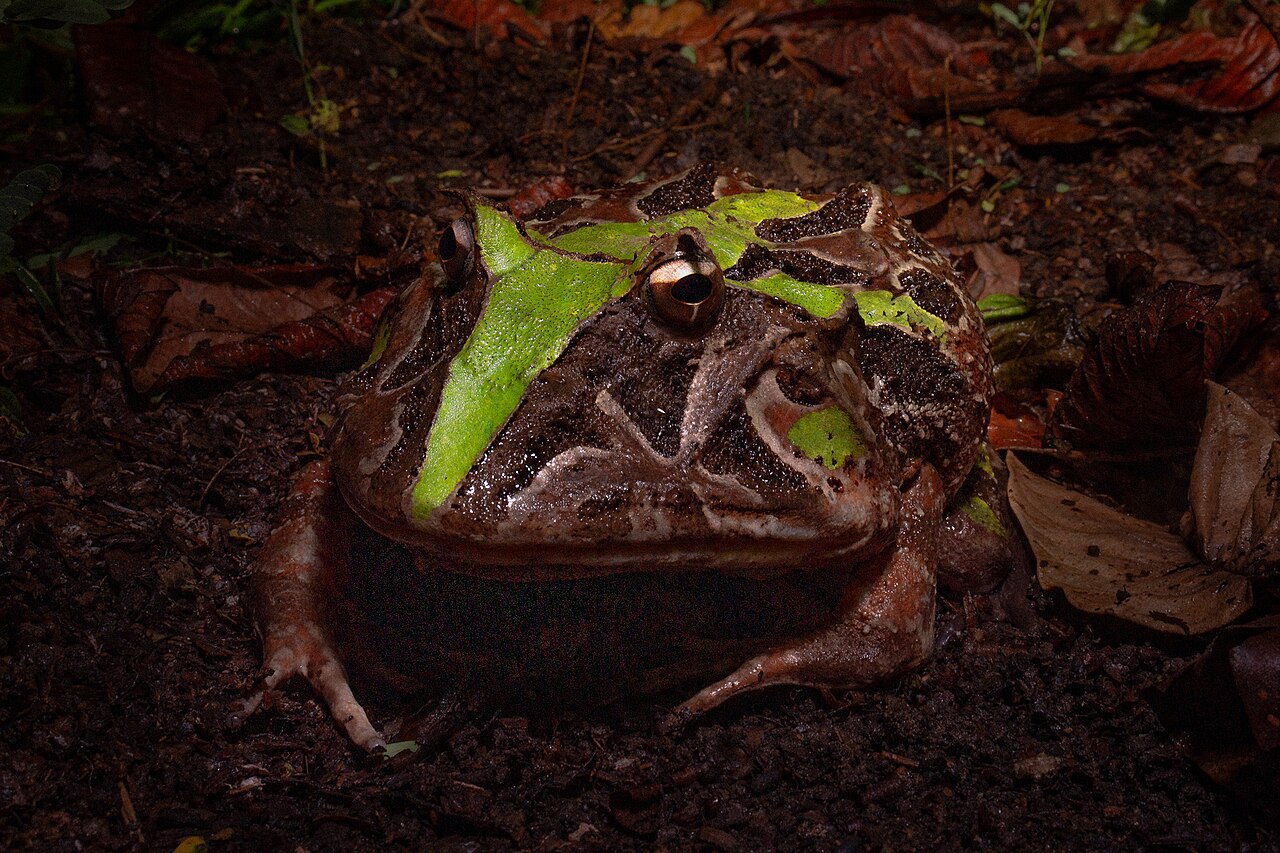
Overfeeding is the leading cause of early death. A frog that eats as often as it will accept food becomes obese within a year, and obesity brings fatty liver disease and a visibly bloated body that no longer shows a defined outline. Adults need food only every 3 to 5 days, and skipping a week does an overweight frog good.
Impaction is second. A frog that strikes at prey on gravel, bark chips, or coconut husk swallows the substrate with it, and a blocked gut is often fatal. Dehydration is third: coconut fiber that is allowed to dry out causes a stuck shed and skin damage, and a frog that is too cool, below about 75 F (24 C), digests slowly and stops feeding. Details of correct setup are in our Pacman frog care guide.
Care That Gets a Pacman Frog Past Ten Years
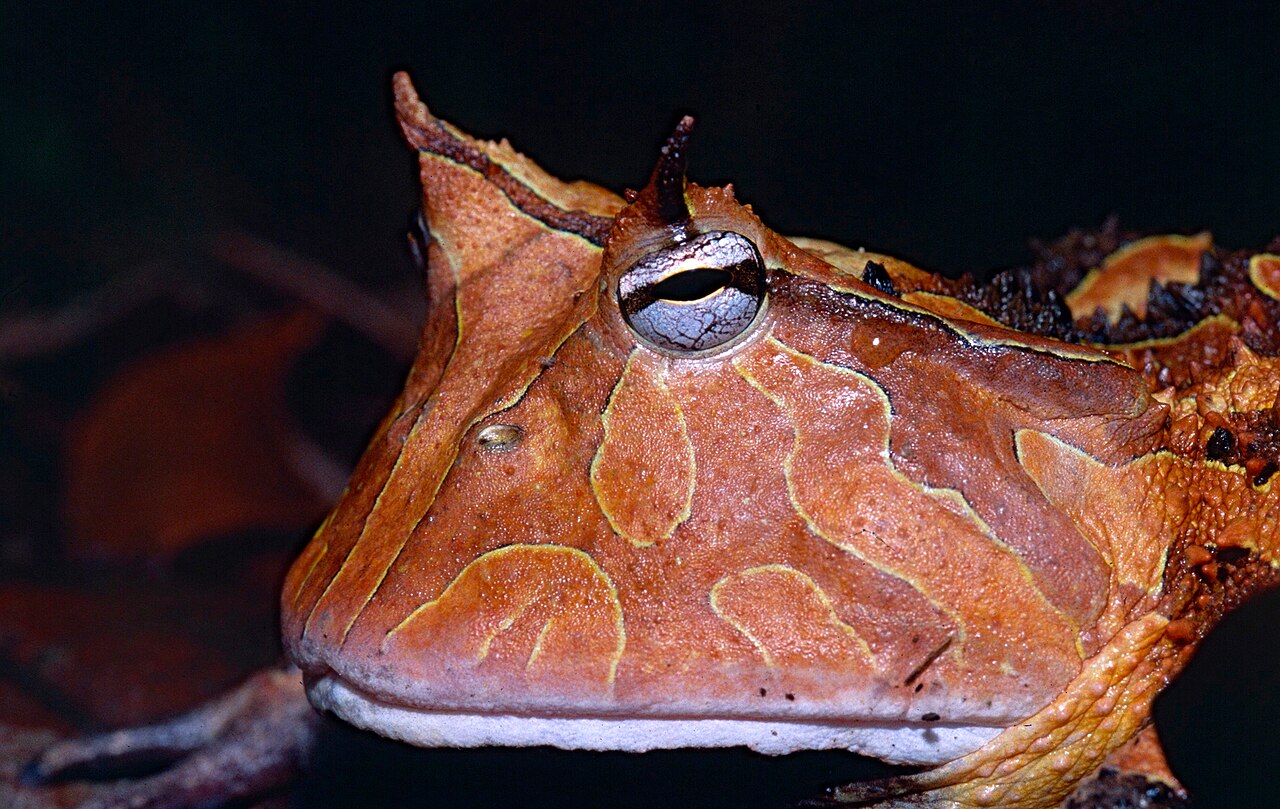
Keep 3 to 4 inches (8 to 10 cm) of damp coconut fiber or sphagnum moss, never gravel or bark chips, and press it down so the frog can burrow with only the eyes showing. Hold temperature at 75 to 85 F (24 to 29 C) with humidity at 60 to 80 percent, and provide a shallow dish of dechlorinated water the frog can sit in but not drown in.
Feed appropriately sized gut loaded insects, crickets, dubia roaches, and hornworms, dusted with calcium and a multivitamin, and treat pinkie mice as a rare item rather than a staple because they drive obesity fast. Juveniles eat every other day, adults every 3 to 5 days, and one prey item should be no wider than the space between the frog’s eyes. For the mechanics of that bite, see Pacman frog teeth.
How Long Until a Pac-Man Frog Is Full Grown?
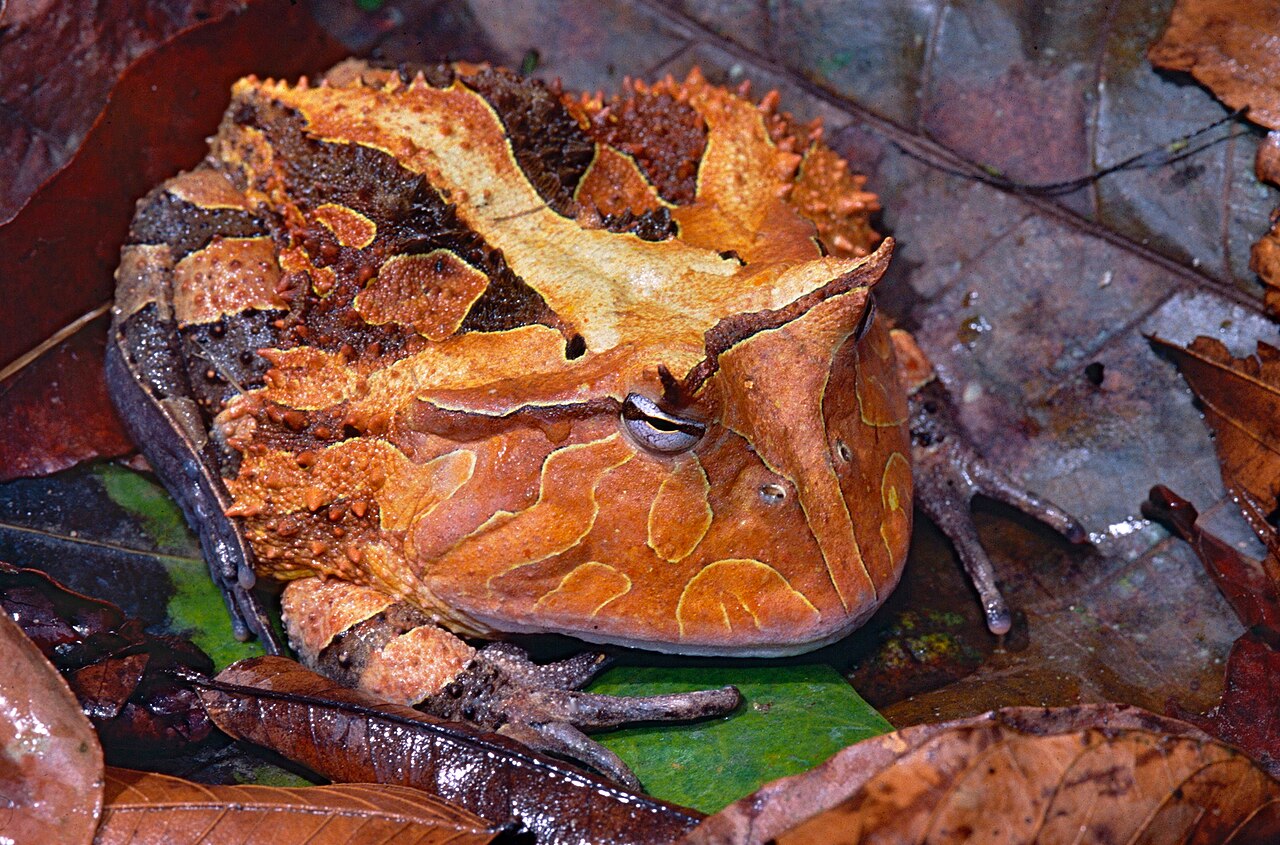
A Pacman frog reaches full adult size in 12 to 18 months, with most of the growth packed into the first 6 months. Females finish at 4 to 7 inches (10 to 18 cm) across and males at 2.5 to 4 inches (6 to 10 cm), and the full range is covered in our guide to Pacman frog size.
Fast growth is not a goal. Power feeding a juvenile to reach adult size in 8 months produces a heavy frog with a shortened life, while a frog grown at a normal pace on a varied insect diet is the one that reaches 15. Sexual maturity arrives at 1 to 2 years, earlier in males.
Frequently Asked Questions
How can I tell if my Pacman frog is old?
Aging Pacman frogs feed less often, spend more time buried, and shed less cleanly than they did as young adults. Skin may look duller and less elastic. None of these signs are reliable on their own, since the same behavior follows a cool tank or a dry substrate, so check temperature and humidity before concluding it is age.
How to tell if a Pacman frog is happy?
A healthy Pacman frog burrows with its eyes exposed, takes food readily on schedule, sheds in one piece, and has clear skin with no red patches on the belly or feet. A frog sitting fully exposed on the surface for days, refusing food outside of a normal cool season slowdown, or showing reddened skin needs its setup checked immediately.
Do Pacman frogs like being held?
No. Handling stresses them and their skin absorbs residues from your hands, so keep it to essential moves only, with wet clean hands or damp gloves. They also bite hard enough to draw blood, which is one of the first things most keepers learn about the Pacman frog in general.
How many Pacman frogs can you put together?
One. Pacman frogs are cannibalistic ambush predators that will attempt to swallow anything they can fit in their mouth, including a tankmate of similar size. Housing two together shortens at least one lifespan to zero, and the Smithsonian’s National Zoo keeps horned frogs individually for the same reason.