Types of Blue Birds in Texas: Identification Guide
The blue birds of Texas include the eastern bluebird, western bluebird, mountain bluebird, blue jay, indigo bunting, blue grosbeak, and belted kingfisher. Texas is one of the few states with all three bluebird species, alongside many other blue-toned birds. This guide covers the types of blue birds in Texas, how to identify them, and where to see them.
| Blue Bird | Key Feature |
|---|---|
| Eastern Bluebird | Blue above, orange breast |
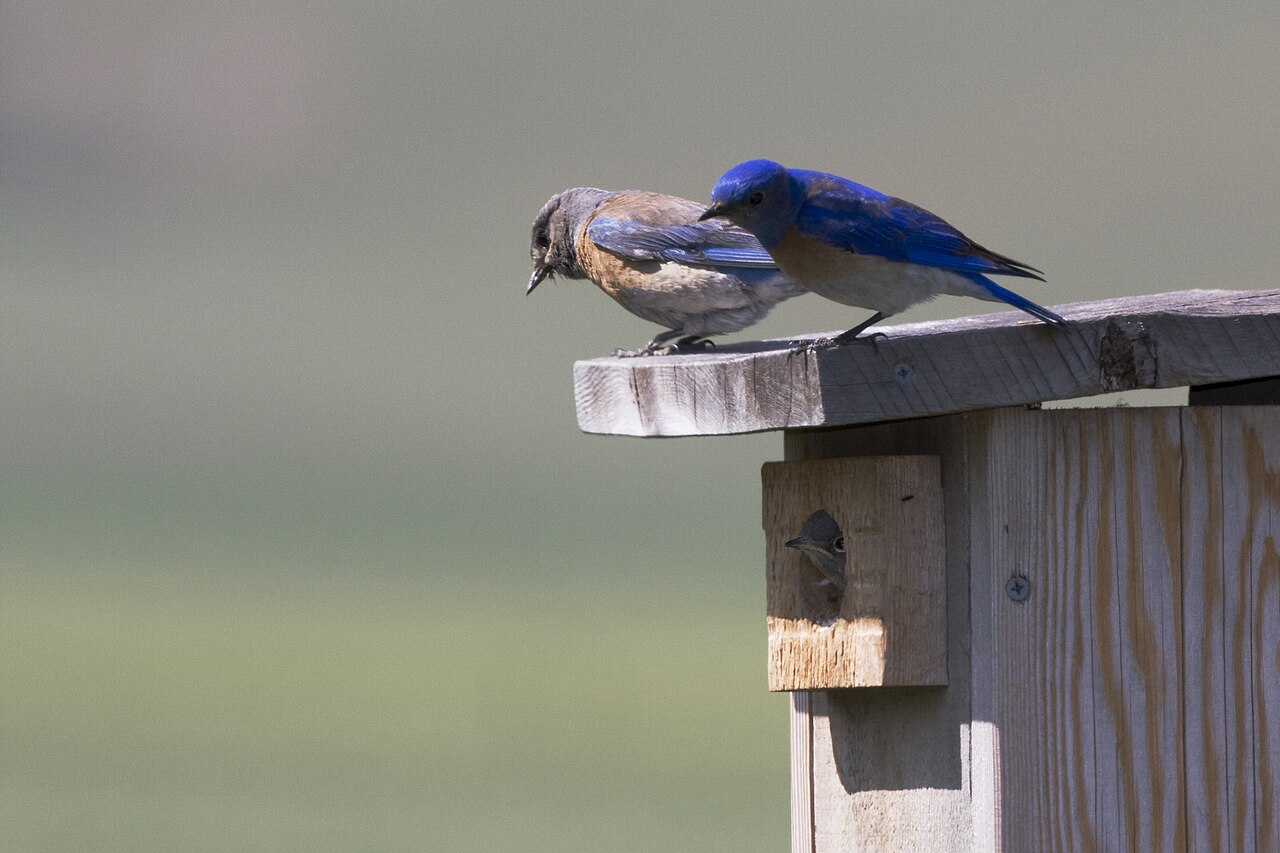
| Western Bluebird | Blue throat, rusty breast, West Texas |
| Mountain Bluebird | Sky-blue, winter West Texas |
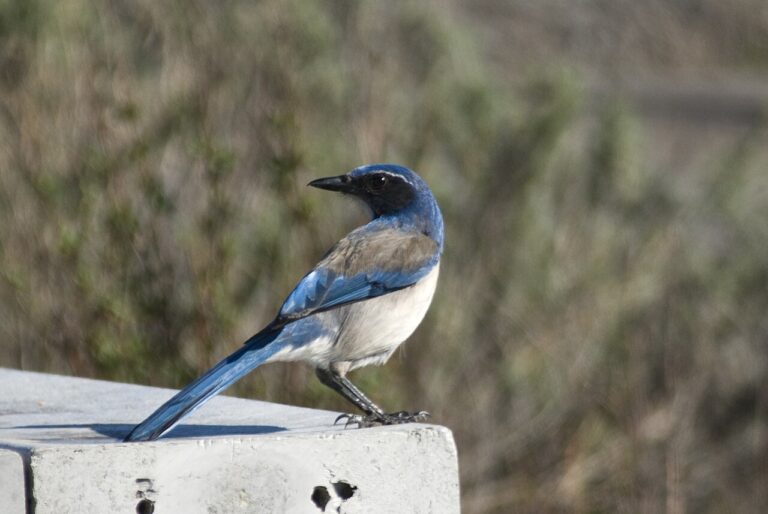
| Blue Jay | Bold blue, crest, noisy |
| Indigo Bunting | All-blue male, small finch |
| Blue Grosbeak | Deep blue, chestnut wingbars |
| Belted Kingfisher | Blue-gray, crested, by water |
How Many Blue Birds Live in Texas?
Texas hosts an exceptional variety of blue and blue-toned birds, including all three North American bluebird species. The eastern bluebird is widespread across central and eastern Texas, with its blue back and orange breast, while the western bluebird occurs in West Texas, showing a blue throat and a rusty breast and back, and the mountain bluebird, a sky-blue bird, visits West Texas in winter. Beyond the bluebirds, the blue jay is a bold, familiar resident of the east and central regions, and the indigo bunting is a small finch whose breeding male is entirely brilliant blue. The blue grosbeak, a deep blue bird with chestnut wingbars and a large bill, is a summer breeder in brushy areas statewide, and the belted kingfisher is a blue-gray, crested bird found along water. The tiny blue-gray gnatcatcher and iridescent tree swallow add to the list. Understanding Texas blue birds begins with these species, and the classic is covered in our guide to the eastern bluebird.
Common Texas Blue Birds and How to Identify Them
Several blue birds are especially worth knowing in Texas. The eastern bluebird is a small thrush with a blue head and back, rusty-orange breast, and white belly, common in open country. The western bluebird, of West Texas, has a blue head and throat, a rusty breast extending onto the back, while the mountain bluebird is an all-over sky-blue bird, paler below, that winters in western Texas. The blue jay is a large, crested songbird in bold blue, white, and black, common in yards and woods. The indigo bunting male is a small bird of uniform brilliant blue, singing from summer field edges, while the female is brown. The blue grosbeak is a deep blue bird, larger than the bunting, with chestnut wingbars and a heavy bill, and the belted kingfisher is a stocky, blue-gray, crested bird of waterways. Each blue bird is a delight, as explored in our guide to types of blue birds in Virginia.
Where to See Blue Birds in Texas
Blue birds can be found across Texas in a wide range of habitats. Open areas with scattered trees, such as fields, ranchland, parks, and roadsides, are ideal for eastern bluebirds, especially where nest boxes are provided, while the mountains and pine-oak woodlands of West Texas host western bluebirds, and open western country attracts wintering mountain bluebirds, sometimes in flocks. Blue jays are found in the woods, parks, and backyards of central and eastern Texas, readily visiting feeders. Indigo buntings favor brushy field edges and roadsides in summer, and blue grosbeaks use similar overgrown, shrubby areas across the state. The belted kingfisher lives along rivers, lakes, and ponds, and the blue-gray gnatcatcher inhabits woodlands. Many of these birds are most numerous in the warmer months, though blue jays and some bluebirds remain year-round. Because Texas spans so many habitats, different blue birds are found in different regions, as detailed in our guide to types of hawks in Texas.
Why Blue Birds Look Blue
The blue of a bluebird or blue jay is one of nature’s clever illusions, and the science behind it is fascinating. According to the Cornell Lab of Ornithology, blue birds are not actually blue in the way red or yellow birds are colored, because their blue comes from the microscopic structure of their feathers rather than from a blue pigment. Most bird colors come from pigments, such as the melanin that makes feathers brown or black or the carotenoids that make them red or yellow, but there is no blue pigment in these birds. Instead, tiny structures in the feather scatter light so that blue wavelengths are reflected back to our eyes, a phenomenon called structural color. This is why a blue feather can look gray or dark when backlit, since the effect depends on light bouncing off the feather’s structure. The same trick gives the eastern bluebird, blue jay, and indigo bunting their brilliant blues. Understanding this makes every blue bird a small marvel of physics, as explored in our guide to the eastern bluebird.
Bluebirds Through the Texas Seasons
Texas offers bluebird watching through the year, with the cast changing by season and region. Eastern bluebirds are present year-round across much of central and eastern Texas, and their numbers are boosted in winter when birds from farther north move in, so flocks may gather in open country during the colder months. In West Texas, western bluebirds are found in the mountains and woodlands, and winter brings mountain bluebirds to open western country, where the sky-blue birds sometimes form flocks that drift across grasslands and desert edges in search of insects and berries. The indigo bunting and blue grosbeak, by contrast, are summer birds, arriving to breed in the warmer months and departing for the tropics in fall, so their brilliant blues are a spring and summer pleasure. This seasonal rhythm means a Texas birder can find blue birds in every season by knowing where and when to look. Enjoying this variety adds to the appeal, as detailed in our guide to types of hawks in Texas.
Attracting Blue Birds in Texas
Attracting blue birds to your Texas yard is rewarding and achievable with a few steps. For eastern bluebirds, and western bluebirds in the west, putting up nest boxes in open habitat, mounted on poles with predator guards, is the single most effective action, and offering mealworms is a favorite way to draw bluebirds in close. A birdbath or shallow water source attracts many blue birds for drinking and bathing, which is especially valuable in the Texas heat. Blue jays come readily to feeders stocked with peanuts, sunflower seeds, and suet, and they are lively year-round visitors in the east and center of the state. Planting native trees and shrubs that produce berries and support insects benefits indigo buntings, blue grosbeaks, and gnatcatchers, and leaving brushy edges provides cover and nesting sites for buntings and grosbeaks. Avoiding pesticides ensures plenty of insects for these birds. By providing boxes, water, food, and habitat suited to your region of Texas, you can enjoy a fine variety of blue birds through the seasons, including all three bluebird species.
Appreciating Texas Blue Birds
Texas blue birds are a rewarding group to appreciate, both for their beauty and for the remarkable variety the state offers. As one of the few places with all three bluebird species, along with blue jays, indigo buntings, blue grosbeaks, and more, Texas gives blue bird enthusiasts an exceptional range to enjoy across its many habitats and seasons. Learning to recognize the different species, understanding the clever structural color that makes them appear blue, and attracting bluebirds with nest boxes and mealworms all deepen the pleasure of birding in Texas. Because several of these birds use nest boxes and visit yards, they offer wonderful chances to observe and help them up close. Taking the time to appreciate Texas blue birds connects you to one of the most colorful and varied parts of the state’s rich birdlife.
Related reading: types of blue birds in michigan.
Frequently Asked Questions
What kinds of blue birds live in Texas?
Texas blue birds include the eastern, western, and mountain bluebirds, plus the blue jay, indigo bunting, blue grosbeak, belted kingfisher, and blue-gray gnatcatcher.
Does Texas have all three bluebird species?
Yes, Texas is one of the few states with all three bluebirds: the eastern bluebird statewide, the western bluebird in West Texas, and the mountain bluebird in winter.
What is the small bright blue bird in Texas?
The indigo bunting is a small, entirely blue bird seen in Texas in summer. The brilliant blue is the breeding male, while the female is plain brown.
What is the difference between an eastern and western bluebird?
The eastern bluebird has a blue throat and an orange breast, while the western bluebird has a blue throat and a rusty breast that extends onto its upper back.
What deep blue bird has chestnut wingbars in Texas?
The blue grosbeak is a deep blue bird with chestnut wingbars and a large bill, larger than the indigo bunting, and a summer breeder in brushy areas across Texas.
Where can you see mountain bluebirds in Texas?
Mountain bluebirds visit western Texas in winter, where the sky-blue birds are seen in open country, grasslands, and desert edges, sometimes gathering in flocks.
Where can you see blue birds in Texas?
Look in open country for eastern bluebirds, West Texas mountains for western bluebirds, brushy edges for buntings and grosbeaks, and along water for belted kingfishers.