Hognose Snake Playing Dead: The Whole Performance
A hognose snake playing dead rolls onto its back, opens its mouth, lets the tongue hang out, sometimes releases musk and faeces, and may smear blood from its mouth. The display is called thanatosis, and it is the last stage of a defensive sequence that begins with hissing and mock strikes and only ends in death-feigning if nothing else has worked.
The most entertaining part is that it is badly executed. A hognose playing dead will right itself immediately if turned belly-down, then flip onto its back again, because part of being dead in its repertoire is being upside down. That gives away the whole performance and is the single most reliable way to confirm what you are looking at. This guide covers why they do it, how long it lasts, whether they are venomous, and what to do.
Hognose snakes play dead as a last-resort defence after hissing, hooding, and mock strikes fail. They roll belly-up, gape, let the tongue hang out, and release musk. If turned right side up they immediately flip back over, which gives the act away. Displays last from under a minute to about half an hour once the threat leaves.
| Stage | Behaviour |
|---|---|
| 1. Bluff | Flattens neck into a hood, loud hissing |
| 2. Mock strike | Strikes with a closed mouth; rarely bites |
| 3. Death feign | Rolls belly-up, gapes, tongue out |
| 4. Extras | Musk, faeces, sometimes blood from the mouth |
| Giveaway | Flips back over if turned right side up |
| Duration | Under a minute to about 30 minutes |
| Danger | Rear-fanged, mild; not dangerous to people |
Why Do Hognose Snakes Play Dead?
Because many predators lose interest in prey that is already dead, and because carrion carries disease risk that a hunting animal has reason to avoid. Death-feigning is documented across a wide range of animals from opossums to beetles to some fish, and it works often enough to persist.
For a hognose it is the final option. The species is a specialist toad-eater with no capacity to fight, no speed to escape a determined predator, and no potent venom, so the entire defensive strategy is theatre: look dangerous, then look inedible.
The extras make it more convincing. A death-feigning hognose releases musk and faeces, producing a genuine smell of decay, and may smear blood from the mouth or bleed slightly from the eyes, all of which reinforce the impression of a carcass rather than a meal. The hognose snake guide covers the species in full.
What Comes Before the Death Feign?
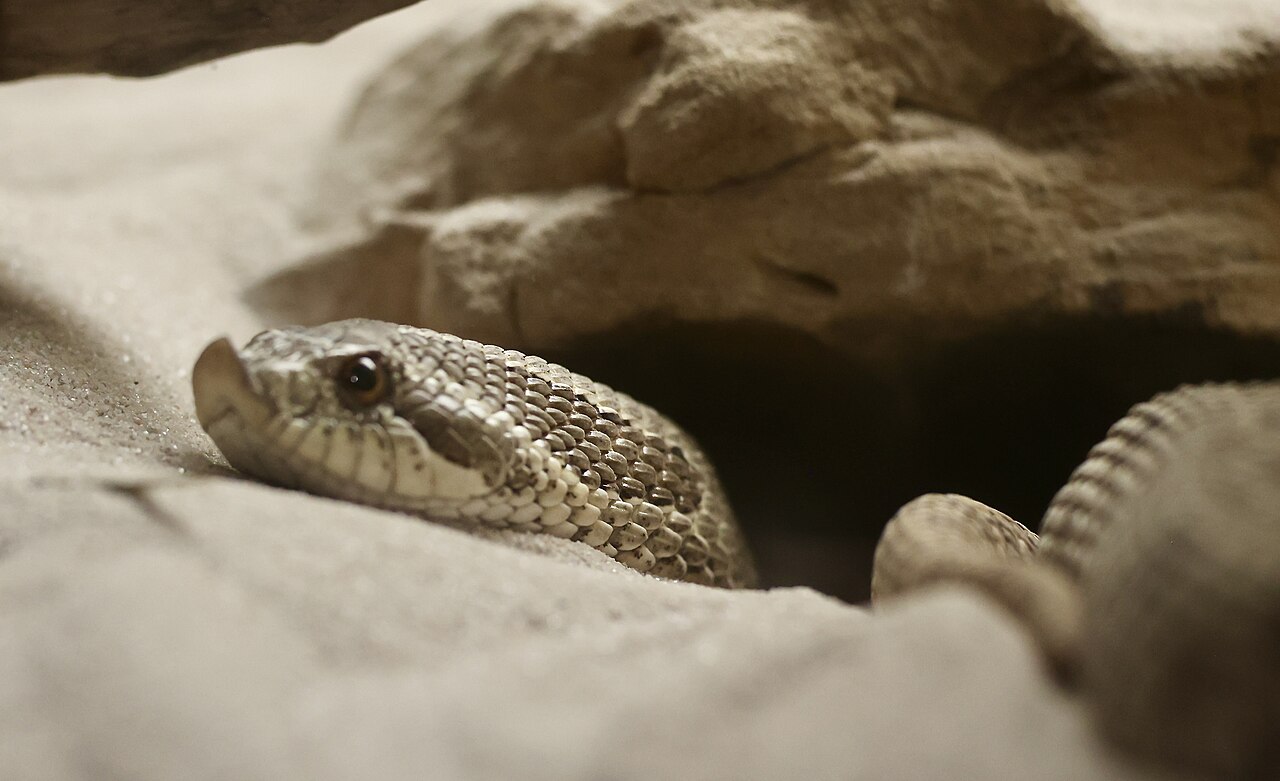
A bluff display that gets hognose snakes mistaken for cobras. The snake flattens its neck into a hood, inflates its body, hisses loudly, and strikes repeatedly with the mouth closed, and eastern hognose snakes in particular do this convincingly enough to frighten people badly.
The strikes are almost always fake. A bluffing hognose lunges with a closed mouth or bumps the threat with its snout, and it is unusual for one to actually bite in this state, which is why the behaviour is described as a bluff rather than an attack.
Only when that fails does the snake roll over. Some individuals skip straight to the death feign and others hiss for several minutes first, and captive snakes handled regularly often stop performing either display entirely because the sequence is triggered by perceived threat rather than by reflex.
How Can You Tell It Is Playing Dead?
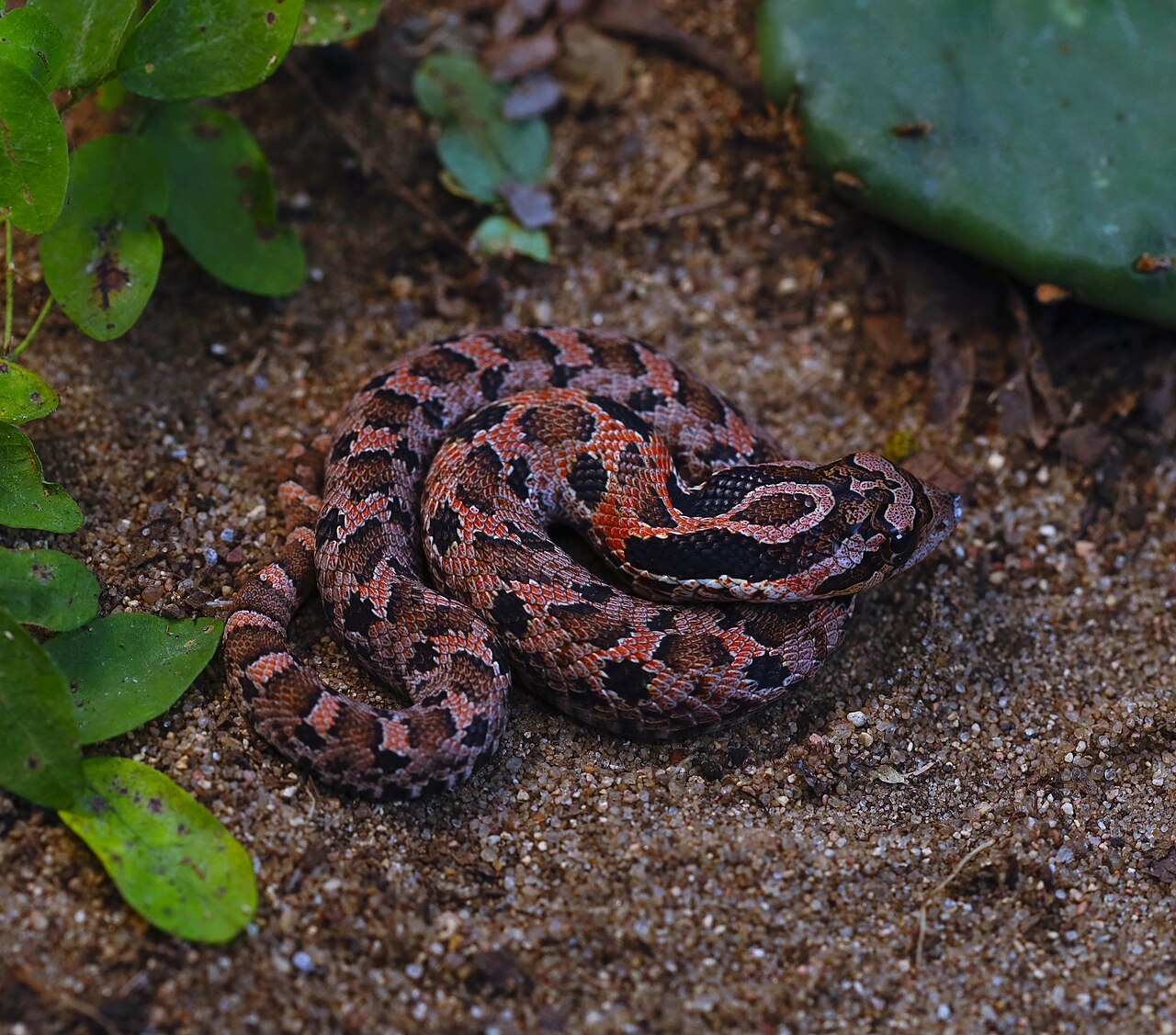
Turn it right side up. A genuinely dead snake stays where it is put; a hognose playing dead flips immediately back onto its back, because being belly-up is part of the performance rather than an accident of collapsing.
That behaviour has been used in research demonstrating the display is a fixed routine rather than a response to actual incapacity, and it is the detail most people find funniest about the species. Some individuals do it repeatedly for as long as they are turned over.
Other signs are subtler. A feigning snake keeps its tongue hanging out and mouth gaping, may curl the body in an unnatural twist, and often watches the threat despite appearing dead, with the head turning slightly to track movement. The body remains muscularly tense rather than limp. The baby hognose snake guide covers young snakes, which perform the display just as readily.
How Long Does It Last?
Anywhere from under a minute to about half an hour, depending on the individual and on whether the threat is still present. Hognose snakes generally hold the display until they judge the danger has passed, then right themselves and move off quickly.
They monitor throughout. Studies of death-feigning in this genus have found that snakes end the display sooner when the observer looks away or moves off, and hold it longer when watched directly, which indicates the snake is assessing rather than simply switched off.
The practical implication is to back away rather than to wait. Standing over a feigning hognose and watching prolongs the display, burns the snake’s energy, and leaves it exposed. Walking off ten metres and giving it a couple of minutes is better for the animal and gets it moving again faster.
Are Hognose Snakes Venomous?
They are rear-fanged with a mild toxic saliva, and they are not dangerous to people. Hognose snakes have enlarged grooved teeth at the back of the upper jaw and a Duvernoy’s gland producing a secretion that helps subdue toads, which are the bulk of the wild diet.
Bites on humans are rare because hognose snakes strike with a closed mouth and very seldom actually bite. Where a prolonged chewing bite has occurred, reported effects are local swelling, redness, bruising, and sometimes blistering that resolves over days without specific treatment. There is no antivenom and none is needed.
The saliva is specialised for toads, which are themselves toxic. Hognose snakes have enlarged adrenal glands that let them tolerate toad skin toxins and enlarged rear teeth that puncture the inflated body of a toad trying to make itself too big to swallow, which is one of the more specific predator adaptations in North American snakes.
What Should You Do If You Find One?
Leave it alone and let it move on. A hognose in a garden is hunting toads and is entirely harmless, and the whole defensive repertoire exists because the snake has no other options, so the display is a request to be left rather than a threat.
If one must be moved, use a broom and a bucket or a piece of board rather than hands, and release it a short distance away in cover in the direction it was heading. Relocating a snake far from its home range substantially reduces survival, since it loses access to known shelter and hunting ground.
Do not use glue traps, which kill snakes slowly and are difficult to resolve once an animal is stuck, though vegetable oil poured on the adhesive will release one. If identification is uncertain, photograph from a distance and ask a state wildlife agency or a herpetological society. The baby snake guide covers identification of small snakes generally.
What Other Animals Play Dead?
The opossum is the best known, and the phrase playing possum comes from it, though the opossum’s version is an involuntary catatonic state rather than a chosen behaviour, which makes it a genuine physiological response rather than acting.
Among snakes, several species do it including grass snakes in Europe, some water snakes, and occasionally rat snakes and kingsnakes, though none does it as elaborately or as reliably as the hognose. Various beetles, spiders, and mantises drop and freeze, and some ducks, chickens, and fish show similar responses.
The function differs by case. In some species it interrupts a predator’s attack sequence, in others it exploits a predator’s aversion to carrion, and in a few it buys time for an escape when the predator relaxes its grip. In the hognose it is clearly the last item in a graded sequence rather than a reflex. The baby bat guide covers another animal whose freeze response is regularly misread as illness.
Where Do Hognose Snakes Live?
Across much of North America in sandy, loose-soiled open habitat. Eastern hognose snakes occupy the eastern United States from Florida to southern Canada, western hognose snakes the Great Plains from Canada into Mexico, and southern hognose snakes a shrinking range in the southeastern coastal plain.
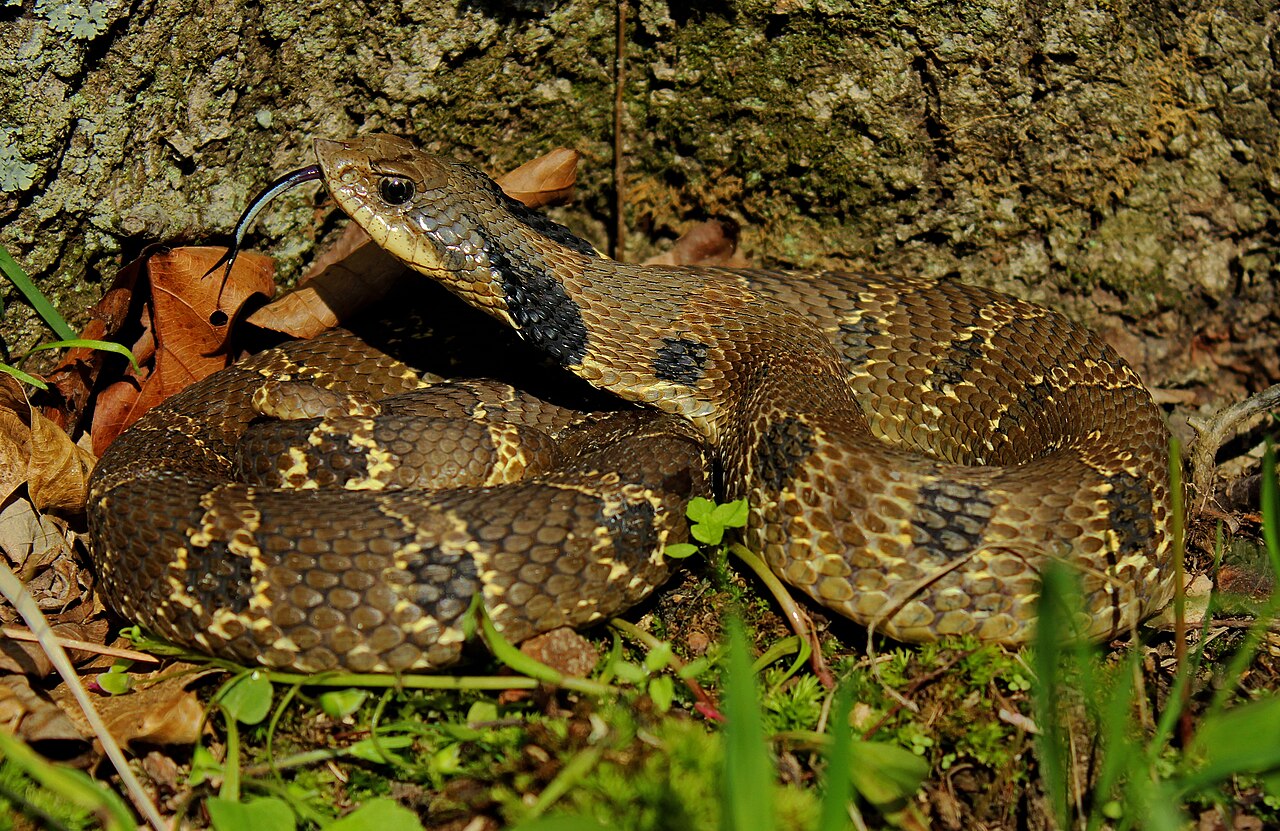
The upturned snout is what ties them to that habitat. It is a digging tool, used to root through sand and loose soil for buried toads, and it is the feature that gives the group its name and makes them unmistakable once seen.
Southern hognose snakes are the conservation concern. The species has declined sharply, has disappeared from much of its former range, and is a candidate for federal protection, with habitat loss in longleaf pine sandhills and the spread of imported fire ants both implicated. Eastern and western hognose snakes remain widespread.
Are They Good Pets?
Western hognose snakes are among the more popular small pet snakes and are widely captive bred, staying under about three feet for females and considerably smaller for males, taking rodents readily, and needing a modest setup compared with most colubrids.
The bluffing behaviour is the main quirk to expect. Young captive hognose snakes hiss, hood, and mock strike frequently, and new owners often mistake this for aggression when it is fear, and most individuals settle with consistent gentle handling. Bites are rare and minor.
The caveats are feeding fussiness, since some individuals hold out for amphibian scent and need scenting to take rodents, and the rear-fanged mild venom, which means a prolonged chewing bite can cause local swelling. Eastern hognose snakes are far harder to keep because of the toad-specialist diet and are best left wild. University extension and herpetological society care sheets cover the requirements. The baby corn snake guide covers the other standard beginner species.
Frequently Asked Questions
Why do hognose snakes play dead?
Because many predators lose interest in carrion, and the hognose has no speed, strength, or potent venom to fall back on. It is the last stage of a bluff sequence rather than a reflex.
How can you tell a hognose is playing dead?
Turn it right side up. A feigning snake immediately flips back onto its back, because being belly-up is part of the routine. A genuinely dead snake stays where it is placed.
How long does a hognose play dead?
From under a minute to about half an hour, and longer if it is being watched directly. Backing off ten metres ends the display faster than standing over the snake.
Are hognose snakes venomous?
They are rear-fanged with mild toxic saliva specialised for toads. Bites are rare because they strike with a closed mouth, and effects are limited to local swelling and bruising.
What comes before the death feign?
Flattening the neck into a hood, inflating the body, loud hissing, and repeated mock strikes with a closed mouth. Only when that fails does the snake roll over.
What should you do if you find one?
Leave it alone. If it must be moved, use a broom and bucket or a board and release it nearby in cover in the direction it was heading, not far from its home range.
Do other animals play dead?
Yes, including opossums, grass snakes, some water snakes, and various beetles and spiders. The opossum version is an involuntary catatonic state rather than a chosen behaviour.

Similar Posts
Chipmunk Sounds: What the Chip, Chuck, and Trill Mean
Chipmunk sounds decoded: the birdlike chip warns of hawks, the low chuck tracks ground predators, and the trill means run. Plus why night noises are never a chipmunk.
Groundhog Poop: Why You Almost Never See It
Groundhog poop is rare to find because groundhogs use dedicated underground latrines. What it looks like, how to tell it from rabbit and deer droppings, and what a find means.
White Butterfly: Species Identification and Spiritual Meaning
A white butterfly is usually the cabbage white, common across North America. Identify it plus the checkered and great southern white, and the soul symbolism.
Ladybug Life Cycle: All Four Stages Explained
Egg to adult takes four to eight weeks. What the alligator-like larva looks like, why gardeners kill it by mistake, and how to support the full cycle in a garden.
Raccoon Poop: Identification, Latrines, and the Roundworm Risk
Raccoon poop is tubular and blunt-ended, found in communal latrines that carry real roundworm risk. Identification, safe cleanup, and comparison to fox and rat droppings.
Giant Swallowtail Butterfly: North America’s Largest Species
The giant swallowtail is North America’s largest butterfly, identified by its yellow X-mark hindwing pattern. Its orange dog caterpillar, host plants, and range.