Baby Mourning Dove: Squab Growth and Crop Milk Feeding
A baby mourning dove is called a squab, hatching pink, nearly naked, and completely helpless, with eyes closed and only sparse, downy fluff covering its skin, entirely dependent on both parents for warmth and feeding from the moment of hatching, a vulnerable start that gives way to a remarkably fast developmental timeline, since mourning doves fledge and leave the nest within just about two weeks, one of the more compressed nest-to-independence timelines among common backyard birds.
Squabs are fed exclusively on crop milk during their early days, a nutrient-rich secretion produced by both parent doves rather than any regurgitated seeds or insects, a feeding system shared with pigeons and a select few other bird species that makes mourning dove parenting genuinely distinctive among the backyard birds most people commonly observe. This guide covers squab hatching and rapid development, the crop milk feeding system specifically, why mourning doves nest so frequently throughout the breeding season, and what to do if you find a squab that appears to need help.
| Fact | Baby Mourning Dove (Squab) |
|---|---|
| Name | Squab |
| Clutch size | Typically 2 eggs |
| Incubation period | About 14 days |
| Feeding method | Crop milk from both parents |
| Fledging age | About 12 to 14 days |
| Broods per year | Up to 6 in favorable climates |
What Is a Baby Mourning Dove Called?
Baby mourning doves are called squabs, a term shared broadly across pigeons and doves generally rather than unique to mourning doves specifically, and mourning dove pairs typically lay just two eggs per clutch, a notably small clutch size compared to many other common backyard bird species, incubated by both parents in alternating shifts for approximately 14 days before hatching occurs.
This shared incubation responsibility between both parents reflects the broader pattern of substantial biparental care mourning doves invest in their offspring throughout the entire nesting cycle, from incubation through the crop milk feeding covered in detail later in this guide, a cooperative parenting approach that likely helps compensate for the relatively small clutch size by ensuring both squabs receive consistent, adequate care from two committed parents rather than one.
Mourning dove nests themselves are notably simple and often described as flimsy, loose platforms of twigs that can appear almost precariously constructed compared to the more elaborate nests some other bird species build, yet these simple structures reliably support the successful rearing of squabs across the mourning dove’s remarkably frequent multiple breeding attempts throughout a single season, covered in more detail later in this guide.
Hatching and Rapid Early Development
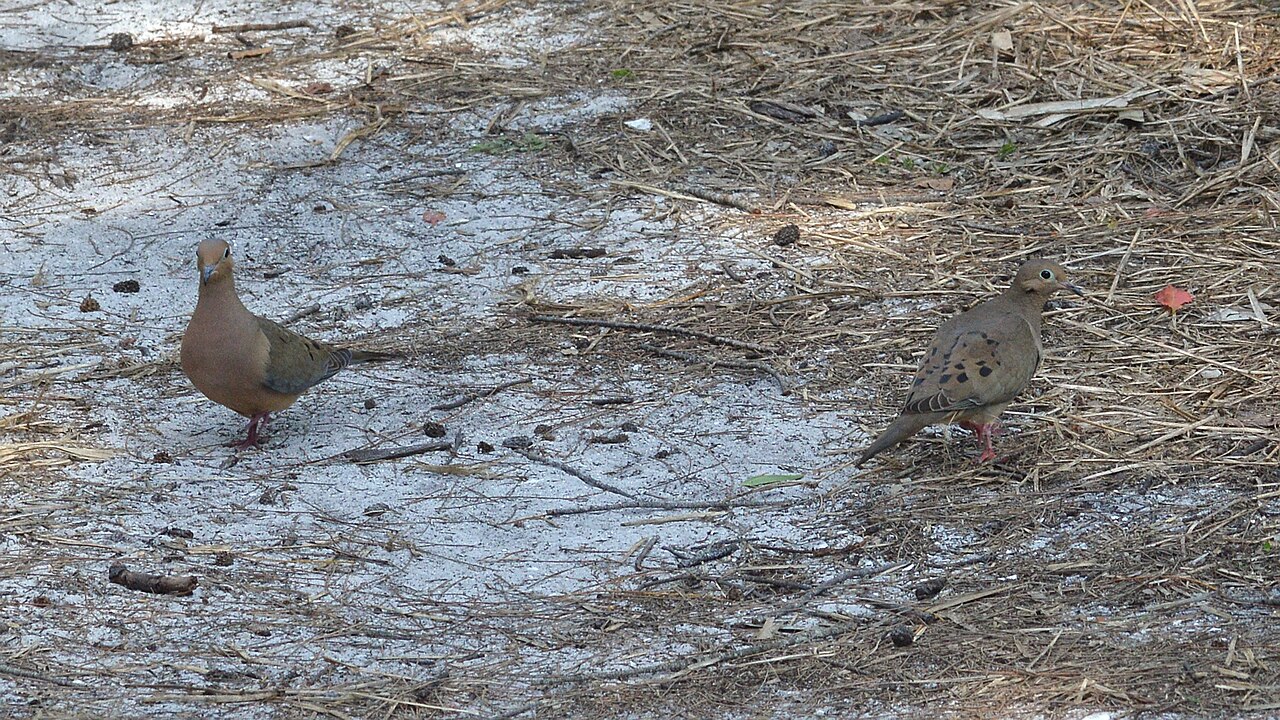
Newly hatched squabs emerge in a genuinely vulnerable state, pink-skinned with only sparse, wispy down rather than substantial feather covering, eyes closed, and completely dependent on their parents for both warmth and all feeding needs, making the first days after hatching a period requiring near-constant parental attention and protection from both temperature regulation challenges and potential predators.
Despite this vulnerable start, squabs develop remarkably quickly, with feathers emerging and eyes opening within the first several days, and by the end of their first week, squabs have typically grown substantially from their initial helpless state, developing enough feather coverage and coordination to begin the transition toward the mobility and independence they will need as fledging approaches.
This rapid developmental pace culminates in fledging at just approximately 12 to 14 days of age, a genuinely compressed timeline compared to many other similarly sized backyard bird species, meaning mourning dove parents complete an entire nesting cycle, from egg-laying through fledged young, in a notably efficient timeframe that likely contributes to this species’ capacity for the remarkably frequent multiple breeding attempts covered in a later section of this guide.
Crop Milk: The Defining Feeding System
Mourning dove squabs are fed exclusively on crop milk, a nutrient-rich, cheese-like secretion produced by both parent doves in a specialized region of their digestive tract called the crop, a feeding system genuinely distinctive among common backyard birds and shared primarily with pigeons and a select few other species rather than representing the more typical regurgitated seed or insect feeding most backyard birds provide their young.
This crop milk delivers concentrated nutrition, including proteins and fats, that supports the squabs’ rapid early growth, and remarkably, both male and female parents produce this substance, representing a genuinely notable example of substantial paternal nutritional investment that goes beyond what many other bird species display, since crop milk production requires real physiological commitment from the male parent alongside the female’s own contribution.
As squabs grow older within their brief nesting period, parents gradually transition feeding to include increasing amounts of regurgitated seeds mixed with the crop milk, before squabs eventually transition entirely to independent seed foraging following fledging, a feeding progression that mirrors the broader pattern of gradual dietary transition many young birds undergo as they develop toward full nutritional independence from parental provisioning.
Why Mourning Doves Nest So Frequently
Mourning doves are genuinely notable for their capacity to produce multiple broods within a single breeding season, with pairs in favorable climates capable of nesting up to six times or more between spring and fall, a remarkably high breeding frequency compared to many other common backyard bird species that typically manage only one or two successful broods per season.
This high breeding frequency likely reflects an evolutionary strategy compensating for the notably small clutch size of just two eggs per nesting attempt, since producing many small clutches across an extended breeding season can achieve comparable or even superior total reproductive output compared to species laying larger clutches less frequently, while potentially reducing the risk of losing an entire season’s reproductive investment to any single nest predation event or environmental disruption.
This frequent renesting capability connects directly to the rapid squab development timeline covered earlier, since the compressed nest-to-fledging period allows parents to complete one breeding cycle and begin preparing for another considerably faster than species with more extended nesting timelines could manage, making the mourning dove’s rapid squab development and frequent breeding attempts two closely interconnected aspects of this species’ overall reproductive strategy.
Found a Squab? What to Actually Do
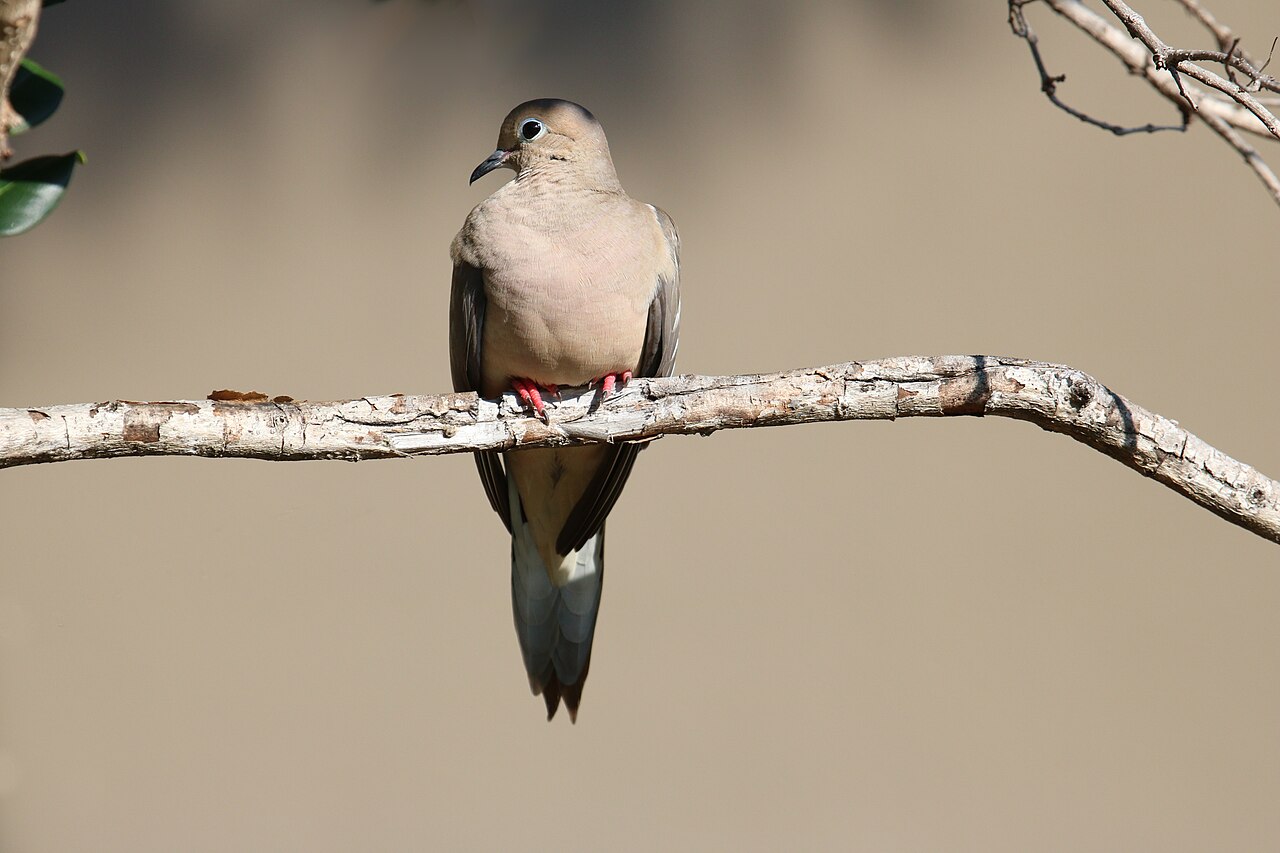
Finding a mourning dove squab on the ground before it has fully fledged does not automatically indicate abandonment or a problem requiring intervention, since young birds at various stages of the fledging process, sometimes called branchers or fledglings depending on their specific developmental stage, may spend time on or near the ground while still under active parental supervision and continued feeding from nearby.
If a squab appears fully feathered and is hopping or moving with apparent coordination, even if not yet capable of sustained flight, it is likely a normal fledgling in the natural process of leaving the nest, and the appropriate response is generally to observe from a distance for signs of continued parental attention rather than assuming the bird needs rescue, similar to the wait-and-watch approach recommended for many other young backyard birds during their natural fledging process.
A squab that appears genuinely injured, is featherless or only sparsely downy while on the ground away from any visible nest, or shows clear signs of distress with no parental attention observed over an extended period warrants contacting a licensed wildlife rehabilitator rather than attempting home care, since proper squab nutrition and care require specialized knowledge considerably beyond typical household bird-feeding approaches, and improper care can genuinely harm a young bird’s chances of successful eventual release.
Mourning Doves Among Common Backyard Nesting Birds
Understanding the full mourning dove picture beyond just squabs specifically benefits from exploring our broader mourning dove guide covering adult identification and behavior, alongside our mourning dove sounds guide for the species’ distinctive, often misidentified cooing call frequently mistaken for an owl by casual listeners unfamiliar with this particular vocalization.
Mourning doves also carry meaningful cultural and spiritual significance for many people specifically, with their gentle presence and distinctive cooing call inspiring symbolic associations covered in complete depth in our mourning dove symbolism guide, adding a genuinely rich layer of personal and cultural meaning to this species beyond the biological squab-rearing details covered throughout the rest of this guide.
For homeowners specifically interested in supporting this beloved backyard species throughout its complete life cycle, from successful nesting and squab-rearing through to the adult birds’ year-round presence, combining the practical care guidance covered throughout this guide with the broader identification and behavioral understanding available across these related resources provides a genuinely comprehensive foundation for appreciating and supporting mourning doves specifically.
What Mourning Doves Eat as They Mature
As squabs transition away from crop milk dependency, they gradually begin consuming increasing amounts of seeds, the primary dietary staple adult mourning doves rely on throughout their lives, with young doves learning appropriate foraging behavior largely by observing and following their parents during this developmental transition period before eventually achieving full independent foraging capability.
This seed-based adult diet, covered in complete detail in our what do mourning doves eat guide, includes a wide variety of grass and weed seeds along with cultivated grains when available, making mourning doves frequent visitors to backyard feeding stations offering appropriate seed mixes, a foraging pattern young doves develop increasing proficiency with as they mature from initial fledging toward full independent adult foraging capability.
Understanding this dietary transition helps explain why fledgling mourning doves are sometimes observed foraging somewhat clumsily or less efficiently than adult birds during their first weeks of independent feeding, a normal learning curve that improves with practice and experience as young doves refine their foraging technique and location-finding skills over their first months of independent life following the compressed squab and fledgling period covered throughout this guide.
Attracting and Supporting Mourning Doves
Homeowners specifically interested in supporting mourning dove populations, including successful squab-rearing, can provide appropriate ground or platform feeding stations offering suitable seed mixes, since mourning doves generally prefer feeding at or near ground level rather than the elevated feeder positions many other common backyard bird species favor, a feeding preference covered in complete practical detail in our how to attract mourning doves guide.
Providing appropriate nesting habitat, including suitable trees or shrubs offering the kind of simple platform nesting sites mourning doves favor, alongside maintaining a reliable water source, supports the broader breeding success that ultimately produces the squabs covered throughout this guide, with mature trees and dense shrub cover providing the nesting security mourning doves need across their remarkably frequent multiple breeding attempts each season.
Avoiding pesticide use near areas where mourning doves forage and nest protects both the adult birds and any squabs currently being raised, since pesticide exposure can affect food availability and potentially harm birds directly, making pesticide-free yard management a genuinely meaningful contribution to supporting successful mourning dove breeding, from initial nesting through the crop-milk-fed squab stage covered throughout this guide, and ultimately to fledged, independent young doves joining the broader population.
Related reading: Baby Hummingbird.
Frequently Asked Questions
What is a baby mourning dove called?
A squab, a term used broadly across pigeons and doves. Mourning doves typically lay just two eggs per clutch, incubated by both parents for about 14 days before hatching.
What do baby mourning doves eat?
Squabs are fed exclusively on crop milk, a nutrient-rich secretion produced by both parent doves, before gradually transitioning to regurgitated seeds and eventually independent seed foraging after fledging.
How long do mourning dove squabs stay in the nest?
Only about 12 to 14 days, a remarkably compressed timeline compared to many other similarly sized backyard birds, reflecting the species’ overall rapid breeding cycle.
Why do mourning doves nest so many times per year?
Pairs in favorable climates can nest up to six times or more per season, likely compensating for their small two-egg clutch size by producing many broods across an extended breeding season instead.
Do both parent doves feed the squabs?
Yes, both male and female mourning doves produce crop milk and share feeding responsibilities, a notable example of substantial paternal investment in offspring care.
I found a baby dove on the ground. What should I do?
If it appears feathered and coordinated, it is likely a normal fledgling under continued parental supervision; observe from a distance first. Only contact a wildlife rehabilitator if it appears genuinely injured or shows no parental attention over time.
How can I attract mourning doves to nest in my yard?
Provide mature trees or shrubs for simple platform nesting sites, ground or platform feeders with appropriate seed mixes, a reliable water source, and avoid pesticide use near foraging and nesting areas.