Baby Flamingo: Why Chicks Aren’t Born Pink
A baby flamingo is called a chick, and it hatches looking almost nothing like the vivid pink adult most people instantly picture, arriving instead covered in soft gray or white down, with a straight bill that has not yet developed the distinctive downward curve adult flamingos are known for, and legs that, while already proportionally long, will continue lengthening considerably as the chick matures toward its eventual adult form over the following months and years.
Perhaps the most genuinely surprising fact about flamingo chicks is that their famous pink coloration is not present at hatching at all and does not come from any inherent genetic trait, but rather develops gradually over months as chicks consume a diet rich in specific pigments, meaning a flamingo’s iconic color is quite literally a product of what it eats rather than a fixed trait it is simply born displaying. This guide covers flamingo chick hatching and early development, the genuine dietary explanation behind their color transformation, the remarkable crop milk feeding system parents use, and the specialized colonial nesting behavior that shapes flamingo chick-rearing overall.
| Fact | Baby Flamingo (Chick) |
|---|---|
| Name | Chick |
| Hatchling color | Gray or white down, not pink |
| Incubation period | About 27 to 31 days |
| Bill shape at hatching | Straight, not yet curved |
| Pink coloring develops | Over several months from diet |
| Feeding method | Crop milk from both parents |
A baby flamingo is called a chick. It hatches covered in gray or white down with a straight bill rather than the curved adult shape, and both parents feed it crop milk. The pink comes from carotenoids in food and takes one to three years to develop fully.
What Is a Baby Flamingo Called?
Baby flamingos are called chicks, and flamingos typically lay a single egg per breeding attempt, a notably smaller clutch size than many other bird species, incubated by both parents in alternating shifts for approximately 27 to 31 days before hatching occurs, a shared incubation responsibility that reflects the broader pattern of substantial biparental care flamingos invest in their comparatively limited annual reproductive output.
This single-egg reproductive strategy means each individual chick represents a genuinely significant investment of parental time and resources, likely connected to the considerable energy and specialized feeding effort, covered in detail later in this guide, that flamingo parents must dedicate to successfully raising their single chick each season within the demanding colonial breeding environment flamingos typically establish.
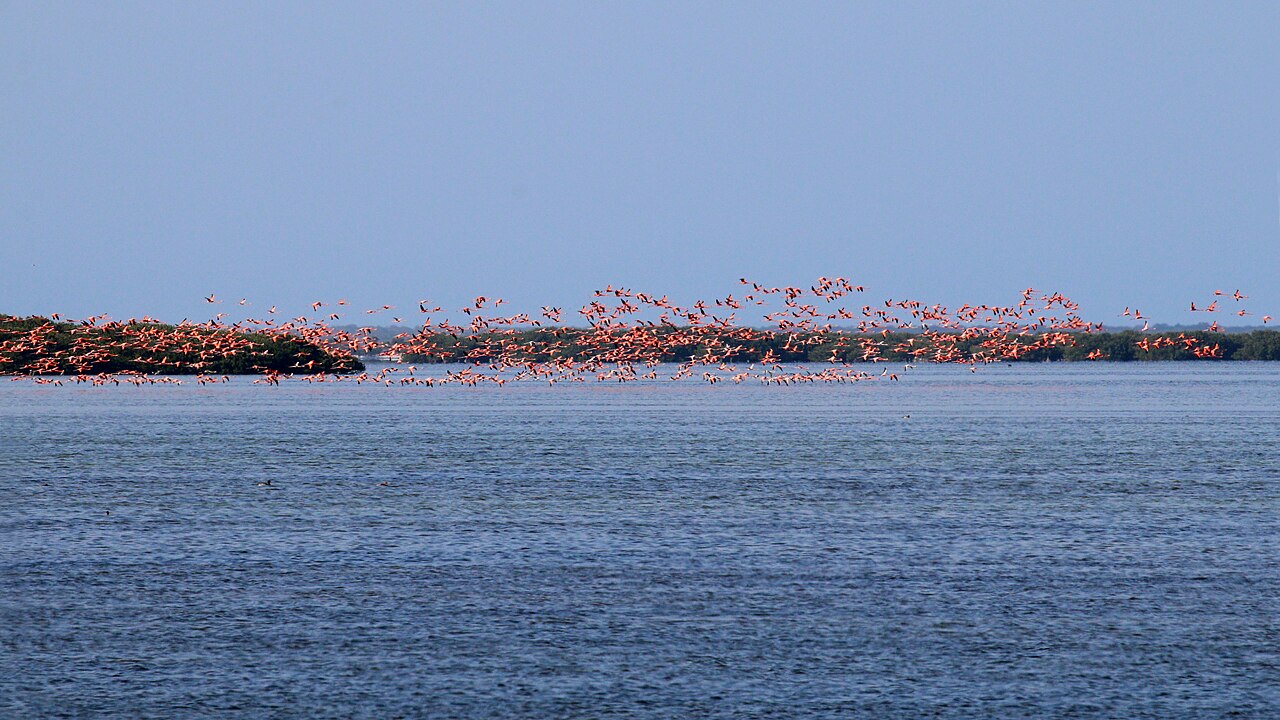
Flamingo nests themselves are distinctive raised mud mounds, constructed by both parents and typically situated within large, densely packed breeding colonies that can include thousands of nesting pairs, a colonial nesting strategy that provides some protection through sheer numbers while also creating the specific social and logistical dynamics that shape how flamingo chicks are raised within this crowded communal environment.
Hatching and the Straight Bill
Newly hatched flamingo chicks emerge covered in soft down, typically gray or white rather than any hint of the eventual adult pink coloring, and notably display a straight bill rather than the dramatically downward-curved bill shape that defines adult flamingo appearance, since this distinctive curved bill shape, essential for the specialized filter-feeding technique adults use, develops gradually as the chick matures rather than being present from hatching.
This straight-to-curved bill transformation reflects the chick’s broader developmental timeline toward independent feeding capability, since the curved bill shape specifically enables the upside-down filter-feeding technique adult flamingos use to strain small organisms from water, meaning chicks cannot yet feed themselves using this specialized adult technique and instead depend entirely on direct parental feeding during their early weeks, covered in detail in the next section.
Legs, while already notably long relative to overall body size even at hatching, continue growing considerably as chicks mature, with the flamingo’s famous extreme leg-to-body proportion becoming increasingly pronounced as the bird approaches adult size, a growth pattern that means even partially grown flamingo chicks can look somewhat awkward or disproportionate compared to the more visually balanced appearance fully mature adults eventually display.
Crop Milk: A Remarkable Feeding System
One of the most genuinely remarkable aspects of flamingo chick care is crop milk, a nutrient-rich secretion produced by both parents, notably including the male, in a specialized region of their digestive tract, fed directly to chicks during their first several weeks of life before they develop the capability to filter-feed independently using their own maturing bill structure.
This crop milk is notably red or pink in color, owing to the same pigment compounds responsible for adult flamingo coloration, and remarkably, some research has documented that chicks receiving more crop milk, or crop milk with higher pigment concentration, may show earlier or more pronounced coloration development, adding a genuinely interesting wrinkle to the broader diet-driven color story covered in the next section.
Both parents typically share crop milk feeding duties, a genuinely notable example of substantial paternal investment in offspring care that goes beyond what many other bird species display, reflecting the significant biological investment flamingo parents make in their single annual chick, a feeding system that gradually decreases as chicks grow older and begin transitioning toward independent feeding using their own increasingly capable bill and filter-feeding technique.
The Real Reason Flamingos Are Pink
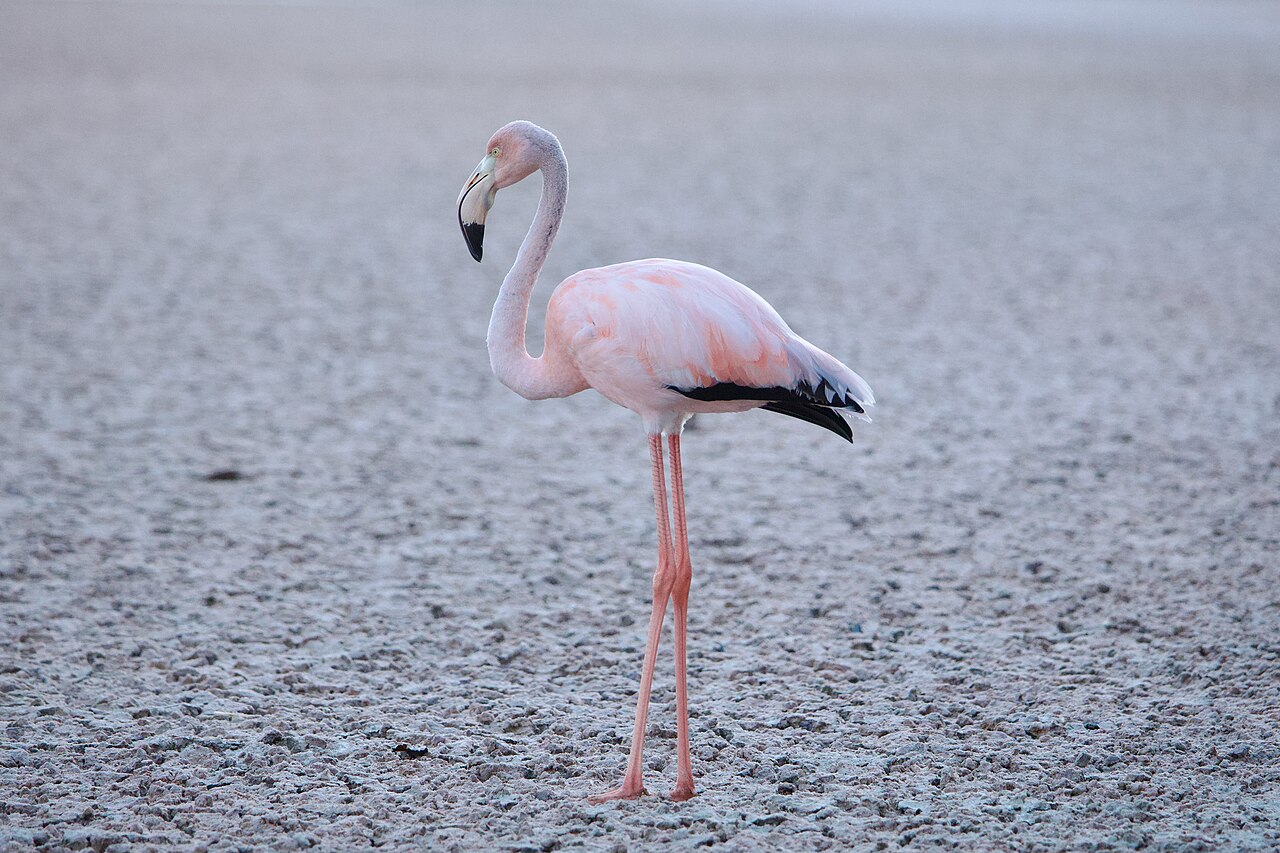
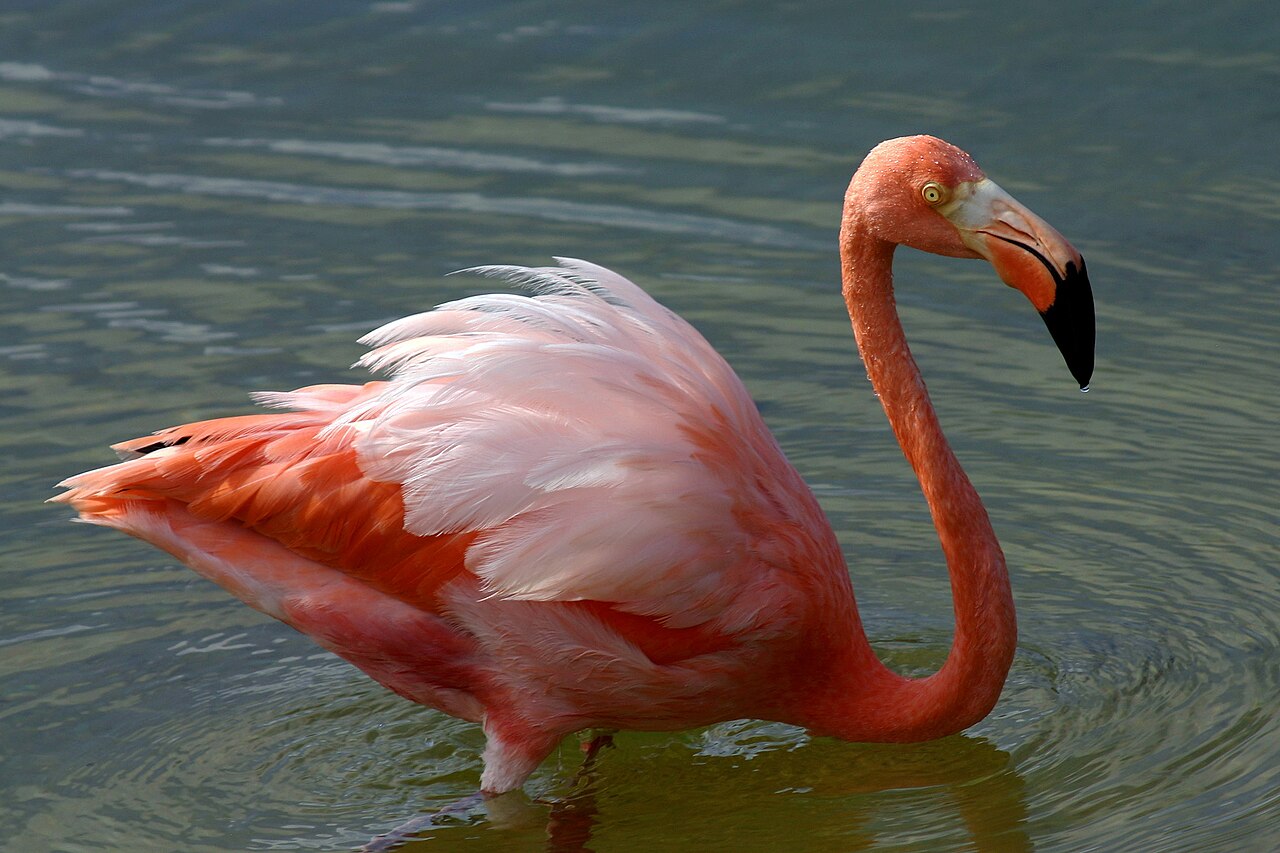
Flamingo pink coloration comes entirely from diet rather than any inherent genetic pigment production, specifically from carotenoid pigments present in the algae, brine shrimp, and other small aquatic organisms that make up the flamingo diet, compounds the bird’s own body cannot produce internally but instead absorbs and deposits into growing feathers, skin, and, as covered above, even crop milk secretions.
This diet-dependent coloration explains why flamingo chicks hatch without any pink coloring at all, since they have not yet consumed sufficient carotenoid-rich food to develop this pigmentation, with color gradually appearing and intensifying over the following months as chicks transition from crop milk to independent feeding on the carotenoid-rich diet that sustains adult coloration throughout their lives, a genuine dependency that continues for the bird’s entire lifespan rather than becoming a fixed trait once achieved.
This dietary dependency has real, well-documented practical implications, since flamingos in captivity historically sometimes displayed notably paler coloring than wild counterparts before zoos and aquariums began specifically supplementing captive diets with appropriate carotenoid sources, and research published through zoological and ornithological institutions has confirmed that flamingo coloration intensity directly correlates with dietary carotenoid intake, making this one of the more thoroughly documented diet-to-appearance connections in avian biology.
Colonial Nesting and the Chick Creche System
Flamingos breed in large, densely packed colonies, and once chicks reach a certain age, typically after their first couple of weeks of more intensive individual parental care, they often join together into large groups called creches, essentially communal chick nurseries where numerous young flamingos from different nesting pairs congregate together under the loose supervision of a smaller number of adult birds.
This creche system provides genuine practical benefits within the demanding colonial breeding environment, allowing individual parents more flexibility to leave temporarily for feeding trips while their chick remains within the relative safety and supervision of the larger creche group, a cooperative arrangement that likely improves overall chick survival compared to each individual pair needing to maintain constant, uninterrupted supervision of their single chick throughout the vulnerable early development period.
Despite joining these larger creche groups, parent flamingos reportedly retain the ability to recognize and specifically feed their own individual chick within the crowd, likely through vocal recognition given the challenge of visual identification within such large groups of similarly appearing young birds, a genuinely impressive individual recognition capability that ensures parental feeding investment continues reaching the intended specific chick despite the seemingly chaotic communal creche environment.
Growth Timeline: From Chick to Independent Flamingo
Flamingo chicks grow relatively quickly during their first weeks, transitioning from complete dependence on crop milk feeding toward increasing independence as their bill shape gradually curves toward the adult filter-feeding configuration and their overall body proportions shift toward the more balanced adult form, a developmental process that unfolds over approximately two to three months before chicks achieve full independent feeding capability.
Full adult plumage and coloration, however, takes considerably longer to develop completely, with young flamingos typically not displaying their fullest, most vivid adult coloration until they are one to two years old or sometimes longer, a delayed maturation timeline similar in spirit to the extended development covered in our baby Komodo dragon guide, meaning even chicks that have successfully transitioned to independent feeding and joined the broader flock will continue looking notably paler and less vividly colored than fully mature adults for a genuinely extended period afterward.
Sexual maturity in flamingos generally arrives considerably later still, often not until birds reach three to six years of age depending on species, reflecting the flamingo’s overall relatively slow developmental timeline and long lifespan compared to many other bird species, a pattern consistent with flamingos’ generally long-lived nature, with wild flamingos capable of living several decades under good conditions.
Flamingo Chicks Compared to Other Waterbird Young
Flamingo chicks share some general developmental similarities with other waterbird young covered elsewhere, including the baby duck and baby goose, particularly in terms of hatching with down covering rather than bare skin and requiring some initial period of parental feeding before achieving full independence, though flamingos’ single-egg clutches and prolonged crop milk feeding period differ meaningfully from the considerably larger clutches and more rapid self-feeding capability many duck and goose species display almost immediately after hatching.
The colonial creche system flamingos rely on also differs from the more typically family-unit-focused rearing approach seen in many other waterbirds, reflecting flamingos’ specifically large, dense colonial breeding structure rather than the more dispersed nesting patterns many other water-associated bird species favor, making flamingo chick-rearing a genuinely distinct case study within the broader landscape of waterbird parenting strategies covered across our various baby bird identification guides.
For anyone interested in the broader diversity of bird identification and behavior beyond flamingos specifically, our backyard bird identification guide covers many additional species worth learning to recognize, connecting the specialized flamingo feeding and coloration story covered throughout this guide to the wider world of bird biology and identification skills applicable across many other species entirely.
What Flamingo Chicks Eat as They Mature
As chicks transition away from crop milk dependency, they gradually begin sampling and eventually relying entirely on the same specialized diet adult flamingos consume, primarily small aquatic organisms including brine shrimp, various algae, and small invertebrates filtered from shallow water using the increasingly curved, specialized bill structure that develops progressively throughout their early months.
This dietary transition connects directly to the color development covered earlier in this guide, since chicks only begin accumulating the carotenoid pigments responsible for pink coloration once they start consuming this specialized adult diet in meaningful quantities, similar in principle to how diet shapes appearance and health across many aquatic species, meaning the pace of an individual chick’s color development often reflects how successfully and quickly it has transitioned to independent feeding on this particular pigment-rich food source.
The specialized filter-feeding technique itself, requiring the fully curved adult bill shape to function properly, represents a genuinely sophisticated feeding adaptation that chicks must gradually develop both the physical bill structure and the behavioral technique to execute effectively, making the full transition from chick dependency to independent adult-style feeding a genuinely gradual process rather than a single developmental milestone achieved all at once.
How Long Do Flamingo Chicks Stay With Their Parents?
Flamingo chicks depend on their parents for far longer than their early independence suggests. A chick leaves the nest mound within about a week and joins a creche of other young birds, but it is still located and fed by its own parents, who recognize it by call among thousands of near-identical chicks.
Crop milk feeding continues for roughly two months and tapers off as the bill develops the deep curve and the filtering lamellae it needs to feed itself. Chicks fledge and begin flying at about 10 to 12 weeks, and most become nutritionally independent somewhere between two and three months, though they often stay loosely associated with the flock’s young birds well beyond that.
Full adult appearance takes much longer than independence. The pink builds gradually as the bird eats more carotenoid-rich algae and crustaceans, and most flamingos are not fully colored until their second or third year, which is also roughly when they reach breeding age. The Smithsonian’s National Zoo profile of the American flamingo covers crop milk, creches and the colour timeline.
Frequently Asked Questions
What is a baby flamingo called?
A chick. Flamingos typically lay a single egg per breeding attempt, incubated by both parents for about 27 to 31 days before hatching.
Are baby flamingos born pink?
No, chicks hatch covered in gray or white down with no pink coloring at all. The pink color develops gradually over several months as chicks consume carotenoid pigments from their specialized diet.
Why are flamingos pink?
Their pink coloration comes entirely from carotenoid pigments in their diet, particularly from algae and brine shrimp, compounds the bird’s body absorbs and deposits into feathers and skin rather than producing internally.
What is crop milk in flamingos?
A nutrient-rich secretion, notably red or pink in color, produced by both parent flamingos and fed directly to chicks during their first weeks before they can independently filter-feed using their own maturing bill.
Why do baby flamingos have straight bills?
The distinctive downward-curved adult bill shape needed for filter-feeding develops gradually as chicks mature, so newly hatched chicks display a straight bill not yet capable of the specialized adult feeding technique.
What is a flamingo chick creche?
A communal group where young flamingo chicks from different nesting pairs congregate together under loose adult supervision, allowing individual parents more flexibility for feeding trips while chicks remain relatively protected.
How long does it take a flamingo chick to turn pink?
Color develops gradually over several months as chicks transition to the carotenoid-rich adult diet, though full, vivid adult coloration typically is not achieved until birds are one to two years old or sometimes longer.