Gyrfalcon: Arctic Giant Guide
The gyrfalcon is the largest falcon species in the world, a powerful Arctic and subarctic hunter that occurs in three distinct color morphs, ranging from nearly pure white to solid dark gray-brown, all occurring naturally within the very same single species. Pronounced “JER-falcon,” it has been prized by falconers for over a thousand years, historically reserved for royalty in medieval Europe, and remains one of the most sought-after and admired birds among modern falconers today, a reputation built as much on raw power as on the visual drama of its palest color morph entirely.
| Fact | Detail |
|---|---|
| Wingspan | 3.6 to 4.7 ft (largest falcon in the world) |
| Weight | 2 to 4.6 lbs (females larger) |
| Color morphs | White, gray, and dark, all in the same species |
| Diet | Ptarmigan and other birds, some small mammals |
| Habitat | Arctic and subarctic tundra, cliffs, coastlines |
| Cultural note | National bird of Iceland |
The Largest Falcon in the World
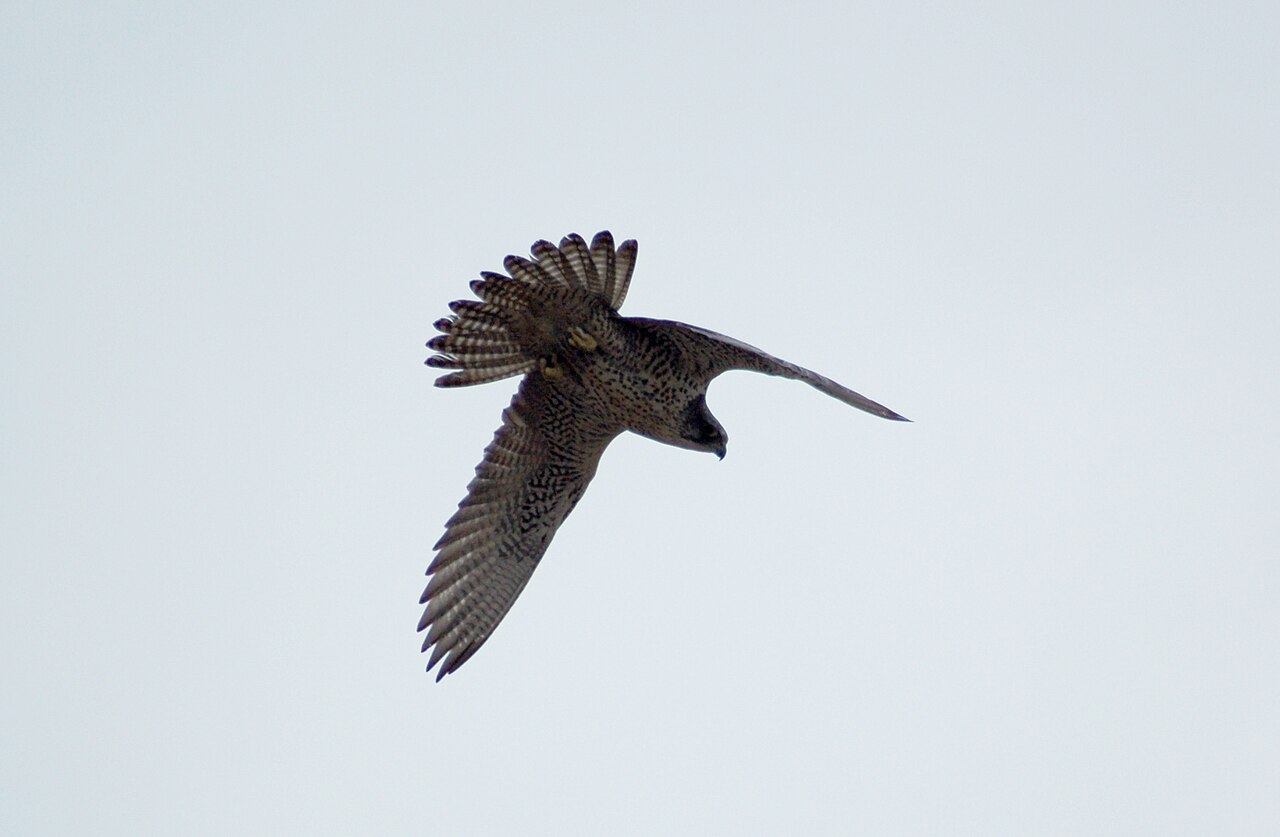
The gyrfalcon holds the title of largest falcon species on Earth, with a wingspan reaching four and a half to nearly five feet in the biggest females, substantially larger than a peregrine falcon and rivaling some hawks in bulk despite its falcon build. Weight follows the same pattern, with large females reaching up to 4.6 pounds compared to smaller males in the 2 to 3 pound range, a size difference between the sexes consistent with the broader pattern seen across nearly all falcon species. This size gives the gyrfalcon the raw power to take down prey considerably larger than what a peregrine or prairie falcon typically targets, including full-grown ptarmigan and other sizable birds, a stark contrast to the sparrow-sized American kestrel at the opposite end of the falcon size range. Despite its size, a gyrfalcon retains the long, pointed wings characteristic of falcons generally, though proportionally broader and less needle-like than a peregrine’s, built more for sustained pursuit across open tundra than a single explosive dive from great height.
Color Morphs: White, Gray, and Dark
One of the gyrfalcon’s most distinctive traits is that a single species occurs in three visually different color morphs, ranging from an almost pure white form, most common in the high Arctic, to a gray intermediate morph, to a dark, nearly uniform gray-brown morph more typical of milder subarctic regions. The striking white morph, sometimes called the “ghost falcon,” is the form most closely associated with the species in popular imagination and historically the most prized morph among falconers, though all three morphs are equally capable hunters and equally well adapted to their harsh Arctic environment despite the difference in appearance.
All three morphs can occur within the same general population and even within the same brood of chicks, and the proportion of each morph shifts geographically, with white birds becoming proportionally more common the further north a population breeds.
Diet and Hunting Style
Ptarmigan, a group of Arctic grouse, make up the single most important prey for gyrfalcons across most of their range, and gyrfalcon breeding success in a given year is often closely tied to local ptarmigan population cycles, which themselves fluctuate significantly from year to year based on weather, food supply, and predation pressure across the tundra. Gyrfalcons hunt with sustained, low, powerful pursuit flight across open tundra, relying on stamina and raw strength rather than the extreme stoop speed of a peregrine falcon, since much of their hunting ground offers little elevation for a classic high dive from above. Beyond ptarmigan, gyrfalcons take a range of other birds, including waterfowl and seabirds near coastal breeding areas, along with occasional small mammals such as ground squirrels when available, adjusting their diet opportunistically based on whatever prey happens to be most abundant in a given season and specific location within their vast Arctic range. Their size allows gyrfalcons to overpower prey that would be far too large or dangerous for a peregrine or prairie falcon to attempt.
Range, Habitat, and Falconry History
Gyrfalcons breed across the Arctic and subarctic regions of North America, Europe, and Asia, nesting on cliff ledges near open tundra, and some populations move only short distances south in winter while others remain on or near their breeding grounds year round, tracking prey availability rather than following a fixed migratory schedule like many other raptors do. The species holds deep cultural significance in the North Atlantic in particular; the gyrfalcon is the national bird of Iceland, where white morph individuals were historically captured and exported to European royalty as prized falconry birds for over a thousand years, with certain historical records describing gyrfalcons as more valuable than gold by weight among medieval nobility eager to display status through falconry. According to the Cornell Lab of Ornithology, gyrfalcons remain among the most valued birds in modern falconry today, both for their size and power and for the sustained, athletic hunting style that differs meaningfully from smaller, faster falcons like the peregrine, a distinction that matters enormously to falconers choosing a bird suited to open tundra rather than the cliffs and cities peregrines favor. For related Arctic and northern raptors, see our guide to the snowy owl, and for the wider falcon family, our falcon species guide.
Nesting and Life Cycle
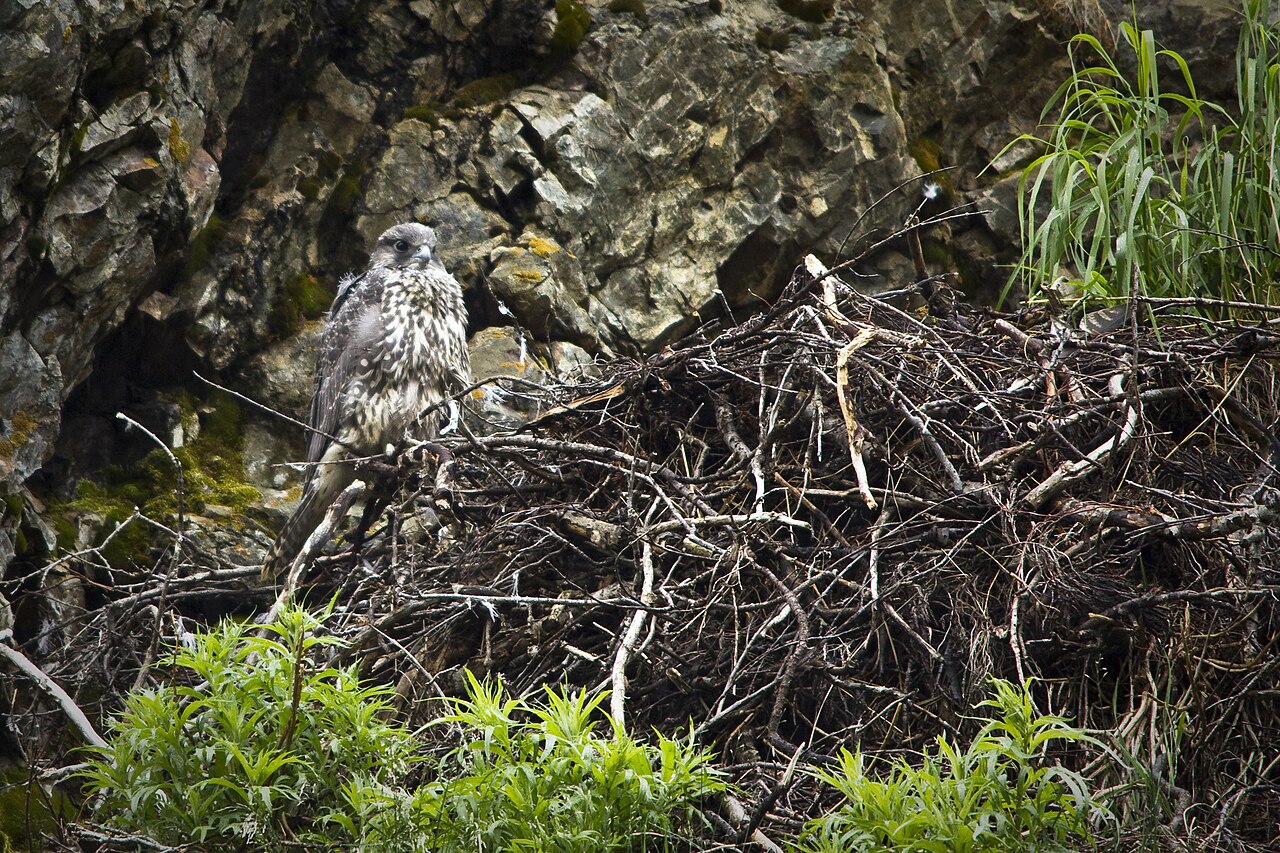
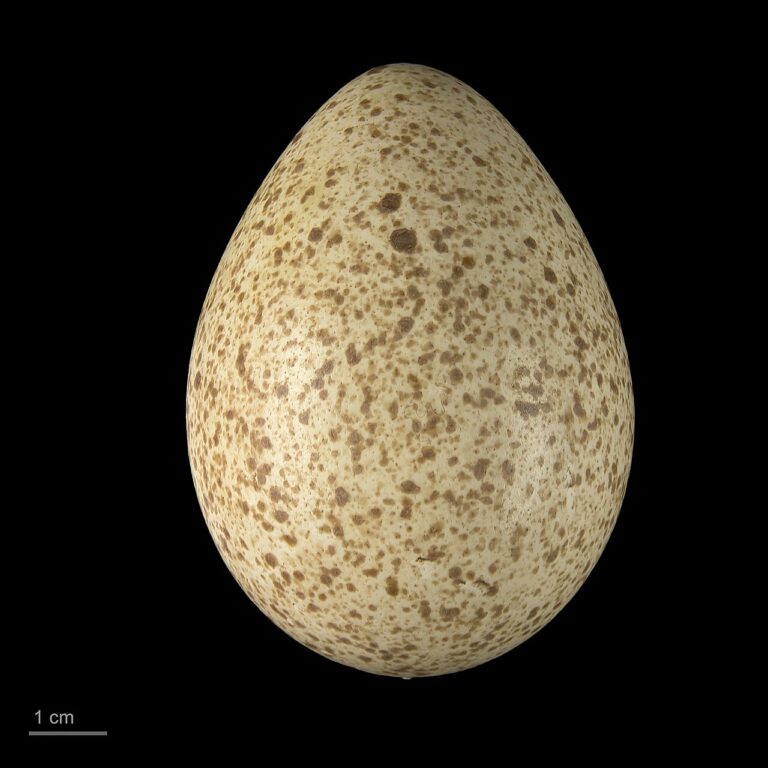
Gyrfalcons nest on cliff ledges, often reusing sites originally built or previously used by other raptors such as ravens or rough-legged hawks, since the species builds little to no nest structure of its own, relying instead on whatever bare ledge or old stick platform happens to be available nearby. A typical clutch runs three to four eggs, and incubation lasts around five weeks, with both parents sharing feeding duties once chicks hatch, though the male typically handles most of the early hunting while the female stays close to the nest guarding the young. Young gyrfalcons fledge at around seven weeks old but remain dependent on their parents for additional weeks while developing the hunting skills needed to take down ptarmigan and other substantial prey entirely on their own, a demanding apprenticeship given how much larger and more capable their typical prey is compared to what a young peregrine or kestrel must learn to catch. Gyrfalcons can live 15 to 20 years in the wild, and established pairs often return to the same general nesting cliff for many consecutive breeding seasons, provided ptarmigan or other suitable prey remain abundant nearby.
Gyrfalcon vs. Peregrine Falcon
Size is the most reliable way to separate a gyrfalcon from a peregrine falcon, since even the smallest gyrfalcons are noticeably bulkier and longer winged than the largest peregrines, though this can be difficult to judge without a direct size comparison in the field. Structure offers a second clue: a gyrfalcon’s wings are proportionally broader and less tapered than a peregrine’s classic pointed, swept-back silhouette, giving it a heavier, more powerful look in flight that experienced observers can often pick out even before other details become clear. Range narrows the possibilities considerably as well, since the two species rarely overlap outside of the Arctic and subarctic zones where gyrfalcons breed, meaning a large falcon seen well south of typical gyrfalcon range is far more likely a peregrine. Color is the least reliable clue of the three, since a gray morph gyrfalcon can superficially resemble a large peregrine at a distance, making size and structure the more dependable field marks overall.
Frequently Asked Questions
How do you pronounce gyrfalcon?
Gyrfalcon is pronounced “JER-falcon,” with a soft J sound at the start rather than a hard G.
Is the gyrfalcon the largest falcon?
Yes, the gyrfalcon is the largest falcon species in the world, with the biggest females reaching a wingspan of nearly five feet.
What colors do gyrfalcons come in?
Gyrfalcons occur in white, gray, and dark color morphs, all within the same species, with the proportion of each morph varying by region and latitude.
What do gyrfalcons eat?
Ptarmigan are the primary prey for most gyrfalcons, supplemented by other birds such as waterfowl and seabirds, and occasionally small mammals.
Where do gyrfalcons live?
Gyrfalcons breed across Arctic and subarctic tundra in North America, Europe, and Asia, nesting on cliffs near open ground where ptarmigan and other prey are abundant.
Why is the gyrfalcon important to falconry?
Gyrfalcons have been prized falconry birds for over a thousand years, historically reserved for European royalty, valued for their large size, power, and sustained hunting stamina.
Is the gyrfalcon a national symbol anywhere?
Yes, the gyrfalcon is the national bird of Iceland, where the white color morph in particular carries deep cultural and historical significance.
How long do gyrfalcons live?
Gyrfalcons typically live 15 to 20 years in the wild, and established breeding pairs often reuse the same nesting cliff for many consecutive seasons.