Bobcat vs Coyote Tracks in Snow: 3 Fast Ways to Tell
Claw marks, print shape and stride separate bobcat and coyote tracks in ten seconds, even when both prints measure close to 2 inches wide.
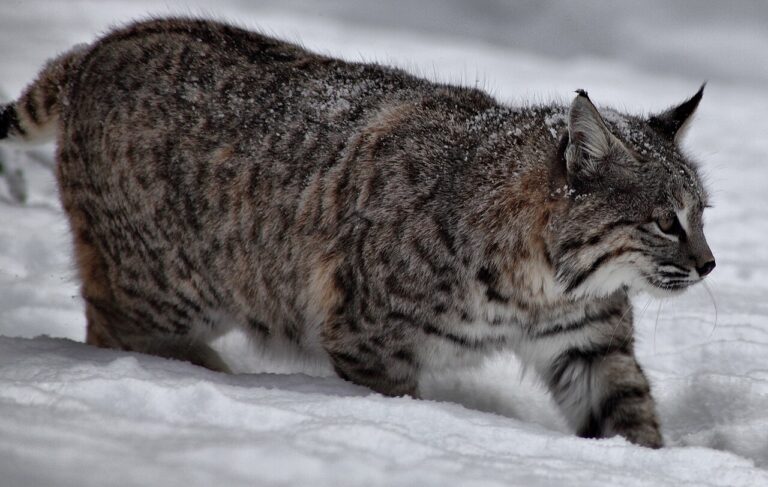
Claw marks, print shape and stride separate bobcat and coyote tracks in ten seconds, even when both prints measure close to 2 inches wide.

Lynx tracks are 3 to 4 inches wide, round, clawless, and oddly shallow for their size. Here is how to separate them from bobcat, dog and cougar prints.

Bison grunt like pigs, bellow for miles in the August rut and snort once before they charge. Here is every sound a herd makes and what it tells you.
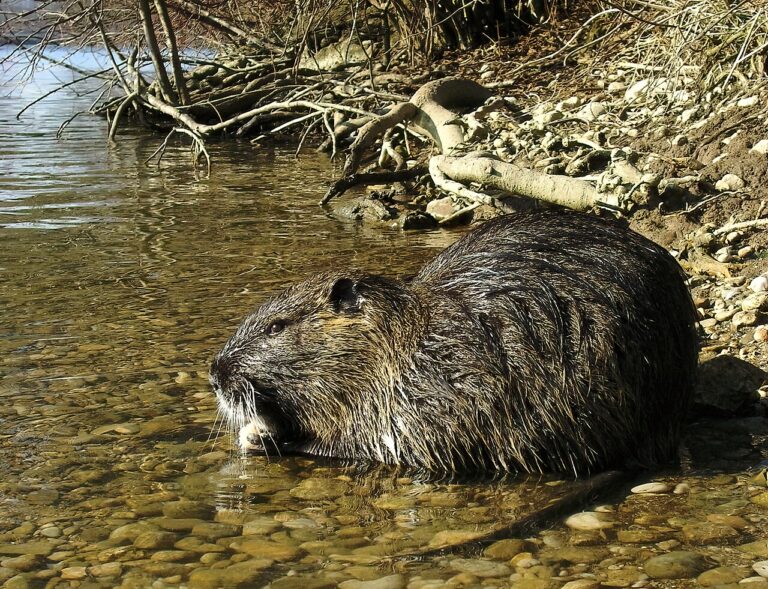
An animal that looks like a beaver is usually a muskrat. Compare tails, size, teeth and sign to separate beavers from muskrats, nutria, otters, groundhogs and five more look-alikes.
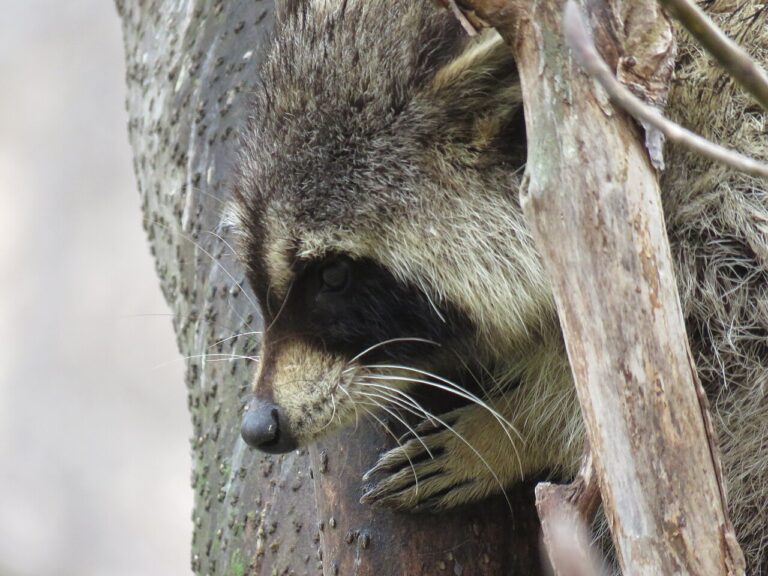
Seeing a raccoon is read as a message about resourcefulness and hidden truth. What the mask means in Native American, Christian and Japanese tradition, plus dreams, omens and repeated sightings.
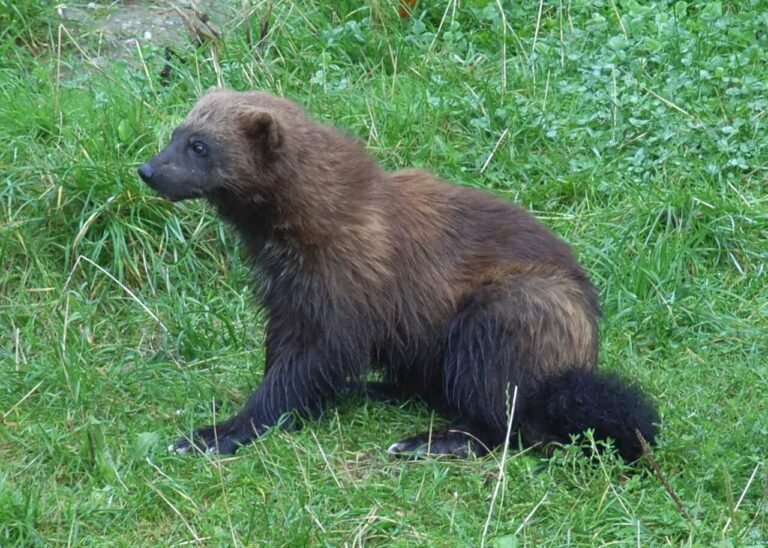
Wolverine symbolism is about ferocity out of proportion to size. What the animal means in Innu and Dene tradition, as a spirit animal, in dreams and as a tattoo.
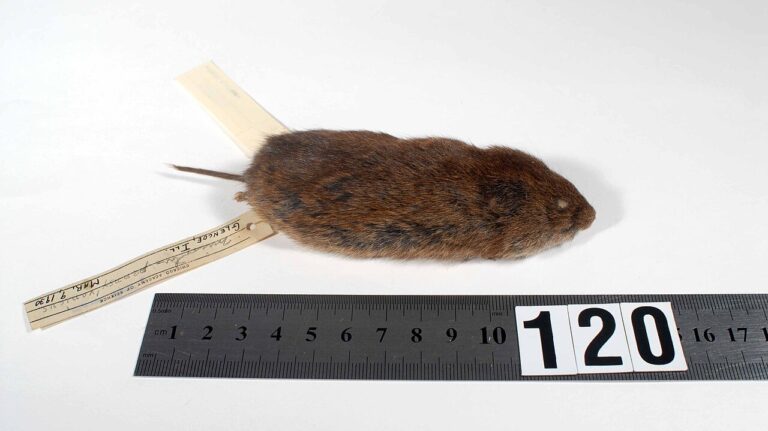
Vole droppings are green rice-sized pellets with blunt ends, left in heaps inside grass runways. How to identify them and tell them from mouse, rat and rabbit droppings.
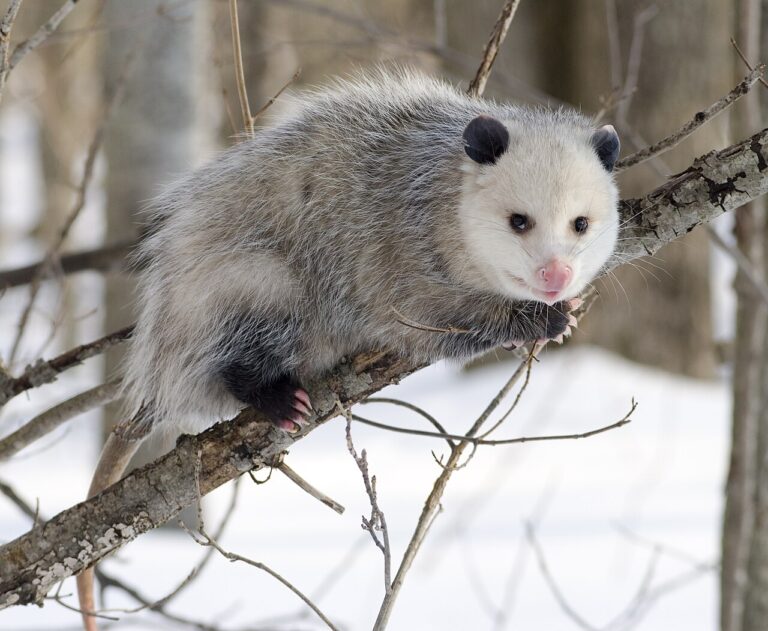
Seeing an opossum is read as a call to outwit a fight instead of forcing it. What the traditions actually say, and what a sighting in your yard, at a window or in a dream means.
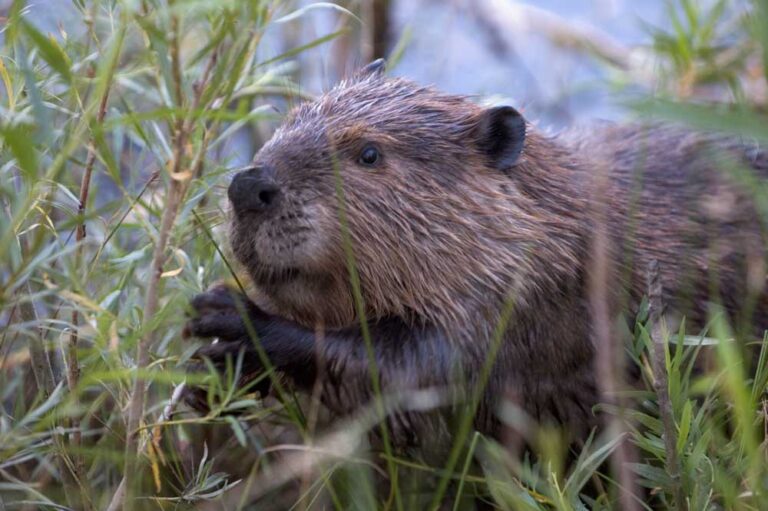
Tail slaps, kit whines that sound like a crying baby, mumbles, hisses and gnawing. The eight beaver sounds, when you hear each one, and what gets mistaken for them.
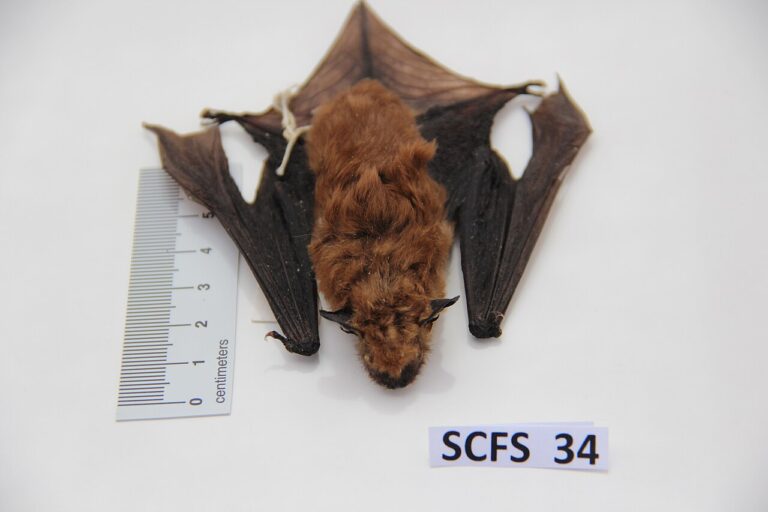
A bat in a dream points to a transition you sense but cannot see yet. The seven common bat dreams, what each one means, and how traditions disagree about the omen.