Bobcat Poop: Identification and How It Differs From Coyote
Bobcat poop is segmented with blunt ends and packed with fur. How to tell it from coyote, house cat and raccoon droppings, why bobcats leave it on rocks, and the toxoplasmosis risk.
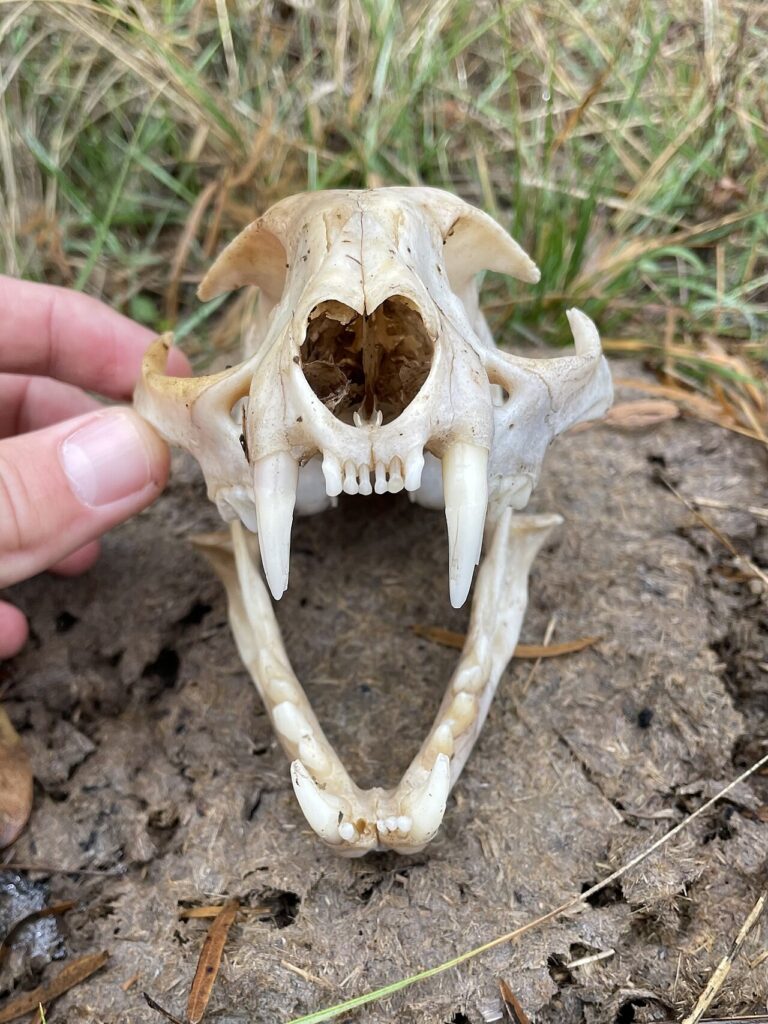
Bobcat poop is segmented with blunt ends and packed with fur. How to tell it from coyote, house cat and raccoon droppings, why bobcats leave it on rocks, and the toxoplasmosis risk.
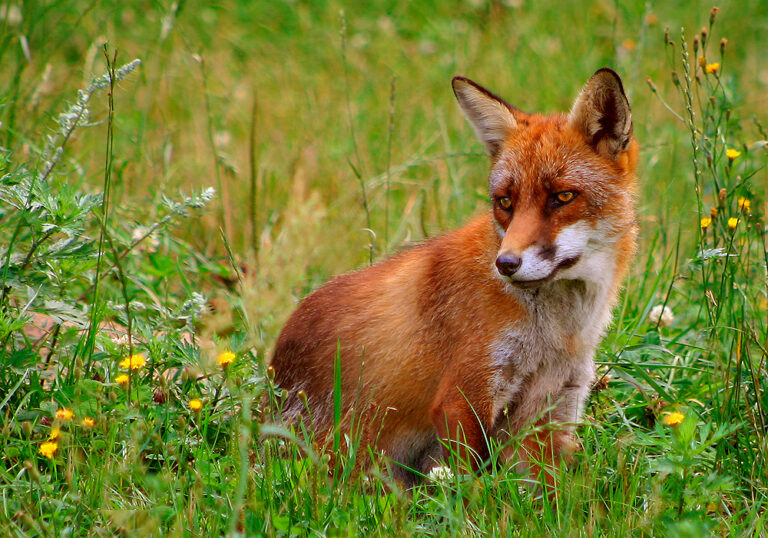
A group of foxes is called a skulk or a leash. Where both names came from, why foxes barely form groups at all, and what vixens, dog foxes and kits are called.
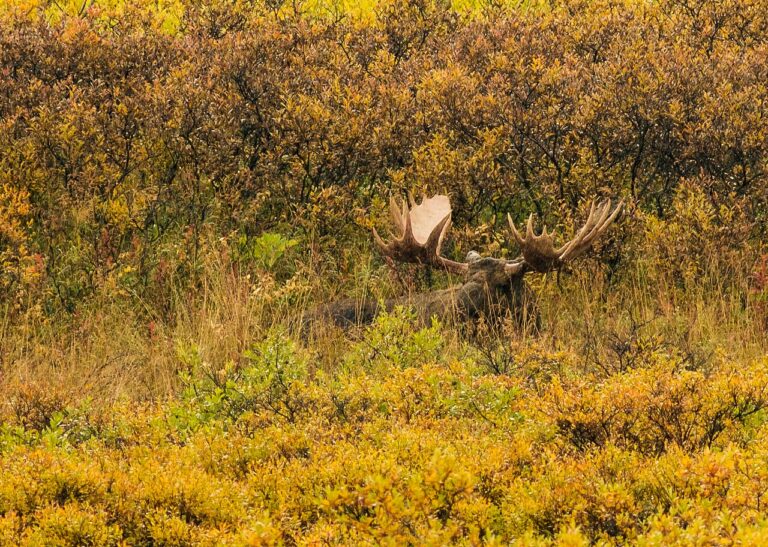
Moose poop is a pile of large oval pellets in winter and a soft patty in summer. How to tell it from elk, deer and bear scat, how fresh it is, and why it ends up in jewelry.
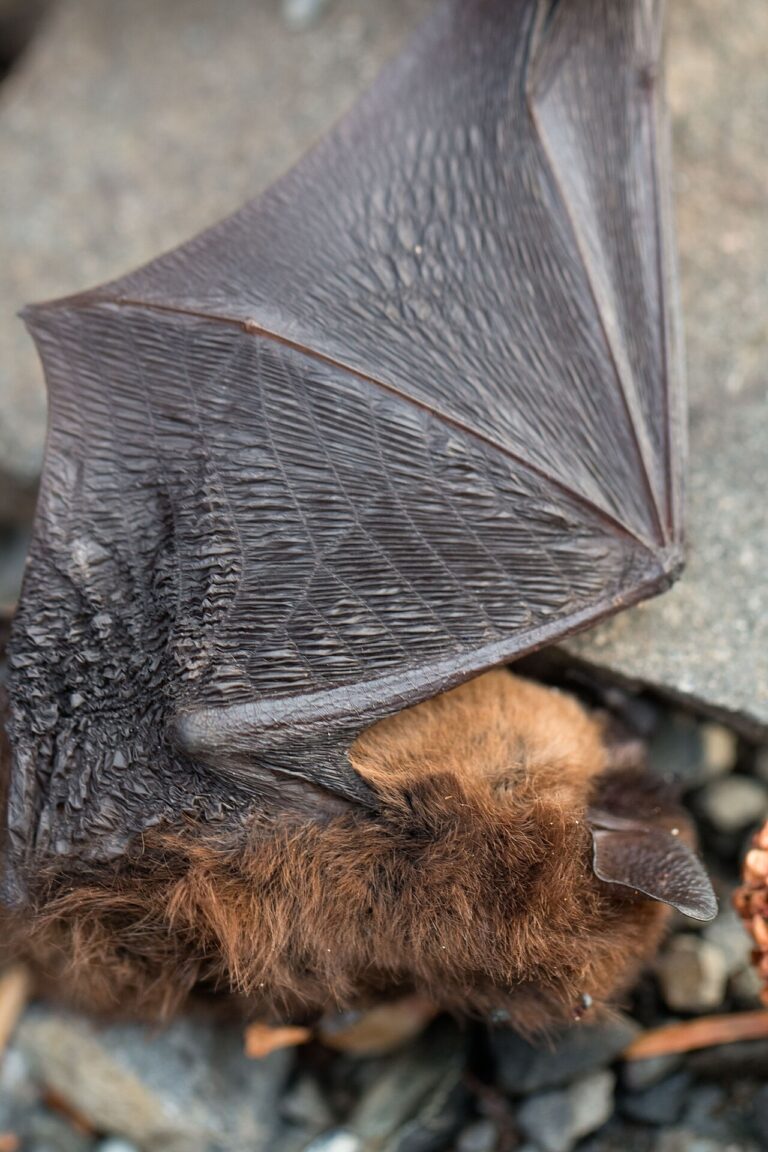
A group of bats is called a colony, or a cauldron in flight. Where cauldron came from, how bat colonies are organized, and why 15 million bats share one Texas cave.
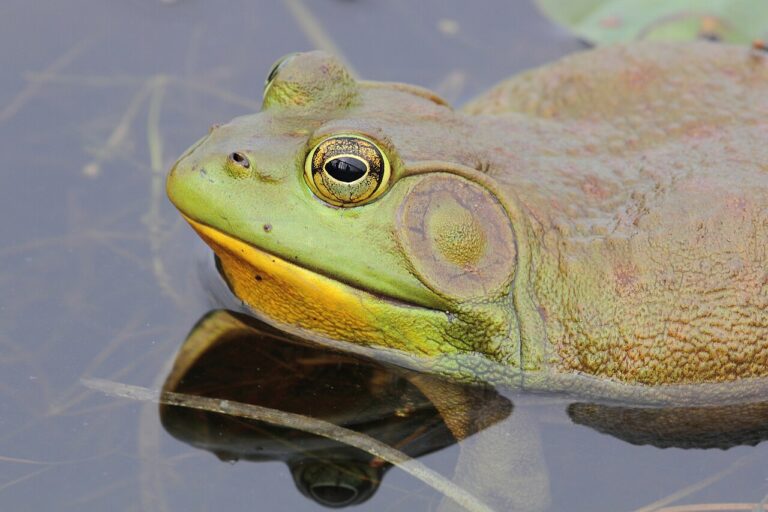
Frog poop is a dark cylindrical pellet with blunt ends, packed with insect parts. How to tell it from rat and mouse droppings, whether it is dangerous, and how to clean it up.
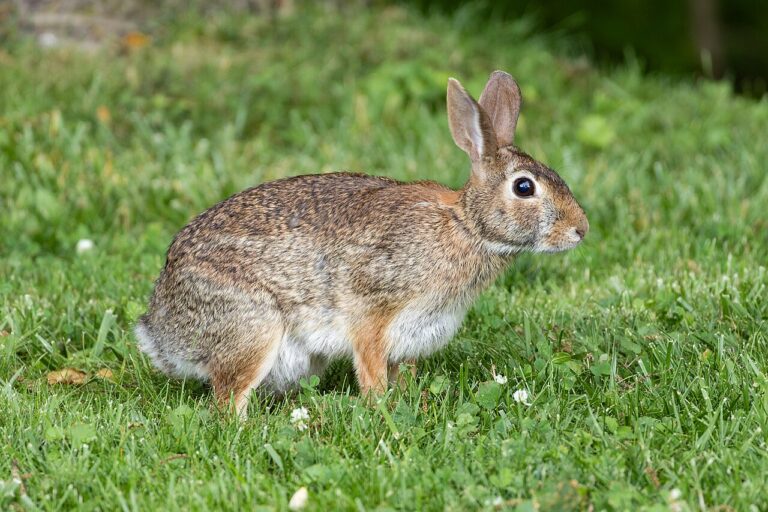
A group of rabbits is called a colony or warren, and a herd if domestic. Why fluffle is a modern invention, what a litter of kits is called, and how rabbit social groups really work.
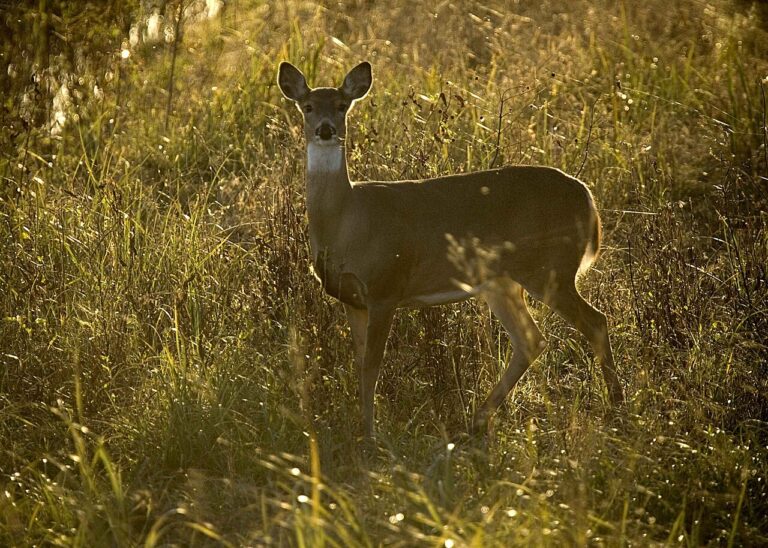
A group of deer is called a herd, never a flock. The archaic terms bevy and rangale, why the plural is deer and not deers, and how real deer herds form and split through the year.
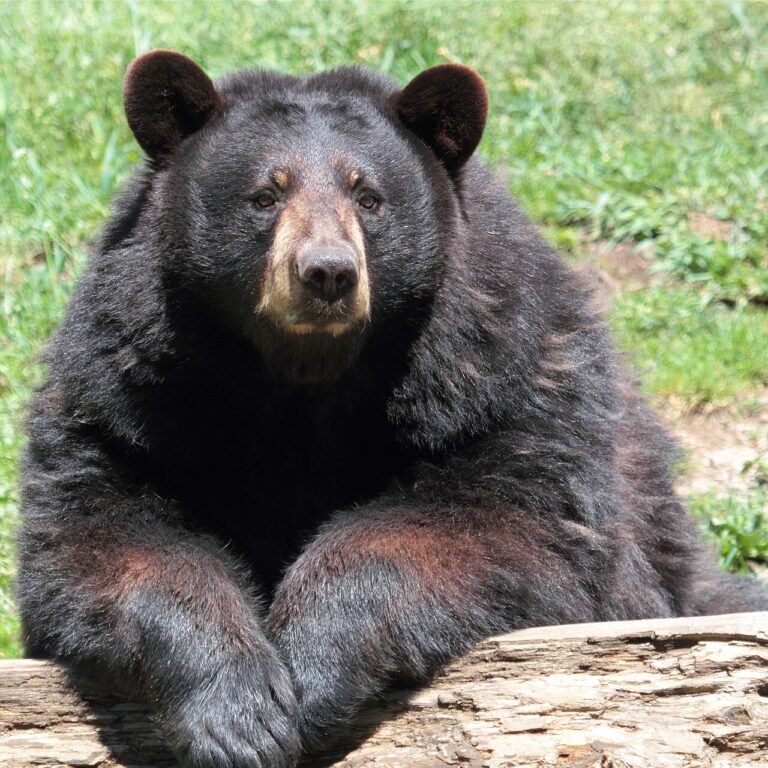
Bear poop is 1.5 to 2.5 inches thick with blunt ends and visible berries, seeds, or grass. How it changes with the seasons, black bear vs grizzly scat, and how to tell it from dog and coyote poop.
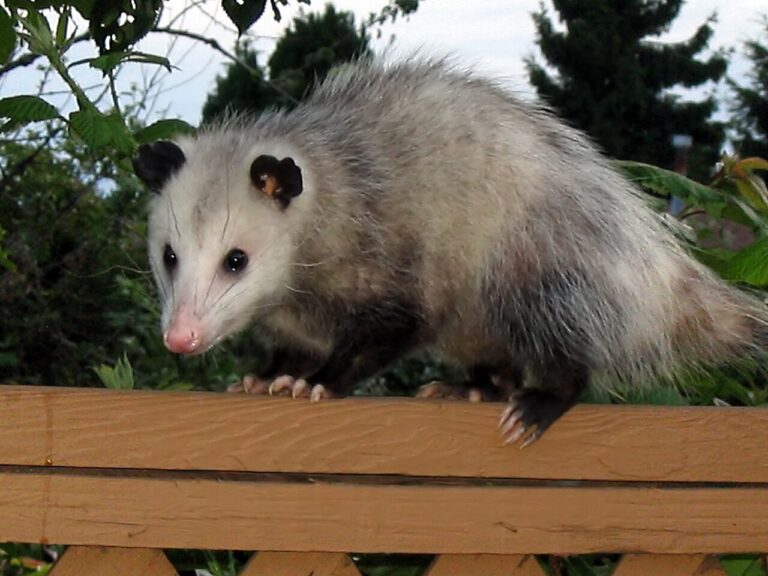
Opossums hiss, growl, click, screech and sneeze, but the hiss is almost always bluff. What each sound means and why most night noise is not an opossum at all.
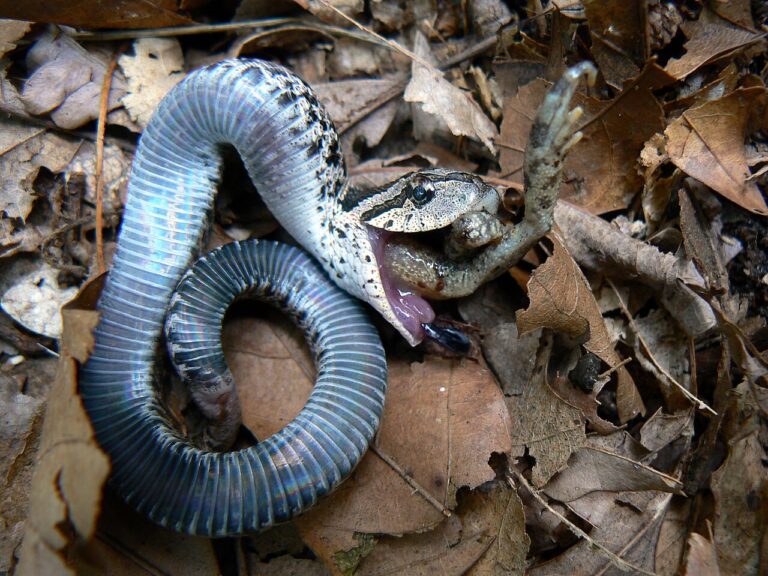
A baby hognose hoods like a cobra, strikes with its mouth shut, then plays dead. All bluff. Identification, whether they bite, and what keeping one really involves.