Baby Copperhead Snake: Identification, Venom, and Safety
A baby copperhead snake is venomous from birth and marked by a bright yellow tail tip. Identification, lookalikes, bite response, and keeping them out of the yard.
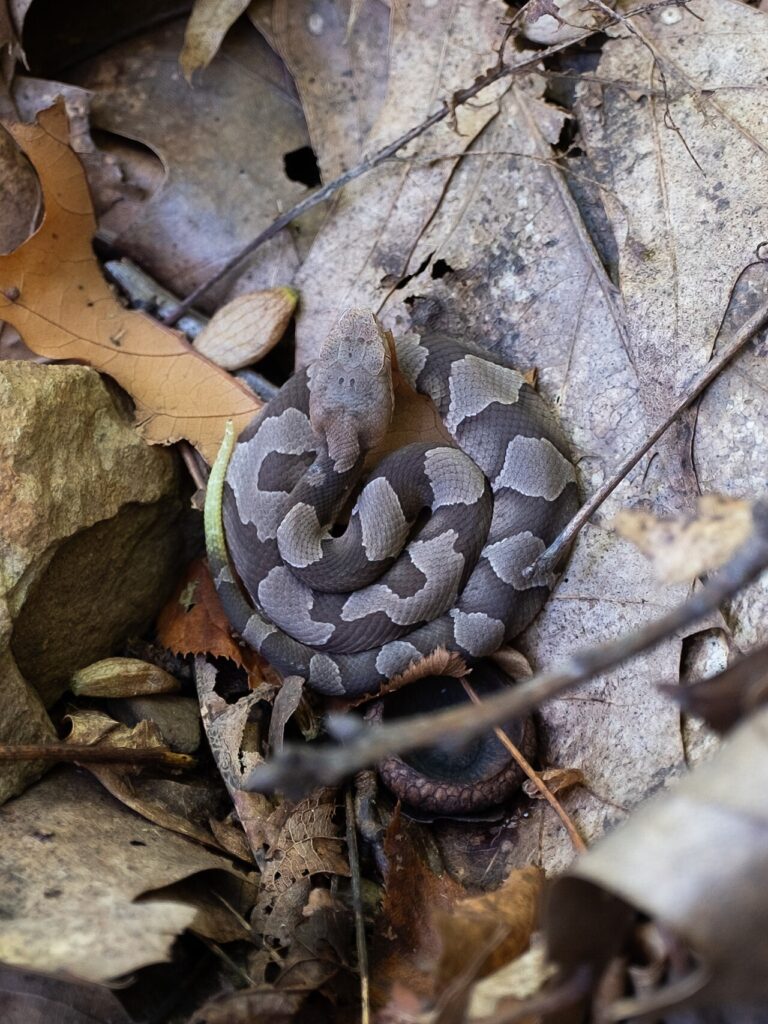
A baby copperhead snake is venomous from birth and marked by a bright yellow tail tip. Identification, lookalikes, bite response, and keeping them out of the yard.
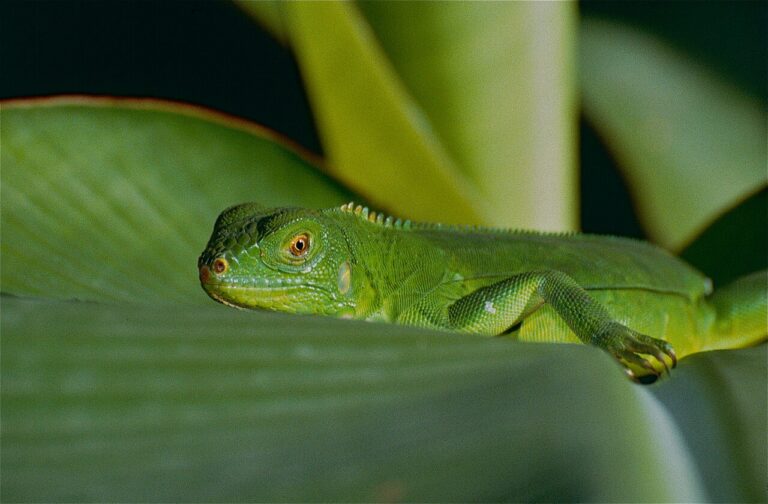
A baby iguana hatches at 6 to 12 inches and reaches 4 to 6 feet within a few years. Size, herbivore diet, UVB and heat needs, health risks, and wild hatchlings.
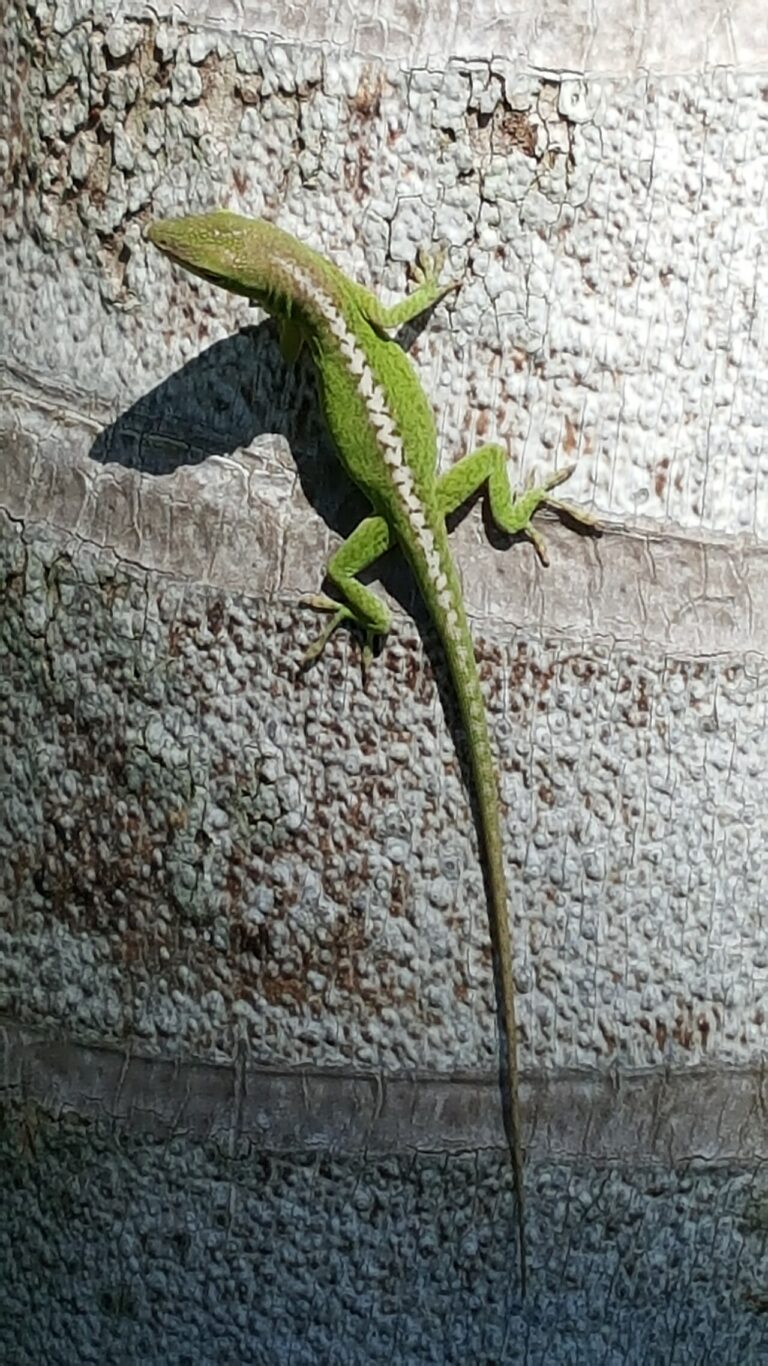
Lizard poop is a dark pellet with a white uric acid tip. How to tell it from rat, mouse, snake, frog, and roach droppings, whether it is dangerous, and safe cleanup.
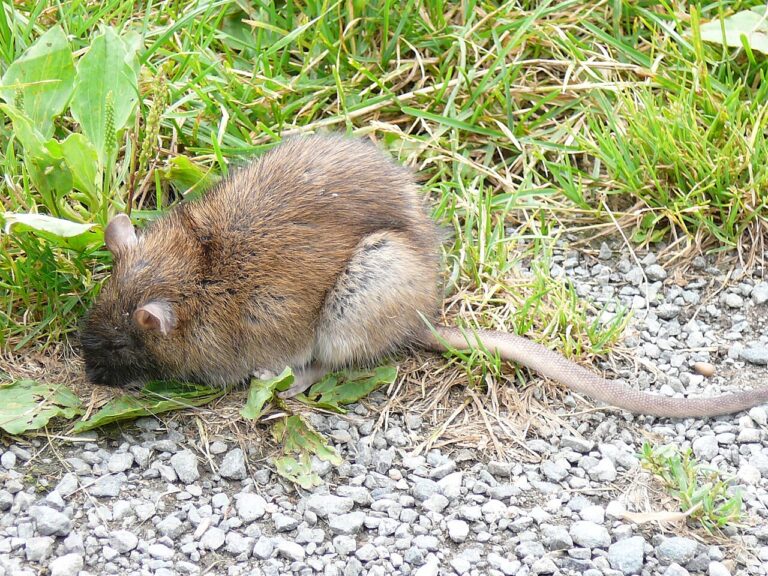
Rat sounds decoded: what scratching and gnawing in walls means, why rats are nearly silent vocally, telling rats from mice and squirrels by ear, and whether ultrasonic repellents work.
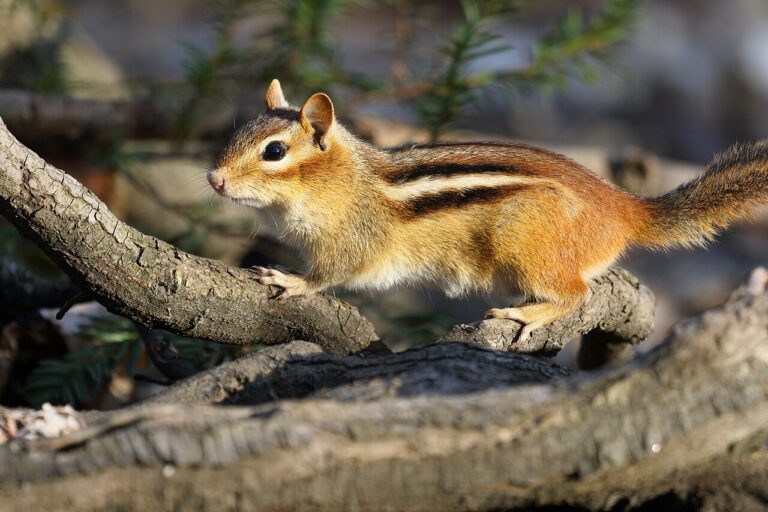
Chipmunk sounds decoded: the birdlike chip warns of hawks, the low chuck tracks ground predators, and the trill means run. Plus why night noises are never a chipmunk.
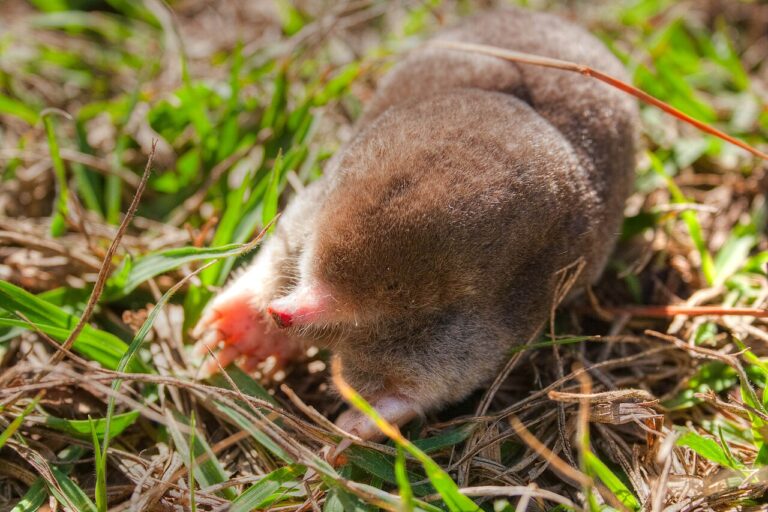
Mole poop is rarely seen since moles live entirely underground. Better identification through molehills, why moles are beneficial, and management options.
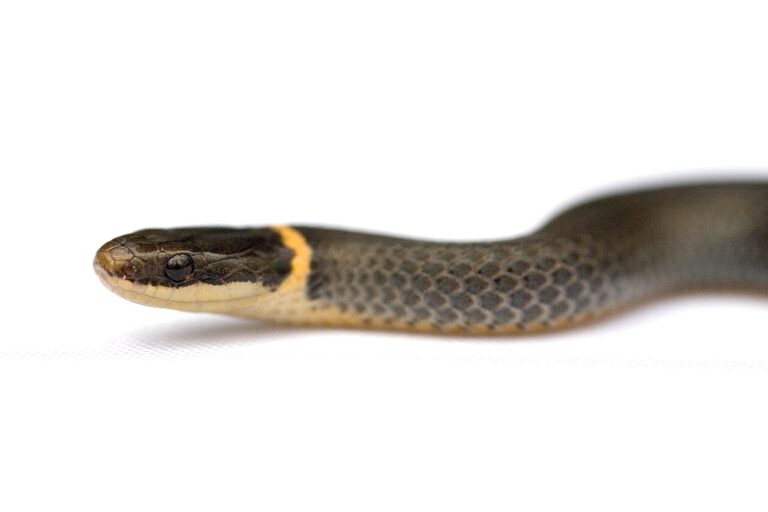
Baby ring-neck snakes hatch at 4-5 inches with a bright neck ring and curl their tail to flash a colorful underside as defense. Identification and habitat.
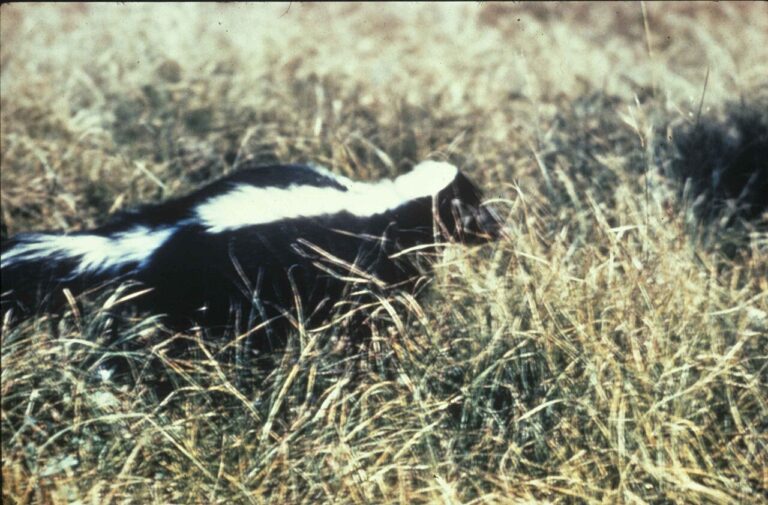
Skunk sounds range from soft chirps to hissing and screeching, with a reliable warning sequence, stamping, hissing, tail-raising, before spraying ever occurs.
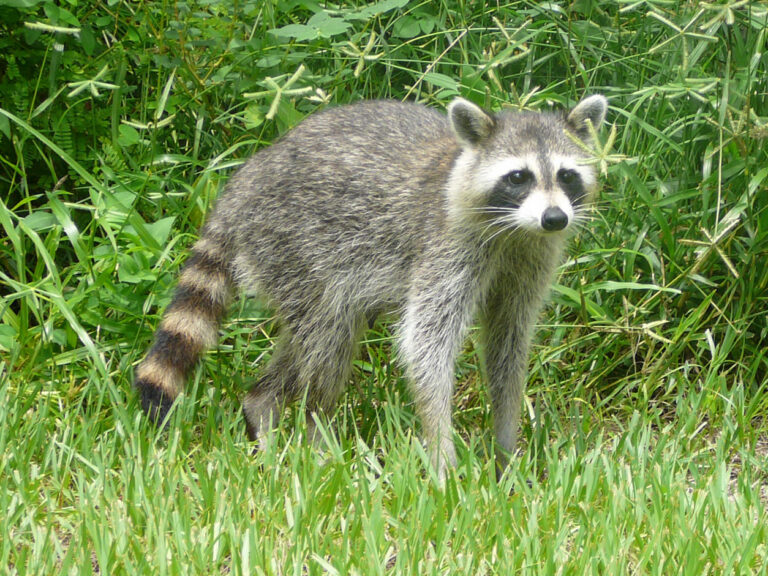
Raccoon poop is tubular with blunt ends; possum poop is looser and less uniform. The critical raccoon roundworm risk and safe cleanup for each explained.
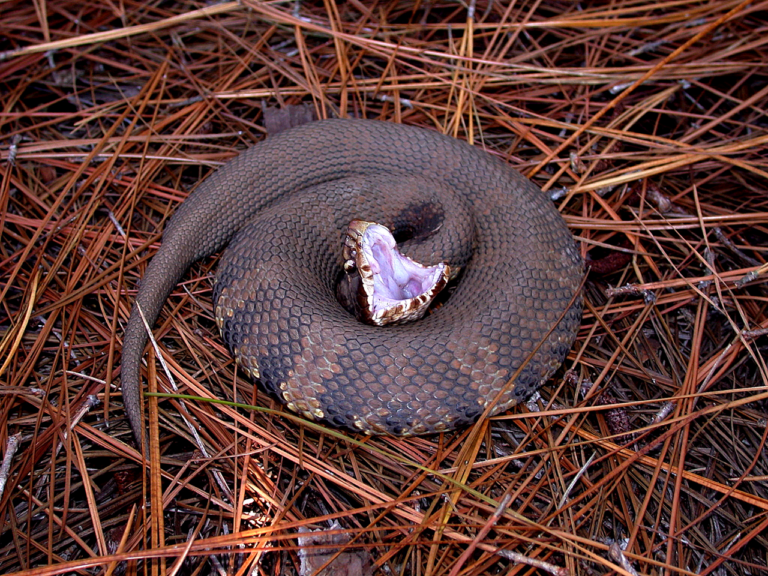
Baby cottonmouths are fully venomous from birth with a bright yellow tail tip used to lure prey. Identification, safety guidance, and how they differ from harmless snakes.