Raccoon Symbolism: What Seeing One Means in 7 Situations
Seeing a raccoon is traditionally read as a sign to look closer at something you have been taking at face value, because the raccoon is the masked problem solver of North American folklore. The raccoon spiritual meaning centers on three ideas that show up again and again across traditions: resourcefulness, disguise, and curiosity that refuses to accept a locked lid. People who look up raccoon symbolism have usually just had an encounter they cannot shake, one that happened at a window, in a yard, or in a dream.
Raccoons (Procyon lotor) are nocturnal, intelligent, and comfortable living alongside humans, so the symbolism attached to them is less about wilderness and more about the boundary between your world and theirs. This guide separates what different traditions actually teach from what modern spirit animal writing has added, then walks through the specific situations people search for: a raccoon in your path, at the window at night, the same one returning, a dead one, and raccoons in dreams.
Seeing a raccoon is most often interpreted as a message about resourcefulness and hidden truth: something in your life is disguised, or you have more tools to solve a problem than you believe. In Native American traditions the raccoon is a trickster and a skilled provider. Modern spirit animal writing adds adaptability, curiosity, and healthy boundaries.
| Situation | Common interpretation | Where the reading comes from |
|---|---|---|
| Raccoon in your path by day | A problem you called impossible has a solution you have not tried | Modern spirit animal writing |
| Raccoon at your window at night | Someone or something is observing a part of your life you keep private | Folk belief, trickster lore |
| The same raccoon returning | A lesson you have not acted on yet | Modern totem practice |
| Dead raccoon | The end of a disguise or a habit of hiding | Omen folklore |
| Raccoon in a dream | Deception, your own or someone else’s, or hidden resources | Dream interpretation tradition |
| Baby raccoon | A new skill or responsibility that is still clumsy | Modern spirit animal writing |
| Raccoon raiding your trash | Boundaries that need reinforcing, not revenge | Folk reading of the trickster |
What Is the Symbolism of Seeing a Raccoon?
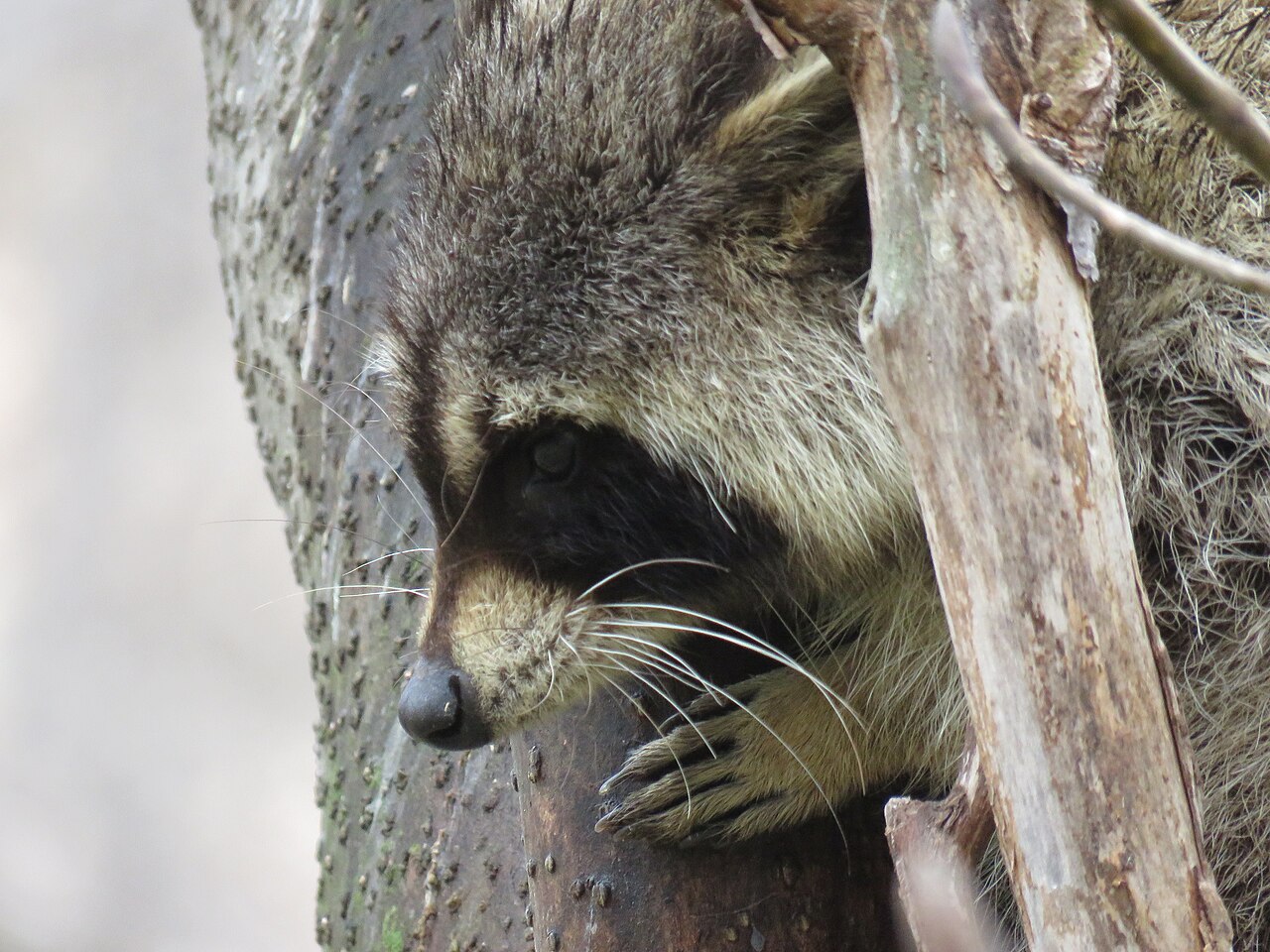
The symbolism of seeing a raccoon rests on the mask. Almost every tradition that comments on the animal starts from the black band across its face and reads it as concealment, performance, or a second identity. That makes the raccoon a symbol of things that are not what they appear to be, including the possibility that you are the one wearing the mask.
The second layer is competence. Raccoons open latches, lift lids, and remember solutions for years, and that practical intelligence turns the animal into a symbol of resourcefulness under pressure. A raccoon encounter is commonly read as reassurance that you already have what the situation requires, a reading that sits close to the one attached to the beaver as a symbol of patient building.
The third layer is the night. Because raccoons are active after dark, they are associated with work that happens out of sight: private grief, secret plans, research, or the part of a job nobody sees. Nocturnal animals tend to collect this meaning, which is why bat symbolism overlaps with the raccoon on themes of the unseen.
Raccoon Symbolism in Native American Traditions
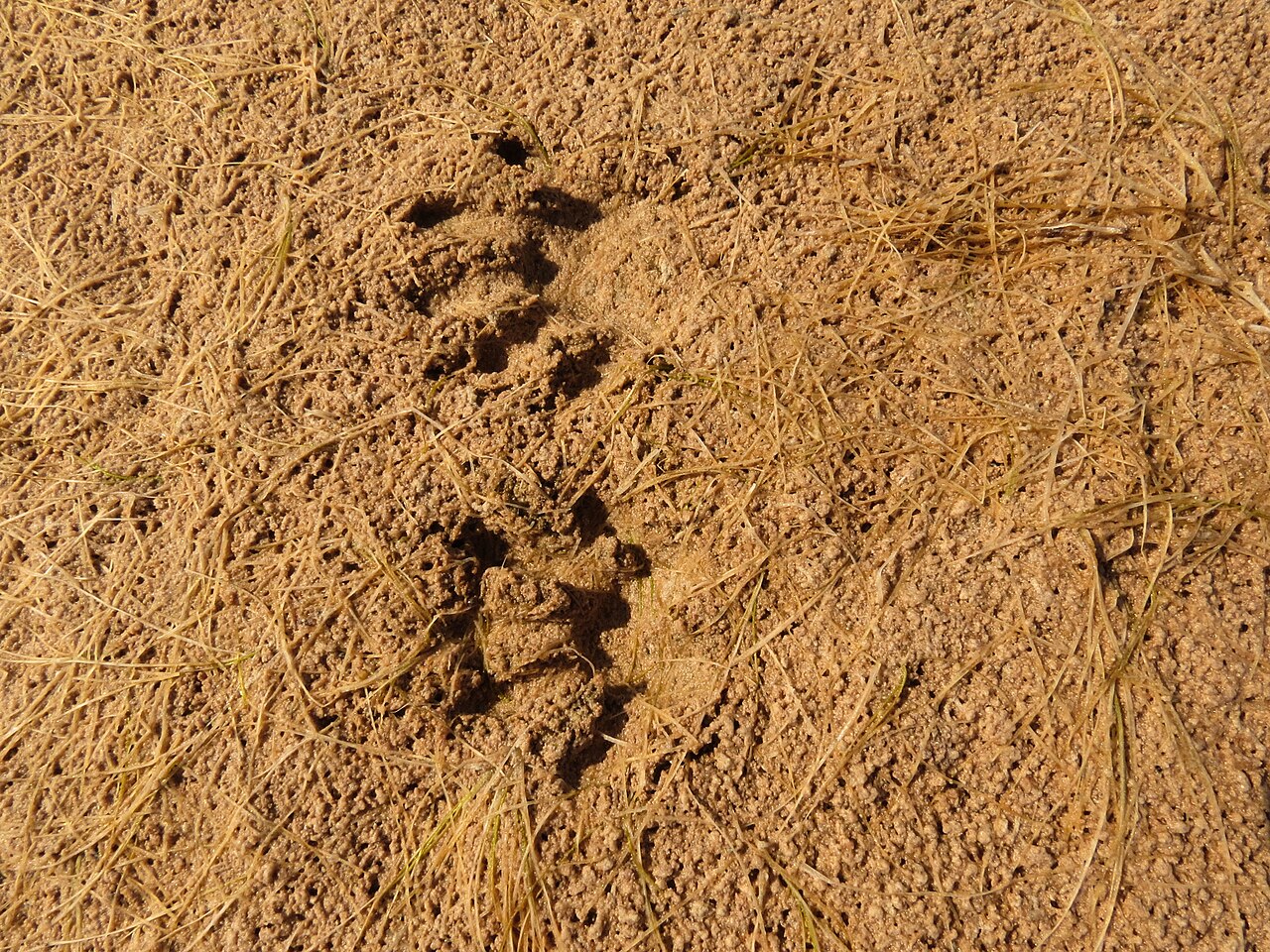
Raccoon appears across many Indigenous nations of North America, and the readings are not interchangeable. In several Algonquian oral traditions the raccoon is a trickster figure, a character who outsmarts larger animals and occasionally outsmarts himself, which makes the stories lessons about cleverness with limits rather than praise for cunning alone.
Among some Plains and Southeastern nations the raccoon is associated with provision and dexterity, the animal that always eats well because it knows where food is kept. Clan and name traditions in nations including the Chickasaw and the Choctaw reference the raccoon, and in those contexts it carries family identity rather than a personal omen. Treating any of these as a single pan-Indian meaning flattens traditions that are distinct and still living.
What is fair to say is this: in the traditions where raccoon stories survive, the animal is almost never a warning about evil. It is a teacher about appetite, ingenuity, and the trouble that follows a clever shortcut. That is a different register from the fear attached to large predators like the bear in Native American symbolism.
Raccoon Meaning in Christianity and the Bible

The raccoon does not appear in the Bible. It is a New World animal, unknown to the writers of scripture, so any claim about a biblical raccoon meaning is interpretation layered onto the text, not a verse. Christian readers who search for raccoon spiritual meaning in the Bible are usually looking for a framework, and the honest answer is that the framework has to be borrowed.
Where Christian interpretation does engage the animal, it tends to work through two themes already present in scripture: the thief who comes at night, and the call to examine what is hidden in the heart. A raccoon sighting read through that lens becomes a prompt for self examination rather than a prediction about the future. Some Christian writers also connect the raccoon’s washing behavior to purification imagery, though this is a modern association.
On the question of whether God warns people through dreams, Christian traditions differ sharply, and animal symbolism is not a settled part of any mainstream doctrine. Most pastoral guidance would point to scripture and counsel rather than to the species that appeared. Treat a raccoon dream as material for reflection, not as instruction.
Celtic, European and East Asian Parallels
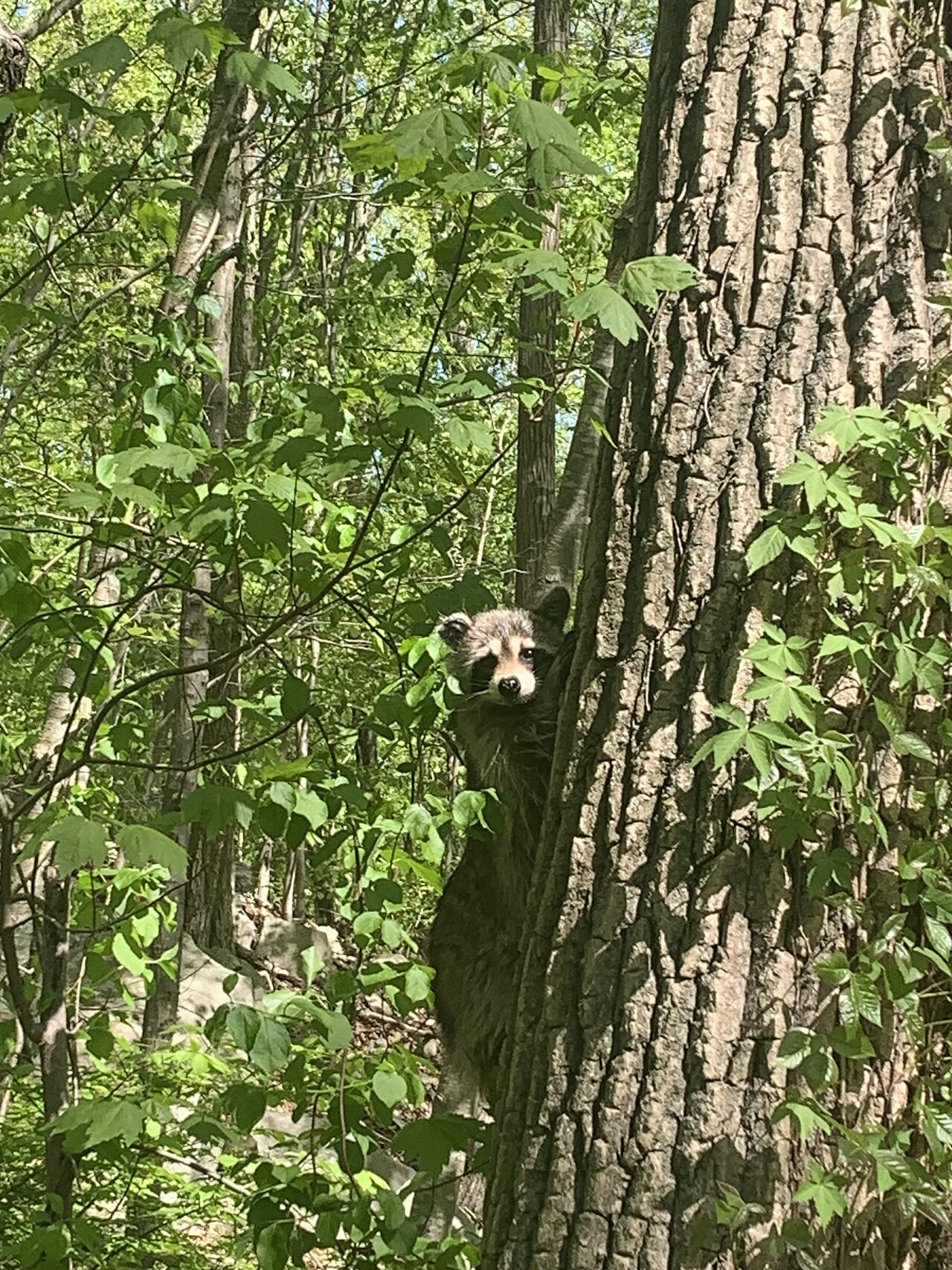
There is no Celtic raccoon lore, for the same reason there is no biblical raccoon: the animal is not native to Europe. European raccoon populations descend from twentieth century escapes and releases, mainly in Germany, which is far too recent for folklore. Sources that claim an ancient Celtic raccoon meaning have invented it, usually by transplanting badger or fox symbolism.
The closest genuine parallel is Japanese. The tanuki, a raccoon dog (Nyctereutes procyonoides) and not a raccoon at all, is a shapeshifting trickster in Japanese folklore, associated with mischief, disguise, prosperity, and good humor. Statues of tanuki outside restaurants are luck charms for business. The overlap with raccoon symbolism is real but convergent: two masked, adaptable omnivores attracted the same kind of story.
European badger lore fills a similar role, with the badger as a stubborn, underground, boundary keeping animal. If you want a tradition with actual depth behind it, the tanuki and the badger are better places to look than invented Celtic correspondences, in the same way that bird symbolism varies enormously by region rather than forming one global code.
Seeing a Raccoon in Your Path or Garden by Day
A raccoon crossing your path in daylight is the encounter people ask about most, and the usual interpretation is a nudge toward a practical solution you have dismissed. The reading goes that the raccoon does not force doors, it studies them, so the message is to study the obstacle again rather than push harder at it.
Before assigning meaning, rule out the biology. Daytime activity in raccoons is not automatically a sign of rabies, which is a persistent myth. Nursing mothers forage in daylight, and urban raccoons shift their schedules around human food sources. Genuine warning signs are disorientation, aggression without provocation, paralysis in the hind legs, and vocalizing with no apparent cause.
If the animal looks healthy and simply walked past you, the symbolic reading stands unchallenged by any medical concern. Many people find that the encounters that feel significant are the ones that interrupt a day they were moving through on autopilot. The attention is the message.
A Raccoon at Your Window or on Your Porch at Night
A raccoon at the window at night is traditionally read as a question about privacy: what are you keeping behind glass, and who is looking in. The window is the symbolic element here more than the animal. A raccoon on the porch, by contrast, is usually read as a boundary message, something arriving at the edge of your space and waiting to see whether you let it in.
Folk interpretation treats repeated window visits as insistence. The trickster does not knock politely, and the reading is that a truth you have been declining to open the door to is going to keep presenting itself. Some traditions treat this as protective rather than ominous, a warning delivered early enough to act on.
Practically, a raccoon at your window has found food, water, or a warm wall cavity nearby. The two readings do not cancel each other out. People who take the symbolic prompt seriously often end up fixing the practical problem at the same time, which is a reasonable outcome either way.
Seeing the Same Raccoon Again and Again
Repeated sightings of what seems to be the same raccoon are read in modern totem practice as an unfinished lesson. The logic is simple: a message repeats because it has not been received. People who report this often describe the same animal at the same hour, which gives the encounter a deliberate quality.
The identification is rarely certain. Raccoons in an urban neighborhood overlap heavily, several animals may use the same route, and individuals are hard to tell apart without marked features. That does not void the reading, but it does mean the repetition may be about the place rather than the animal.
If you take the symbolic framing, the useful question is what you decided not to deal with around the time the sightings started. Most people can name it immediately, which is itself informative.
Finding a Dead Raccoon
A dead raccoon is generally interpreted as the end of a disguise. Where a living raccoon represents a mask being worn, the dead animal represents the mask coming off, voluntarily or otherwise. That reading is usually framed as a release rather than a loss, which is why many writers treat it as a hopeful omen despite the unpleasantness of the find.
A second common interpretation is the exhaustion of a survival strategy. Scavenging, improvising, and getting by on cleverness work until they do not, and the dead raccoon is read as a prompt to build something more stable. Death symbolism in animal omens is rarely literal, a point that also applies to black butterfly spiritual meaning, which is widely misread as a death warning.
Handle the practical side carefully. Raccoons carry roundworm (Baylisascaris procyonis) in their feces, and carcasses should be reported to animal control rather than moved by hand.
What Do Raccoons Represent in Dreams?
Raccoons in dreams are usually interpreted through deception, and the first question the tradition asks is whose. A raccoon stealing from you points outward, toward someone taking more than they have admitted. A raccoon you are feeding or hiding points inward, toward a part of your own behavior you are protecting from scrutiny.
A white raccoon in a dream is read as a message you are being given clearly rather than one you have to decode, with white functioning as the color of revelation in most dream traditions. A black raccoon intensifies the mask reading, pushing it toward secrecy rather than playfulness. Baby raccoons in dreams typically represent a new capability that is still awkward to use.
Is seeing animals in dreams good? Dream traditions treat animal dreams as unusually memorable rather than unusually fortunate, and animals tend to carry whatever the dreamer already associates with them. A raccoon dream from someone who grew up with raccoons tearing open the feed shed will not mean what it means to someone who has only seen them in photographs. Start with your own association before reaching for a dictionary meaning.
Why Is a Raccoon My Spirit Animal?
People identify with the raccoon as a spirit animal when adaptability is their defining trait. The raccoon totem in modern practice belongs to people who improvise well, who have made a life out of unpromising materials, and who tend to be underestimated by people who mistake informality for incompetence.
The shadow side of the totem is the part most writing skips. The raccoon is also opportunistic, easily distracted by novelty, and prone to taking what is available rather than what is good. Someone working with raccoon energy is usually being asked to examine where resourcefulness has slid into evasion, and whether the mask has stopped being a tool.
Raccoon as a totem is also strongly associated with boundaries, because raccoons test every one they meet. The practical lesson drawn from this is that boundaries are maintained by repair, not by announcement. That is a markedly less grand message than the one attached to animals like the bald eagle, and it is the point.
Is a Raccoon a Good Omen?
A raccoon is generally a good omen, with a condition attached. Across the traditions that comment on it, the raccoon brings information rather than fortune, and the information is almost always about something concealed. Whether that turns out well depends on what you do once you know.
The omen is read as negative in only a few specific framings: a raccoon that behaves aggressively, a raccoon encountered during an active dispute over money or property, or a raccoon found dead on your own threshold. Even in these cases the traditional reading is warning rather than fate, and the response prescribed is vigilance rather than dread.
For most people the honest summary is that a raccoon sighting is a neutral event that becomes meaningful through attention. If the encounter made you stop and think, the omen has already done the only work omens reliably do. The same pattern holds for the fierce, solitary symbolism of the wolverine, where the message matters more than the forecast.
Baby, White and Black Raccoons in Symbolism
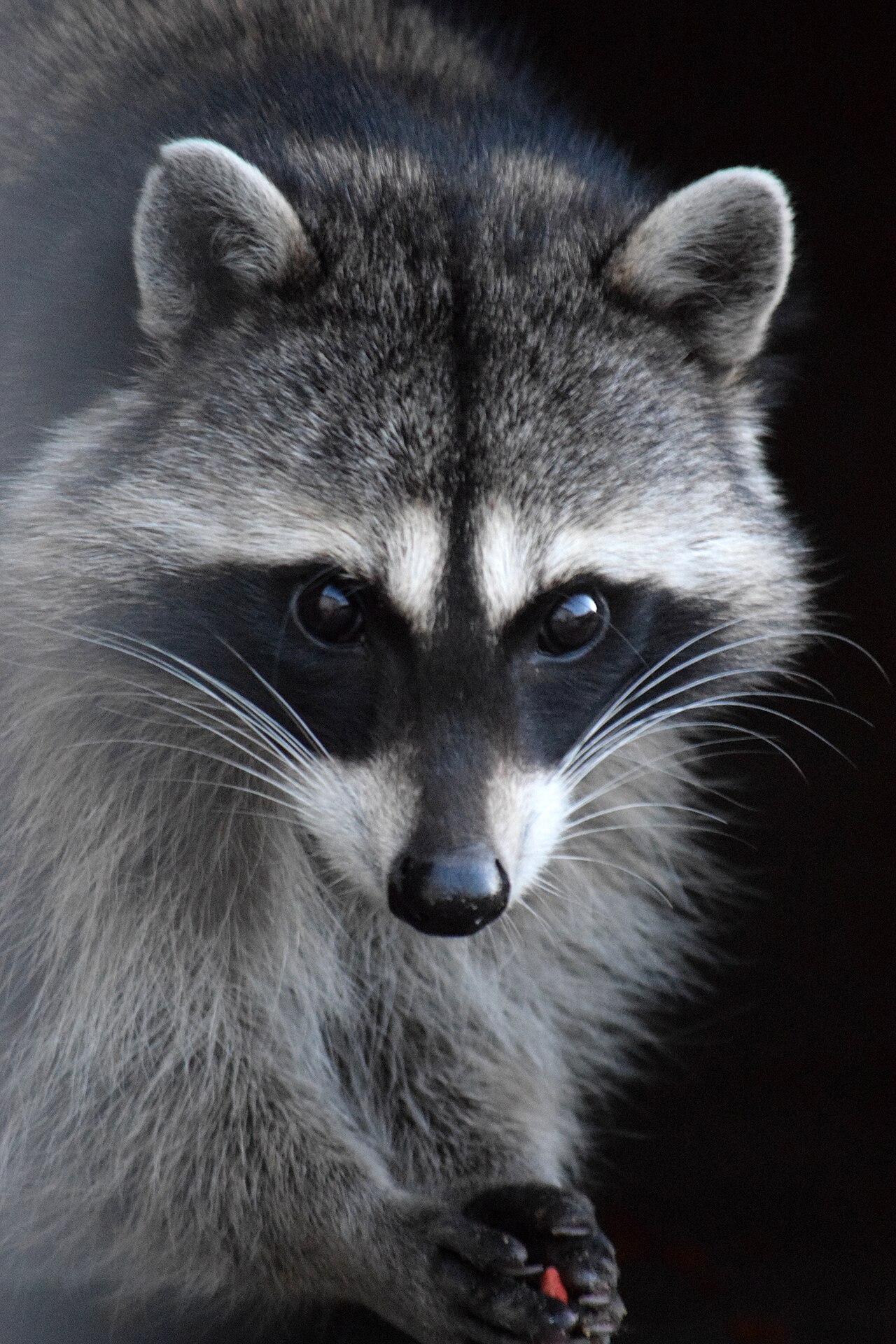
Baby raccoon spiritual meaning centers on new competence. The kit is curious and clumsy in equal measure, so the encounter is read as encouragement toward something you have just started and are not yet good at. Finding a kit alone is usually not an abandonment, and wildlife agencies ask people to observe from a distance before intervening.
White raccoons are either albino, lacking all pigment with pink eyes, or leucistic, with reduced pigment and normal eye color. Both are rare, and rarity is the engine of the symbolism: a white raccoon is read as a message singled out for you specifically. Black or melanistic raccoons are rarer still and are read as the mask extended over the whole animal, concealment taken to its limit.
Color variants carry heavier symbolic weight in every tradition simply because people remember them, a bias worth naming. You can read more about raccoon biology and behavior in the Smithsonian’s National Zoo animal profiles, which is a useful counterweight when the symbolic reading starts to drift from the actual animal.
Frequently Asked Questions
What is the symbolism of seeing a raccoon?
Seeing a raccoon symbolizes resourcefulness and hidden truth. The mask marks it as the animal of disguise, and the dexterity marks it as the animal of practical problem solving. Most interpretations combine the two into one message: something in your situation is not what it appears to be, and you have the means to work it out.
What deity is associated with raccoons?
No major deity is associated with raccoons, because the animal is native only to the Americas. The closest figure is the Japanese tanuki, a raccoon dog treated as a shapeshifting folk spirit rather than a god. Claims linking raccoons to Greek, Egyptian, or Celtic deities are modern inventions with no basis in those traditions.
Why is a raccoon my spirit animal?
A raccoon usually surfaces as a spirit animal for people who are adaptable, curious, and good at improvising with limited resources. The totem also carries a challenge about boundaries and about when cleverness becomes avoidance. If the raccoon keeps appearing, the tradition reads it as a trait you are either leaning on too heavily or not using enough.
What do raccoons represent in dreams?
Raccoons in dreams represent deception and concealed resources. A raccoon stealing from you points to someone else’s dishonesty, while a raccoon you protect points to your own. Baby raccoons suggest a new and clumsy skill, and white raccoons suggest a message meant to be understood rather than decoded.
Is a raccoon a good omen?
A raccoon is usually considered a good omen, though it delivers information rather than luck. The traditional reading is that something hidden is about to become visible and that you are capable of handling it. Aggressive behavior or a dead raccoon on your own doorstep are the main cases read as warnings.
Is seeing animals in dreams good?
Dream traditions treat animal dreams as significant rather than inherently good or bad. Animals in dreams tend to carry the dreamer’s personal associations before any symbolic dictionary applies, so the same raccoon means different things to a farmer and a city apartment dweller. Start with what the animal means to you.