Wolf Symbolism: Spiritual Meaning, Omens and Seeing a Wolf
Seeing a wolf is traditionally read as a call to trust your instincts and to stand with your people, and in most traditions it is taken as a strong omen rather than a bad one. Wolf symbolism centers on four ideas that show up again and again: loyalty to the pack, fierce independence, sharp intuition, and the threat that comes with real power.
Those meanings are beliefs, not facts about the animal, and they differ sharply by culture. Lakota and Anishinaabe traditions honor the wolf as teacher and relative. Biblical texts use it as a warning. Celtic and East Asian sources land somewhere between guardian and destroyer, which is why one sighting can be read in opposite ways.
The wolf symbolizes loyalty, instinct, independence and protective strength. Many Native American traditions treat it as a teacher and pathfinder, while biblical imagery casts the wolf as a predator threatening the flock. Seeing one is widely understood as a sign to trust your gut and guard what matters to you.
What Does a Wolf Symbol Represent?
A wolf symbol represents instinct married to social loyalty. Wolves hunt cooperatively, raise young as a group and defend shared territory, and symbol systems built around them pick up exactly those traits: family bonds, endurance, and the confidence to act on what you sense before you can prove it. Color shifts the reading. A white wolf is usually tied to purity, guidance and spirit messengers, a black wolf to shadow, secrecy and transformation, and a lone wolf to self reliance bought at the price of solitude.
Wolf Symbolism in Native American, Biblical, Celtic and East Asian Traditions
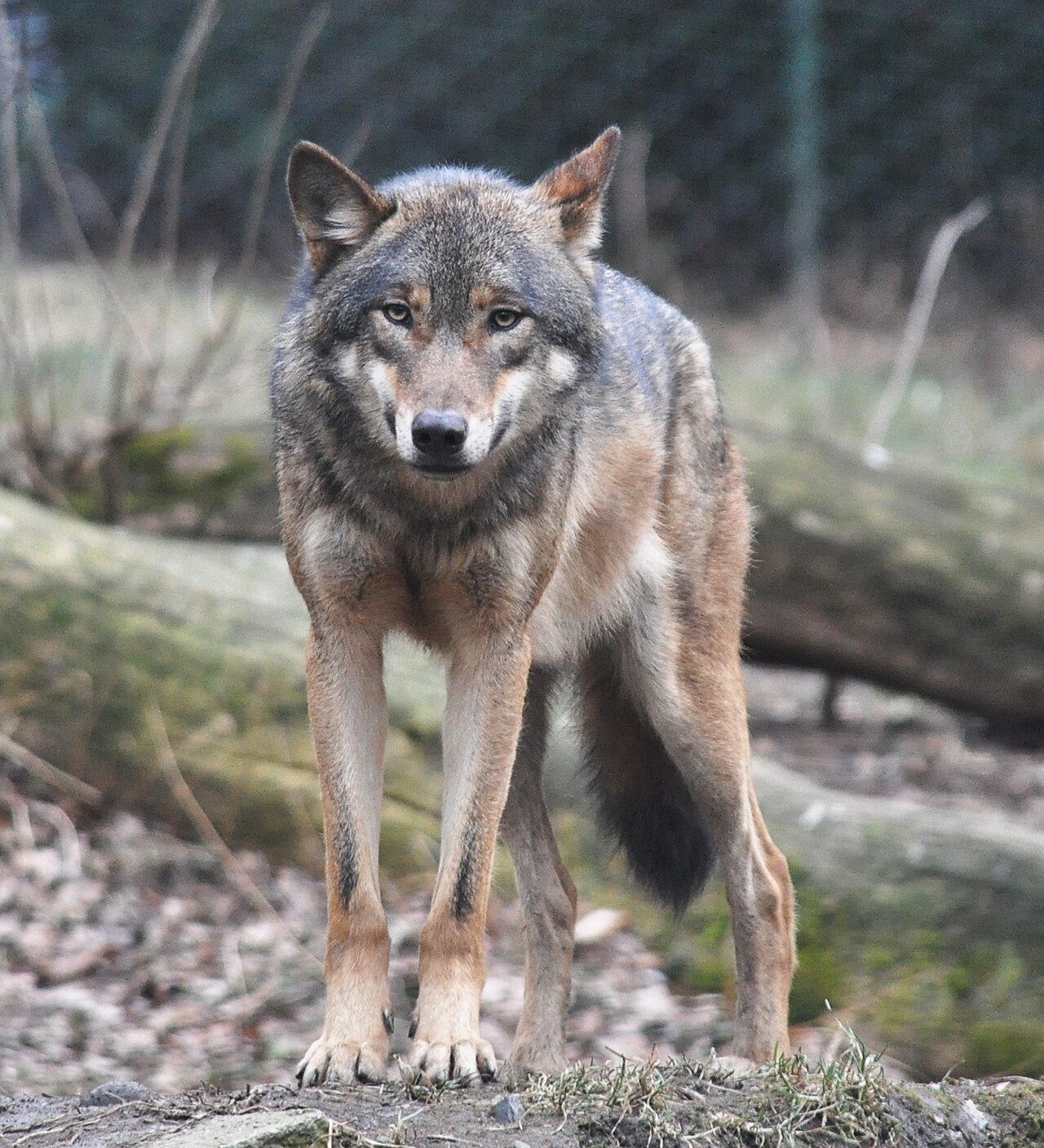
In many Native American traditions, including Lakota and Pawnee accounts, the wolf is a pathfinder and a loyal relative, and some stories place it as the scout who shows the way. Christian and biblical imagery runs the other direction: in the Gospels the wolf is the predator that scatters the sheep, and a wolf in sheep’s clothing marks false teaching. Celtic lore gives the wolf a guardian role in the wild and links it to lunar cycles, while in Japanese Shinto practice the now extinct Honshu wolf was venerated at mountain shrines as a crop protector. Much the same split, honored guide against ill omen, shapes coyote symbolism and crow symbolism.
What Does It Mean to See a Wolf?
Context is what traditional readings hang on, so the circumstances of the sighting matter more than the animal itself. A single daylight encounter is usually taken as encouragement, a repeated one as a message that has not been acted on yet. Finding a dead wolf is read as the end of a cycle, much as a dead bird is in folk belief.
| Situation | Traditional meaning |
|---|---|
| Wolf in your yard or garden | Your boundaries are being tested. Protect home and family |
| Wolf at a window | A warning you can see but have not let in |
| Howling heard at night | A call to community, or news traveling toward you |
| The same wolf seen repeatedly | A message ignored. Act on the instinct you keep dismissing |
| A lone wolf crossing your path | A season of independence and self trust |
| A dead wolf | A cycle closing, often of loyalty misplaced |
| A wolf in a dream | Suppressed instinct or an unspoken loyalty conflict |
Wolf Spirit Animal, Totem and Omen
These three terms get used interchangeably online, but they are not the same idea. A spirit animal, in popular usage, is a guide that appears when its lesson is needed. A totem, in the original Anishinaabe sense of doodem, is an inherited clan identity rather than a personality type. An omen is a single reading of a single event. People who describe the wolf as their spirit animal usually mean the loyalty and intuition side of it, which is the same gentler register that dove symbolism occupies from the opposite direction.
Frequently Asked Questions
What does a wolf symbolize spiritually?
Spiritually, the wolf stands for intuition and loyal strength. Traditions that treat it as a guide read a sighting as a prompt to trust inner knowing and to choose your pack carefully. It is rarely read as a passive sign, and almost always as a call to act.
What is a wolf a metaphor for?
In English usage the wolf is a metaphor for hunger, danger and hidden aggression, as in wolfing down food or a wolf in sheep’s clothing. The admiring metaphors, lone wolf and pack loyalty, are newer and sit alongside the older threatening ones without replacing them.
What does it mean to call a woman a wolf?
Historically it carried a sexual slur, sitting next to wolf whistle and the predatory sense of wolf. In modern reclaiming language, especially in writing on wild womanhood, it means fierce, instinct led and unwilling to be tamed. Which meaning applies depends entirely on who is speaking.
What does a wolf mean in a dream?
Dream wolves are usually read as instinct the waking mind is holding down, or as a loyalty conflict the dreamer has not named. Being chased points to avoidance, running with the pack to belonging. Compare the night time symbolism carried by bats and the renewal theme in wolf pups.