Python Symbolism: Greek Myth, Sacred Pythons and Dream Meanings
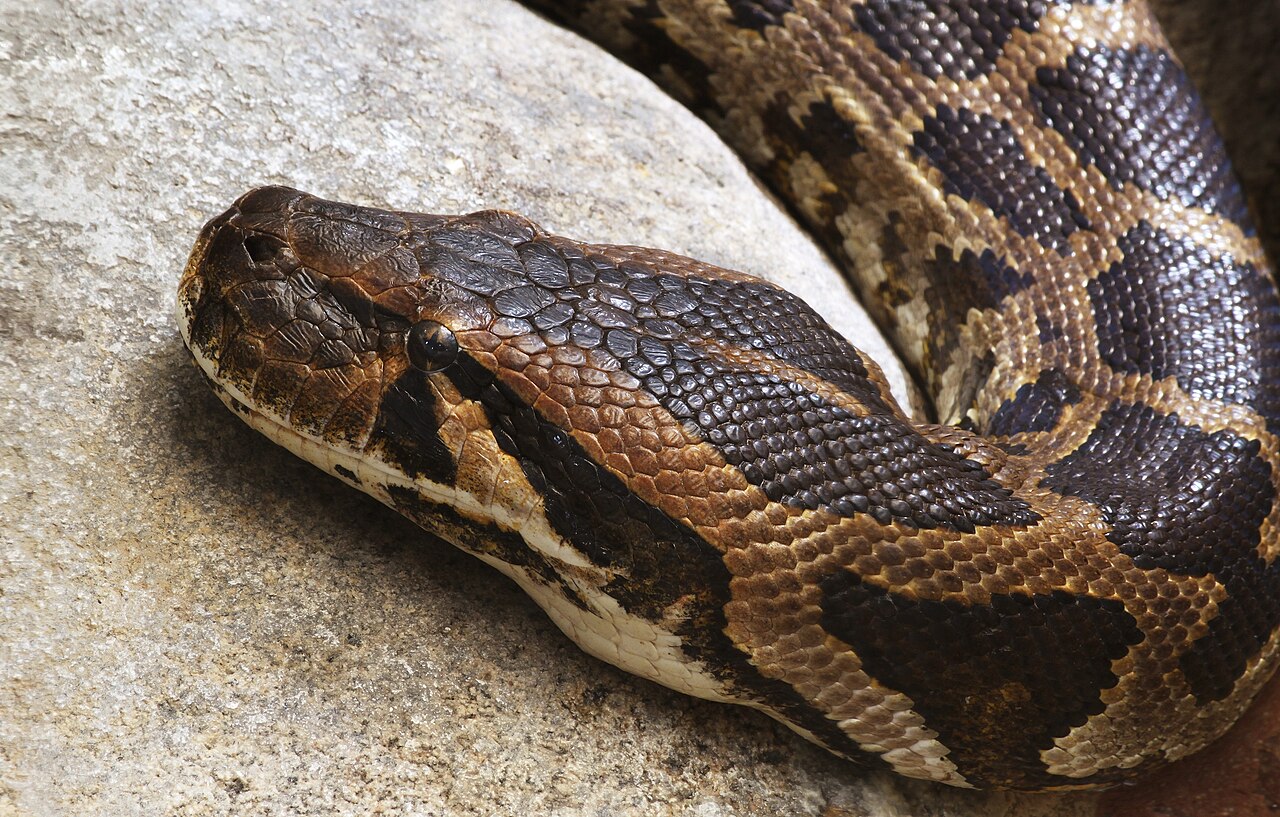
Seeing a python is traditionally read as a confrontation with raw, patient power and with a part of your life that is being slowly squeezed into a decision. Unlike most snake omens, python symbolism is not primarily about venom or betrayal, because a python kills by constriction rather than by a bite. The meanings that attach to it are therefore about pressure, endurance, hidden strength and rebirth through shedding.
Python symbolism also carries two very different histories at once. In Greek mythology, Python is a named monster slain at Delphi, which gives the word a mythic weight no other snake name has in English. In West and southern Africa, where the rock python (Python sebae) actually lives, the animal is sacred and protected by custom, and killing one is a serious offense. Both strands are separated below, along with the readings for colors, dreams and the places a python turns up.
A python symbolizes patient power, transformation and the pressure that forces change. Because it constricts rather than strikes, the python stands for slow, inescapable processes rather than sudden danger. Greek myth names Python as the serpent Apollo killed at Delphi, making it a guardian of prophecy, while West African and southern African traditions treat living pythons as sacred ancestors.
| Situation or form | Traditional meaning |
|---|---|
| Python coiled and still | Stored power; a situation waiting, not finished |
| Python shedding its skin | Rebirth, leaving an identity behind |
| Python constricting prey | Pressure you cannot argue your way out of |
| Python in the house | Something long ignored has entered your private space |
| Python in a dream | Control, suffocation, or power you are not using |
| Black python | The hidden, the ancestral, mystery rather than evil |
| Albino or white python | Purity claims in modern readings; sacred status in some African temples |
What Is the Spiritual Meaning of a Python?
The spiritual meaning of a python is power that works through patience. Every symbolic reading traces back to how the animal hunts: it waits, holds position for days, strikes once, and then applies pressure that does not relent. Where a cobra or rattlesnake omen warns of a sudden threat, a python omen describes something already underway.
The second meaning is transformation. All snakes shed, but large pythons are often seen doing it in captivity and in temples, and the discarded skin became a durable image of leaving a former self intact and whole behind you. Rebirth readings in nearly every snake tradition start here.
The third meaning is boundary. Pythons are ambush predators tied to specific territory near water, and traditions that treat them as guardians, from Delphi to the river shrines of Benin, use them to mark places that must not be entered carelessly. That guardian role is the thread connecting the Greek and African strands.
Are Snakes a Good or Bad Omen?
Snakes are both, and which reading you get depends almost entirely on the tradition rather than on the animal. In India, Egypt and much of West Africa, snakes are protective, royal or divine. In European Christian tradition, the serpent of Genesis made the animal a figure of deception, and that single association dominates English language assumptions.
The practical distinction most folk systems make is between a snake encountered in its own place and a snake inside yours. A python in a river gorge is a guardian; a python under the house is a message. Neither is automatically bad, but the second is treated as addressed to you.
What snakes symbolize spiritually across traditions is medicine, healing and renewal at least as often as danger. The staff of Asclepius still marks medicine today, and even the biblical bronze serpent of Numbers 21 is a healing object. Reptile symbolism generally resists the simple good or bad sorting, the same way alligator symbolism does.
What Is a Python in Greek Mythology?
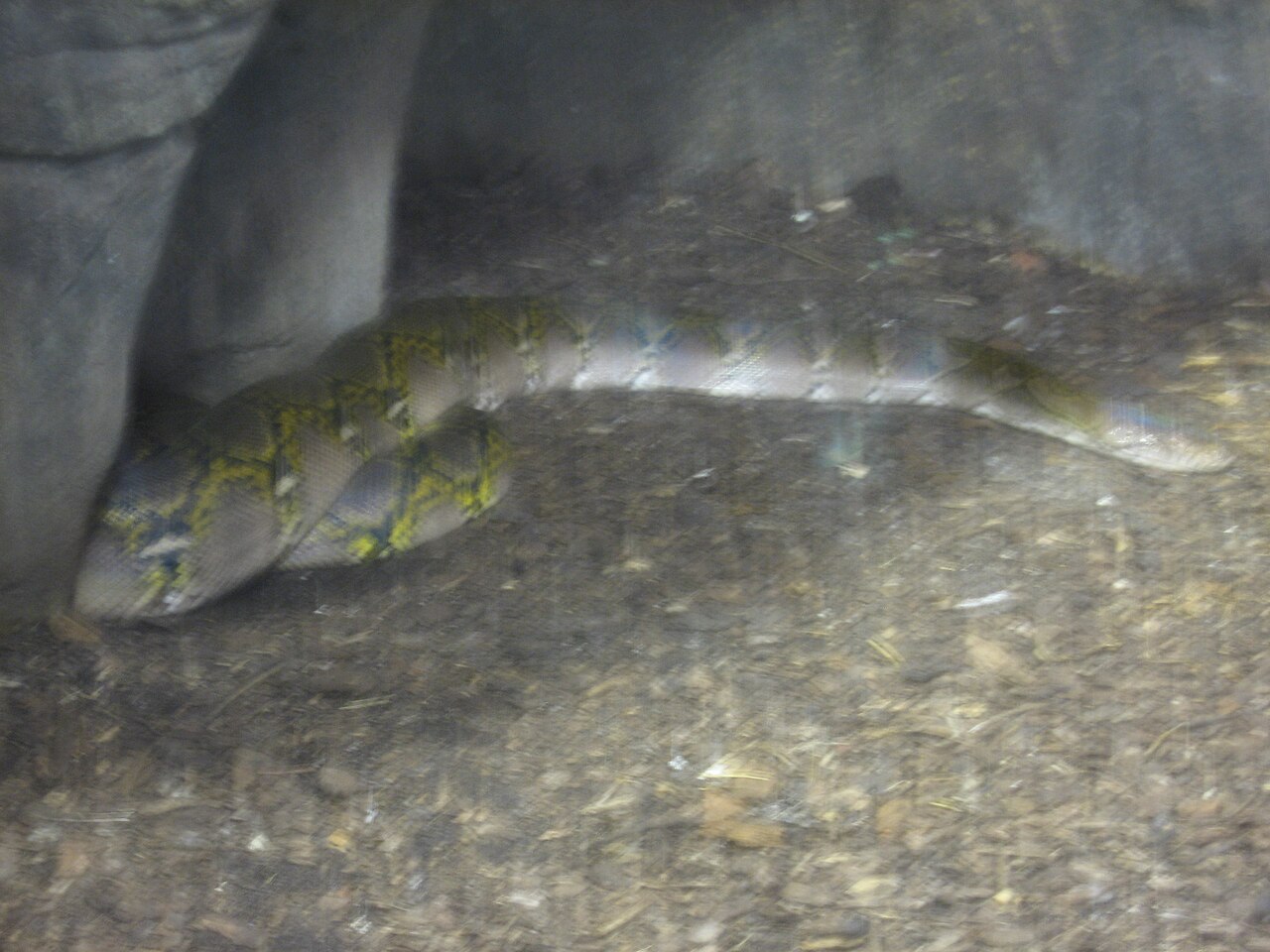
In Greek mythology, Python is a serpent or dragon that guarded the oracular site of Delphi, usually described as a child of Gaia, the earth. The site was sacred to an older earth goddess before Apollo took it, and Python was its protector, coiled around the chasm from which prophetic vapors were said to rise.
The name is where English gets the word for the snake family, applied much later by naturalists to the large constrictors of Africa, Asia and Australia. There are no pythons in Greece and never were, so the mythological Python is a monster, not a species description.
Python’s association with prophecy survived the myth. The priestess of Apollo at Delphi was called the Pythia, the games held there were the Pythian Games, and the Greek meaning of the word was bound up with speaking hidden truth. That link between serpents and prophecy is one of the oldest in the Mediterranean world.
Why Did Apollo Kill Python?
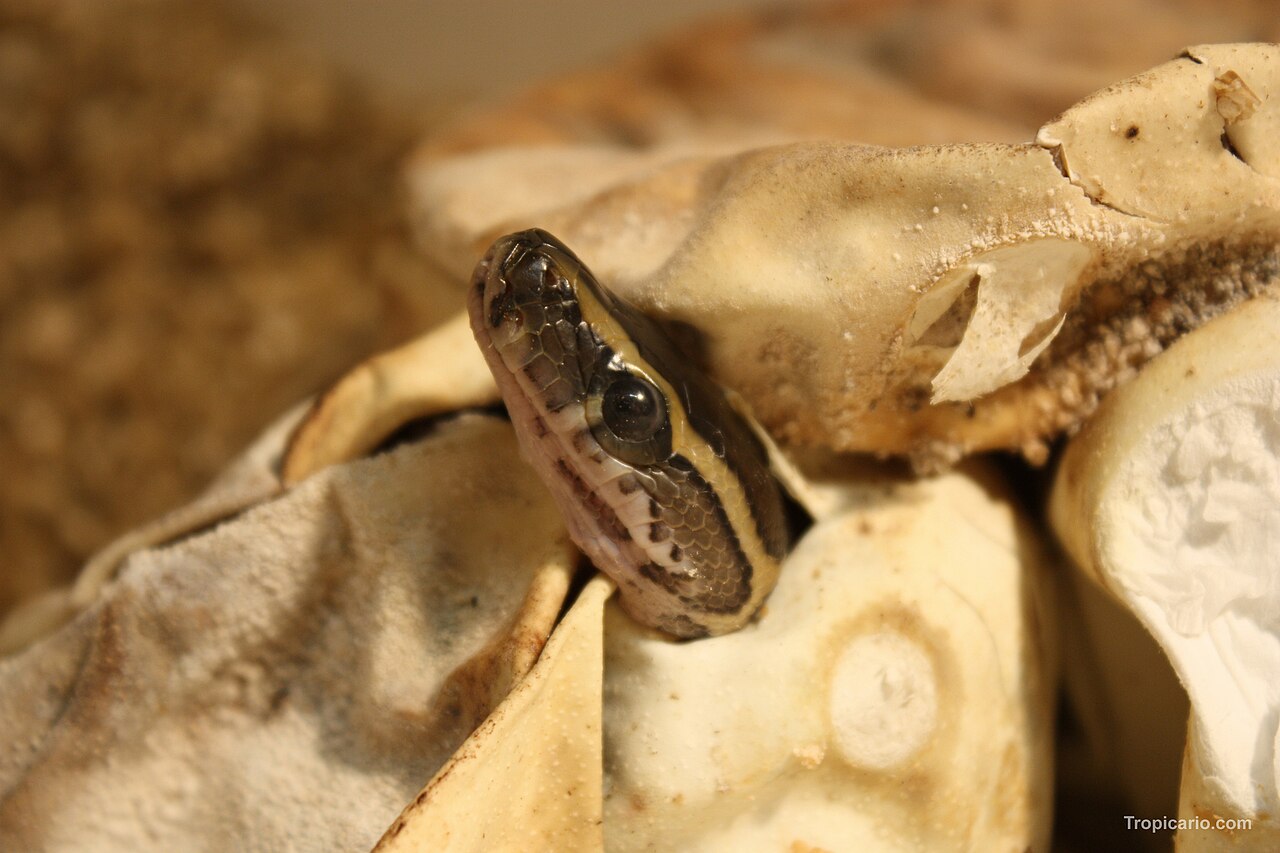
Apollo killed Python to take possession of Delphi, and in the most common version he did it as a very young god, shortly after his birth on Delos. The Homeric Hymn to Apollo describes him slaying a she dragon at the spring of the site, and later writers name the creature Python and make the killing a founding act.
Some versions add a motive of revenge. Python is said to have pursued Apollo’s mother Leto during her pregnancy at the instruction of Hera, which turns the killing into retribution rather than conquest. Both readings served the same purpose for Greek audiences: they explained why a prophetic site belonging to the earth now belonged to an Olympian.
The aftermath matters for the symbolism. Apollo had to be purified and to serve a period of penance for the killing, and the Pythian Games were founded in atonement. Even in the myth that justifies it, killing the serpent guardian incurs a debt, which is a theme the African traditions make explicit law.
What Is the Python Spirit in the Bible?
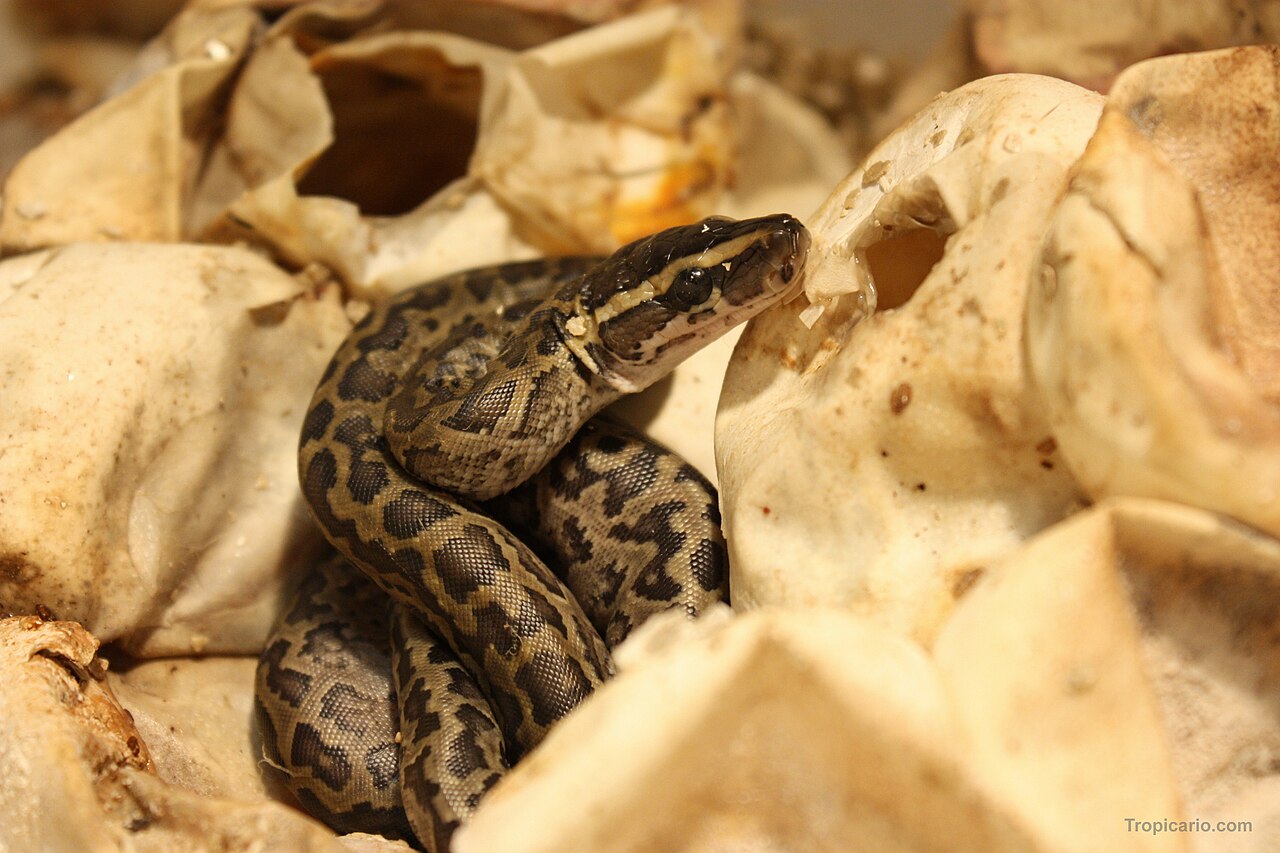
The Bible does not name a python spirit, and the phrase comes from modern Pentecostal and charismatic teaching rather than from scripture. The usual proof text is Acts 16:16, where Paul encounters a slave girl with a spirit of divination, and the Greek word used there is the adjective derived from Python, meaning a Delphic or oracular spirit.
Preachers who use the term build on the constriction imagery: the python spirit is described as an influence that squeezes out prayer and breath rather than attacking openly. It is a vivid teaching image, and it is honest to say that it is a teaching image and not a biblical category.
The serpent that scripture does discuss is the deceiver of Genesis 3, the bronze serpent of Numbers 21 that heals those who look at it, and the dragon of Revelation. None of these is a python, and the species was unknown to the biblical authors.
Python Symbolism in West African Traditions
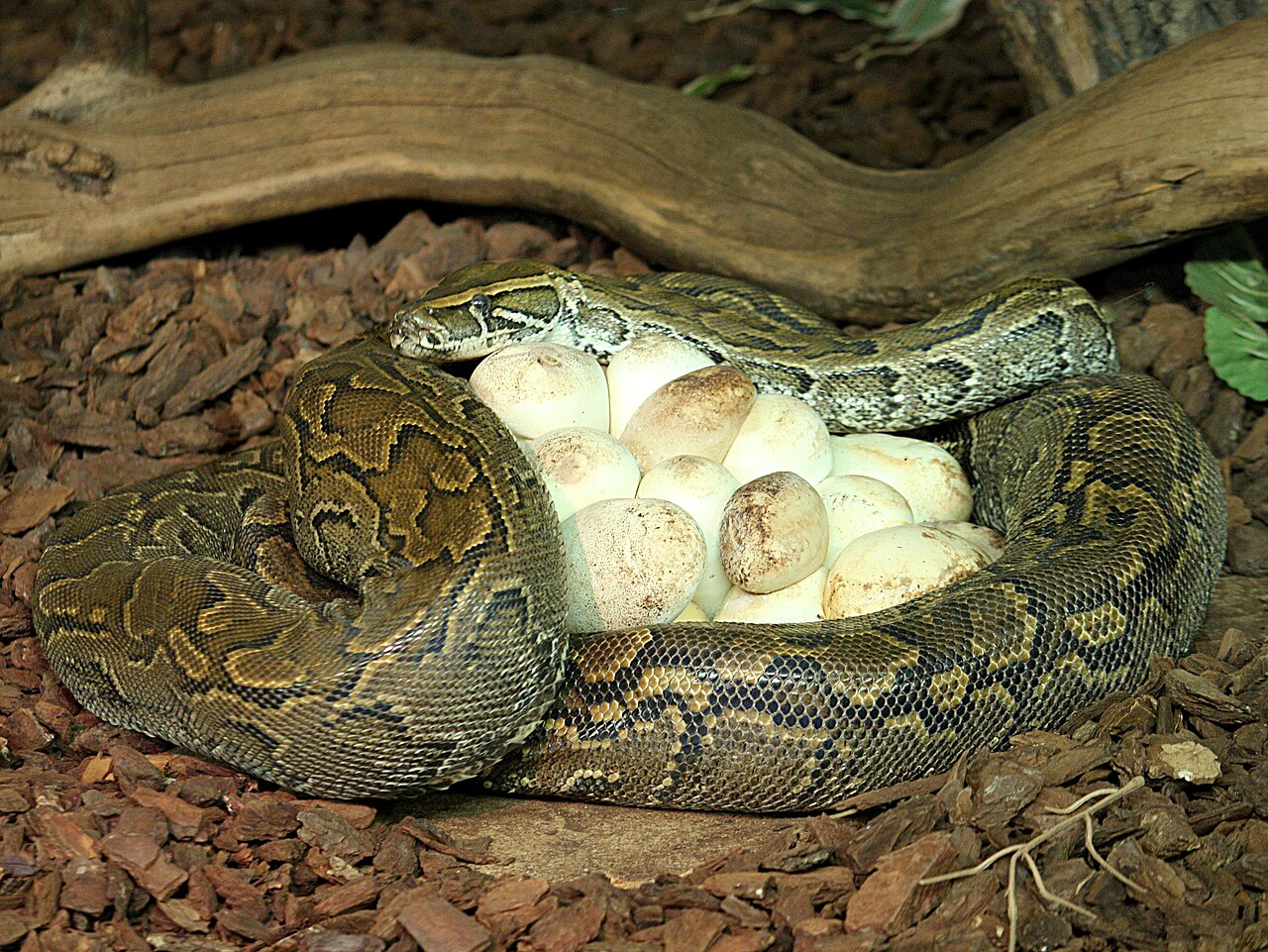
In West Africa the python is sacred, not symbolic. Among the Fon of Benin and the Ewe of Togo, the python deity Dangbe, part of the Vodun pantheon, is honored at temples where live royal pythons (Python regius) are kept and handled by priests. The Temple of Pythons in Ouidah is the best known of these.
Killing a python in these traditions is a serious offense requiring ritual atonement, and historical accounts describe severe penalties. The animal is associated with fertility, with the continuity of lineage and with the protection of the town, which is why a python found in a house is removed with respect rather than destroyed.
Igbo tradition in southeastern Nigeria treats the royal python, called eke, as a messenger of the earth goddess Ala. A python that dies in an Igbo community is traditionally given a human style burial, a practice recorded well into the twentieth century and still observed in places.
Sacred Pythons in Southern and Central Africa
Among the Venda of South Africa, the python is linked to the water spirit of Lake Fundudzi and to the domba, the python dance performed by initiates who move in a long coiled line. The animal represents fertility and the passage into adulthood, and the lake is treated as a place of ancestral authority.
Several Bantu speaking traditions in southern and central Africa treat the python as the ancestor of a clan or the owner of a river. Rainmaking rites in parts of Zimbabwe and Zambia involved python symbolism, tying the animal to water, and by extension to survival.
The archaeological dimension is striking. The Tsodilo Hills in Botswana hold a rock formation known as the python cave, where excavation found evidence of ritual activity tens of thousands of years old, which makes python reverence one of the oldest documented religious traditions anywhere. Snake and water associations recur in other traditions too, including centipede symbolism in damp places.
Nagas and the Rainbow Serpent in Asia and Australia
In Hindu and Buddhist tradition, great serpents called nagas guard treasure, water and thresholds, and they can be benevolent or dangerous depending on how they are treated. The Burmese python (Python bivittatus) and Indian rock python (Python molurus) live across this range, and temple pythons are still fed and protected in parts of Myanmar.
The reticulated python (Malayopython reticulatus) of Southeast Asia, the longest snake in the world, appears in local traditions as a spirit of the forest and the river that must be addressed politely. Taking one without cause is widely held to bring misfortune on the hunter.
In Aboriginal Australian traditions, the Rainbow Serpent is a creator being associated with water, rivers and the land’s shape, and several accounts describe it in python form. The python species of northern Australia appear in regional stories as ancestral figures, with meanings specific to each nation rather than shared across the continent.
Native American Snake Symbolism and the Python
There are no native pythons anywhere in the Americas, so no Native American tradition has a python meaning. Any source offering a Native American python totem is inventing it, and the nearest authentic material concerns rattlesnakes, bullsnakes and water snakes.
Where snakes do appear, the meanings are specific. The Hopi snake dance involves rattlesnakes and is tied to rain and to the ancestors of particular clans. Mesoamerican traditions give the feathered serpent a central creative role, and plumed serpent imagery runs from the Maya to the Mexica.
In Lakota tradition and among many Plains nations, snakes are treated with caution and are associated with underground power and with warning. Interpretation belongs to people within each tradition, and the honest position is that pan tribal snake meanings in popular articles are modern constructions. The same correction is needed for tidy totem lists about bat symbolism.
Black, White and Patterned Python Symbolism
Black python symbolism points to the hidden and the ancestral rather than to evil. Dark coloration in snake readings is associated with what has not yet surfaced, with grief that has not been spoken, and with the authority of the dead, which fits the African traditions in which pythons carry ancestral presence.
White and albino pythons collect purity and spiritual revelation readings in modern interpretation, and in a few temple traditions pale individuals are singled out as especially significant. Captive albino Burmese pythons are a breeding result rather than a wild phenomenon, which is worth knowing before reading much into one.
Dreaming of a Python
Dreaming of a python is most often interpreted as a situation applying steady pressure in waking life, especially one you have decided to tolerate. A dream python wrapped around the body is read as commitment that has become constriction, not usually as a threat from another person.
A python swallowing prey is read as a process that cannot be reversed once begun, and dreamers frequently report it before a decision becomes final. A python that watches without moving is read as latent power, often your own, that you are not using.
Killing a python in a dream is traditionally read as resolving a long standing problem, though African traditions that hold the living animal sacred read the same dream as a warning about overreach. The tradition you were raised in changes the meaning, and that is a feature of dream interpretation rather than a flaw.
Seeing a Python: in the House, on the Path, Coiled or Shedding
A python in the house is read as something long ignored entering your private space, and in West African tradition it is also a visit requiring respect. The traditional and practical responses agree: do not kill it, keep distance, and have it removed by someone competent.
A python across a path is read as a boundary and a question about whether you should proceed. A coiled, motionless python is read as stored power and an unfinished situation, since a coiled constrictor is neither resting nor retreating.
A python shedding is the most favorable sighting, read as rebirth in progress, and a complete shed skin found intact is treated as a keepsake marking the end of a phase. Renewal readings like this attach to seasonal appearances generally, including the ones behind cardinal symbolism.
Python Spirit Animal and Totem
As a spirit animal, the python is described as a guide for people who achieve things by holding on rather than by moving fast. The keywords are patience, containment and the willingness to let a process finish, and it is usually contrasted with faster, lighter guides such as the grasshopper.
As a totem, the python is tied to ancestry and to inherited obligation, drawing directly on the African clan traditions where the animal is a forebear rather than a metaphor. Totem readings frame it as a reminder that you are part of a line and that some duties were not chosen.
As a power animal in modern practice, python medicine is invoked for digestion in the broad sense, taking in a large experience and converting it slowly. These are contemporary interpretive systems assembled from older fragments, useful for reflection and not inherited doctrine, which is also true of the patience readings behind praying mantis luck beliefs.
Do Snakes Warn You, and How Would You Know One Is Near?
Snakes do not warn you in the sense of delivering a message, but several species do give defensive warnings about themselves. Pythons hiss loudly, pull into an S shape and may strike defensively, and that display is a request for distance rather than an attack.
Telling whether a snake is near is mostly a matter of signs rather than smell. Shed skins, flattened tunnels through grass, droppings with white urate caps and sudden alarm calls from birds and squirrels are the reliable indicators. Some snakes do emit a musk when handled, and a strong musky smell near a den is worth taking seriously.
The folk remedies have little support. There is no reliable evidence that mothballs, sulfur, garlic or ammonia repel snakes, and yelling does not scare them, since snakes hear low frequency ground vibration far better than airborne voices. Species profiles and safe handling guidance are published by the Smithsonian National Zoo, and removing cover and rodent food sources is what actually works.
Frequently Asked Questions
What is the spiritual meaning of a python?
Patient power and transformation. Because a python constricts rather than strikes, it symbolizes slow pressure that forces a decision, and its shedding makes it a figure of rebirth. In West and southern African traditions the living animal is sacred and carries ancestral presence.
What is a python in Greek mythology?
Python is the serpent child of Gaia that guarded the oracular site at Delphi before Apollo killed it. The site’s priestess was called the Pythia and the Pythian Games were founded in atonement. Greece has no python species, so the mythological Python is a monster, not an animal.
What is the python spirit in the Bible?
Scripture never names a python spirit. The phrase comes from modern charismatic teaching, usually citing Acts 16:16, where the Greek word for the girl’s spirit of divination derives from Python at Delphi. The constriction imagery is a preaching metaphor, not a biblical category.
Are pythons a good or bad omen?
Good in the traditions where they live. West African, Igbo, Venda and several Asian traditions treat pythons as sacred guardians or ancestors, and killing one requires atonement. The negative reading is mostly European, inherited from the serpent of Genesis rather than from pythons.
What does a black python symbolize?
The hidden and the ancestral rather than evil. Dark snakes are associated with what has not yet surfaced, with unspoken grief and with the authority of the dead, which matches the African traditions where pythons carry the presence of forebears.
What does it mean to dream of a python wrapped around you?
It is usually read as a commitment that has turned into constriction, such as a job, a debt or a relationship you have chosen to tolerate. The reading points at a situation already in motion rather than at a threat from a particular person.
What smell does a snake hate?
No smell reliably repels snakes. Mothballs, sulfur, garlic and ammonia are sold or recommended for it without good evidence, and mothball use outdoors is both ineffective and a pollution problem. Removing brush piles, sealing gaps and controlling rodents is what reduces snake activity.