Gecko Symbolism: What It Means When You See One, by Tradition
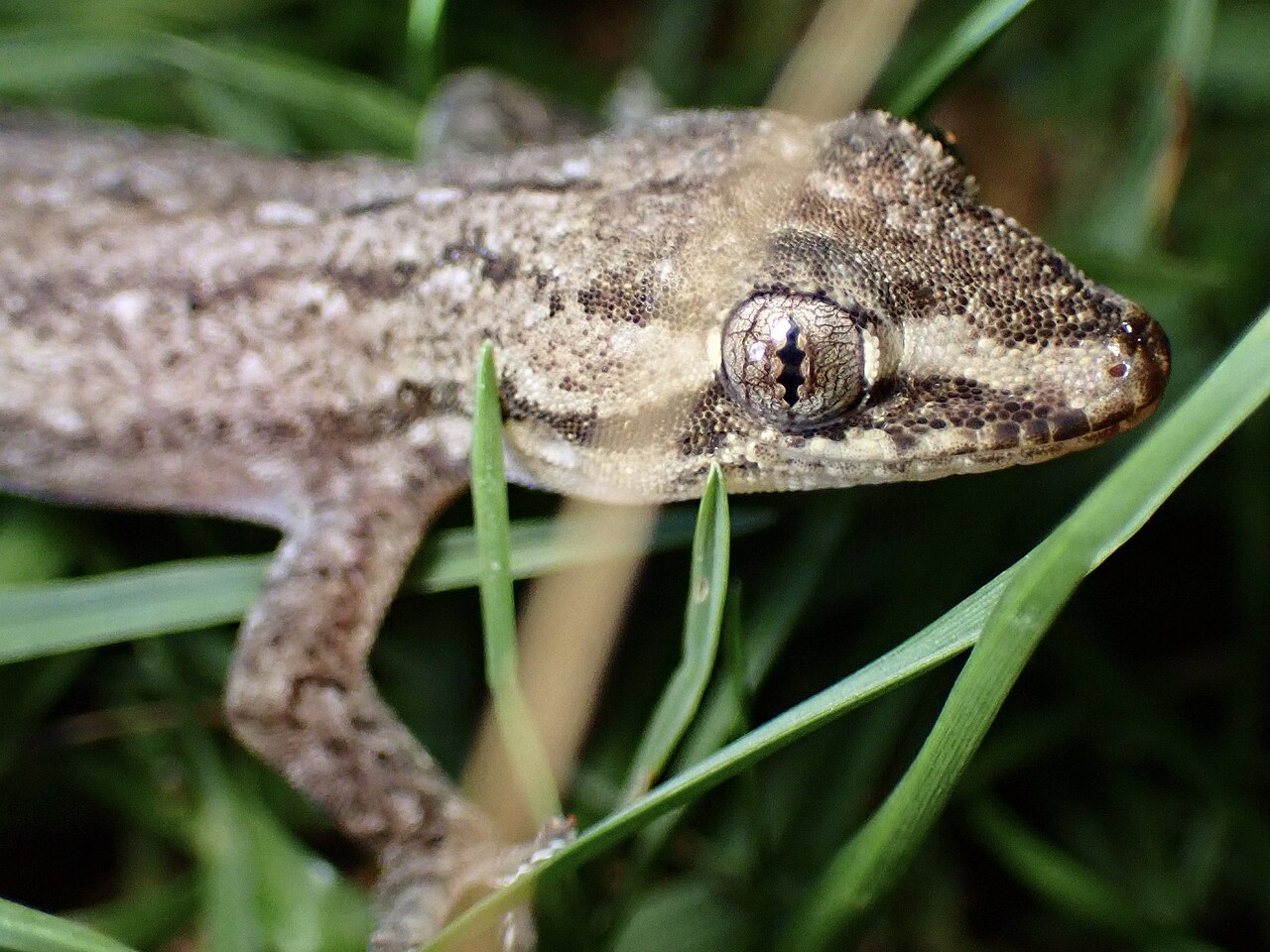
Seeing a gecko is read in most traditions as a sign of adaptability and renewal, a nudge that you can let something go and regrow it. The gecko sheds its skin, drops its tail when cornered and grows it back, and climbs glass, so the symbolism around it is about flexibility under pressure rather than warning.
What a sighting means depends on where and when it happens. A gecko on the wall at noon reads differently from one at your bedroom window three nights running, and a dead gecko carries its own meaning. The readings below are beliefs, described as beliefs.
Gecko symbolism centers on adaptability, regeneration and quiet persistence. In many Asian and Pacific cultures a gecko in the home is a good omen signaling protection and incoming prosperity, while Western esoteric readings treat it as a call to stay flexible and release what no longer serves you. No major tradition reads the gecko as a bad sign.
| Situation | Common meaning |
|---|---|
| Gecko in the house | Protection, incoming good fortune |
| Gecko at the window | News approaching, a boundary to check |
| Gecko in the house at night | Guidance through an unclear phase |
| Gecko seen repeatedly | A lesson not yet learned, usually letting go |
| White gecko | Purity, a fresh start, an ancestral visit |
| Dead gecko found | The end of a cycle already finished |
| Gecko in a dream | A part of yourself surviving by adapting |
What Does a Gecko Symbolize?
The core of gecko symbolism is regeneration. Many species drop the tail to escape a predator and regrow it over weeks, and that one ability carries most of the symbolic weight: loss that is survivable, even chosen.
Its second trait is adhesion, since gecko toes hold on glass and ceilings, which readings turn into persistence where there is nothing to grip. The third is voice, because many species chirp and bark, so the gecko also stands for speaking up in a small body. The theme sits close to axolotl symbolism and its focus on regrowth.
Gecko Symbolism in Asian and Pacific Traditions

In Chinese, Thai, Filipino and Indonesian households, a gecko chirping indoors is widely taken as luck and as evidence the house is protected. In Thai tradition the calls of the tokay gecko are counted, and the number is read as an answer to a question held in mind.
Several Pacific island traditions treat geckos as ancestral messengers who must not be harmed, and in parts of Polynesia the gecko appears in origin stories as a shape taken by a god. Across that whole region, killing a house gecko is considered the act that invites misfortune, not the sighting.
Biblical, Native American and Celtic Readings
The Bible names the gecko once, in the list of unclean creeping animals in Leviticus 11. That is a ritual and dietary classification, not an omen, and Christian symbolic writing that does treat the gecko reads its regrowth as an image of restoration.
Native American meanings are specific to each nation and attach to lizards rather than geckos, with Hopi and Zuni accounts linking lizards to dreaming, patience and survival in dry country. No authentic Celtic gecko lore exists, since geckos are not native to northern Europe; the nearest real parallel is the Celtic lizard as a threshold animal, a boundary role close to bat symbolism.
Spiritual Meaning of a Gecko in the House
A gecko in the house is the most common sighting and the most consistently positive. The gecko eats the insects that spoil food, so the household it chooses stays cleaner and better fed, and that practical fact grew into the omen of protection and prosperity.
Position refines the message. At a window it is a boundary animal, read as news arriving or a reminder to decide what you let in. Seen at night, when geckos actually hunt, the reading turns toward instinct and dreams. One that returns to the same spot is read as a lesson still unanswered, much as blackbird symbolism treats repeated visits as insistence.
Are Geckos a Good Omen, and Does Color Matter?
In the traditions that actually have geckos, yes. The gecko is one of the few house animals almost never read as a warning, with interpretations running from luck and protection to fertility and a change of fortune. Even a dead gecko usually reads as a cycle finished, not a threat coming.
Color adds a popular layer. A white gecko is read as purity and a clean slate, sometimes an ancestor visiting, while a brown or wall gecko stands for steady, grounded fortune. These color readings are modern and inconsistent across sources, so treat them as folk interpretation, as with the varied readings behind alligator symbolism.
Gecko as Spirit Animal, Totem and Dream Symbol
As a spirit animal, the gecko is said to arrive for people in transition, especially anyone who has lost a role and has to regrow something. Its advice is patience plus movement: hold your position, shed what is caught, do not fight the loss.
In dreams, a gecko on a wall is read as a part of yourself watching rather than acting, a dropped tail as a sacrifice you are weighing, and a chirping gecko as something you need to say aloud. Dream meaning is personal, so the situation outranks the animal, the same caution that applies to bird symbolism.
Frequently Asked Questions
What does the Bible say about geckos?
Leviticus 11 lists the gecko among unclean swarming animals that were not to be eaten or touched when dead. It is a purity law about diet, not a claim that a gecko brings bad luck. Scripture never treats seeing a gecko as an omen either way.
Are geckos good or bad in the house?
Both practically and symbolically good. A house gecko eats mosquitoes, roaches and moths, leaves only small droppings, and cannot bite hard enough to injure anyone. Cultures that live alongside geckos treat an indoor one as a protective guest and leave it alone.
Do geckos get attached to humans?
Not emotionally. A captive gecko learns that a particular person means food and stops fleeing, which looks like affection but is habituation. Wild house geckos never tame; they simply work out that you are not a predator and stop hiding from you.
What attracts geckos to your house, and will they go in your bed?
Light draws insects and insects draw geckos, so porch lamps and warm kitchens bring them in. Geckos crawling on you at night is very unlikely, since beds offer no vertical surface or cover. They avoid strong smells such as garlic, pepper and eucalyptus, the basis of most home deterrents. The Smithsonian Institution publishes profiles of the common house species.