Rattlesnake Symbolism: What It Means to See One, Tradition by Tradition
Seeing a rattlesnake is traditionally read as a warning that you already have the information you need, and that the time for hesitating is over. Across the folk traditions that use the rattlesnake as a symbol, the rattle itself carries the meaning: a creature that announces itself before it strikes stands for the honest boundary, the stated limit, the threat that gives fair notice.
The rattlesnake also carries the older serpent meanings of shedding and renewal, because a snake grows by leaving its skin behind. What follows separates the traditions and then takes the common sighting situations one by one.
In symbolic terms a rattlesnake stands for a warned boundary, rightful self-defense and transformation through shedding. Seeing one is usually read as a sign to heed a warning you have been ignoring, to set a clear limit with someone, or to let an old version of yourself go. Dead rattlesnakes traditionally mean a passed danger.
| Situation | Traditional reading |
|---|---|
| In your yard or garden | A boundary at home needs stating out loud |
| Crossing your path | Stop before the next decision, you have been warned |
| Rattling but not striking | A conflict can still be settled by words |
| Found dead | The danger has passed, the lesson stays |
| Seen repeatedly | A warning ignored once is being repeated |
| In a dream | Fear held in the body, often about a person you already distrust |
What Does a Rattlesnake Symbolize?
A rattlesnake symbolizes the fair warning. Unlike most symbolic predators, it signals before it acts, so folk readings tie it to honesty under pressure and to defending yourself without apology. The second layer is renewal, shared with all snakes: shedding the skin reads as leaving a role, a habit or a relationship behind. Together they make the rattlesnake a symbol of a hard change you choose rather than suffer.
Rattlesnake Symbolism Across Traditions
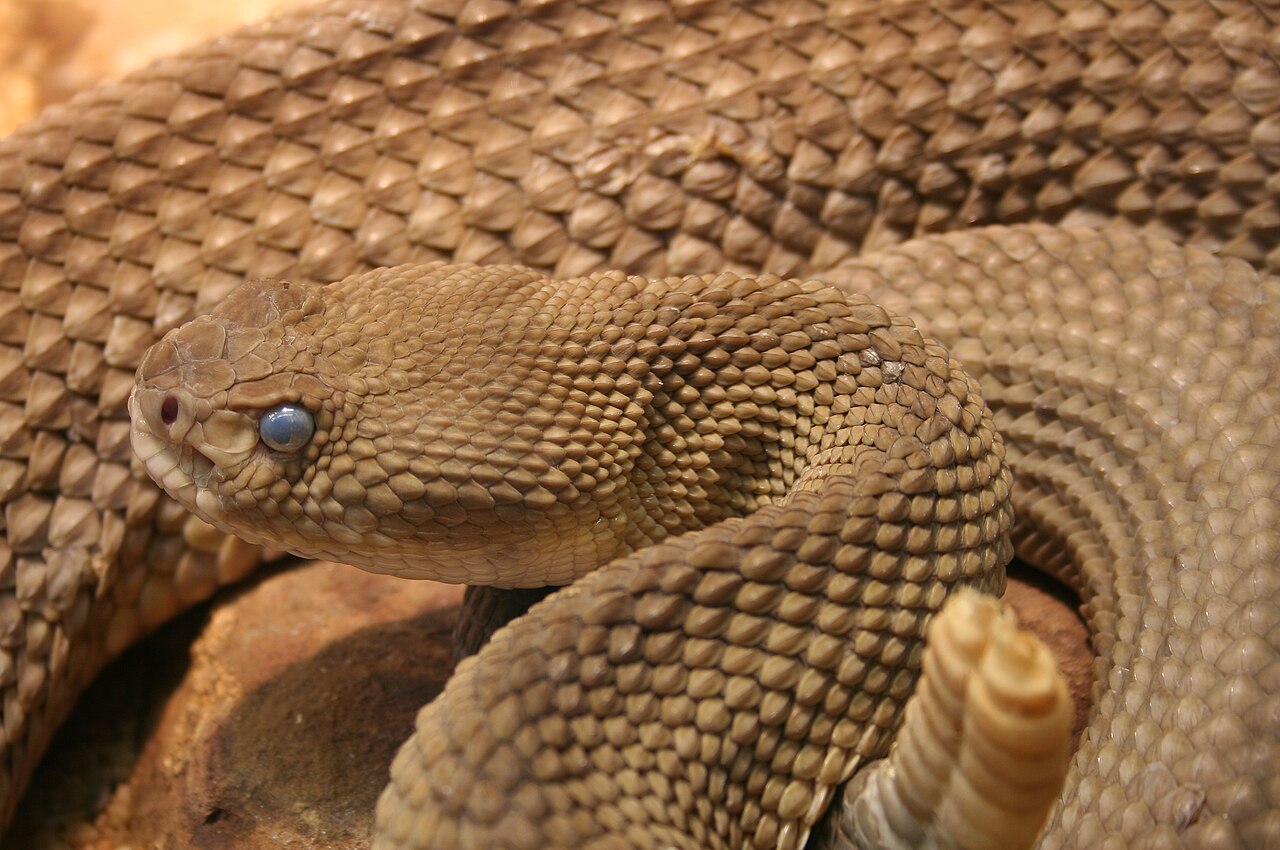
In several Native American traditions the rattlesnake is treated with respect rather than hostility. In Hopi ceremonial practice snakes act as messengers to the underworld and to rain, and in various Plains and Southwest traditions the rattle is associated with the sound of rain and with the authority to warn. These are specific tribal beliefs, not one pan-Indian meaning.
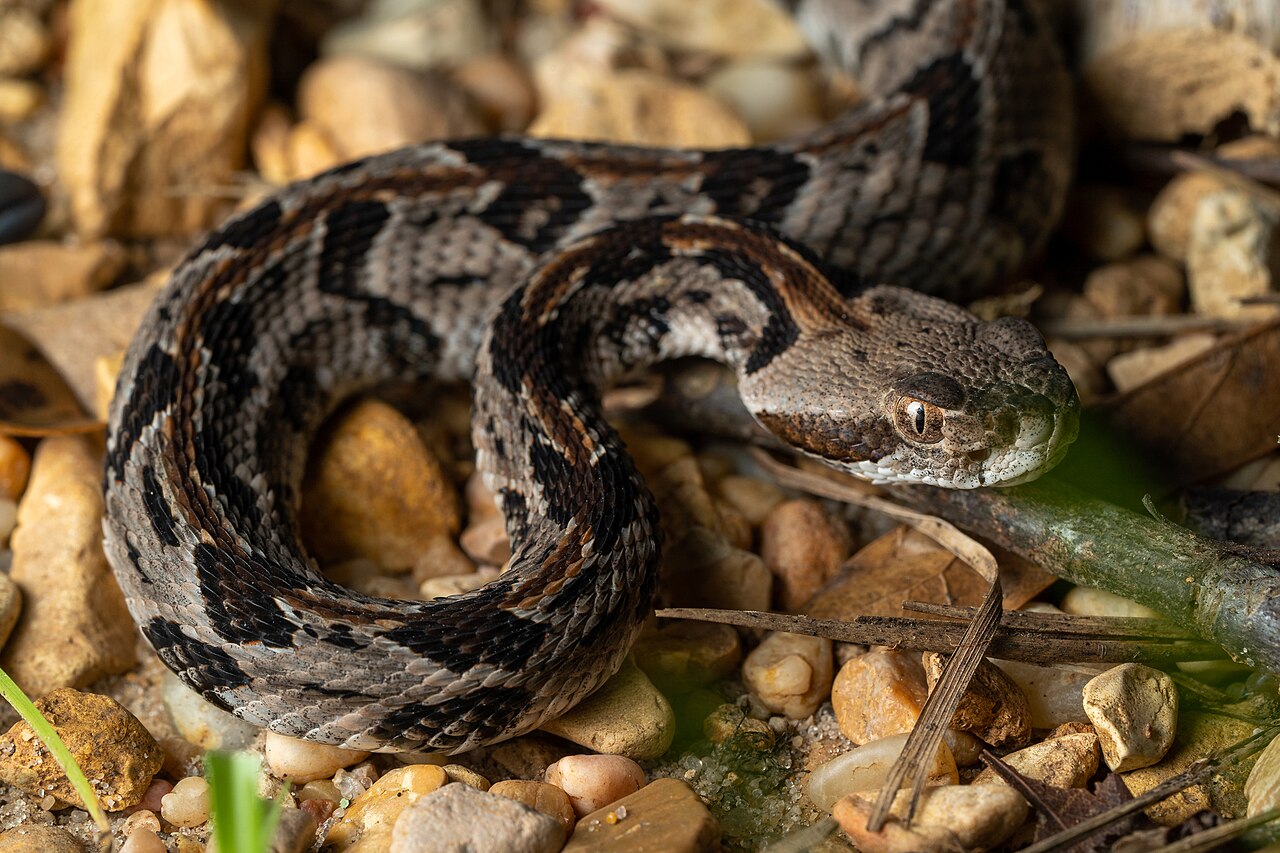
Christian and biblical readings attach the serpent to temptation and the fall, so a rattlesnake reads as a danger that speaks plainly. Celtic tradition had no rattlesnakes and applied serpent meanings of healing instead. East Asian symbolism treats the snake as wise and patient, closer to a counselor than a threat. In colonial America the timber rattlesnake became a symbol of defensive resolve, and the “don’t tread on me” flag still carries it.
What It Means to See a Rattlesnake
Where you see it shapes the reading. A rattlesnake in the yard or under the porch points at a boundary at home that has gone unspoken, while one crossing a trail or road is usually taken as a pause signal before a decision already in motion. One that rattles and holds its ground is read as a conflict still open to words, and a strike without warning as a betrayal already done.
A dead rattlesnake is traditionally a passed danger rather than a bad omen, and finding one repeatedly in the same season is read as the same warning arriving again because it was not heard the first time. Compare this with the trickster reading of the coyote and the strength reading of the bear, which answer a sighting very differently.
Rattlesnake as Spirit Animal, Totem and Omen
As a spirit animal the rattlesnake is said to belong to people who hold their ground quietly and only raise their voice once. As a totem it is associated with alertness, timing and the ability to end something cleanly. As an omen it is a conditional sign: the warning is the gift, and ignoring it is the bad luck. Dream snakes are treated the same way, which crow symbolism and alligator symbolism also do with fear imagery.
Frequently Asked Questions
What do rattlesnakes symbolize in dreams?
Dream readings tie rattlesnakes to a fear you can name but have not acted on, often attached to a person whose behavior you already distrust. A rattling snake in a dream is usually interpreted as an inner warning, and being bitten as the cost of having delayed a decision.
What does a snake mean spiritually?
Across most traditions the snake means transformation through shedding, healing, and hidden knowledge. The rattlesnake narrows that to warning and defense, while water snakes carry emotion and serpents in biblical texts carry temptation. The animal is the same, the tradition decides the meaning.
Are rattlesnakes aggressive?
No. Rattlesnakes are defensive, not aggressive, and they strike when cornered or stepped on. Most bites in the United States happen when someone tries to handle or kill the snake. Given room, a rattlesnake will nearly always leave. Species details are published by the National Park Service.
Is a dead rattlesnake a bad omen?
Folk tradition reads it the other way, as a threat that has already been removed. Some regional beliefs add that the lesson stays behind even when the danger is gone. The same logic runs through heron symbolism, at the patient end of the scale.