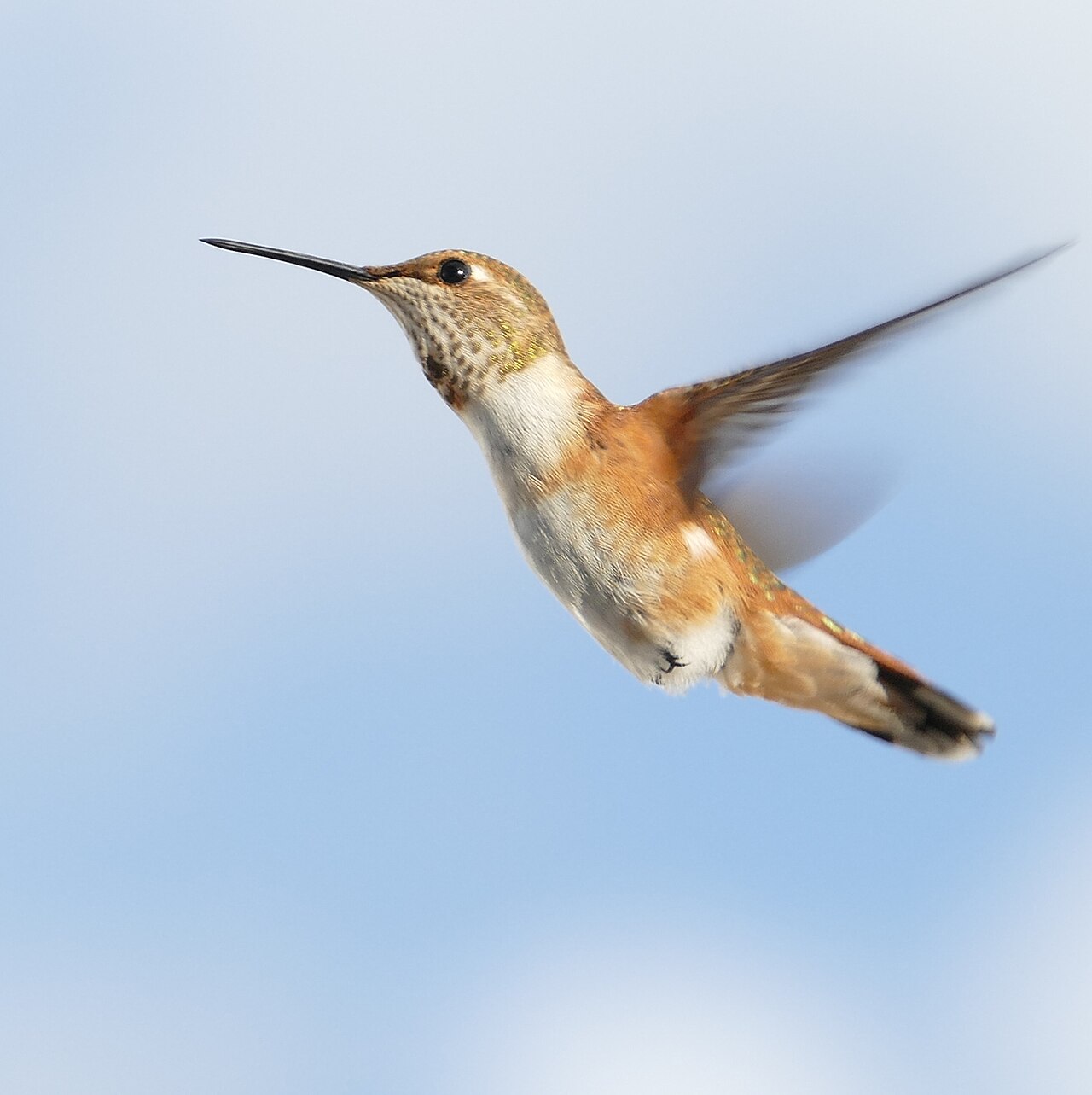
Biblical Meaning of the Hummingbird: What Scripture Actually Says
Seeing a hummingbird is widely read by Christians as a reminder of joy, resurrection and God’s care for small things, which is the biblical meaning of the hummingbird as believers actually use it. The honest starting point, though, is that the bird is never named in scripture. Hummingbirds live only in the Americas, so no writer in ancient Israel, Egypt or Greece had ever seen one.
That does not make the symbolism empty. It means the meaning is built from scripture by application rather than by direct mention, the same way Christians read meaning into the oak, the deer or the honeybee. Knowing which part is text and which part is interpretation is what separates a thoughtful reading from a made-up one, and it lets you keep the comfort without claiming a verse that does not exist.
Hummingbirds are not mentioned in the Bible, since they are native only to the Americas. Christians read them as signs of joy, renewal, resurrection and God’s provision for the smallest creatures, drawing on passages such as Matthew 6:26 and Matthew 10:29 rather than on any verse naming the bird.
Are There Hummingbirds in the Bible?
No. The biblical bird lists in Leviticus 11 and Deuteronomy 14 name eagles, vultures, kites, ravens, ostriches, owls, hawks, cormorants, storks, herons, hoopoes and bats, all species of the ancient Near East. Doves, pigeons, sparrows, quail and partridges appear elsewhere. The hummingbird family, Trochilidae, is entirely restricted to North, Central and South America, and always has been.
Any page claiming a specific hummingbird verse is misreading a translation. The confusion usually comes from older English versions rendering an unknown Hebrew bird name loosely, or from the word “swift” in Isaiah and Jeremiah being read as a hovering bird rather than the fast-flying swift.
Saying this plainly matters, because the alternative is building faith on a citation that will not survive a search. The meaning holds without it.
Hummingbird Meaning by Situation
Most people arrive at this question because of a specific sighting, not a general curiosity. The table sets out how each common encounter is read in Christian and folk interpretation, and what the bird was most likely doing.
| Encounter | Common Christian reading | What the bird was doing |
|---|---|---|
| Hovering in front of your face | A call to notice something, a message delivered | Inspecting red or pink clothing for nectar |
| In the garden after a death | Reassurance that the person is at peace | Working the flowers it has always worked |
| At a window or on a porch | Grace brought to your door, prayer answered | Reflection in the glass, or a feeder nearby |
| Returning every day | A thanksgiving you have not spoken yet | Hummingbirds defend a feeding territory daily |
| Trapped in a garage or church | A soul needing release, a burden to let go | Birds fly up when panicked and miss open doors |
| Found dead or exhausted | Fragility of life, a season ending | Cold snap, window strike or spent energy reserves |
| In a dream | Joy returning, strength out of proportion to size | Recent grief, migration season or a garden visit |
What Does a Hummingbird Symbolize in Christianity?
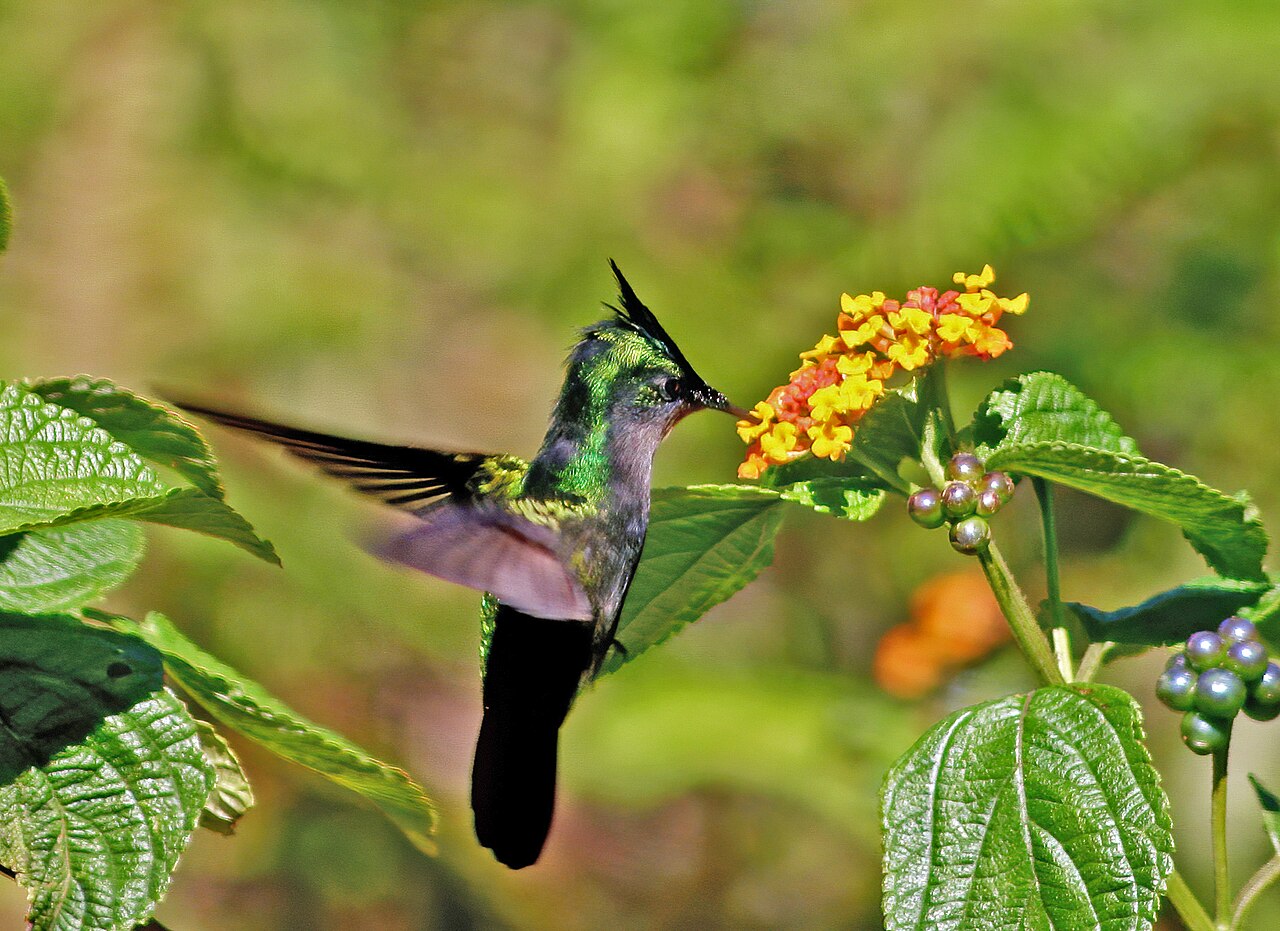
Four meanings do the work. Joy, because the bird is bright, quick and visibly delighted in its own feeding. Resurrection, because torpid hummingbirds appear dead on cold mornings and revive with the sun. Provision, because a creature that must eat every ten to fifteen minutes somehow finds enough. And humility, because the smallest bird in the hemisphere accomplishes a migration that should be impossible.
The resurrection reading is the strongest of the four and the least known. Hummingbirds enter nightly torpor, dropping their body temperature and heart rate so far that they can be found hanging stiff and unresponsive from a twig at dawn, then warming back to full flight within minutes. Early Spanish accounts in the Americas recorded exactly this and called it a death and return.
None of these is doctrine. They are devotional readings, closer to a hymn than to a creed, and they sit alongside the wider body of hummingbird symbolism that long predates Christian contact with the Americas.
Scripture Believers Connect With the Hummingbird
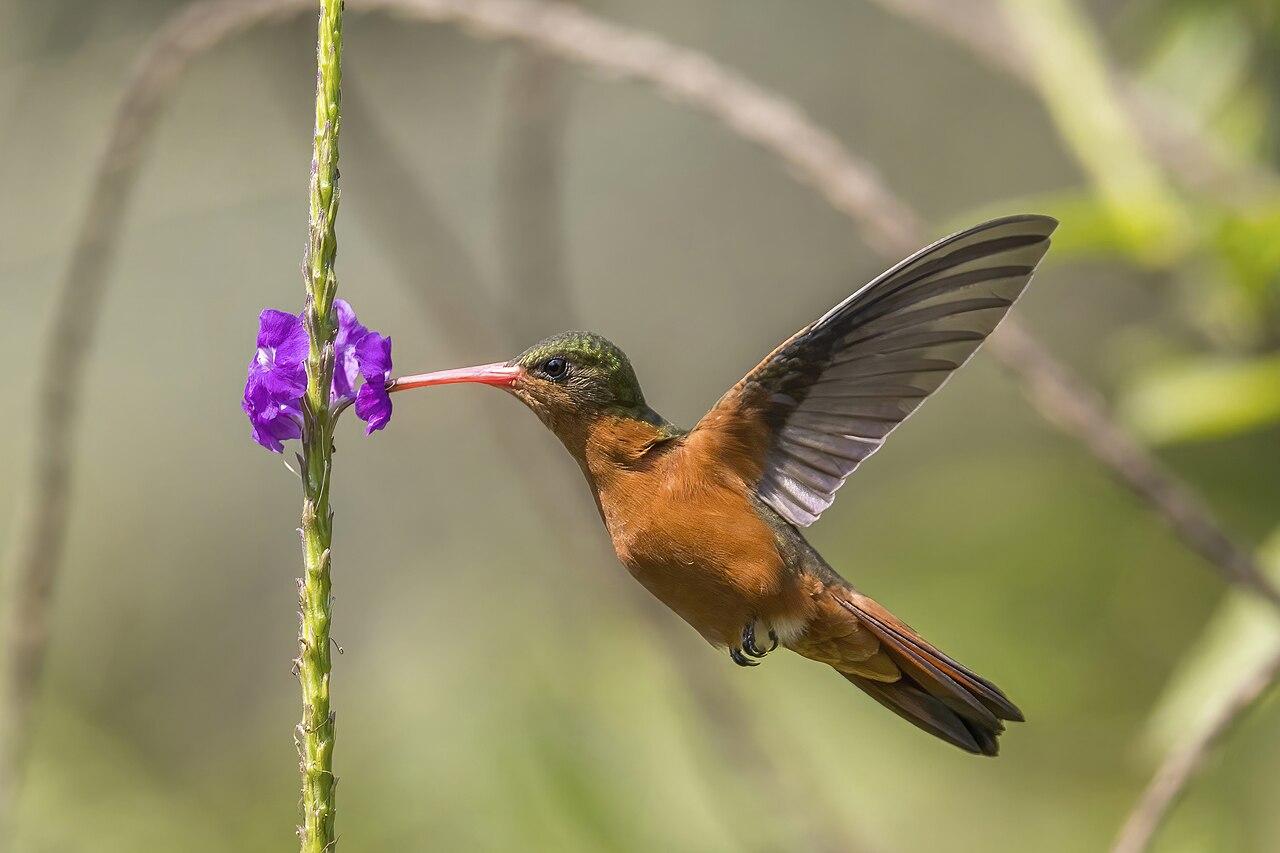
Three passages carry nearly all of it. Matthew 6:26 asks the hearer to look at the birds of the air, which neither sow nor reap, and says God feeds them. For a bird that burns energy faster than almost any vertebrate on earth, that reads as unusually literal.
Matthew 10:29 says not one sparrow falls to the ground outside the Father’s care, and that the hearer is worth more than many sparrows. The point is explicitly about small, cheap, overlooked birds, which is why it transfers so readily to a bird weighing less than a nickel.
Psalm 104, the creation psalm, praises God for the sheer variety of living things and for feeding them all in season. Taken together, the three passages support the symbolism without requiring the hummingbird to be named. A fourth, 2 Corinthians 12:9 on strength in weakness, is often added for the migration.
What Bird Represents the Holy Spirit?
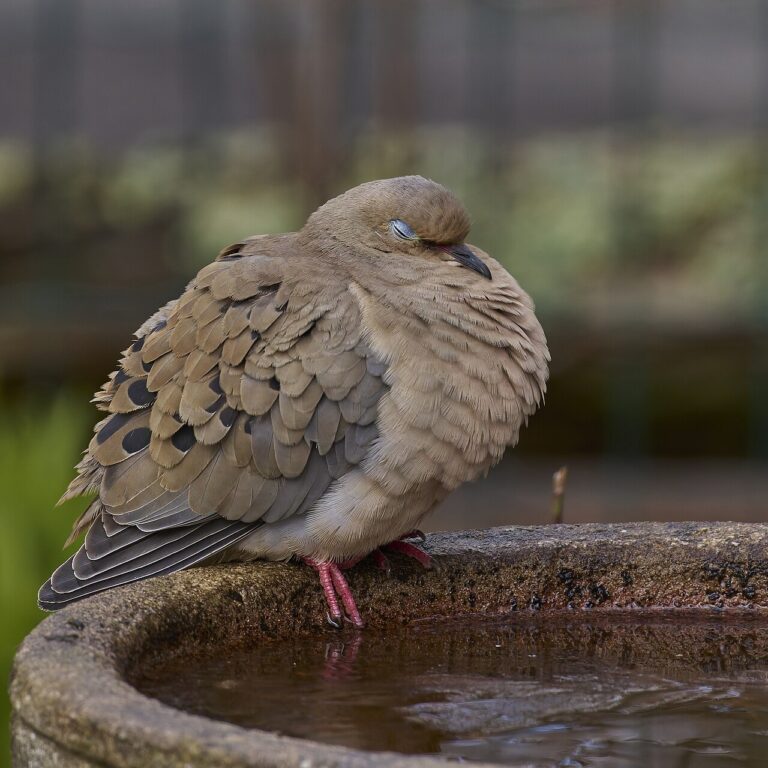
The dove, without ambiguity. All four gospels describe the Spirit of God descending on Jesus at his baptism in the form or manner of a dove, in Matthew 3:16, Mark 1:10, Luke 3:22 and John 1:32. That is the only bird scripture assigns to the Holy Spirit, and Christian art has used it for nearly two thousand years.
Hummingbirds are sometimes described this way online, and it is a substitution worth resisting. The dove image rests on text; the hummingbird image rests on a feeling. Believers who want a bird for the Spirit already have one, and conflating the two makes the hummingbird reading easier to dismiss.
What Bird Is Associated With Jesus, and What Is the Most Biblical Bird?
Jesus is associated with the dove through his baptism, and with the hen through his own image in Matthew 23:37, where he compares himself to a hen gathering her chicks under her wings. Medieval European legend added the robin and the goldfinch, both said to have pulled a thorn from the crown at the crucifixion, which is where their red markings supposedly come from. Those are legends, not scripture.
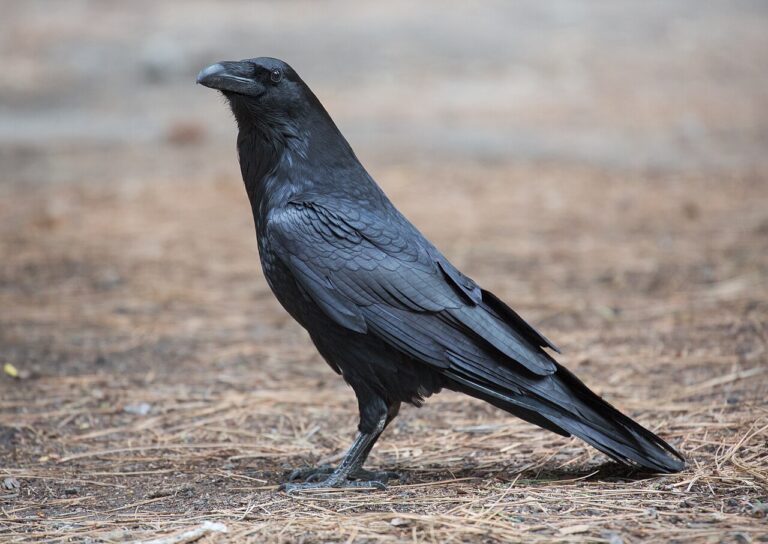
The most biblical bird by raw count is the dove and pigeon pairing, which appears in sacrifice law, the flood narrative, the Song of Solomon and all four gospels. The eagle comes second and carries strength, renewal and divine rescue. The raven is third and is the bird that fed Elijah in 1 Kings 17. The owl appears mainly in the ruin and desolation passages, which is covered in the biblical meaning of the owl.
Seeing a Hummingbird After a Death
This is the reason most people search the phrase at all, and the reading is consistent: the bird is taken as reassurance that the person who died is at peace and that joy is permitted again. Hummingbirds are connected to grief more often than almost any other American bird, partly because they appear at eye level, hold still in midair and seem to make deliberate contact.
Christian pastoral practice generally treats these sightings as a kindness rather than a revelation. A sign that comforts you is doing what a sign should do. A sign you begin requiring, or that you read as instruction about a decision, has moved past comfort into something heavier than it can carry.
Timing explains part of the frequency. Memorial gatherings cluster in spring and late summer in much of the United States, which are exactly the weeks when hummingbird activity around gardens peaks.
A Hummingbird at Your Window, in Your Garden or Hovering Close
A hummingbird that hovers directly in front of you is traditionally read as a message addressed to you personally, and it is the encounter people remember for decades. The bird is checking whether you are a flower. Red, pink and orange clothing, printed patterns and even a sunburn will draw an inspection, and the bird leaves within seconds once it concludes there is no nectar.
In the garden, the reading shifts to the household: abundance, gratitude, a season of ease. At a window it becomes a message brought to the door. For the wider set of readings across traditions, see what it means when you see a hummingbird.
If a bird repeatedly strikes the glass, that is territorial behavior toward its own reflection, not a sign. Break up the reflection with exterior screening or soap, and move the feeder either very close to the window or well away from it.
Hummingbirds in Dreams and Repeated Visits
Dream readings run toward joy returning after a flat period, and toward strength that looks too small for the task. A hummingbird feeding freely in a dream is read as contentment, one trapped indoors as energy spent on the wrong thing, and one hovering without landing as a decision you keep circling. The longer treatment sits in hummingbird dream meaning.
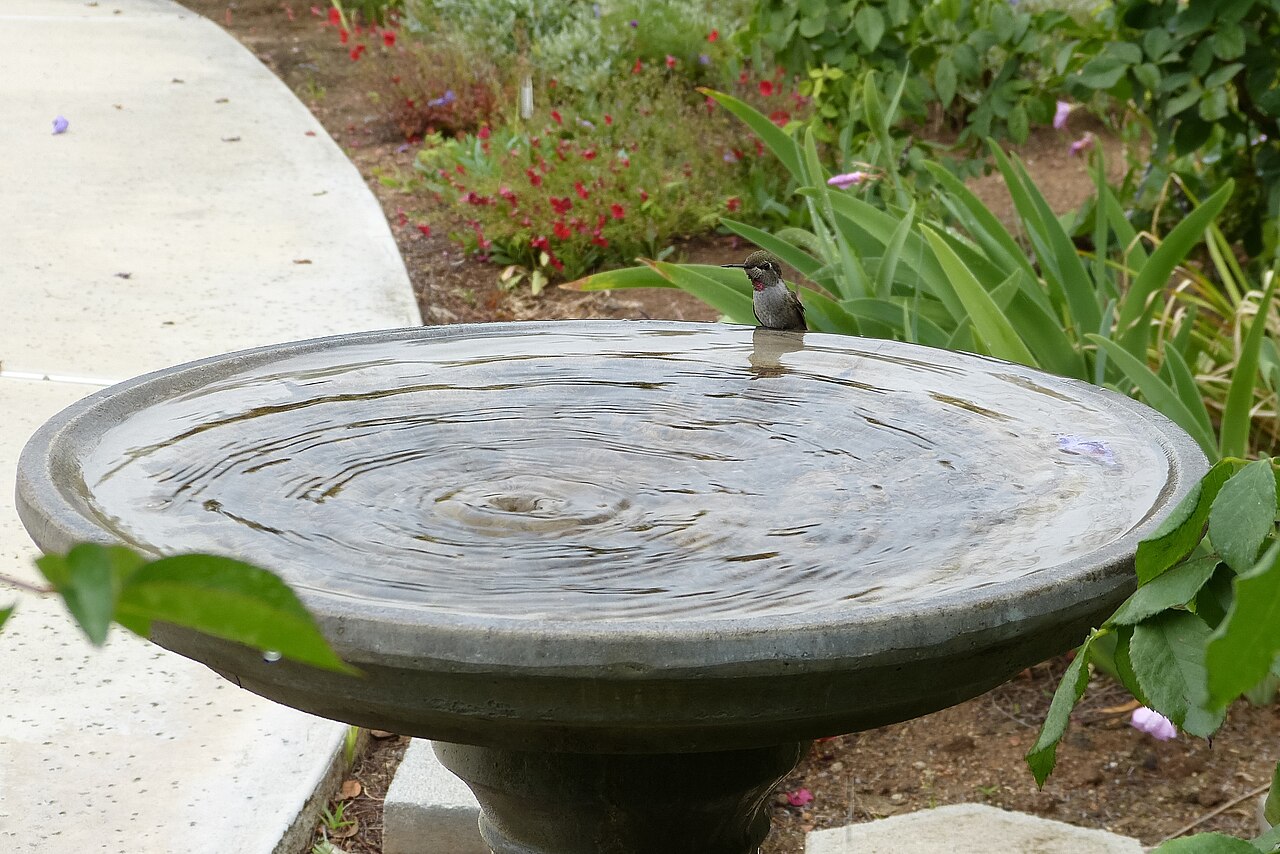
Daily visits have a plain explanation that does not spoil anything. A hummingbird defends a feeding territory and patrols it on a schedule, so the “same bird returning for me” is usually literally the same bird, and often a male Anna’s hummingbird on the West Coast, where the species holds territory year round.
Hummingbird Meaning Outside Christianity
The oldest hummingbird symbolism in the world is Mesoamerican and has nothing to do with gentleness. Huitzilopochtli, the Mexica deity of sun and war, took the form of a hummingbird, and fallen warriors were said to return as hummingbirds. Anyone who has watched males fight over a feeder will recognize why: they are among the most aggressive birds per gram on the continent.
Several Native American traditions, including Hopi and Zuni accounts, connect hummingbirds with rain, intercession and the survival of people through famine. Andean Quechua tradition links the bird to the sun and to the dead, and the Nazca lines include a hummingbird figure. Celtic and East Asian traditions have no hummingbird lore at all, for the same geographic reason the Bible does not.
Hummingbird as a Spirit Animal, Totem and Omen
In modern spirit animal practice, the hummingbird totem belongs to people who move fast, work in bursts and get more done than their size suggests, with a shadow side of burnout and an inability to sit still. As an omen the bird is read as favorable almost everywhere, signaling a light season after a heavy one.
Christians who want the symbolism without the spirit animal framework usually keep the bird as a reminder and drop the guidance claim, which is the distinction most churches care about. The same split shows up in hummingbird tattoo meaning, where some wearers mean resurrection and others mean a personal totem. For the biology behind every reading, the Cornell Lab’s account of the Ruby-throated Hummingbird covers torpor, migration and territory.
Frequently Asked Questions
When a hummingbird comes to you, what is the spiritual meaning?
It is read as a message that joy is available now and that something small deserves your attention. In Christian terms it points to God’s care for the overlooked. In practice the bird is checking whether your red shirt holds nectar, and both things can be true at once.
What is the prayer of the hummingbird?
There is no traditional prayer by that name in scripture or liturgy. The phrase comes from devotional writing and greeting cards, usually a short prayer of thanks for small mercies modeled on Matthew 6:26. Anyone citing it as biblical is citing a modern composition, not a text.
What is hummingbird energy?
In spiritual writing it describes doing a great deal in short bursts, living at high intensity and recovering fast. Biologically it is close to literal: a hummingbird’s heart can exceed 1,200 beats per minute in flight and the bird must feed every ten to fifteen minutes to survive the day.
What color will we wear in heaven?
White, in the only description scripture gives. Revelation 7:9 and 7:13 describe a great multitude in white robes, and Revelation 19:8 calls the fine white linen the righteous deeds of the saints. No passage assigns any other color to the redeemed.
Is it wrong for a Christian to see a hummingbird as a sign?
Most pastors would say no, with one caution. Reading a sighting as comfort or as a prompt to thanksgiving fits ordinary Christian practice. Treating a bird as a source of guidance or as a verdict on a decision moves into divination, which scripture consistently warns against.
Why do hummingbirds seem to show up at funerals and memorials?
Partly timing and partly attention. Memorials cluster in spring and late summer, the peak weeks for garden hummingbird activity in most of the United States, and grieving people notice things they would normally walk past. Outdoor services with flowers also attract the birds directly.