Hummingbird Dream Meaning: 7 Scenarios and What They Signal
Dreaming about a hummingbird is almost always read as a positive sign. Across folk traditions and modern dream interpretation, the hummingbird in a dream stands for joy that arrives fast, resilience in a small body, and a message from someone you have lost. The bird that hovers in place while beating its wings 50 times a second has become the symbol of energy held steady under pressure.
Hummingbird dream meaning changes with the detail you remember: the colour of the bird, whether it landed on you, whether it was trapped, whether it appeared at a window. Below you will find the traditional reading for each situation, what Native American and Mexican traditions say, what the Bible does and does not contain, and how the bird works as a spirit animal and omen.
Dreaming of a hummingbird traditionally means a small, bright piece of good news or a reminder to enjoy what is already in front of you. Many traditions also read it as contact from a loved one who has died. A hovering hummingbird suggests a decision held in balance, while a trapped one suggests freedom you feel you have lost.
What Does It Mean to Dream About a Hummingbird?
A hummingbird dream is usually read as a sign of lightness returning after a heavy period. Interpreters build this on how the bird actually lives: it feeds on nectar, moves constantly, and survives on an energy budget that should not work. Dreaming of one is taken as a prompt to notice sweetness that is genuinely there rather than waiting for something larger.
The second standard reading is speed. The hummingbird can fly backwards, hover and change direction instantly, so dream traditions connect it to agility in decisions and to the ability to reverse a choice without shame. People often report these dreams during job changes or moves.
The third reading, and the one that matters most to people who search for it, is contact. A large share of hummingbird dream reports come from people who are grieving, and the folk interpretation is consistent: the bird is a visit. Whether you read that literally or not, the dream is understood as a sign of continuing connection. See also what hummingbirds symbolize outside of dreams.
Hummingbird Dream Meanings by Situation
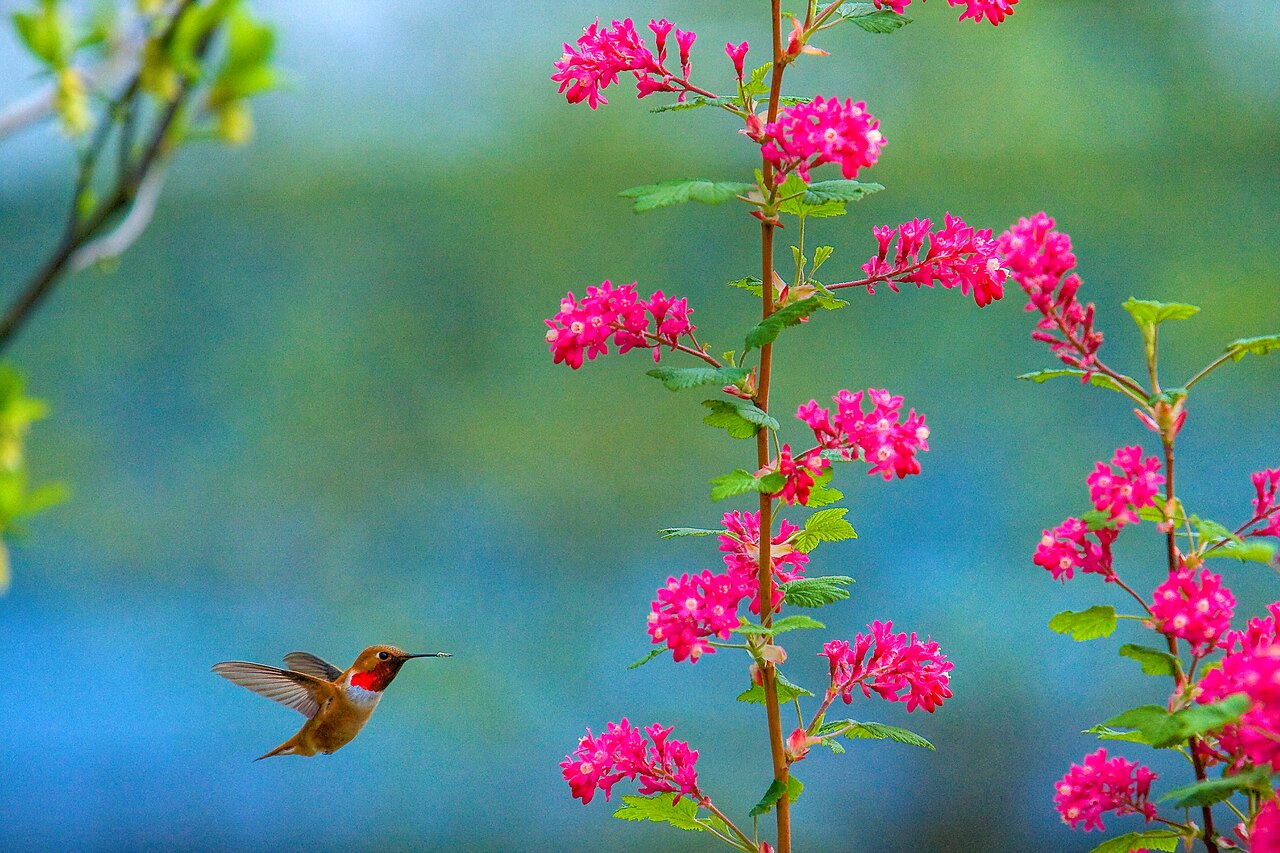
The scene matters more than the bird. A hummingbird feeding peacefully and a hummingbird beating against a window are read as opposite messages, even though the animal is the same. The table collects the readings that appear most consistently across dream traditions.
| Dream situation | Traditional meaning | Emotional tone |
|---|---|---|
| Hummingbird hovering in front of you | A choice held in balance, waiting on you | Suspended |
| Landing on your hand or shoulder | A message meant personally, often from the dead | Tender |
| Feeding at flowers | Reward arriving from work already done | Content |
| Trapped indoors or in a window | Freedom you feel you have lost | Anxious |
| Dead hummingbird | Joy interrupted, or grief not yet spoken | Heavy |
| Flock of hummingbirds | Abundance, or too many options at once | Overwhelming |
| Hummingbird at a window | News trying to reach you | Expectant |
A Hummingbird Landing on You or Your Shoulder
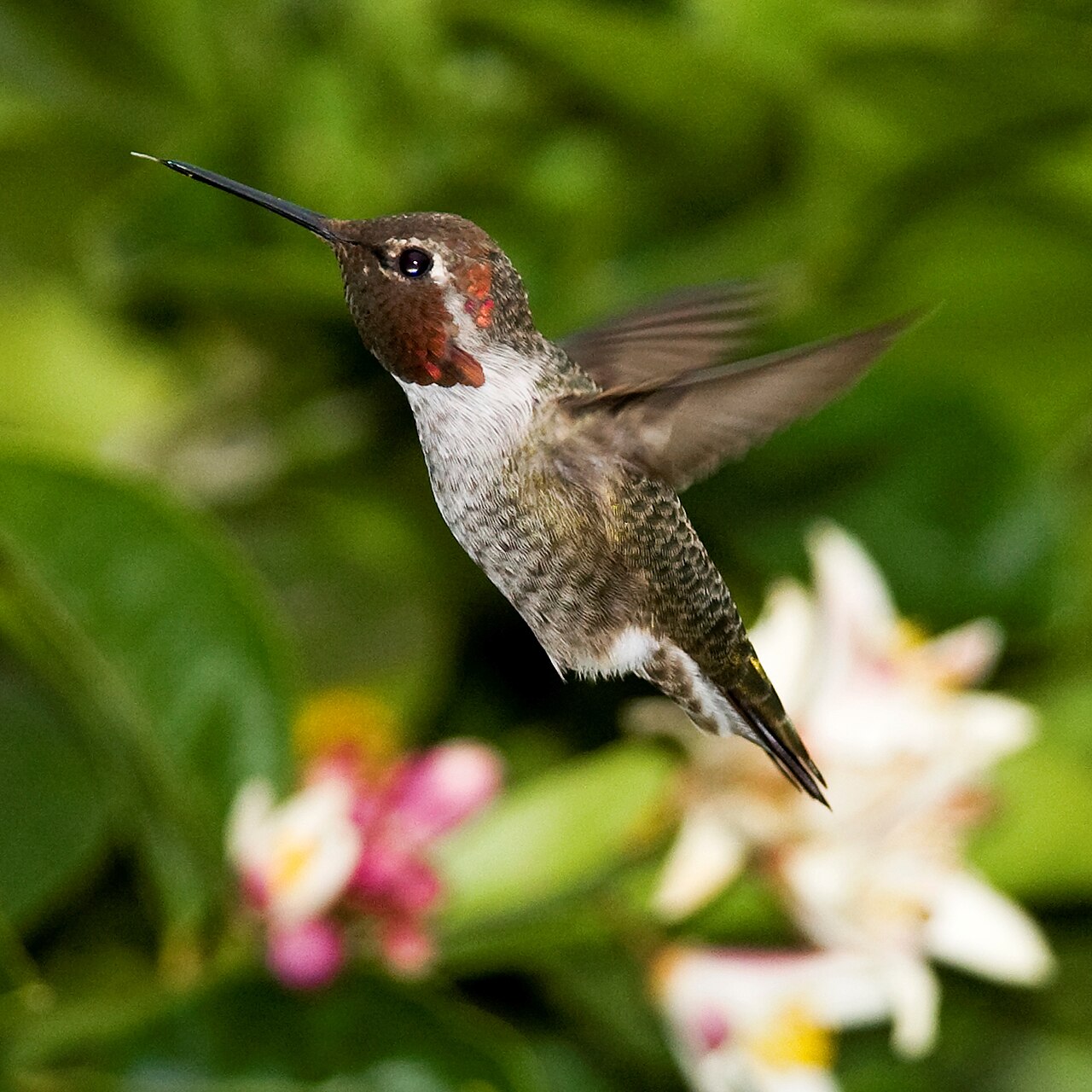
A hummingbird landing on your shoulder in a dream is read as the most personal version of the symbol. Wild hummingbirds almost never land on people, so the dream image is understood as deliberate contact rather than coincidence, and interpreters treat it as a message addressed to you specifically.
In grief interpretation, which is where most of these dreams come from, the landing is read as reassurance from someone who has died. People describe the dream as unusually calm and remember the weight of the bird, which is part of why it stays with them for years.
If the bird landed and then left quickly, the traditional reading is a visit rather than a stay: permission to go on with life. If it stayed and you woke with it still there, interpreters read it as something unfinished you are holding gently rather than painfully.
Black Hummingbird Dream Meaning
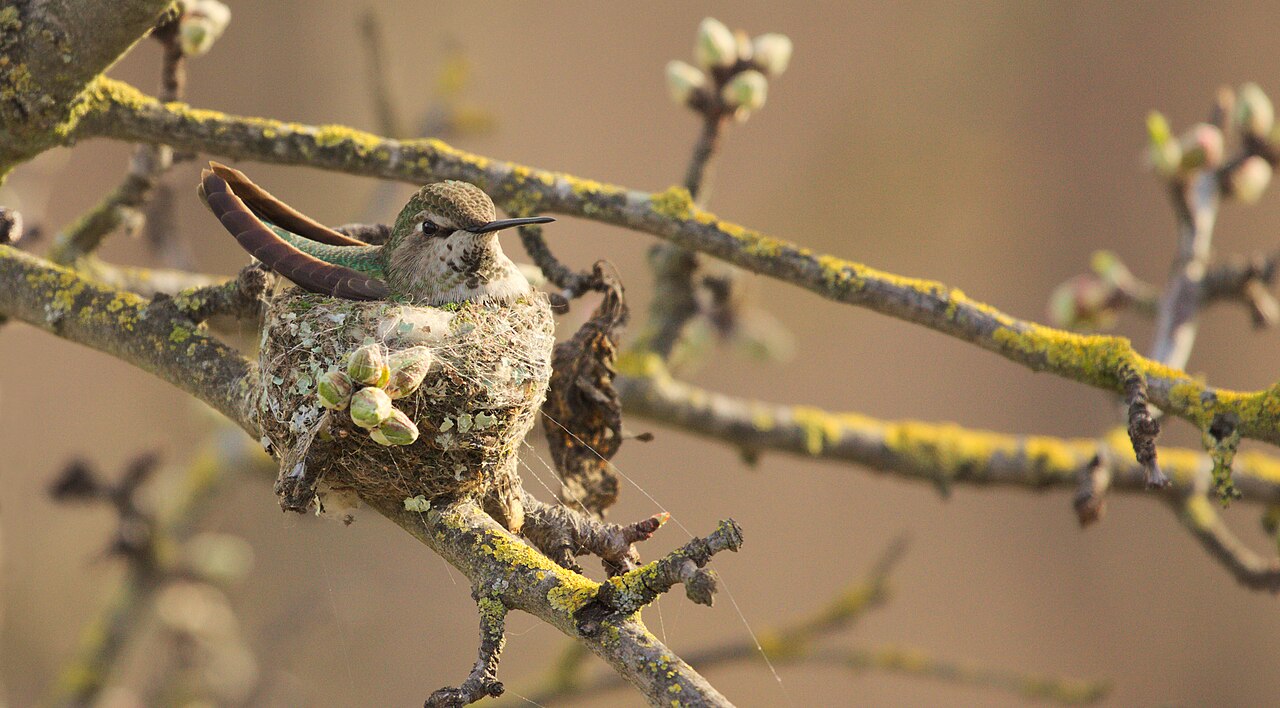
A black hummingbird in a dream is read as a message from the hidden side of a good thing. Black in dream symbolism points to the unknown rather than to evil, so the combination of a joyful bird and a dark colour is usually interpreted as happiness that carries something unresolved inside it.
There is no truly black hummingbird in North America, though the black-chinned hummingbird (Archilochus alexandri) and males of several species look black in poor light because their iridescent feathers only show colour at certain angles. That optical fact has fed the symbolism: the colour depends on where you stand.
Dream interpreters often read the black hummingbird as grief that has settled, present but no longer sharp. If the bird felt threatening rather than solemn, the reading shifts toward a warning about something pleasant that is not what it appears.
Red Hummingbird Dream Meaning
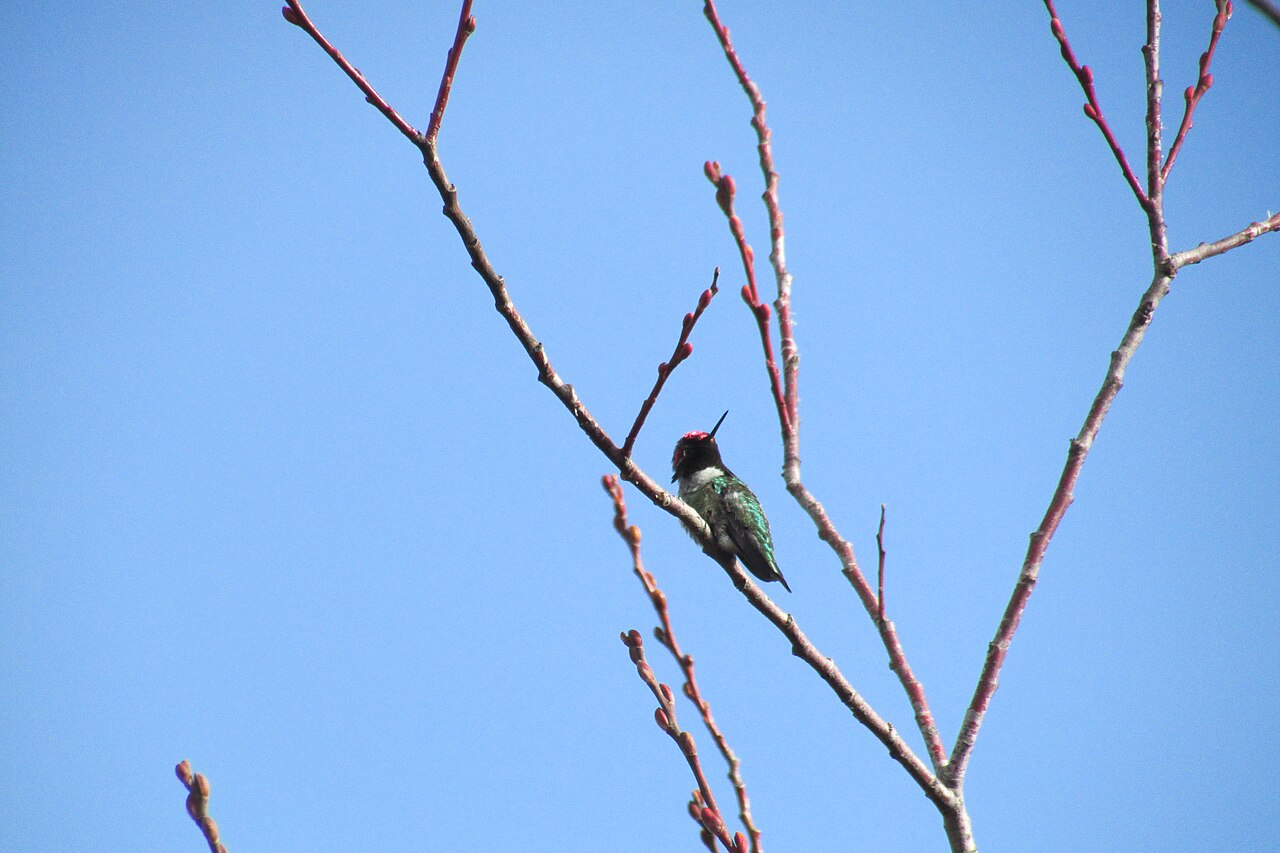
A red hummingbird is the most common colour variant in dream reports, which makes sense given that the ruby-throated hummingbird is the species most Americans east of the Rockies actually see. The traditional reading is strong emotion: love arriving, passion returning, or anger that has found a small bright outlet.
Where the owl dream tradition reads red as conflict, hummingbird tradition reads it as vitality. Red is the colour of the throat patch that males flash during courtship, and dream symbolism has absorbed that association almost directly. A red hummingbird is usually read as a romantic signal.
If the red was unusually vivid or the bird was aggressive, interpreters read it as energy that needs somewhere to go. Hummingbirds are genuinely territorial and will chase birds many times their size, which supports the reading of small, fierce determination.
A Dead or Trapped Hummingbird in a Dream
A dead hummingbird is the hardest version of this dream. The standard reading is joy interrupted: a plan that stopped, a relationship that cooled, or grief that has not been given room. Because the bird itself symbolises lightness, its death in a dream is read as the loss of lightness rather than as a literal warning.
A trapped hummingbird, beating against glass or caught indoors, is read as constraint. People report this dream during periods of overwork or in relationships where they feel managed. The bird can hover anywhere it likes, which is exactly what makes the cage image sting.
Both dreams are read as calls to act rather than as predictions. If you remember opening a window and letting the bird out, interpreters treat that as the most hopeful ending in the whole hummingbird dream category.
A Hummingbird at Your Window or in Your Garden
A hummingbird at a window is read as news trying to reach you. The glass is the obstacle in the symbol, so interpreters connect this dream to information that is close but not yet available: a result you are waiting on, a conversation someone has not started.
In the garden the reading changes completely. A hummingbird moving through flowers in your own garden is read as earned reward, the part of life where things grow because you tended them. Dream manuals treat this as one of the least ambiguous positive images available.
The same dream can also be plain memory. If you feed hummingbirds, your brain has plenty of material, and not every bird in a dream carries a message. For a sighting in waking life, see what it means when you see a hummingbird.
Hummingbird Dream Meaning in the Bible
The Bible does not mention hummingbirds. They are a New World family, unknown in the Middle East and Mediterranean of the biblical world, so there is no verse to point to. Any site presenting a biblical meaning of hummingbirds is building on general bird passages or on later Christian folk symbolism rather than on scripture.
Those general passages do exist. Matthew 6:26 uses birds as an image of provision without anxiety, and that verse is the one most often applied to hummingbirds by Christian writers. Read that way, the hummingbird becomes a symbol of being sustained day by day, which fits a bird that must feed every few minutes.
Are hummingbirds messengers from heaven? That belief is widespread, sincere and worth treating respectfully, but it is folk tradition rather than doctrine. When people say God sent them a hummingbird, they usually mean a sighting or dream that arrived at the exact moment they needed it. Christian teaching tends to read such moments as comfort rather than as messages with content.
What Do Native Americans Say About Hummingbirds?
Hummingbird traditions vary by nation and should not be merged. In Hopi and Zuni tradition the hummingbird is connected to rain and to intercession: in several versions of a well known story the bird carries a plea for rain to the spirits and saves a starving people. The bird appears in Hopi kachina tradition in that role.
In Cherokee tradition the hummingbird appears in stories about recovering tobacco from a distant place, succeeding by speed where larger animals failed. The moral is consistent with the general symbolism: size is not the measure of what a creature can do.
Among several Pacific Northwest nations the hummingbird is a sign of joy and good fortune, and its image appears regularly in formline art. The common thread across these traditions is positive, which is unusual; most animals carry a split reputation, and the hummingbird mostly does not.
What Do Mexicans Believe About Hummingbirds?
In Mexico the hummingbird carries more weight than almost anywhere else, and the root is Aztec. Huitzilopochtli, the patron deity of the Mexica, has a name usually translated as hummingbird of the south or hummingbird on the left, and warriors who died in battle were believed to return as hummingbirds. That belief has survived in folk form for five centuries.
The living version of it is the reading of a hummingbird as a returning loved one, which is held widely across Mexico and in Mexican American families. It is also why hummingbird charms, called chuparrosa amulets, are sold in connection with love and fortune.
If you grew up with that tradition, the dream reading is direct: the bird is a person. That is a stronger and more specific meaning than anything in general dream dictionaries, and it is the one most likely to be what the dream actually meant to you.
Is the Hummingbird a Spirit Animal, Totem or Omen?
These three words are used interchangeably online and mean different things in the traditions they come from. A totem belongs to a family or clan. A spirit animal, in current usage, is a personal guide. An omen is one event read as a sign. A hummingbird dream is an omen in the strict sense.
As a contemporary spirit animal the hummingbird stands for resilience, adaptability and the choice to enjoy things while they last. People who identify with it usually describe themselves as fast moving and easily bored, and the symbol is popular enough to show up constantly in hummingbird tattoo meaning.
Is there a meaning when you see a hummingbird? In most living traditions, yes: good fortune, or a visit. The honest version is that the meaning is assigned by the person, not carried by the bird, and that it still does real work. For hummingbird dreams alongside other species, birds in dreams covers the broader pattern, and the western species in Allen’s hummingbird shows how much the birds differ by region. Reliable biology on all of them sits with the Cornell Lab of Ornithology at All About Birds.
What Does It Mean When You Dream About Birds in General?
Birds as a category are read as messages, perspective and freedom. The specific species then narrows the meaning: an owl points to hidden knowledge, a crow to transition, a dove to peace, and a hummingbird to joy and connection. If you only remember that it was a bird, the general reading applies.
The height matters in most traditions. A bird flying high is read as perspective, one at eye level as a message, one on the ground as something grounded or trapped. Hummingbird dreams usually happen at eye level, which is part of why they feel so direct.
Dreams with many different birds are usually read as noise rather than signal: too much input, too many opinions. A single hummingbird is the opposite, and that clarity is most of its meaning. Threatening dreams of other animals, like snake dreams, follow completely different rules.
Frequently Asked Questions
Is the hummingbird a spirit animal?
In modern spirit animal practice, yes: the hummingbird is one of the most commonly claimed, standing for resilience, joy and quick adaptation. In the Native traditions the term borrows from, the correct word would usually be totem or clan animal, and those belong to communities rather than individuals.
Is there a meaning when you see a hummingbird?
Most living traditions read a hummingbird sighting as good fortune or as a visit from someone who has died, especially in Mexican and Mexican American belief. The sighting itself is ordinary where hummingbirds live; the meaning comes from timing, which is why people notice them during grief.
Are hummingbirds messengers from heaven?
That is a widely held folk belief rather than a teaching found in scripture. The Bible never mentions hummingbirds, since they live only in the Americas. Many Christians still read a well timed hummingbird as comfort, which most pastors treat as a legitimate personal experience rather than a message.
What does it mean when God sends you a hummingbird?
People who use this phrase usually mean a sighting or dream that arrived at a moment of grief or decision. Within Christian tradition it is generally read as reassurance of provision and care, drawing on Matthew 6:26 about birds being fed, rather than as a message carrying specific instructions.
Why don’t you see baby hummingbirds?
Because they leave the nest at adult size. Hummingbird chicks fledge after about three weeks already fully grown, with slightly duller plumage and a shorter bill. Nests are also walnut sized and camouflaged with lichen, usually 10 to 40 ft up, so almost nobody finds them.
What is a cute name for a hummingbird?
Common pet names for backyard regulars include Zip, Ruby, Buzz, Jewel and Pip, usually chosen for speed or for throat colour. In Spanish speaking regions chuparrosa, meaning rose sucker, is the affectionate everyday word, and colibri is the standard name across most of Latin America.