Pelican Symbolism: What Seeing One Means in 5 Traditions
Seeing a pelican is traditionally read as a sign of provision: the message is that what you need will be carried to you, and that you are being asked to give from your own reserves rather than hoard them. The pelican spiritual meaning grows out of one striking habit, the way the bird stores food in its pouch and feeds its young from it, which observers for two thousand years turned into a symbol of self sacrifice, abundance and patient trust.
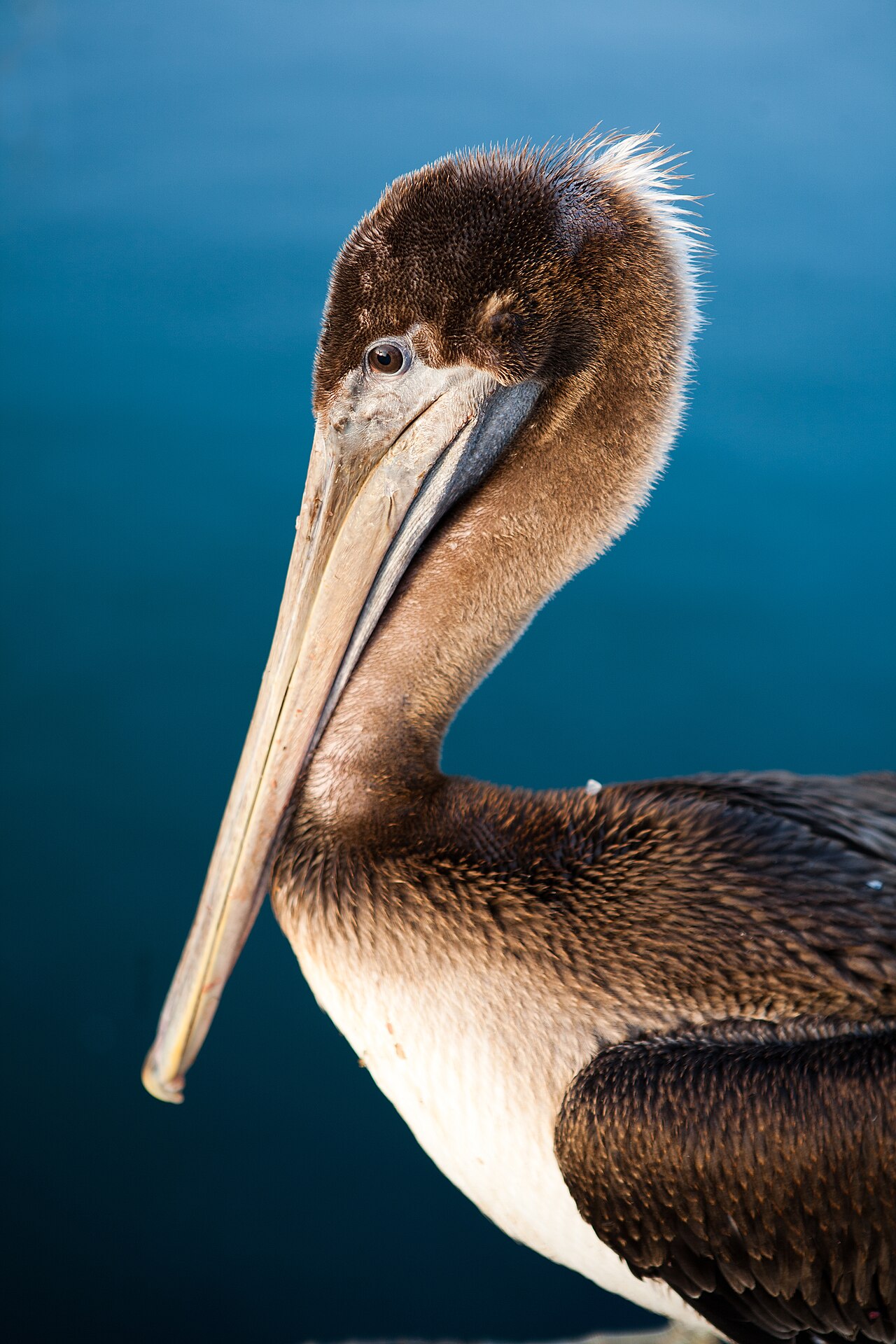
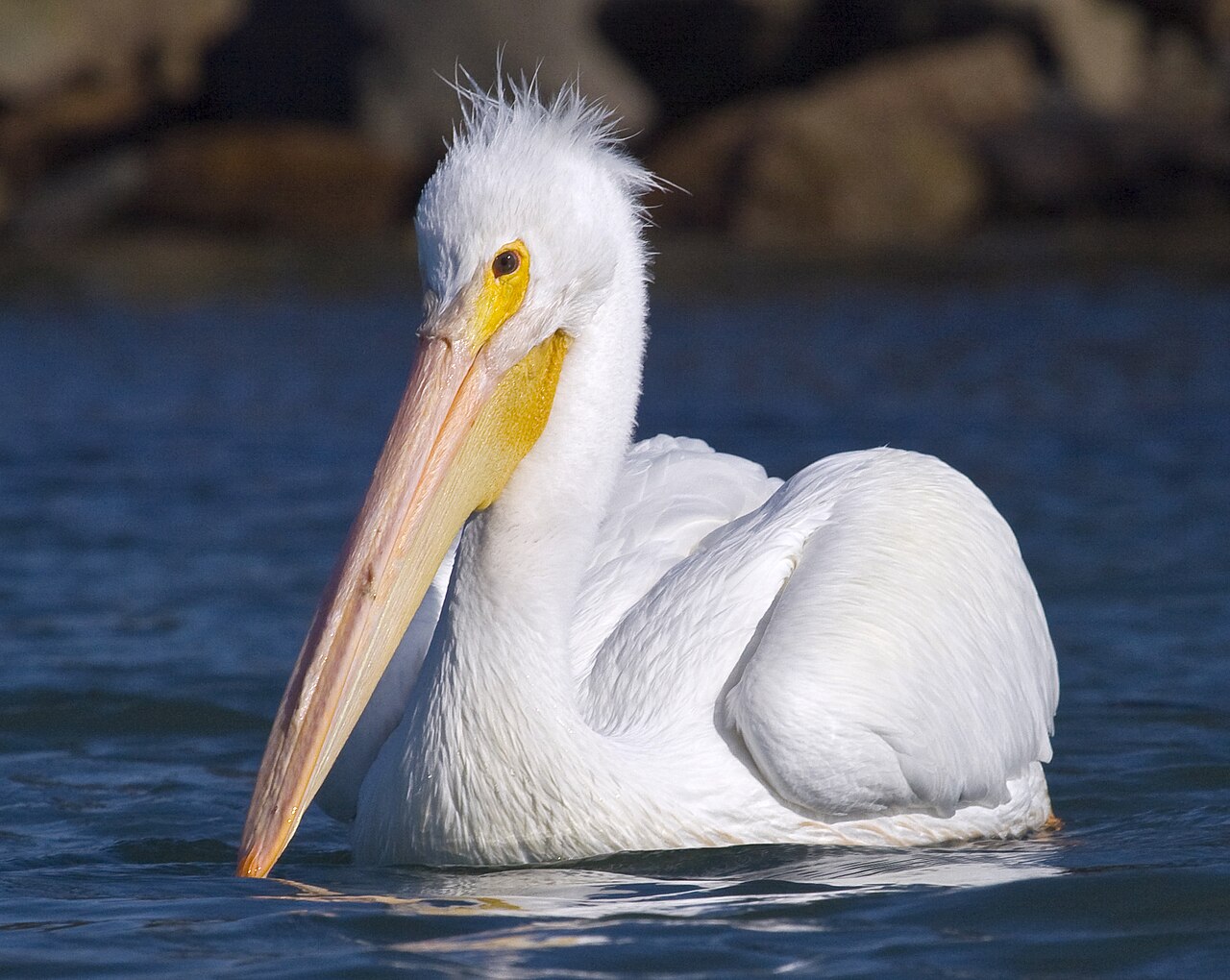
Because the American white pelican (Pelecanus erythrorhynchos) and brown pelican (Pelecanus occidentalis) are coastal and lake birds, most people meet one at a shoreline, a harbor or a bridge rather than in a backyard. That setting shapes the omen too. Water carries its own meaning of emotion and change in nearly every tradition that reads birds as messengers, so a pelican sighting is usually interpreted as a message about something you are carrying, not something you are chasing.
Seeing a pelican most often means provision, generosity and emotional resilience. In Christian symbolism the pelican represents Christ’s sacrifice and the Eucharist. In folk readings, a pelican flying overhead signals that help is on the way, while a pelican fishing nearby is taken as a call to trust your own ability to feed yourself and others.
What Do Pelicans Mean Spiritually?
Across the traditions that assign meaning to birds, the pelican carries three linked ideas: sacrificial love, buoyancy and provision. The sacrificial reading comes from medieval Europe. The buoyancy reading comes from the bird itself, since a pelican rides rough water without effort and plunges into it headfirst without harm.
Provision is the oldest and most practical layer. A pelican that surfaces with a full pouch is a picture of enough, and the symbolism follows that image into readings about money, food, family and emotional supply. Where bird omens in general tend to be read as messages arriving, the pelican is read as a message about capacity: you already hold what the moment needs.
The fourth and quieter theme is solitude that is not loneliness. Pelicans feed in company but roost in stillness, and in devotional writing the bird of the wilderness became shorthand for someone withdrawn by grief who is nonetheless being kept.
Pelican Symbolism by Situation
Folk interpretation changes with the circumstance of the sighting. The readings below are the ones that recur most often in symbolic and dream literature, and they are beliefs rather than established facts.
| Where you see it | Common interpretation |
|---|---|
| Flying overhead, alone | Support or news traveling toward you; keep your plans light |
| Flying in a line or V formation | Family or team effort; the group carries the load, not one person |
| Fishing or diving near you | A call to act on an opportunity you have already spotted |
| Perched and still on a post or piling | Rest is the correct next move; patience over effort |
| Appearing repeatedly over days | Read as an insistent message about giving or receiving help |
| Found dead | The end of a season of caretaking; often read as release, not punishment |
| In a dream | Your own reserves, emotional or financial, and whether they are being drained |
Pelican Symbolism in Christianity and What the Bible Says
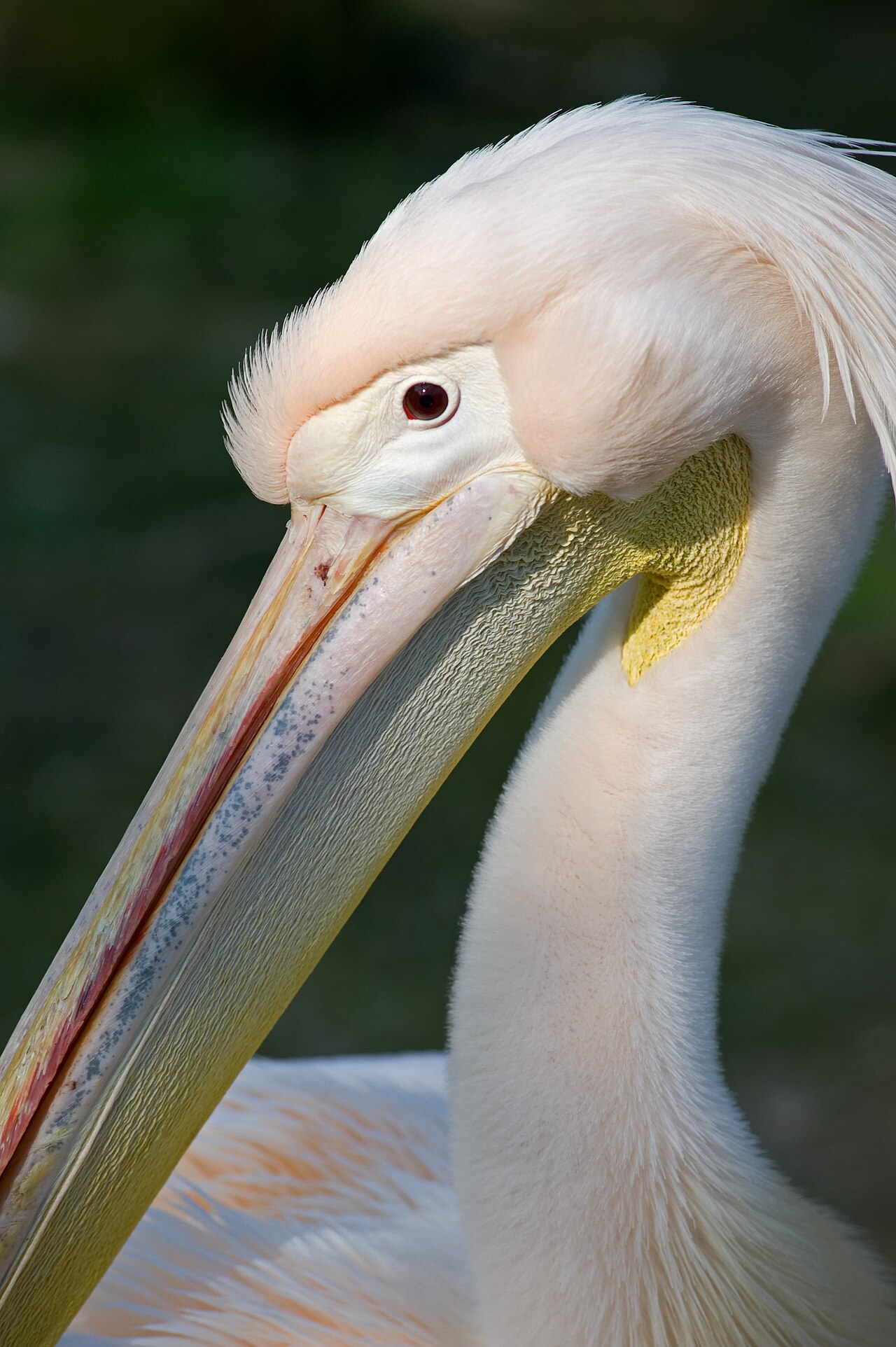
The pelican is one of the oldest Christian animal symbols, and it stands for sacrificial love. The source is the Physiologus, an early Christian bestiary, which claimed the mother pelican revived her dead young by piercing her own breast and feeding them her blood. The claim is not true of real pelicans, but as an image it spread through medieval art, heraldry and church furnishing as a figure of the crucifixion and of the Eucharist.
The Bible itself mentions the bird more plainly. In the King James translation, Psalm 102:6 reads “I am like a pelican of the wilderness,” a line of desolation spoken by someone in mourning. Leviticus 11:18 and Deuteronomy 14:17 list the pelican among birds not to be eaten. Modern translations often render the same Hebrew word as a different desert bird, so devotional writers who build a doctrine on the pelican are building on a translation choice.
In heraldry the motif has a name: a pelican in her piety, shown wounding her breast above a nest. English and Scottish colleges, dioceses and families still use it, which is why the bird turns up on crests far from any coastline.
Why Is Jesus Referred to as a Pelican?
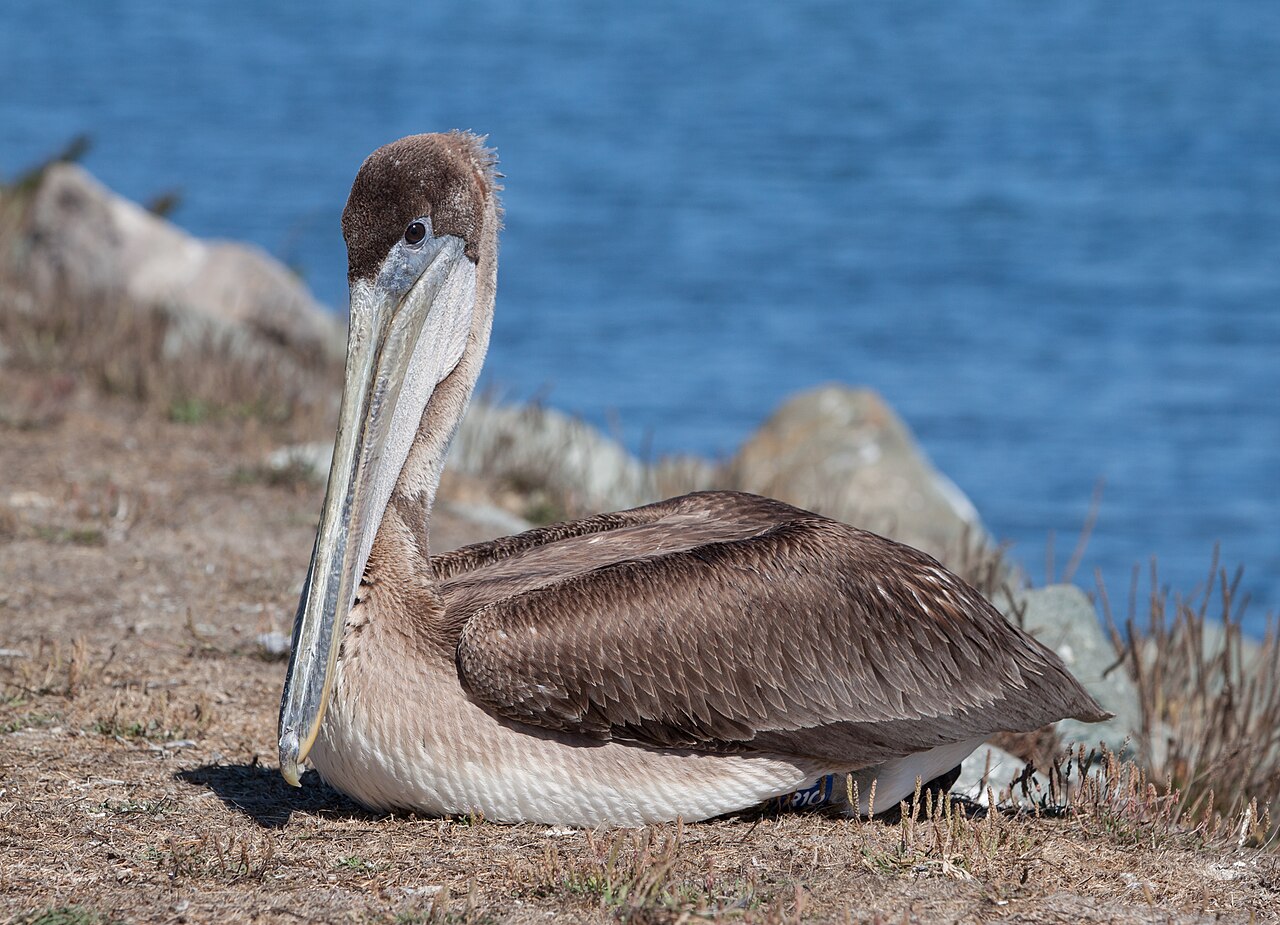
Jesus is called a pelican because of that bestiary legend. The clearest example is the Eucharistic hymn Adoro te devote, attributed to Thomas Aquinas in the thirteenth century, which addresses Christ as pie pellicane, loving or merciful pelican, asking to be cleansed by his blood. Dante uses the same shorthand in the Paradiso, calling the apostle John the one who lay on the breast of “our Pelican.”
The logic is direct. If a mother pelican was believed to give her own blood to bring her dead children back to life, then the bird was the tidiest available picture of the Christian account of the cross and of communion. That is also why the symbol appears on altars and tabernacles rather than in stories about actual birds, much as the eagle became an emblem of resurrection in eagle spiritual symbolism without reference to eagle behavior.
Pelican Meaning in Native American Traditions
Written records for pelican symbolism in Native American traditions are thinner than popular symbolism sites suggest, and the honest summary is that meanings differ sharply by nation and region. Where the bird appears, it is generally tied to water, plenty and generous provisioning, which fits a bird that arrives with fish in visible quantity.
Along the Gulf Coast and the lower Mississippi, pelicans show up as fishing emblems and as clan or place names. In Plains and Great Basin accounts recorded by ethnographers, pelican figures tend to be comic or cautionary rather than sacred, and some stories use the bird’s pouch as a joke about greed. Those are localized tellings and should be named as such rather than blended into a single pan tribal meaning, the same caution that applies to coyote stories.
Celtic, Medieval European and East Asian Views
Pelicans are not native breeders in the British Isles, so there is no old Celtic pelican lore in the way there is for the raven or the wren. What exists in Britain and Ireland arrived through church bestiaries and heraldry in the medieval period, which means the Christian reading and the European reading are effectively the same tradition.
Continental Europe is different, because the great white pelican (Pelecanus onocrotalus) and the Dalmatian pelican still breed in the Balkans and around the Black Sea. There the bird carries local associations with fishing luck and with the health of the lake. In ancient Egypt the pelican, called henet, appears in the Pyramid Texts as a protective figure connected with safe passage through the afterlife. In East Asian art the pelican is uncommon and usually generic, with the crane and heron carrying the symbolic weight instead, as crane symbolism shows.
What Does It Mean If You See a Pelican Flying?
A pelican in flight is read as relief that is already in motion. The bird is heavy and slow off the water yet extremely efficient once airborne, often gliding inches above the surface, and symbolic readings lean on that contrast: the hard part is the takeoff, not the journey.
A single bird flying straight overhead is usually taken as news or help approaching. A line of pelicans riding the same air is read as shared effort, a reminder that a burden split across a group costs each member very little. A pelican circling without landing is interpreted as a decision you keep approaching and not making.
Seeing a Pelican Repeatedly, at Night or in a Dream
Repeat sightings are the kind most people ask about. In folk reading, a bird that keeps appearing is an insistent message, and for the pelican the question is usually about supply: who is feeding whom in your life, and whether the exchange has gone one sided. Many people notice pelicans in stretches when they are the person others lean on.
Pelicans are not nocturnal, so a pelican seen or heard at night tends to be a roosting bird disturbed near a lit dock. Symbolically, night sightings are read as something carried in private, hidden work, or caretaking nobody sees. In dreams, a full pouch is read as resources you have and underestimate, an empty pouch as depletion, and a pelican feeding its young as a duty you have taken on willingly.
Pelican as a Spirit Animal, Totem and Omen
In modern spirit animal writing, which is a contemporary practice rather than an old tradition, people with pelican as a spirit animal or totem are described as providers who recover quickly from emotional setbacks and who need more rest than they admit. The pelican totem is invoked for generosity without self erasure, and the lesson attached to it is that the pouch is for carrying, not for storing forever.
As an omen the pelican is read as benign in almost every source, closer to the reassurance people attach to cardinal sightings than to the warning tone of a dark bird. Even the dead pelican is usually read as a season ending rather than a threat. If you want the gentler, luckier end of bird symbolism, goldfinch symbolism sits in the same family of meanings. Field guidance on pelican behavior and conservation is available from the National Audubon Society.
Frequently Asked Questions
What do pelicans mean spiritually?
Pelicans symbolize provision, sacrificial generosity and emotional buoyancy. The bird’s pouch made it a picture of having enough to share, and its ease on rough water made it a picture of recovering from turmoil. Most readings treat a pelican sighting as a message about what you are already carrying.
What do pelicans mean in the Bible?
The pelican appears as a bird of desolation in Psalm 102:6 and among the unclean birds in Leviticus 11:18 in the King James Version. Later Christian tradition, not the biblical text, made the pelican a symbol of Christ’s sacrifice through the bestiary legend of the mother feeding her young with her own blood.
What does the pelican symbolize in Christianity?
In Christianity the pelican symbolizes Christ’s self giving and the Eucharist. The heraldic form, a pelican in her piety, shows the bird piercing its breast above a nest of chicks. It appears on altars, vestments and college crests, and Aquinas addresses Christ as the merciful pelican in the hymn Adoro te devote.
Is it rare to see a pelican?
No. Brown pelicans are common along both US coasts and American white pelicans are abundant on interior lakes and the Gulf during migration. A pelican far inland in the wrong season is genuinely unusual, and that is the sighting people tend to treat as significant.
What does it mean when God sends you a bird?
In most Christian readings, a bird is understood as a reminder of care rather than a coded instruction, drawing on the gospel line about sparrows. Which bird arrives then colors the reading: the pelican for provision and sacrifice, the dove for peace, the eagle for renewed strength.
Are pelicans a good omen or a bad omen?
Almost every source reads the pelican as a good omen. It is linked to abundance, safe passage over water and family care, and even a dead pelican is usually interpreted as the close of a demanding season rather than a warning. Fishing communities have long treated pelicans nearby as a sign the fish are there.