Yellow Finch Spiritual Meaning and Why Jesus Holds One
The yellow finch spiritual meaning comes from two birds, the American goldfinch at backyard feeders and the European goldfinch in Renaissance paintings of Christ.
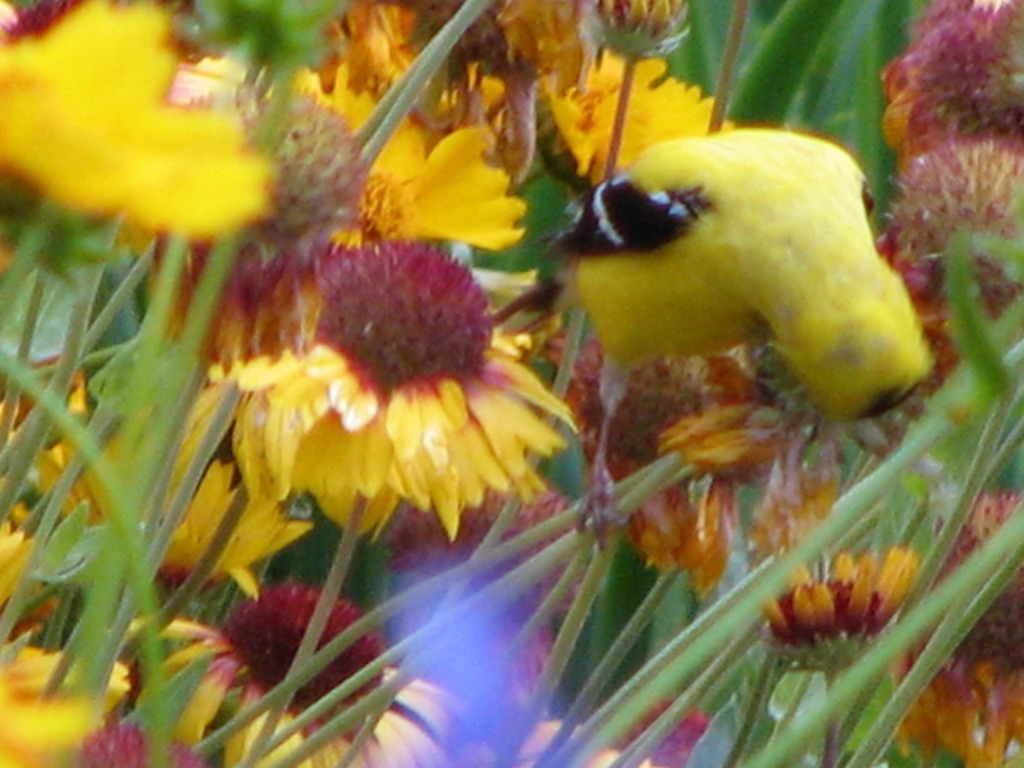
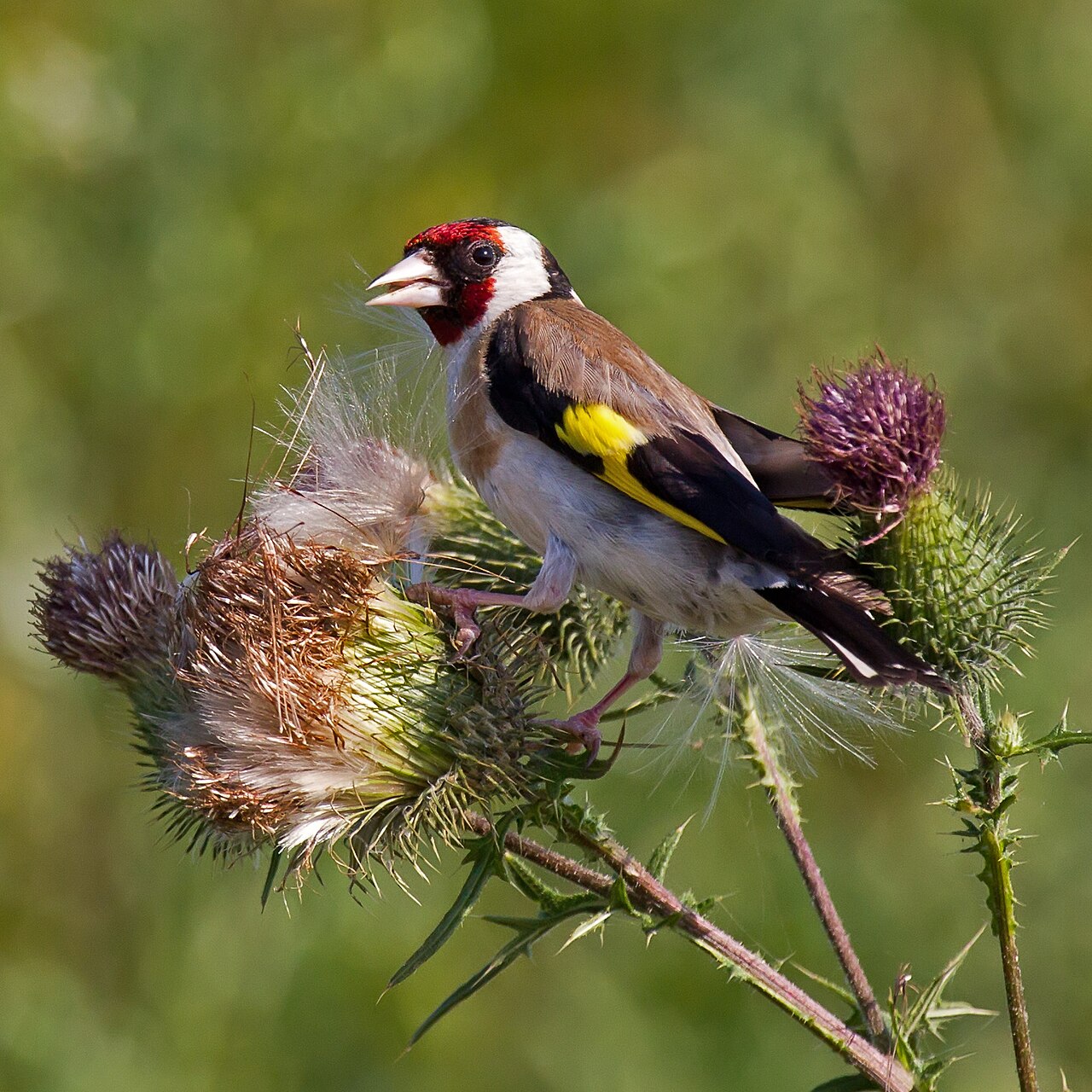
Most yellow finches in American yards are American goldfinches (Spinus tristis). The goldfinch in Christian paintings is its red-faced cousin, the European goldfinch (Carduelis carduelis). The two share a name and a taste for thistle seed.
A yellow finch stands for joy and renewal. Its bright plumage and bouncing flight make it a sign to celebrate small things and start fresh. In Christian art the goldfinch means something deeper. It eats thistle seed, so it points to the crown of thorns and Christ’s Passion.
What Does a Yellow Finch Mean Spiritually?
A yellow finch means joy and optimism. The American goldfinch flies in a bouncing, roller-coaster line and calls as it goes.
Yellow is the color of sun and spring, so the finch also marks a fresh start. The male turns brilliant just as the season turns, and a sighting asks you to begin something new. Yellow butterflies carry the same warmth and clarity in insect form.
Its flight call, a light po-ta-to-chip, sounds like celebration. Take it as a call to notice small good things. A full feeder counts. So does a sunny morning or a quiet minute with coffee.
What It Means When a Yellow Finch Visits You
A yellow finch that visits you brings a message of joy, and where it shows up shapes the detail.
At Your Feeder or Garden A finch at your feeder signals abundance and community. Goldfinches feed in flocks, so one bird rarely comes alone.
At Your Window A finch at the window is a nudge to pay attention to what is in front of you. A finch that hits the glass is flying at reflected sky, and window decals spaced 2 inches apart stop most strikes.
Again and Again Repeated visits remind you to reconnect with a joy you have let slide. The practical reason is simpler. A food source nearby keeps the bird coming back.
A Pair Together Two finches together point to partnership and steady, patient love. The pair stays close at the feeder and in flight.
Why Jesus Holds a Goldfinch in Christian Art
Jesus holds a goldfinch in Renaissance paintings because the bird foretells his Passion. European goldfinches eat thistle seeds, and the thistle’s thorns tie the bird to the crown of thorns placed on Christ’s head.
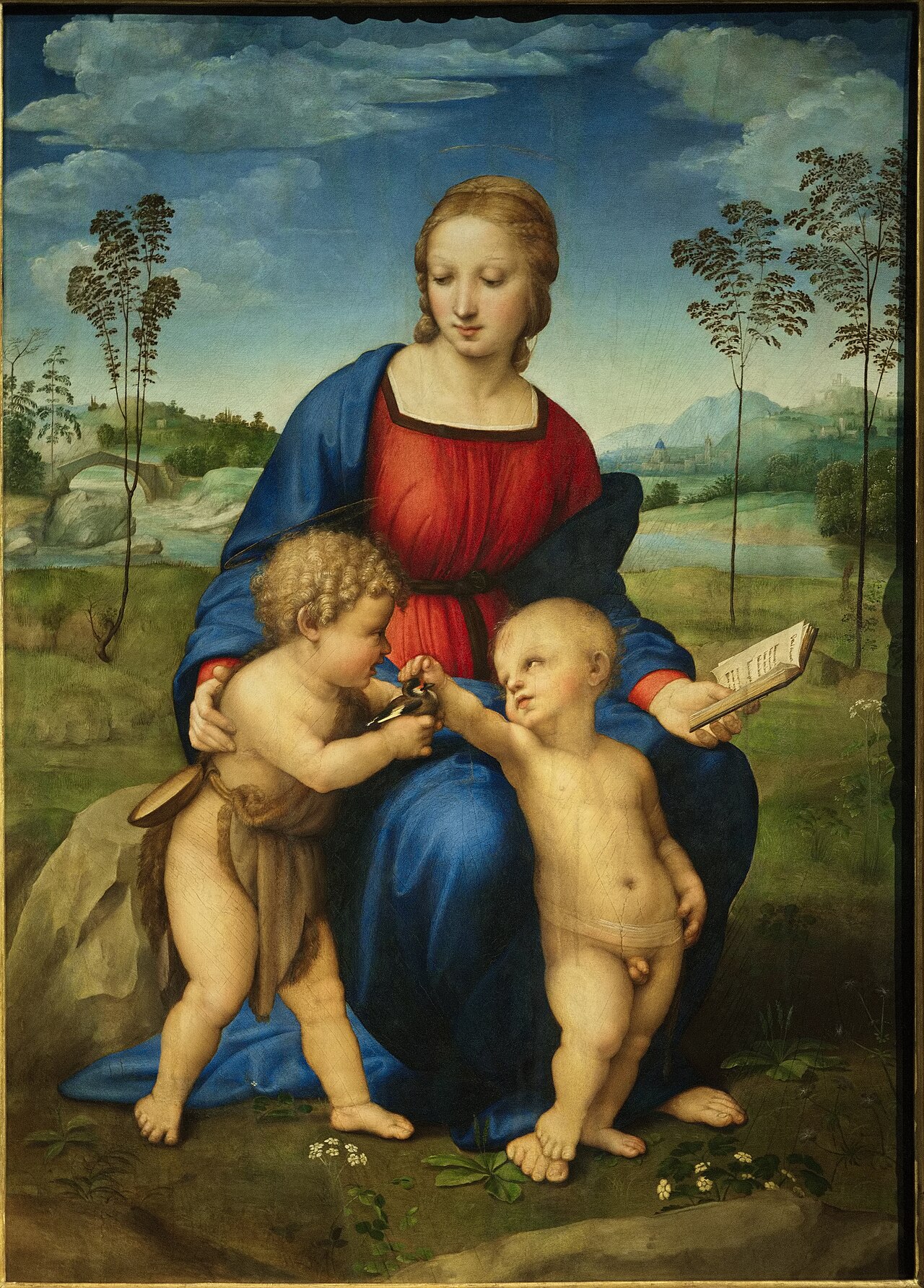
A Christian legend deepens the link. As Christ carried the cross, a goldfinch flew down and pulled a thorn from his brow. A drop of his blood stained its face red forever. That red face is what the painters show.
In Madonna paintings, the goldfinch held by or offered to the Child is a quiet warning of the suffering ahead. Raphael’s Madonna del Cardellino, in the Uffizi in Florence, shows the young John the Baptist handing the bird to the Christ Child while Mary looks on. Some writers also read the goldfinch as a sign of the resurrection. The Passion is the firmly documented meaning.
Which Bird Symbolizes Jesus, and Does God Send Birds as Signs?
The pelican is a classic bird of Christ in medieval Christian art. Bestiaries describe the pelican feeding its young with its own blood, an image of Christ giving his blood for humanity. The dove belongs to the Holy Spirit, which descends like a dove at Jesus’s baptism in the Gospels.
In the Bible, God does send birds as signs and help. The dove returns to Noah with an olive leaf (Genesis 8), and ravens bring Elijah bread and meat (1 Kings 17). In Matthew 6, Jesus points to the birds of the air, which neither sow nor reap, yet the heavenly Father feeds them. A bird at your window becomes a reminder of that care.
Yellow Finch as an Omen of Death, Loss and Comfort
A yellow finch after a loss brings comfort, not dread. Many grieving people see a bright bird at the feeder in the weeks after a funeral and take it as a loved one’s greeting. The color matters here. Yellow feels like light returning.
In Christian art the goldfinch is a bird of death foreseen and death overcome. In medieval Europe it was also a charm against plague, and Herbert Friedmann’s 1946 study The Symbolic Goldfinch ties its many appearances in devotional paintings to that belief.
Finding a Dead Goldfinch A dead goldfinch marks the end of a phase and room for what comes next. The cause is typically ordinary, such as a window strike or a cat.
| Where or when you see it | Common reading | Where the belief comes from |
|---|---|---|
| At a feeder or garden | Abundance and community | Goldfinches feeding in flocks |
| At your window | Pay attention to the present | Contemporary bird-sign belief |
| Again and again | Reconnect with joy | Return visits to a nearby food source |
| A pair together | Patient partnership | Pairs traveling and nesting together |
| After a loss | A loved one’s greeting | Grief and remembrance customs |
| A dead goldfinch | End of a phase | Transformation readings of dead birds |
| In paintings | Christ’s Passion | Thistle thorns and the thorn legend |
Yellow Finch Spirit Animal, Totem and Love Meaning
As a spirit animal, the yellow finch belongs to cheerful, sociable people. They make friends easily and keep things light without being shallow.
As a totem, the finch teaches ease with change. It is the only North American finch that molts its body feathers twice a year. It moves through the seasons without fuss.
In love, the finch is often read as a sign of patient partnership. Pairs form before nesting, and the male feeds the female while she incubates. The house finch carries a different reading, centered on home and family.
How to Identify a Yellow Finch and Draw One to Your Yard
A male American goldfinch in summer is lemon yellow with a black forehead cap and black wings marked with white bars. Its bill is short, conical and pinkish orange in breeding season.
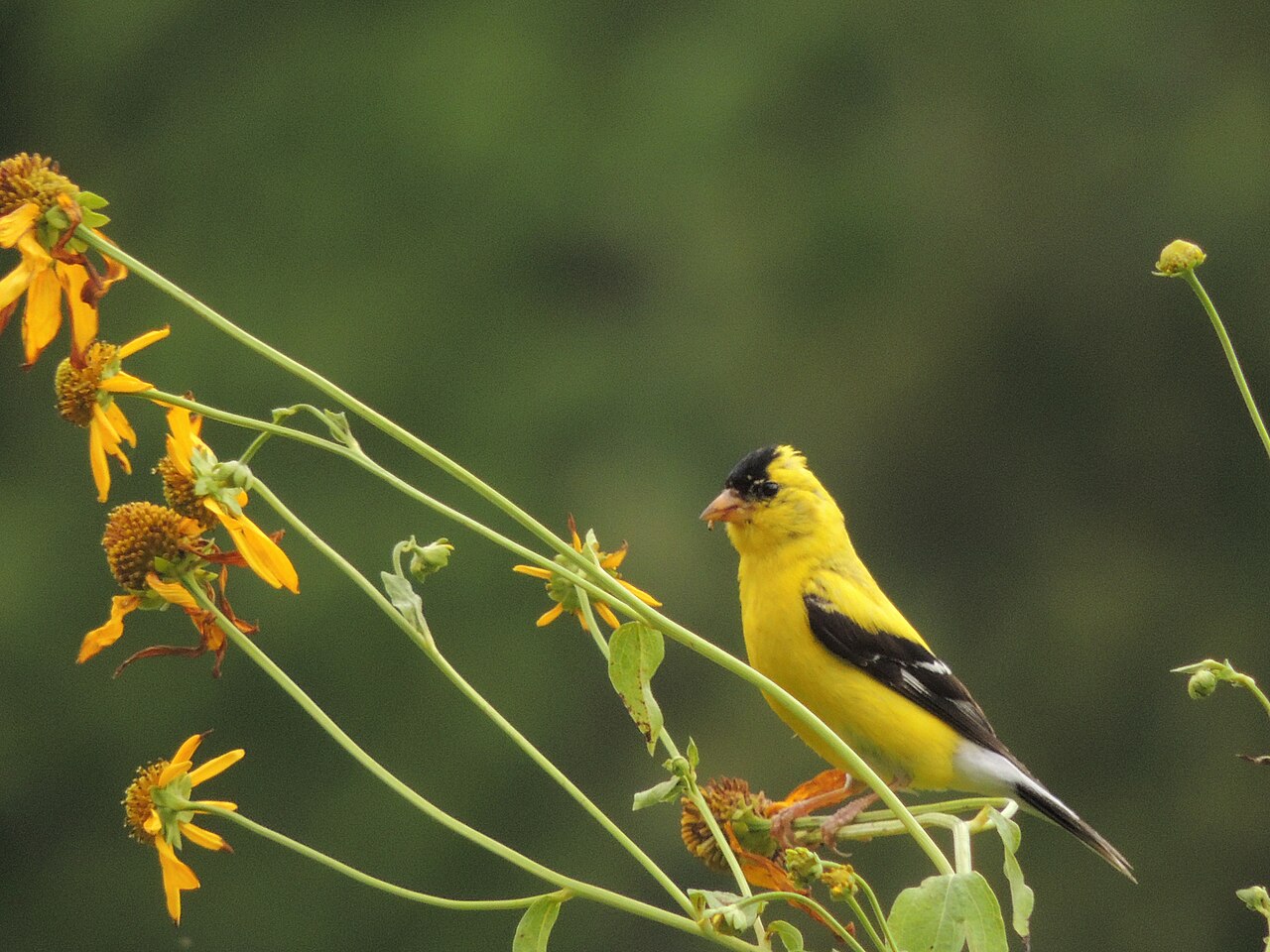
Females are a duller olive-yellow and have no black cap. Female house finches are brown and streaked, which separates them from any goldfinch at a glance.
The yellow warbler (Setophaga petechia) is the common look-alike. It has a thin, insect-eating bill and yellow wings, not black ones. Finches and sparrows differ in bill shape and streaking, a useful check for a drab winter goldfinch.
Nyjer or hulled sunflower feeders draw goldfinches, and a shallow water dish keeps them around. The Cornell Lab American Goldfinch guide has range maps and call recordings.
Frequently Asked Questions
How rare is it to see a yellow finch?
Not rare. Partners in Flight estimates about 42 million American goldfinches, and they are regular feeder birds across most of the US. Many stay year-round, while northern birds shift south in winter. A sighting still feels special because the bright summer males stand out so clearly against green leaves.
Why does my yellow finch look brown in winter?
Male American goldfinches molt into dull olive-brown plumage in fall and turn bright yellow again by spring. The bird at your feeder in January is the same species in winter dress. The black wings with white bars stay visible all year and confirm the identification.
What does a lesser goldfinch mean spiritually?
The lesser goldfinch is read as the desert form of the same joy, a bright bird that thrives in dry Southwest country. It is a western US species with a darker back and bright yellow underparts.
What does the goldfinch mean in Fabritius’s painting The Goldfinch?
Captivity and fragility. Carel Fabritius painted a pet goldfinch chained to its feeding box in 1654, and the work hangs in the Mauritshuis in The Hague. The painting is usually read as a study of a captive pet bird, and it carries no Passion scene like the Renaissance Madonnas.
Is the goldfinch mentioned in the Bible?
No. The goldfinch never appears in Scripture. Its Christian meaning comes from medieval legend and from more than 400 devotional paintings, most of them Italian, made between the 1300s and 1600s.
Sources
- Cornell Lab of Ornithology, American Goldfinch Overview
- Cornell Lab of Ornithology, American Goldfinch Identification
- Cornell Lab of Ornithology, Lesser Goldfinch Overview
- National Audubon Society, American Goldfinch Field Guide