Alpaca Sounds: 6 Calls and What Each One Means
Alpacas make a soft, nasal humming sound almost constantly, and that hum is the answer to what an alpaca sounds like most of the time. It is closer to a questioning “mmm” than to a sheep’s bleat, quiet enough that a herd 50 ft (15 m) away can be easy to miss.
The rest of the vocabulary is small but specific: a handful of calls cover alarm, courtship and motherhood, and each sounds nothing like the others.
Alpacas hum as their everyday contact call, signaling curiosity, contentment, mild stress or a mother checking on her cria. They also give a high shrieking alarm call for predators, males orgle during breeding, and alarmed animals cluck or snort. Screaming is rare and signals real distress or pain.
| Sound | What it sounds like | What it means |
|---|---|---|
| Hum | Soft nasal “mmm” | Contact, curiosity, mild worry |
| Alarm call | High staccato shriek or whinny | Predator or stranger spotted |
| Orgling | Warbling gargle, continuous | Male breeding call |
| Clucking | Soft tongue clicks | Friendly concern, often a mother |
| Snorting | Short air blast through the nose | Back off, mild annoyance |
| Screaming | Loud, harsh, sustained | Fear, pain, serious distress |
Why Do Alpacas Hum?
Alpacas hum to stay in contact with the herd, and the meaning shifts with pitch and context rather than with the sound itself. A low, even hum from a grazing animal is contentment. A rising, questioning hum usually means curiosity or mild anxiety, and it is the sound most visitors hear when they walk up to a fence.
Mothers hum to their crias constantly and the cria hums back, which is how the pair keeps track of each other. Alpacas also hum when tired, hungry or being transported, so a herd that suddenly hums more is worth checking on. The bison grunt is the same kind of contact call.
The Alpaca Alarm Call
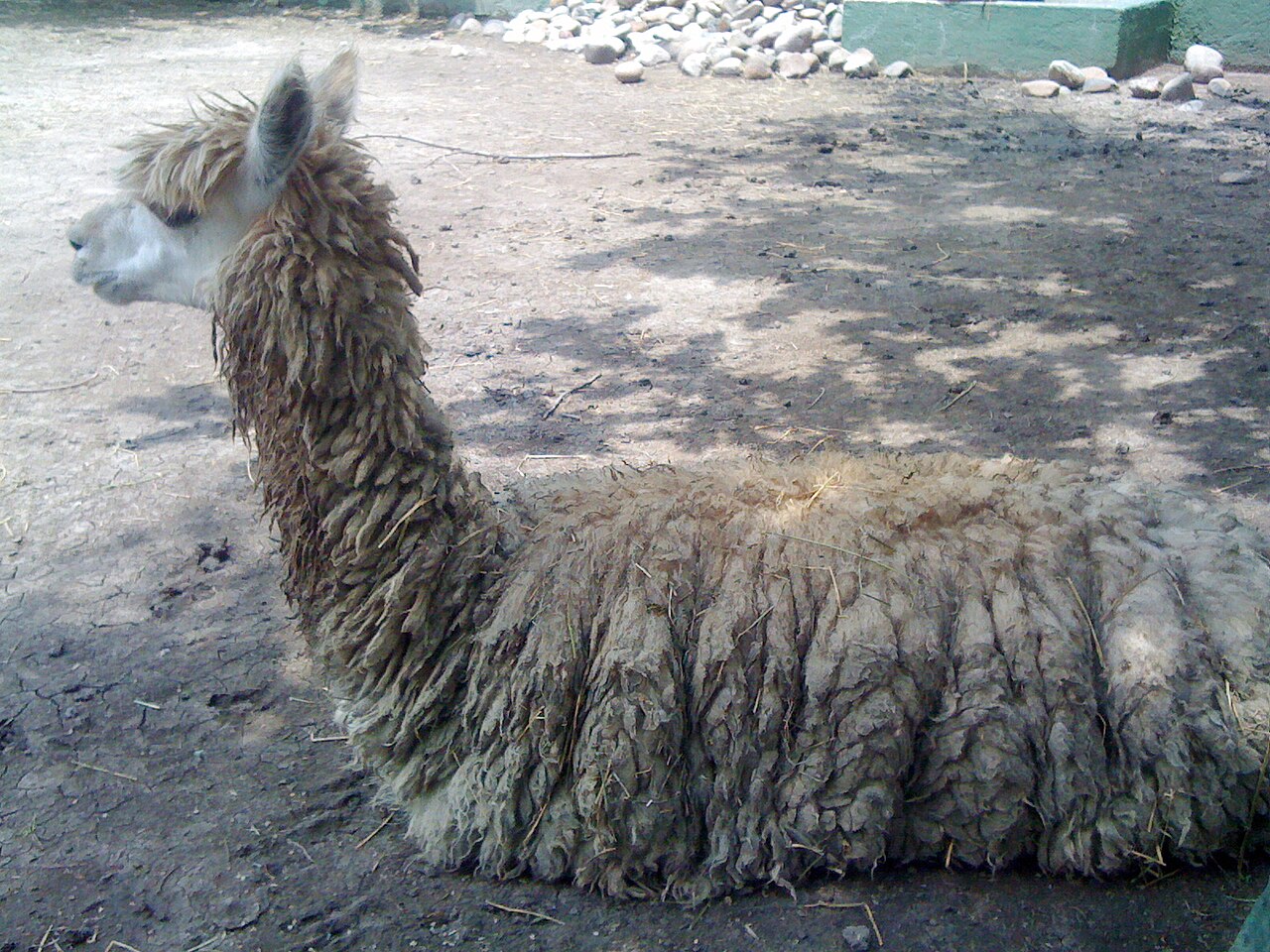
The alarm call is a loud, high pitched staccato shriek, often compared to a rusty hinge, and it carries several hundred yards. One animal starts it, the rest of the herd answers, bunches together and stares in the same direction.
Alpacas raise the alarm for dogs, coyotes, strangers and sometimes a plastic bag in the wind. The call is why guard alpacas are used with sheep and poultry flocks: the noise alone turns a quiet approach into a loud one. A bear or alligator near a pasture produces the same response, though neither is a common alpaca predator in most of the US.
Orgling: The Male Breeding Call
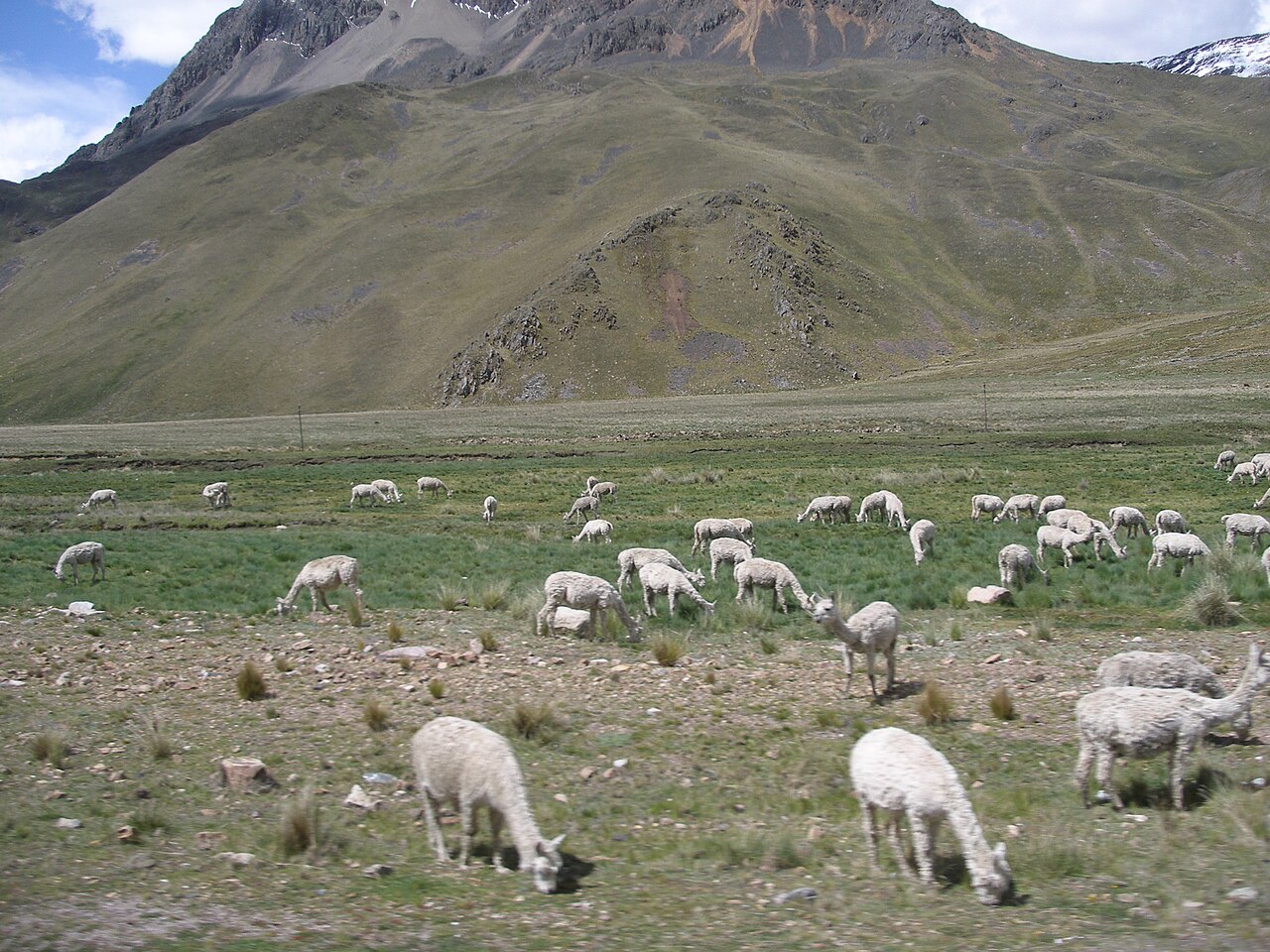
Orgling is a continuous warbling gargle that intact males make while mating, and nothing else in the alpaca repertoire sounds like it. The sound runs for the full length of a breeding, which can last 15 to 30 minutes, and it is loud enough to carry across a farm.
Females are thought to respond to it physiologically, since alpacas are induced ovulators. Geldings almost never orgle, so an orgle in an all gelding pasture usually means a fence has failed.
Cria Calls and Clucking
Crias have a thinner, higher hum than adults and an insistent distress cry when they lose sight of their dam, a rapid rising call that usually brings the mother at a trot. Mothers answer with clucking, a soft series of tongue clicks that signals reassurance and protectiveness. The first weeks of a baby alpaca are the noisiest period in most herds.
Clucking is not limited to mothers: any alpaca may cluck at a herdmate it is concerned about. Annoyed animals snort or spit instead, usually at each other over food rather than at people. For another vocal mammal, see beaver sounds.
Frequently Asked Questions
Do alpacas scream at night?
Rarely. Alpacas are quiet at night and usually cush, or sit folded, in silence. A scream after dark almost always means a predator is at the fence, and an alarm call is the more likely sound. Persistent night noise from a herd is a reason to go out and look, not to wait, though the shriek people blame on alpacas is often one of the barn owl sounds carrying across the same pasture.
Why do alpacas stare at you?
Staring is assessment, not aggression. Alpacas have wide set eyes and excellent distance vision, and a new person is simply a thing to be classified. Staring paired with humming means curiosity; staring with ears pinned back and the head raised high means you are too close.
Will alpacas keep coyotes away?
Often, within limits. A single gelding or female guards sheep and poultry well against one coyote by alarming, charging and stamping. Against a pack, alpacas are unreliable, and guardian dogs are the stronger choice. Two alpacas guard worse than one, since they bond to each other instead of the flock.
Which is meaner, an alpaca or a llama?
Llamas are bolder, alpacas shyer and more likely to retreat. Neither is mean by nature, and both spit mostly at each other. The llama’s willingness to face a threat is why it makes the better guard animal. Husbandry details are covered by Penn State Extension.