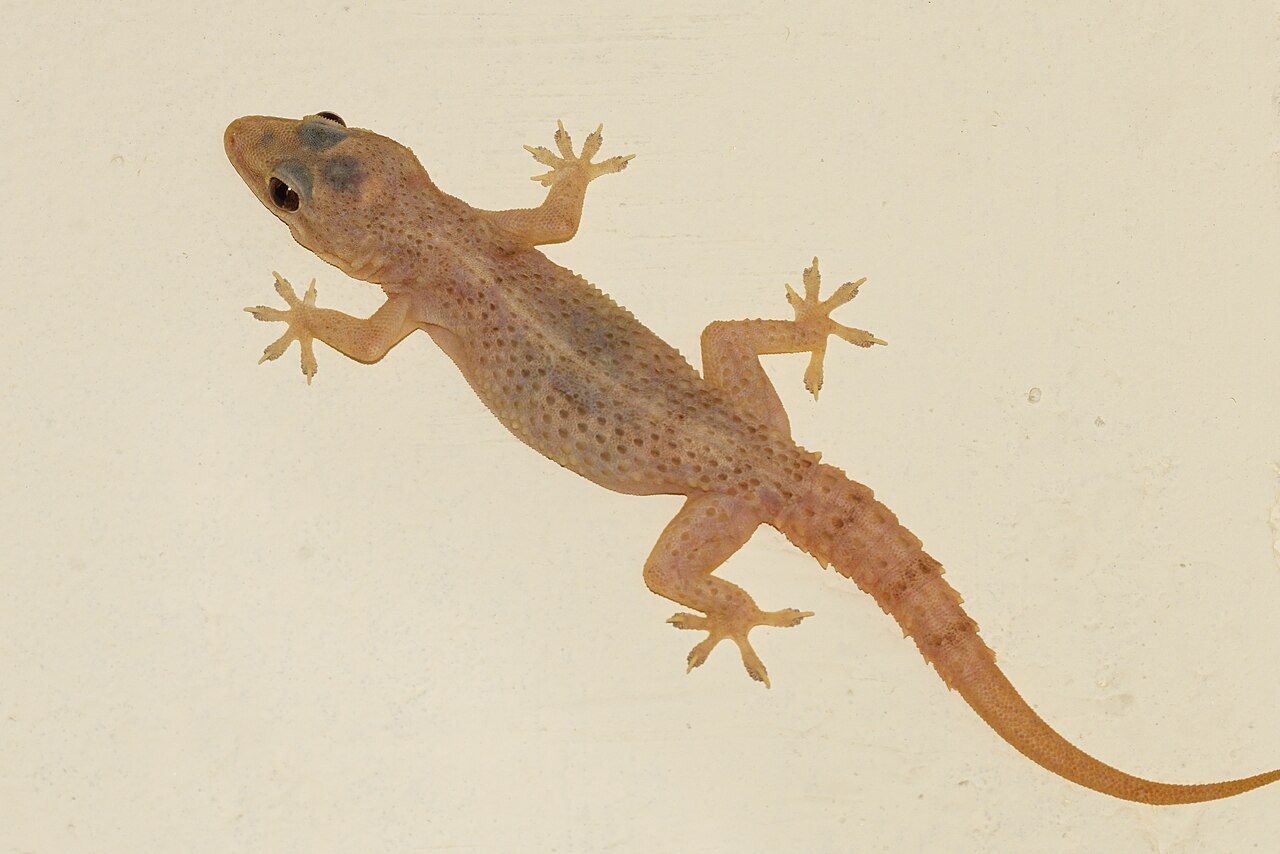
Lizard Poop vs Rat Poop: Size and the White Tip Decide
Size settles this one. Lizard droppings are 1/8 to 1/4 in (3 to 6 mm) pellets with a white tip; rat droppings are 1/4 to 3/4 in (6 to 19 mm) capsules with no white tip at all. If a pellet is longer than a grain of rice and solid dark brown throughout, a rat left it.
The two still get mixed up, mostly in Florida, Texas and California garages where house geckos and roof rats share the same wall space. The difference matters because one finding means sealing a vent and setting traps, and the other means wiping a sill.
Rat droppings measure 1/4 to 3/4 in (6 to 19 mm), are uniformly dark brown to black, and appear in scattered groups along walls and in attics. Lizard droppings measure 1/8 to 1/4 in (3 to 6 mm), carry a chalky white urate cap on one end, contain shiny insect fragments, and pile up in one repeat spot.
| Feature | Lizard droppings | Rat droppings |
|---|---|---|
| Length | 1/8 to 1/4 in (3 to 6 mm) | 1/4 to 3/4 in (6 to 19 mm) |
| White tip | Yes, chalky urate cap | None |
| Shape | Small pellet, one blunt capped end | Capsule or spindle, blunt or tapered ends |
| Contents | Insect wings, legs, beetle shells | Ground food, paper, insulation fiber |
| Where | Window sills, door frames, garage walls | Attics, behind appliances, along wall bases |
| Other signs | None, no damage | Gnaw marks, grease rub marks, urine odor |
Lizard droppings vs rat droppings at a glance
Put the two side by side and three things separate them. Length is the first: a common house gecko (Hemidactylus frenatus) pellet fits inside a roof rat pellet two or three times over. Norway rat (Rattus norvegicus) droppings are larger still at 1/2 to 3/4 in (12 to 19 mm) with blunt, almost rectangular ends.
The second is the white cap. Reptiles excrete uric acid, which dries into the chalky tip stuck to one end of the dark pellet. No rat dropping has it, at any age or on any diet. The third is content: crush the pellet and lizard droppings glitter with insect chitin, while rat droppings crumble into dull ground material.
What can be mistaken for rat poo?
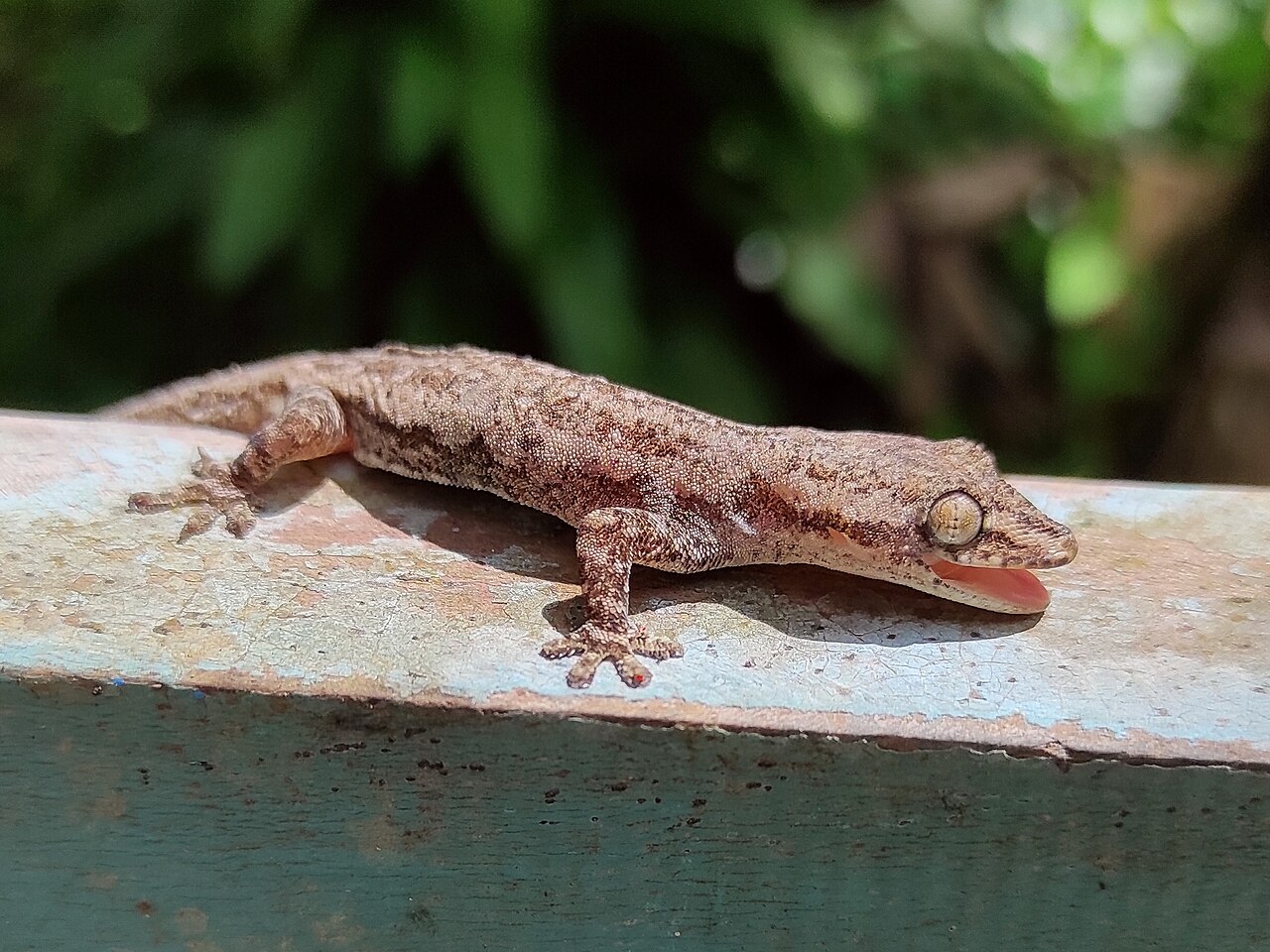
Four things, in order of how often it happens. Squirrel droppings are the closest match in size at 3/8 in (8 to 10 mm) but are rounder at the ends and fade from dark brown to tan as they weather. Bat guano is about the same length as mouse droppings and crumbles to glittering powder, because it is almost pure insect fragments.
Large cockroach droppings form ridged cylinders that stay under 1/8 in (3 mm), and lizard droppings get called rat droppings mostly when people see a pile rather than a single pellet. The size rule holds in all four cases: if it is under 1/4 in (6 mm), a rat is not the source. See squirrel droppings vs rat droppings for the hardest of the four.
Where you find each one
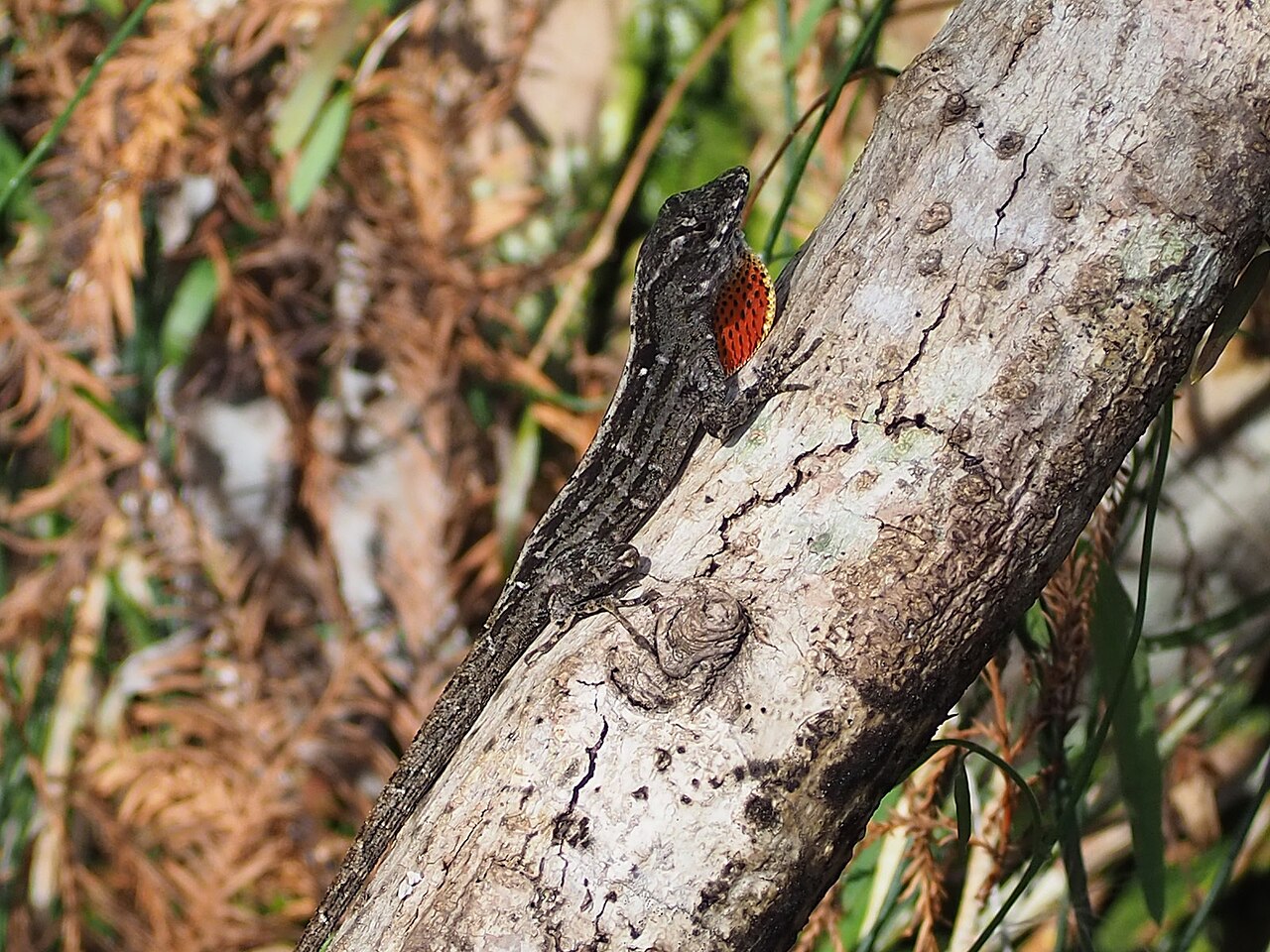
House geckos climb toward light and the insects it attracts, so their droppings collect on window sills, on the upper edge of door frames, on exterior walls near a porch bulb and on garage walls under a fixture. Geckos also use latrines, returning to the same spot for weeks, which produces a tidy pile of a dozen pellets with clean floor all around it.
Rats travel on the ground and along rafters. Their droppings appear in attic insulation, behind the stove and refrigerator, in the back of low cabinets, along the base of walls and inside stored boxes, scattered rather than stacked. A rat also leaves grease smears where its fur rubs a surface repeatedly, plus gnaw marks on wood, wire and plastic. Full details in our guide to rat droppings.
Lizard poop vs mouse poop
This is the harder comparison, because house mouse (Mus musculus) droppings share the 1/8 to 1/4 in (3 to 6 mm) range with lizard pellets. Size is no help here, so the white tip does the work: mouse droppings are the same color from end to end, and taper to a point at both ends rather than carrying a blunt capped end.
Volume is the backup clue. One mouse drops 50 to 75 pellets a night along its runways, while a gecko drops a few in one place. A wide scatter across a drawer or pantry shelf is rodent. The detailed comparison is in lizard droppings vs mouse droppings, and lizard droppings covers species differences.
Bat poop vs rat poop
In attics these two share the same ceiling, and the pile under a roost gets called rat droppings more often than not. Bat guano runs 1/4 to 1/2 in (6 to 13 mm), the same range as roof rat pellets, and it is equally dark when fresh.
The test is pressure. Guano is almost pure insect exoskeleton, so it crushes into a glittering powder between two fingers, while a rat pellet resists and then breaks into dull chunks. Guano also accumulates in a cone directly below one spot, since bats return to the same roost nightly, whereas rat droppings spread along a travel route. Dry bat guano carries Histoplasma capsulatum spores, so large attic deposits are a respirator job, not a broom job.
Do all rat droppings carry hantavirus?
No. In the United States the hantavirus that causes hantavirus pulmonary syndrome is Sin Nombre virus, and its reservoir is the deer mouse (Peromyscus maniculatus), not rats. Norway rats can carry a different hantavirus, Seoul virus, which the CDC documented in US rat-breeding facilities, but it is rare and milder.
What rat droppings do carry regularly is Salmonella, Leptospira and the organisms behind rat-bite fever, and the urine that soaks the same material spreads leptospirosis. So treat the droppings as infectious without assuming hantavirus. The comparison with the species that does carry it sits in rat droppings vs mouse droppings.
How do I get rid of lizard droppings?
Wear disposable gloves, spray the pellets with a household disinfectant or a mix of 1 part bleach to 10 parts water, and let it sit for five minutes before you wipe. Never sweep or vacuum dry droppings of any kind, because that puts particles into the air you breathe. Bag the towels, then wash your hands.
Removing the cause takes two steps. Switch the porch light to a warm yellow bulb so it draws fewer moths, and seal the gaps around window frames, vents and door sweeps with 1/4 in (6 mm) mesh or caulk. The gecko follows its food, so once the insects stop gathering, the latrine spot goes cold within a week or two. Frog droppings vs lizard droppings covers the other small insect eater that leaves pellets indoors.
Frequently Asked Questions
Is lizard poop dangerous to humans?
The droppings can carry Salmonella, which reptiles shed in their feces without being sick themselves. Transmission needs hand-to-mouth contact, so gloves and handwashing remove nearly all of the risk. Children under five and anyone with a weakened immune system should not handle the cleanup at all.
What are three signs that you have a rat infestation?
Droppings over 1/4 in (6 mm) in groups, gnaw marks on wood, wiring or food packaging, and greasy dark rub marks along walls where rats run the same route nightly. Add scratching sounds in walls or ceilings after dark, and a musky ammonia odor in enclosed spaces.
Is cleaning rat droppings toxic?
Not toxic, but it is an exposure risk if you do it dry. Sweeping or vacuuming sends bacteria and virus particles into the air. Spray first, wait five minutes, wipe with paper towels, wear gloves and an N95 respirator in attics and crawl spaces where droppings have accumulated.
Which U.S. states have the hantavirus?
Cases have been reported in most states, but the great majority come from the Four Corners region and the West: New Mexico, Colorado, Arizona, Utah, California, Washington and Montana. The pattern follows deer mouse habitat, which means rural cabins, sheds and outbuildings rather than city apartments.
Lizard droppings vs rat droppings vs mouse droppings, which is which?
Measure, then look for the cap. Under 1/4 in (6 mm) with a white tip is a lizard. Under 1/4 in (6 mm) with pointed ends and no cap is a mouse. Over 1/4 in (6 mm) with blunt or spindle ends and no cap is a rat. Bat guano vs mouse droppings covers the fourth lookalike.