Blue Bird with Orange Chest: 6 Species and How to Tell Them Apart
An orange throat means Eastern Bluebird, a blue throat means Western. Six blue birds with orange chests, sorted by a three step field test.
Every guide on The Faunalist in one archive. Browse identification help, species profiles, feeding advice, and regional birding guides for North American backyards.
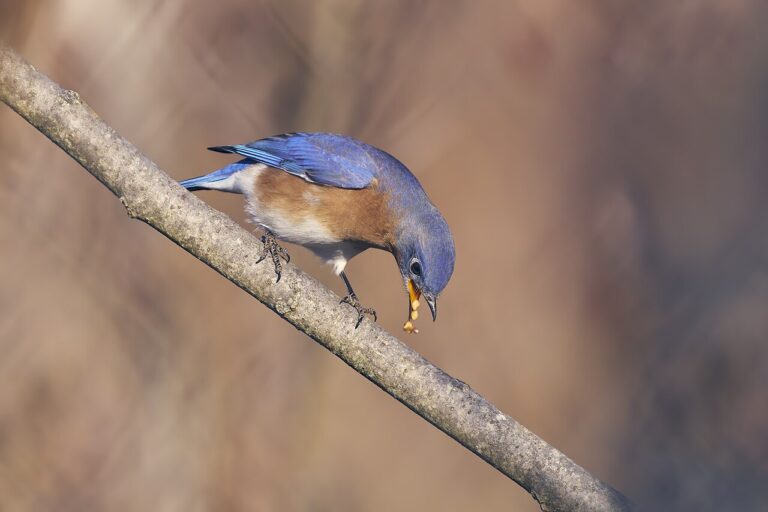
An orange throat means Eastern Bluebird, a blue throat means Western. Six blue birds with orange chests, sorted by a three step field test.
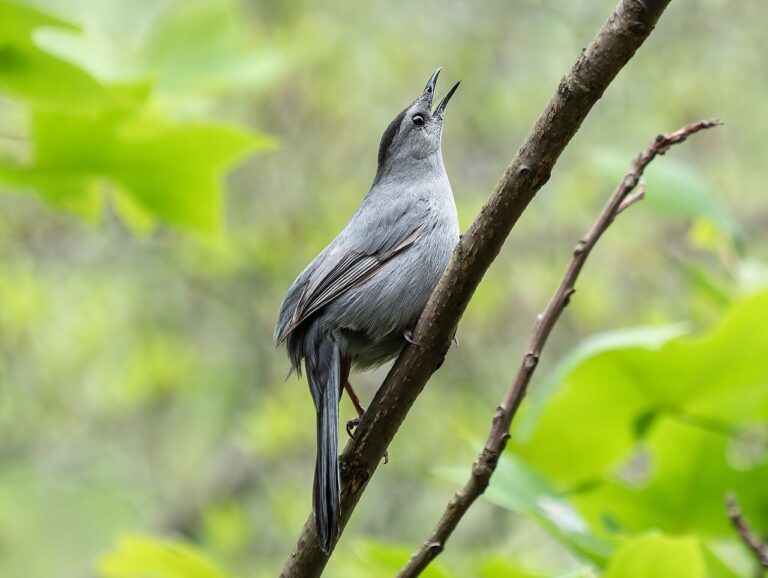
Catbird, mockingbird, mourning dove, and more. How to tell common gray birds apart by size, tail shape, and markings.
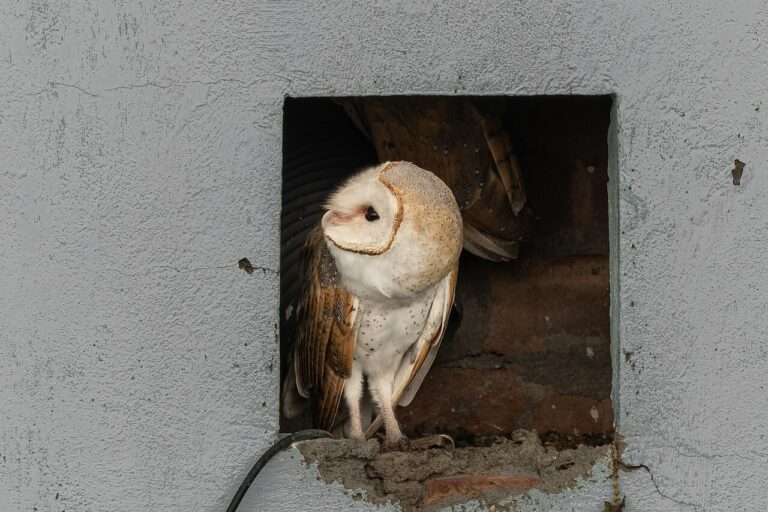
Birds have no ear flaps, but every bird has a funnel-shaped ear opening behind the eye under a patch of special feathers. Where to find it and how well birds actually hear.
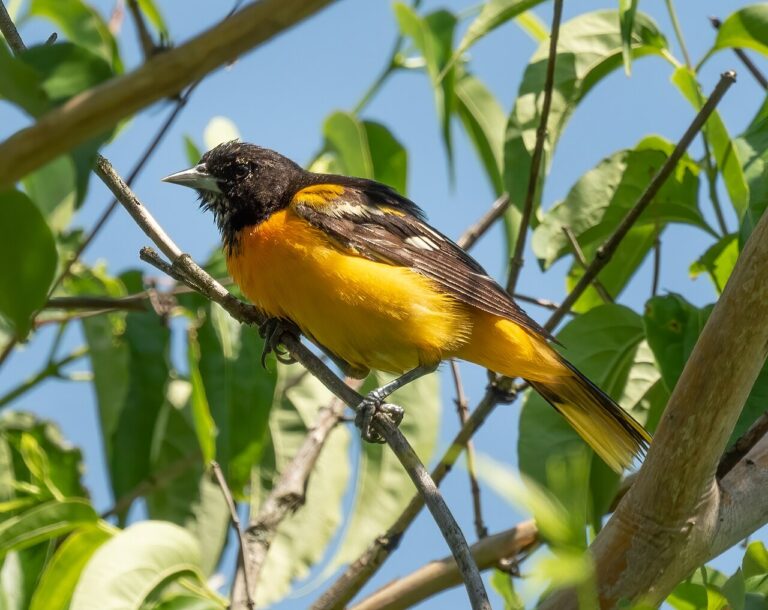
Baltimore oriole, Bullock’s oriole, American redstart, and more. How to identify an orange-and-black bird by range, bill shape, and behavior.
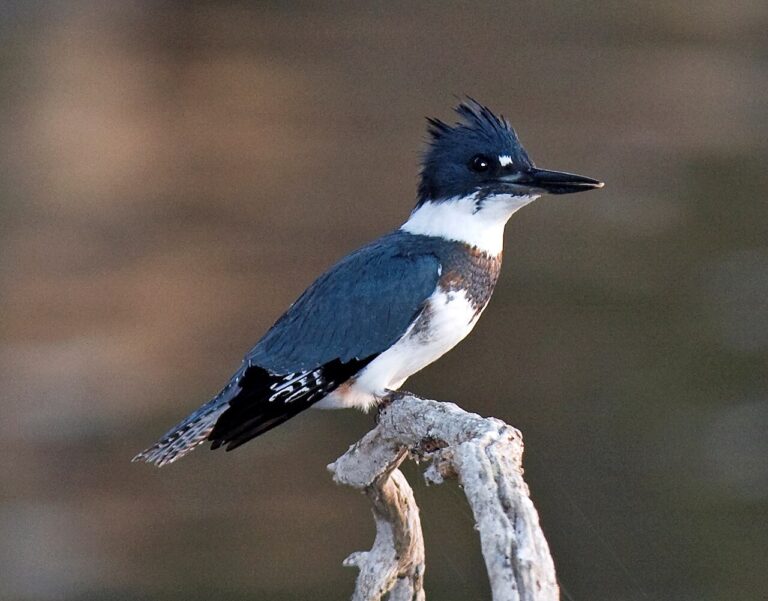
Belted kingfisher, tree swallow, or blue jay, plus why the indigo bunting keeps coming up. How habitat and pattern tell them apart.
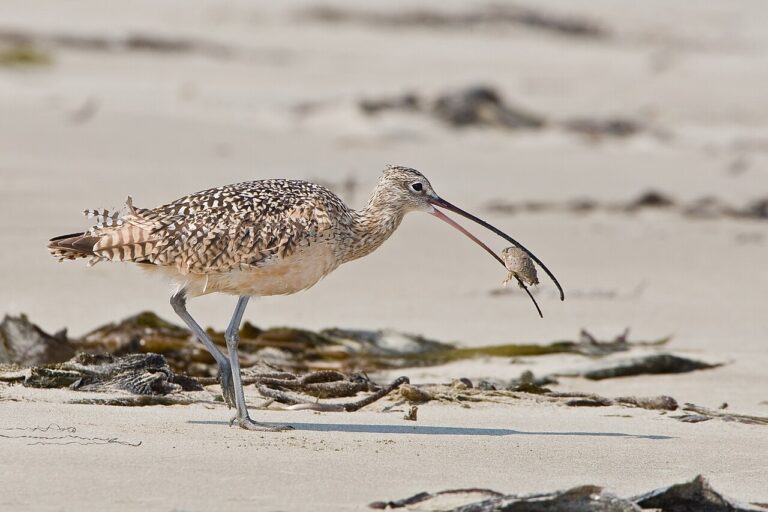
Curlews, herons, kingfishers, and hummingbirds. How beak shape reveals what and how each of these long-billed birds eats.
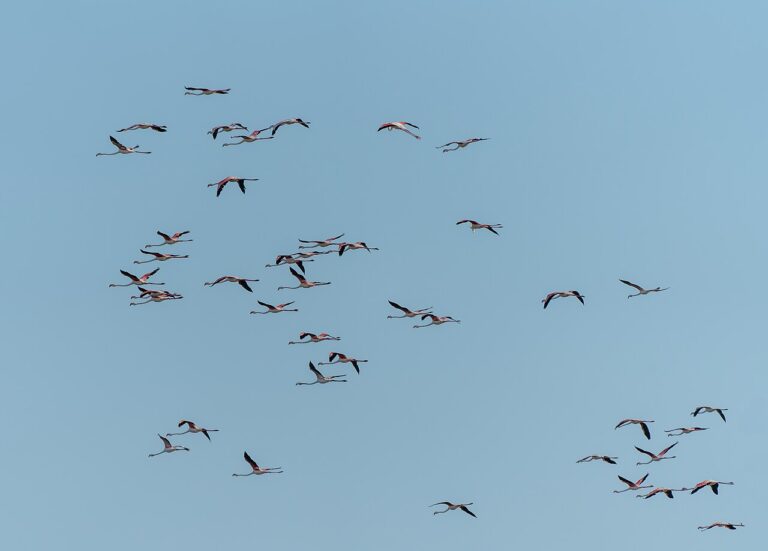
A murder of crows, a parliament of owls, a flamboyance of flamingos. Here is where animal group names came from, which ones scientists use, and which were invented last decade.
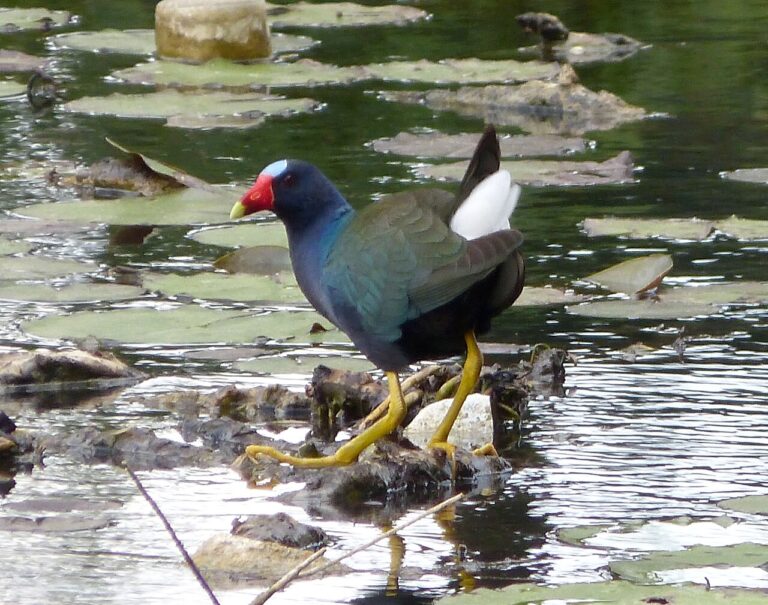
Only one North American bird is genuinely purple. Here is what the Purple Gallinule, Purple Martin, grackles, and hummingbirds actually look like, and why most purple is a trick of light.

46 droppings identified by size, shape, and location, from backyard rodents and birds to reptiles and household pests.
Which birds and animals actually control garden pests, ticks, and mosquitoes, and what preys on snakes in your own backyard.