What Eats What: The Backyard Food Chain Explained
Which birds and animals actually control garden pests, ticks, and mosquitoes, and what preys on snakes in your own backyard.
Every guide on The Faunalist in one archive. Browse identification help, species profiles, feeding advice, and regional birding guides for North American backyards.
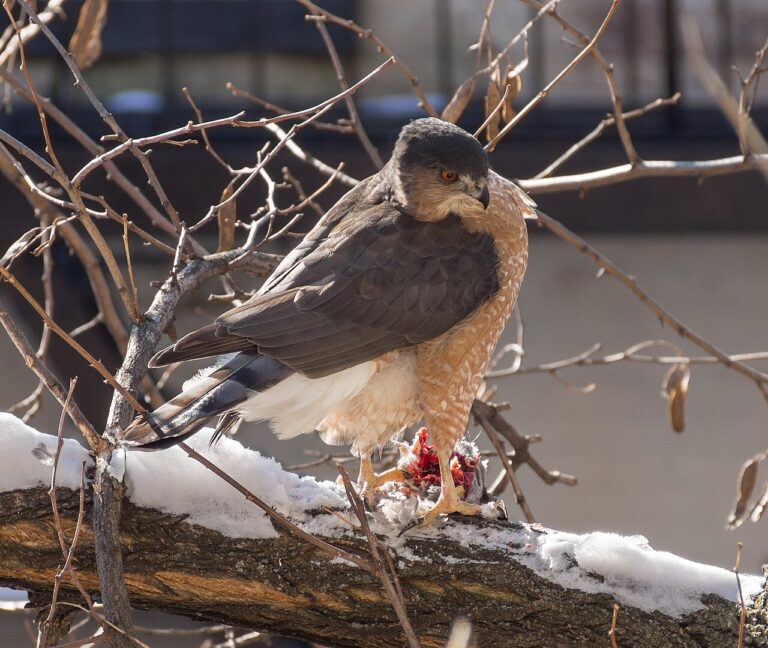
Which birds and animals actually control garden pests, ticks, and mosquitoes, and what preys on snakes in your own backyard.
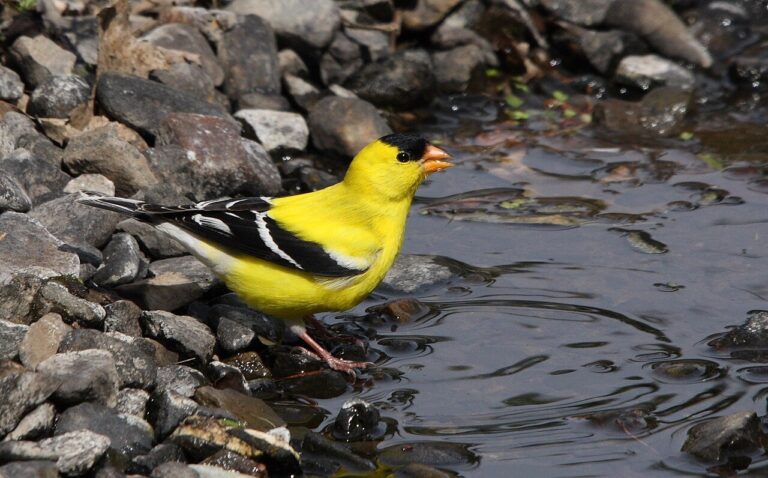
Goldfinch, oriole, meadowlark, or yellow-headed blackbird. How size, habitat, and where the black sits narrow it down in seconds.
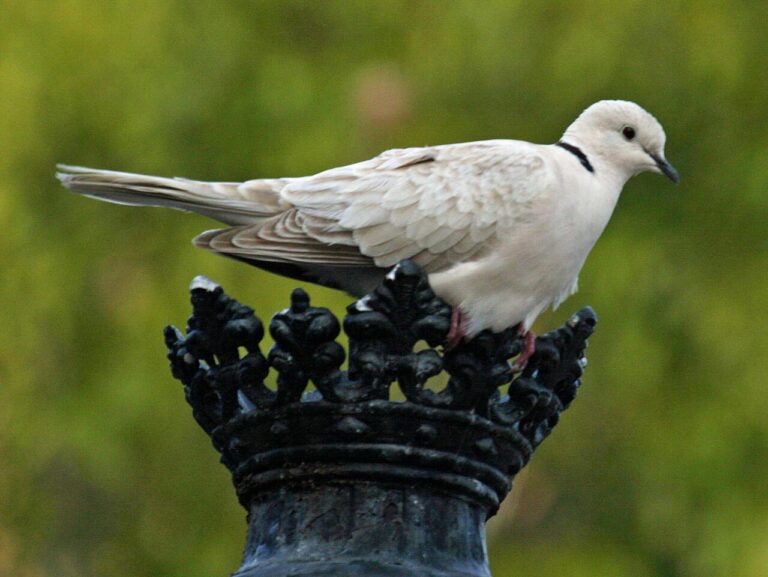
Around 95 percent seed, swallowed whole and ground with grit. What to put out and how, why doves cannot use tube feeders, and the crop milk they feed their young.
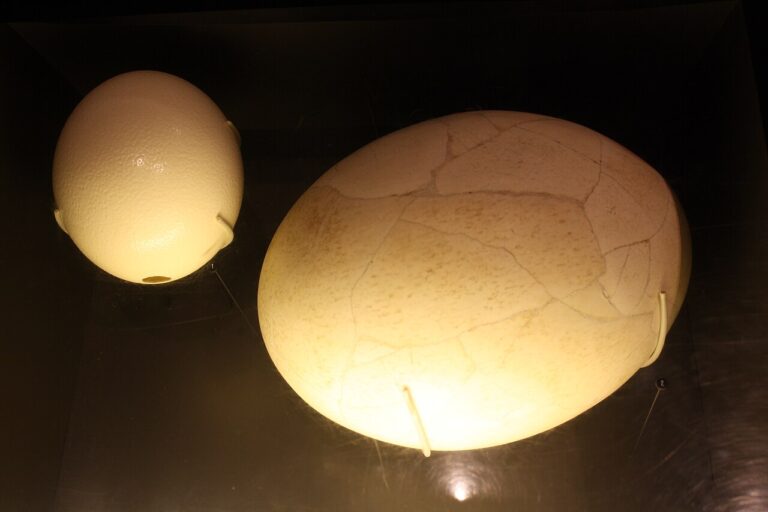
Three pounds, roughly 24 chicken eggs, and a shell you need a drill to open. What they taste like, why they cost so much, and how ostriches actually share a nest.
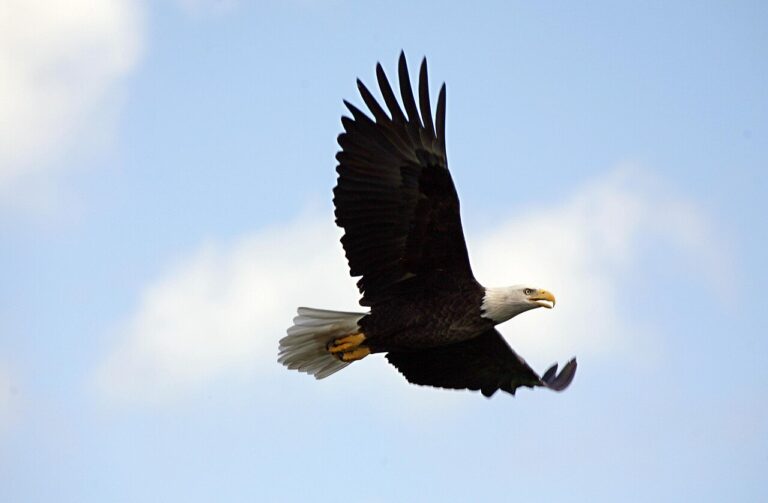
Vision, strength, freedom, and a sacred messenger in many Native American traditions. What the readings rest on, what the law says about feathers, and why film eagles sound wrong.
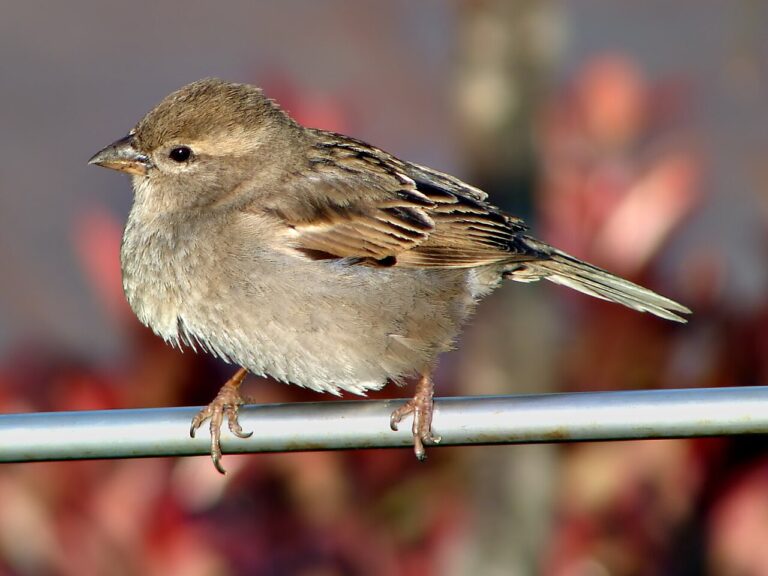
A plain buff-brown bird with a pale eye stripe and clean underparts. How she differs from the male and from a female house finch, and the nest box problem she comes with.
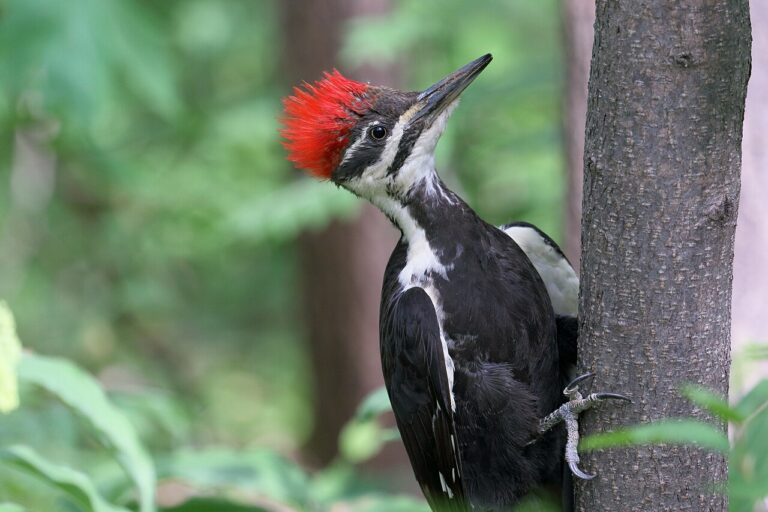
Drumming is a territorial signal, not feeding. How to tell drumming from excavation, identify species by call and drum pattern, and stop a bird hammering your gutter.
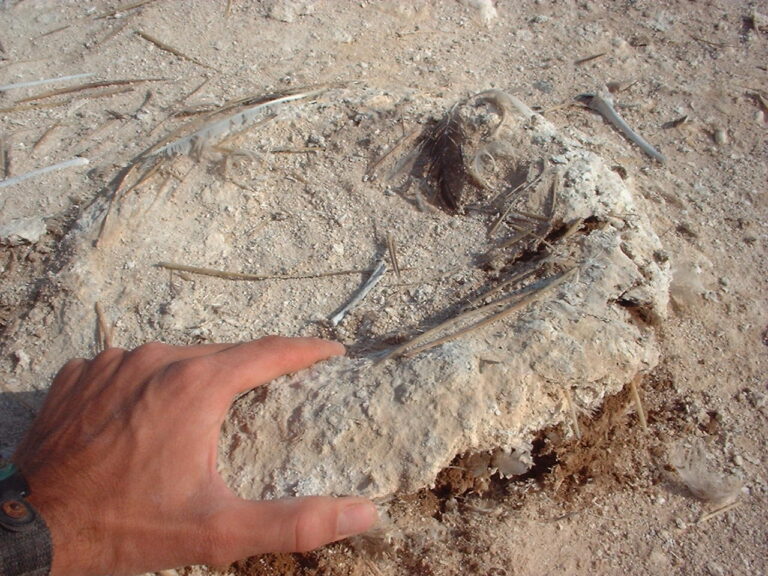
The white part is urine, not poop. Why birds excrete uric acid instead of urea, what the colours mean, the health risk, and why it wrecks car paint so fast.
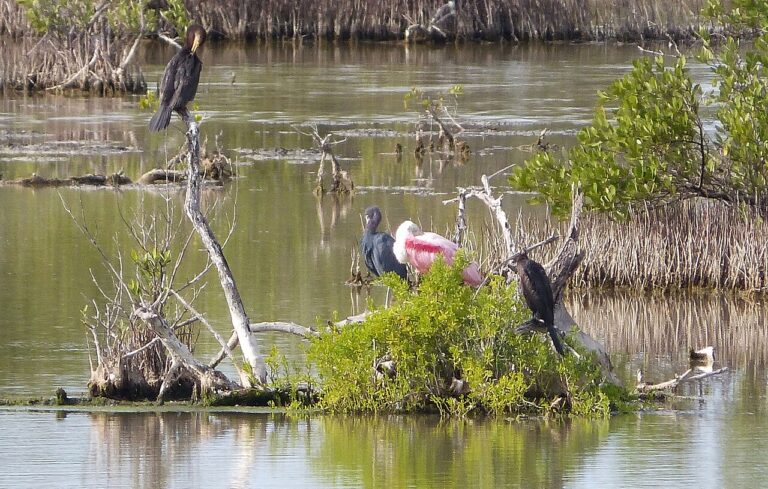
Flamingo or roseate spoonbill are the two truly pink species, plus rosy-toned finches. How to tell them apart and why the color comes from diet, not pigment.
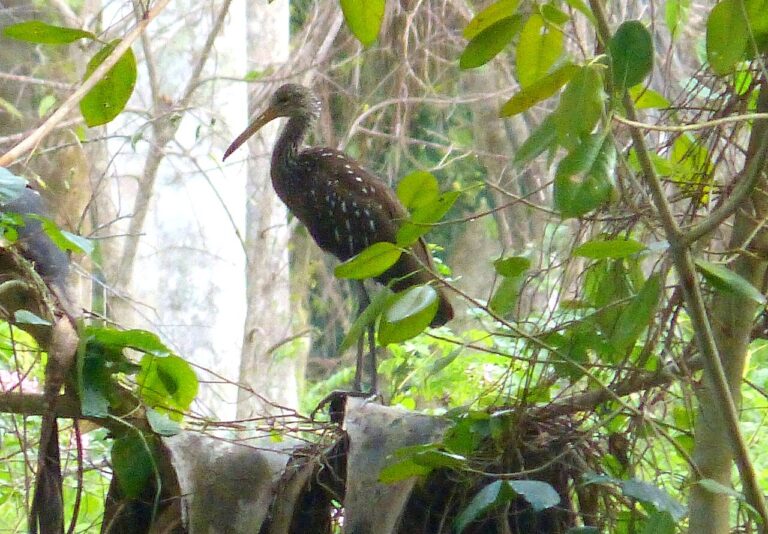
Thrushes smash shells on stone anvils, crows drop them from height, and snail kites extract them intact. Which birds eat snails, and why laying females need the shells.