Northern Mockingbird Sound: The Three-Repeat Rule Explained
Mockingbirds repeat each copied phrase three to six times, and that rule identifies them by ear. What the song means, why they sing at night, and lookalikes.
Every guide on The Faunalist in one archive. Browse identification help, species profiles, feeding advice, and regional birding guides for North American backyards.
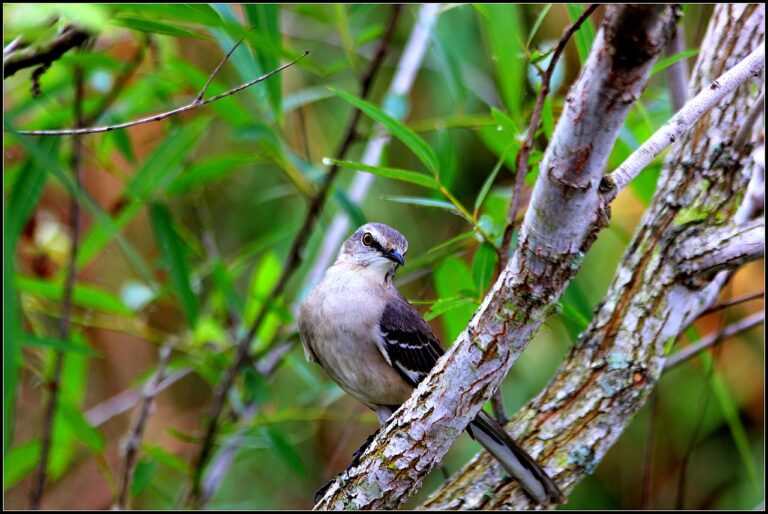
Mockingbirds repeat each copied phrase three to six times, and that rule identifies them by ear. What the song means, why they sing at night, and lookalikes.
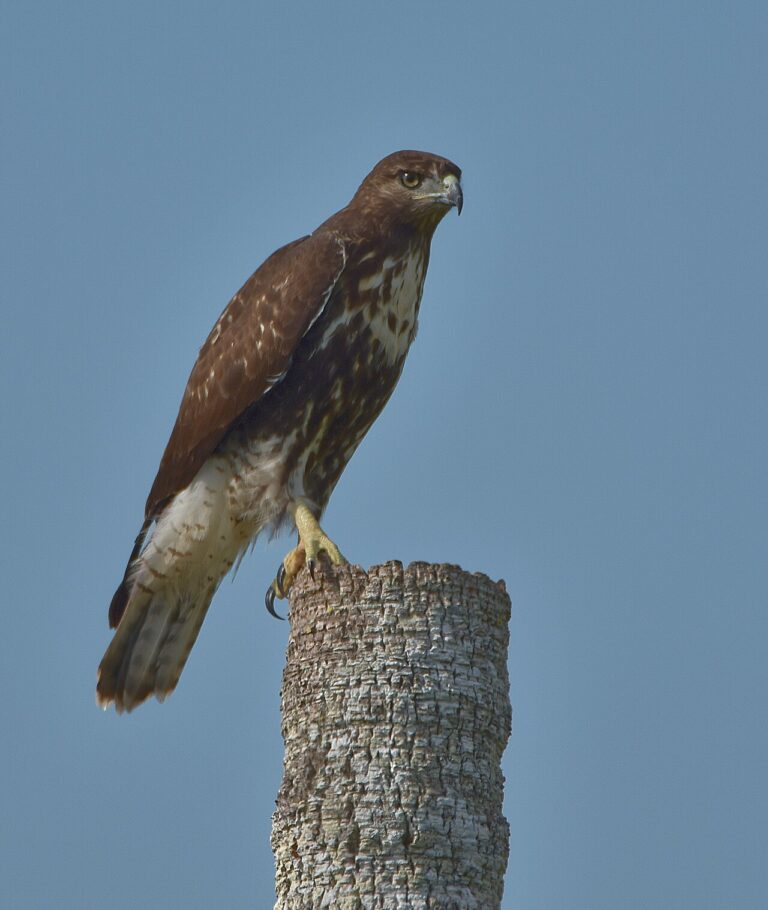
That famous eagle scream in movies is a Red-tailed Hawk. Here is what the real call sounds like, why hawks scream, and how to separate it from other raptors.
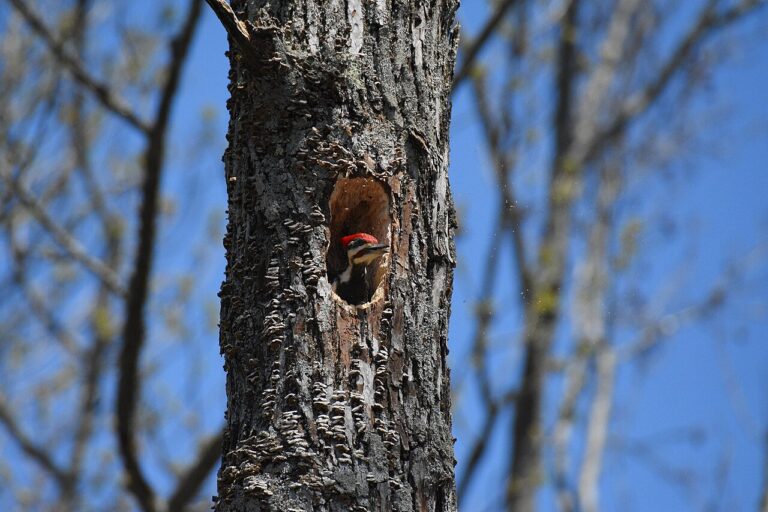
The loud rolling wuk-wuk-wuk of a pileated woodpecker carries half a mile. Here is how to tell its call, drum, flight note and nest noise apart.
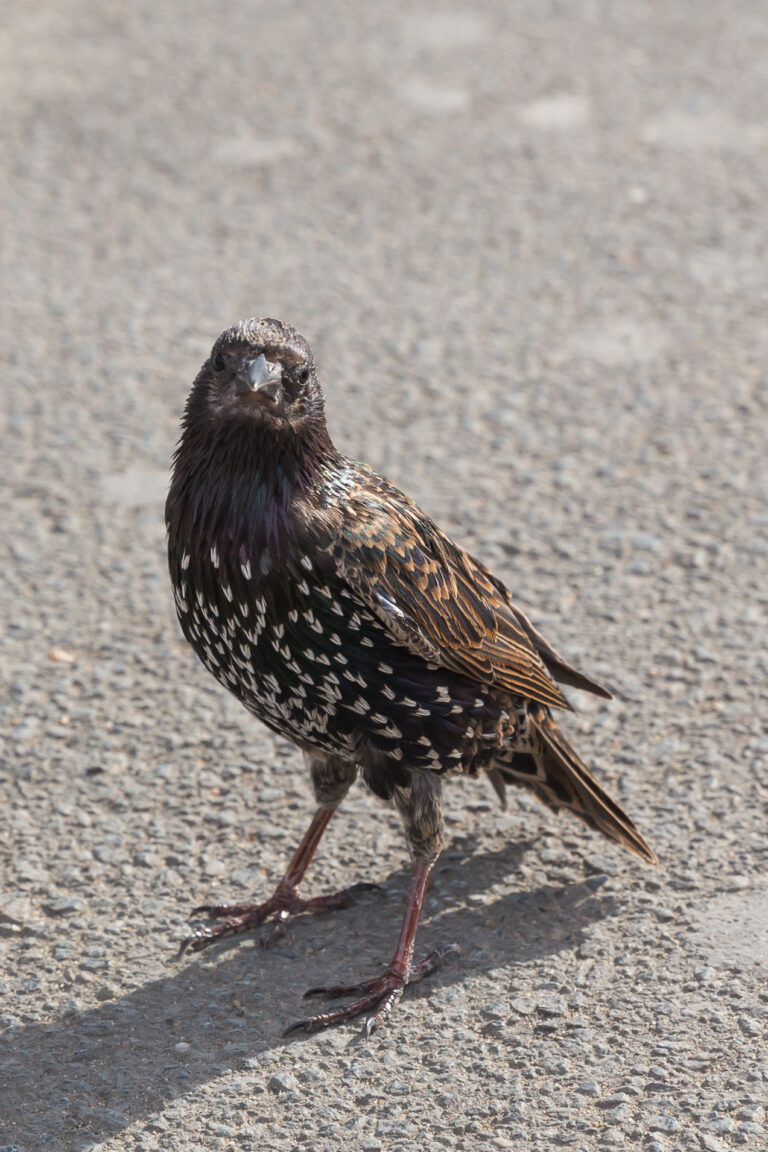
Starlings whistle, rattle, click and copy everything from hawks to car alarms. Here is what each starling sound means and which birds get mistaken for them.
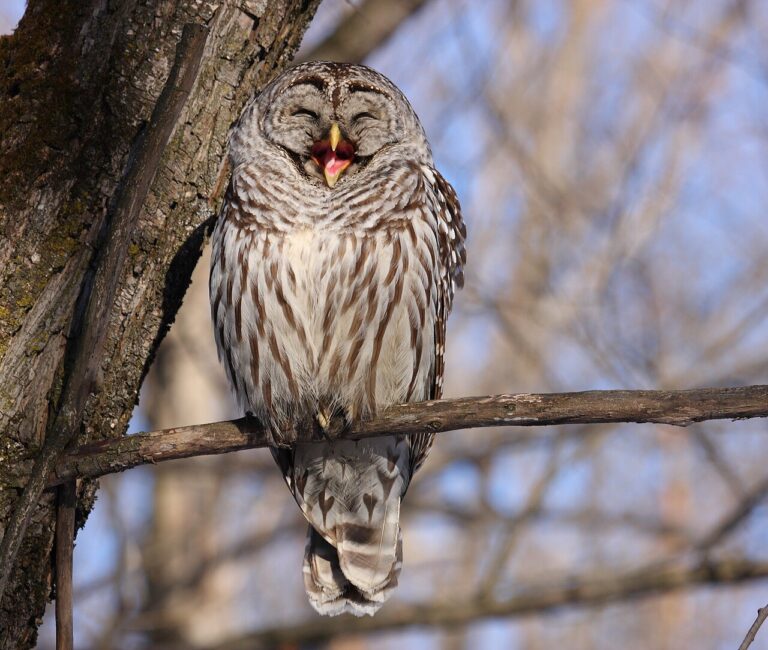
Who cooks for you is only the start. Barred owls also bark, gurgle and scream like monkeys. Here is every barred owl sound and what the bird is saying.
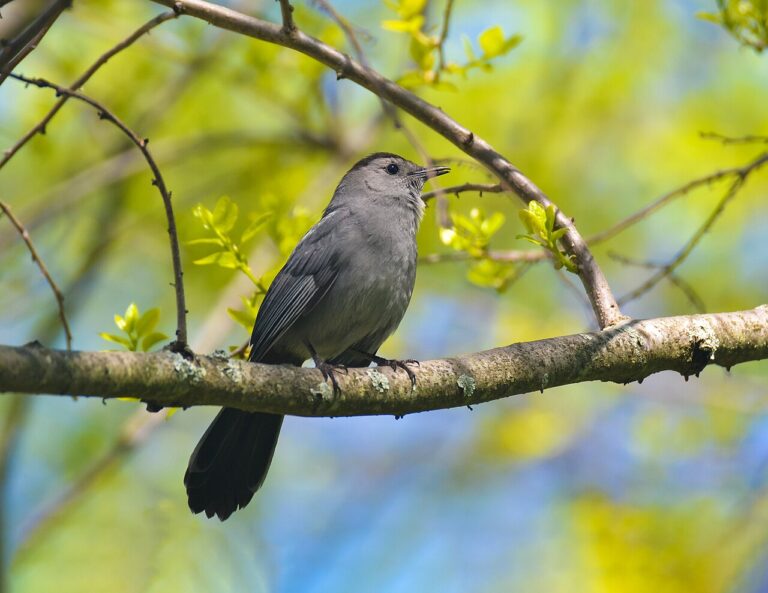
The gray catbird mews like a cat and then sings a rambling song that never repeats a phrase. Here is the full catbird sound repertoire and how to identify it.
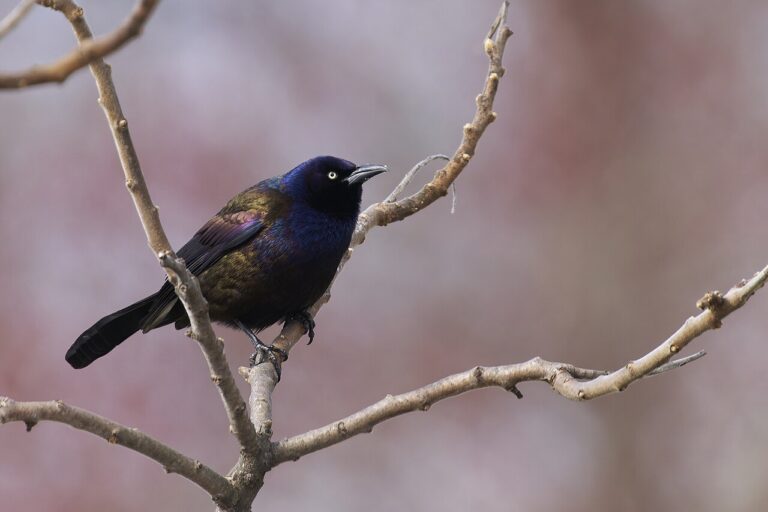
Grackles squeal like an unoiled hinge, and each of the three US species has its own voice. Here is what every grackle sound means and how to tell them apart.
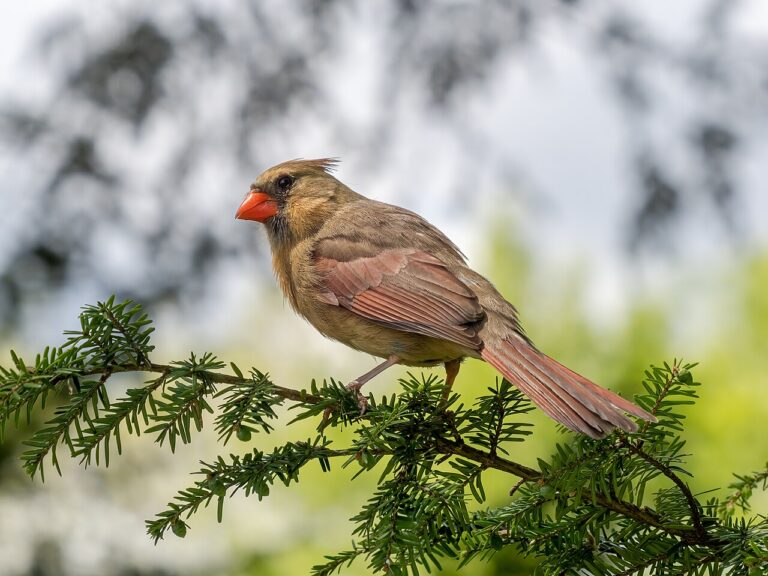
A cardinal sound is either a loud slurred whistle or a sharp metallic chip. Here is what each one means, and why the pew pew bird is a cardinal.
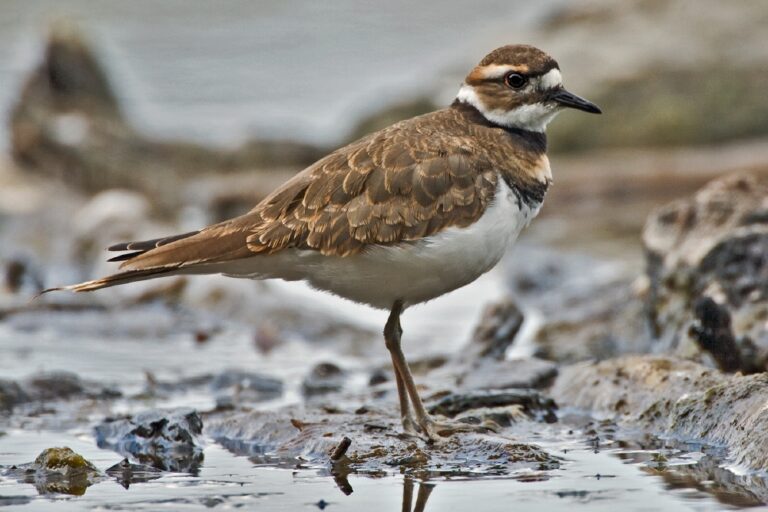
The killdeer sound is a piercing kill-deeah repeated over gravel lots and ballfields, day and night. Here is what each version of the call means.
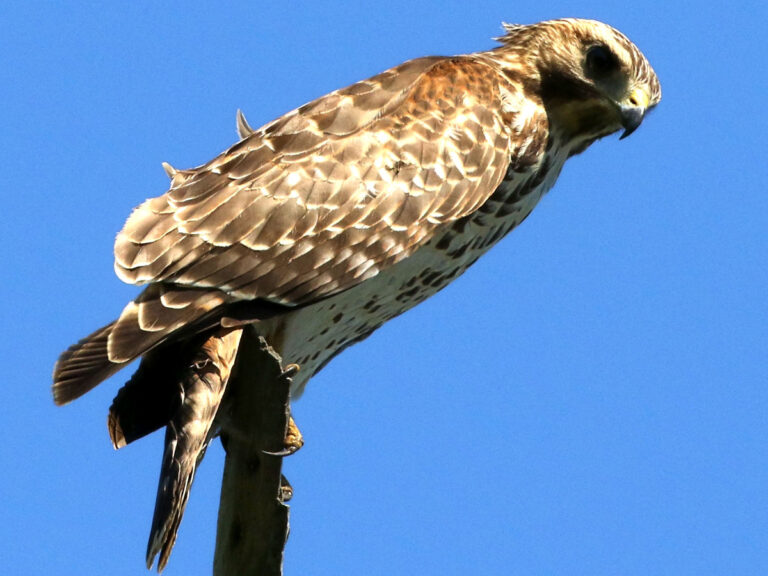
The famous hawk scream belongs to the Red-tailed Hawk, not the Bald Eagle. Here is how to match every common hawk sound to the bird that made it.