Dead Pigeon Meaning: Bad Omen? What the Spot Reveals
The dead pigeon meaning is an ending, not a curse. A bird that stands for home and peace has died close to where you live, so the sign points at your home life and asks you to restore calm there. Finding one on your balcony or doorstep feels personal for exactly that reason.
A dead pigeon marks a closing chapter at home. On the balcony it points to your rest, on the doorstep to the whole household, inside or at the window to private life, on the car or road to your direction, and in the pool or yard to family emotions.
What Does a Dead Pigeon Mean Spiritually?
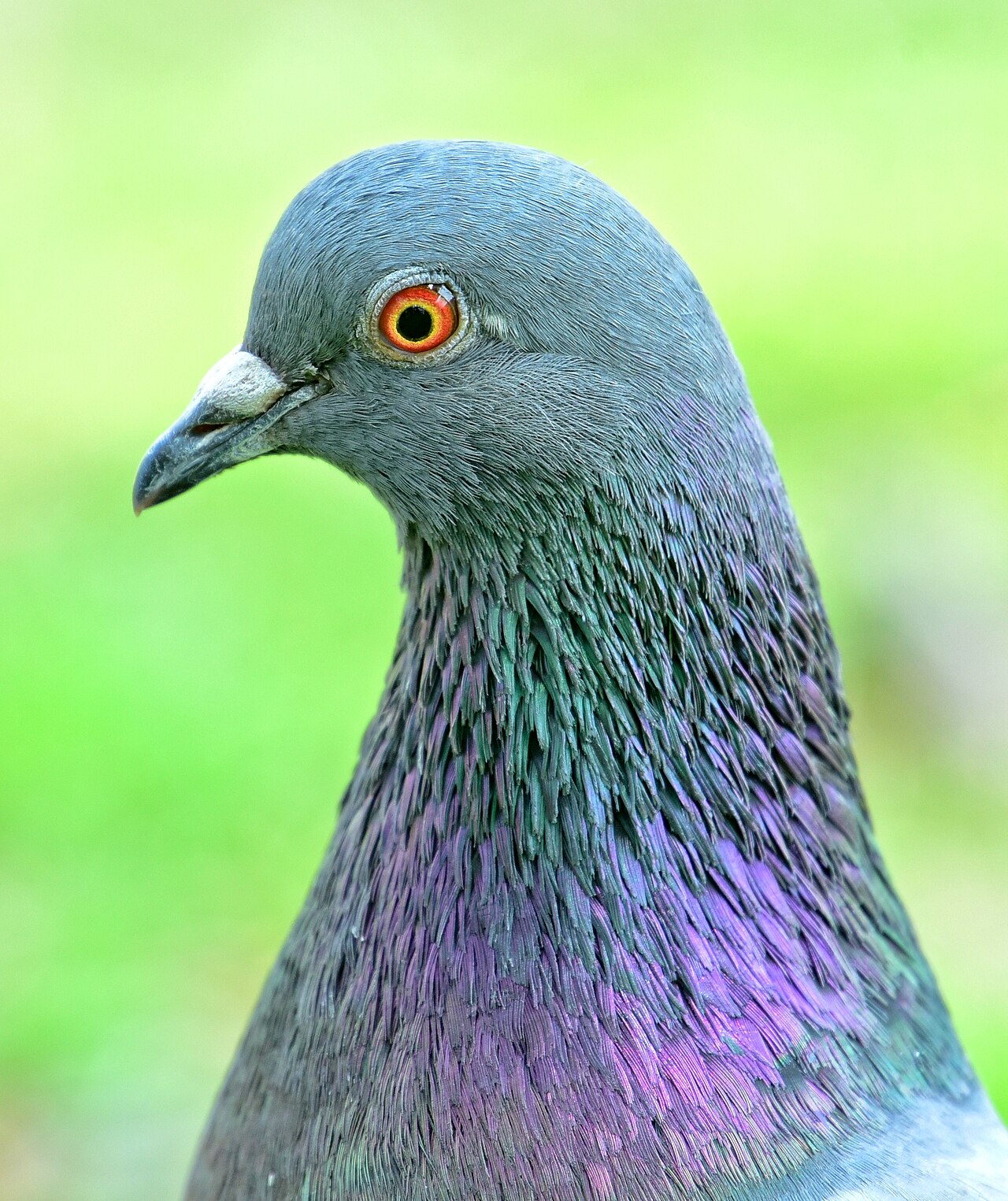
A dead pigeon means a phase is closing, most often a chapter tied to your home or a close relationship. The rock pigeon (Columba livia) stands for home, peace and loyalty in life, so its death touches exactly those themes. Pigeon symbolism centers on return and belonging, and the dead bird turns that theme toward its end.
The homing instinct adds a second layer. A pigeon finds its way back over long distances, so one that dies near you points to a return left unfinished. A call, a visit or a promise you never kept fits this reading.
Pigeons often stay with one mate for years. A dead pigeon near your home can point to a bond under strain. The sign does not end the bond. It asks you to tend it.
Dead Pigeon Meaning on the Balcony, Doorstep, Car and More
Where you find the dead pigeon tells you which part of life the ending touches.
Dead Pigeon on the Balcony. A balcony is your private retreat. A dead pigeon there asks you to protect your rest and hold firmer boundaries with the people who drain it.
Dead Pigeon on the Doorstep or Porch. The doorstep is the threshold of the household. A pigeon here marks change arriving for everyone under your roof, a new phase starting at the door.
Dead Pigeon Inside the House or at the Window. A pigeon inside or below a window points to private life, the matters you keep from view. A bird hitting your window points to news about to reach the household.
Dead Pigeon on Your Car or the Road. A car stands for direction. A dead pigeon on the hood or in your lane points to a job, a move or a path you are reconsidering.
Dead Pigeon in the Pool or Yard. Water and lawn belong to family time. A pigeon here says emotions at home need a calmer reset before the next season starts.
| What you find | Common spiritual reading | Practical next step |
|---|---|---|
| Single adult pigeon | One chapter of home life is closing | Name what is ending and settle one task at home |
| A pair of pigeons | A bond or partnership under strain | Reach out to the person on your mind |
| Several at once | Worries stacking up | Report the birds to your state wildlife agency |
| Baby pigeon | A plan or new start that stalled | Revisit one idea you dropped |
| Feathers only | A passing message, not a loss | Note the date and what you were thinking |
Is a Dead Pigeon Bad Luck or a Warning?
A dead pigeon is not bad luck in itself. It is a warning to pay attention. English and Irish folk belief reads a bird at the door or window as a messenger of news, often of a death in the family, but the sign points at something you can still settle, not at a fixed misfortune.
Turn the warning into one concrete step. Name one thing at home to settle this week. Repair a quarrel or fix the leak you keep ignoring.
A dead bird at the door is read across Western folk traditions as news on its way, and the pigeon narrows that news to home and family.
Dead Pigeon Meaning in the Bible and Hinduism
The Bible does not frame a found dead pigeon as a curse. Its pigeon passages concern offerings and care. Leviticus 5:7 allows two turtledoves or two young pigeons as a guilt offering for someone who cannot afford a lamb, and Leviticus 12 allows the same for a mother after childbirth.
Luke 2 shows Mary and Joseph offering a pair of turtledoves or two young pigeons at the temple, the offering of the poor. Matthew 10 gives the comfort reading. Not one sparrow falls to the ground apart from the Father. A dead pigeon at your door, in that light, is a reminder that no small life passes unseen.
In Hindu folk belief, birds are linked to the ancestors (pitru), and many families read a pigeon dying on the balcony as a call to remember the departed, answered by lighting a diya and offering grain to birds.

Is a Dead Pigeon a Sign From a Loved One or From God?
A dead pigeon can be a sign from a loved one or from God, and the timing of the find decides which reading fits. Matthew 3:16 describes the Spirit of God descending like a dove at the baptism of Jesus, and many believers read birds as messengers from this image.
Many grieving people see a bird near home as a visit from someone who has died. The hummingbird never appears in the Bible, yet many Christian families read it as a visit from the departed.
A find within weeks of a death marks a visit from that person. A find with no recent loss is read in Christian tradition as God drawing attention to a chapter that is closing.
What It Means to Dream About a Dead Pigeon
Dreaming about a dead pigeon points to lost calm at home or a bond that is fading. Dream interpreters usually read this as a mirror of a worry you already carry, not a prediction.
Finding the bird and killing it mean different things. Finding it reflects change happening around you. Killing it reflects a choice you made, such as ending a friendship or leaving a place.
What to Do When You Find a Dead Pigeon
Never touch a dead pigeon with bare hands. The CDC advises precautions around any wild bird, especially one that is sick or dead.
Put on gloves or slip your hand into a plastic bag turned inside out. Pick up the bird, pull the bag over it and seal it inside a second bag. Place it in your household trash. Infection spreads through saliva, mucus or feces, so wash your hands and every tool you used afterward.
Several dead birds at once deserve a call to your state wildlife agency. Bird poop landing on you counts as good luck in Russian and Italian folk belief, and the same soap-and-water rule applies.
Frequently Asked Questions
Can you get bird flu from a dead pigeon?
Yes, it is possible, though not certain. The CDC says avian influenza A viruses have been found in pigeons, and it advises precautions around any sick or dead wild bird. The CDC rates the current risk to the public as low and has identified no person-to-person bird flu spread in the United States. Gloves, double bagging and handwashing keep your own risk lower still.
Does a dead pigeon mean someone will die?
No. English folk belief, recorded in Opie and Tatem’s Dictionary of Superstitions, ties death omens to a live white pigeon settling on the roof, not to a dead bird found outside. A dead pigeon is read as an ending in the household, not a death.
Where do pigeons go to die?
Sick pigeons tend to retreat to sheltered ledges, roof spaces or spots under bridges. Rats, cats and insects also clear bodies quickly, and city crews remove some, which helps explain why you see so few. A body on your balcony or doorstep is the exception, and the find feels pointed for that reason.
Is a dead dove the same sign as a dead pigeon?
Yes, doves and pigeons belong to one family, Columbidae, and carry the same core reading of home, peace and endings. There is no scientific line between the two names. Dove usually goes to smaller species, and the city pigeon is the rock pigeon (also called rock dove), Columba livia. The white doves released at weddings and funerals are usually white homing pigeons, the same species as the city bird.
Is it legal to keep a feather from a dead pigeon?
Yes for the rock pigeon, which as a non-native species is not covered by the Migratory Bird Treaty Act. A mourning dove is a native protected species, so leave its feathers and body where they lie.
Sources