Earless Monitor Lizard: Borneo’s Trafficked Survivor
Not a monitor, not deaf, and the only living member of its family. Where it lives, whether it is venomous, and how a species nobody knew became a trafficking target.
Beyond the feeder. Guides to the mammals, reptiles, and other wildlife that share your backyard, from squirrels and raccoons to deer and foxes.
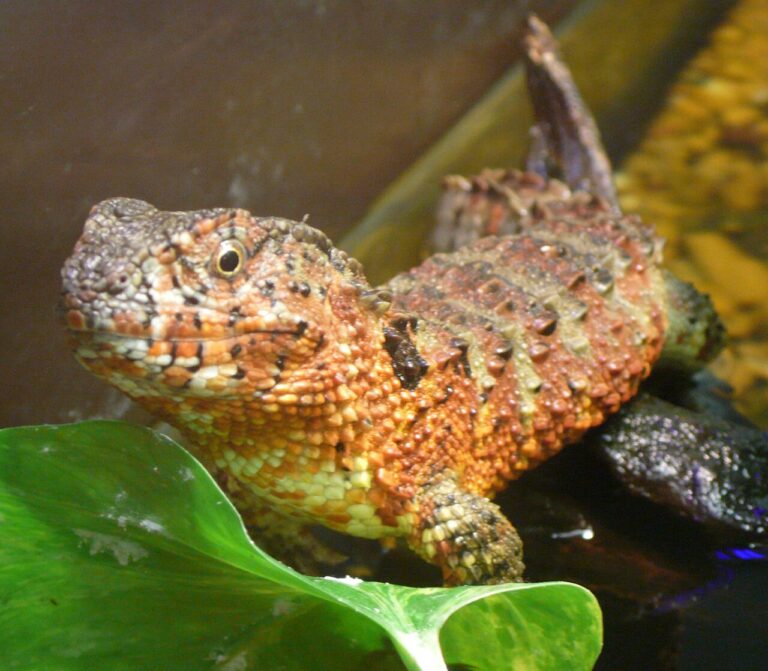
Not a monitor, not deaf, and the only living member of its family. Where it lives, whether it is venomous, and how a species nobody knew became a trafficking target.
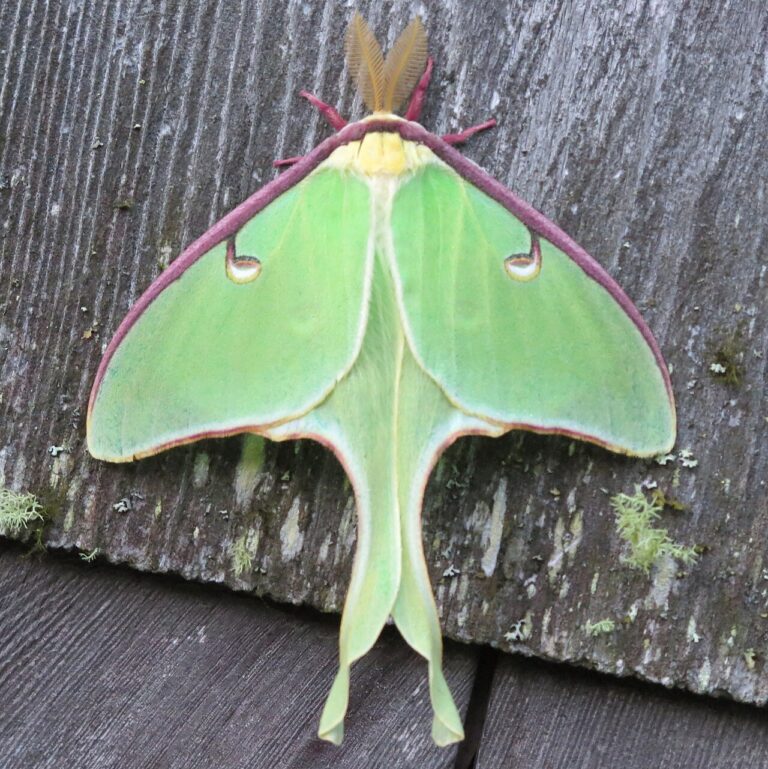
A pale green silk moth with no mouth, a week to live, and tails that jam bat sonar. Why sightings are so rare, whether to touch one, and how to help them.
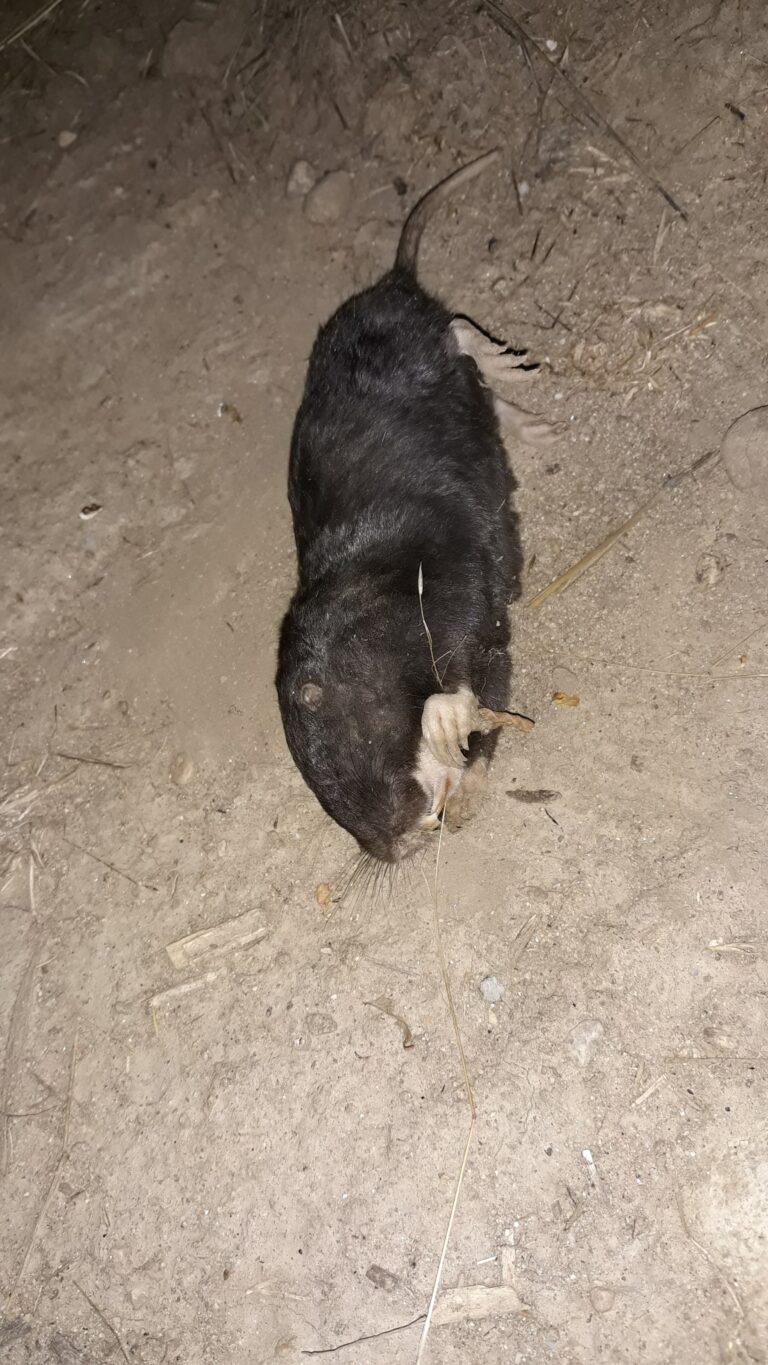
Trapping the main runway is the only method with real evidence. Why ultrasonic stakes, castor oil and coffee grounds fail, and how to protect plants permanently.
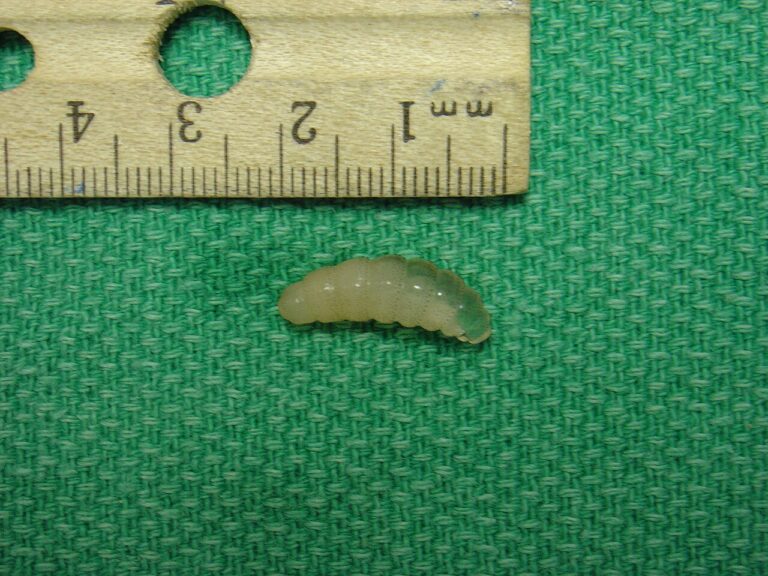
Adult bot flies cannot bite at all. What the lump really is, why squeezing it makes things worse, whether the US has them, and what to do for a pet with one.
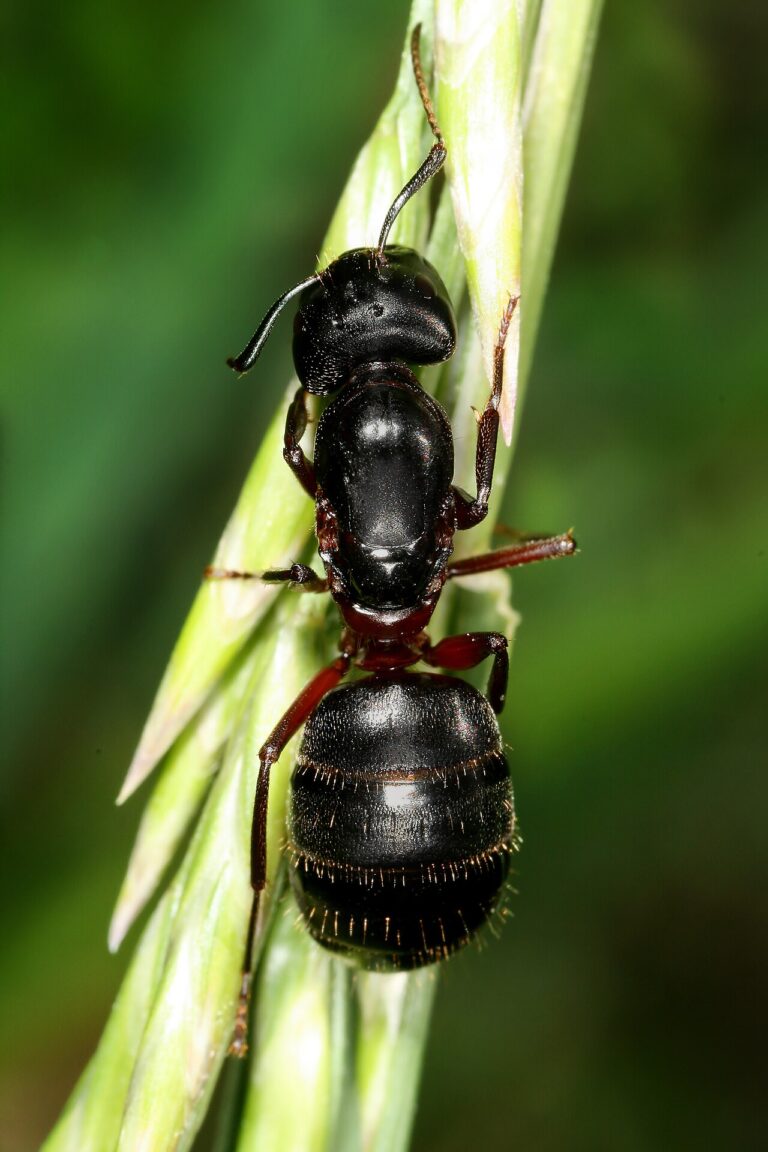
A sharp pinch plus sprayed formic acid, gone within a day. Why they have no sting, how to tell them from termites, and what an indoor bite says about your walls.

Deer are crepuscular, not nocturnal, but shift into darkness under hunting pressure within days. Where they bed by day, how well they see at night, and why they freeze.
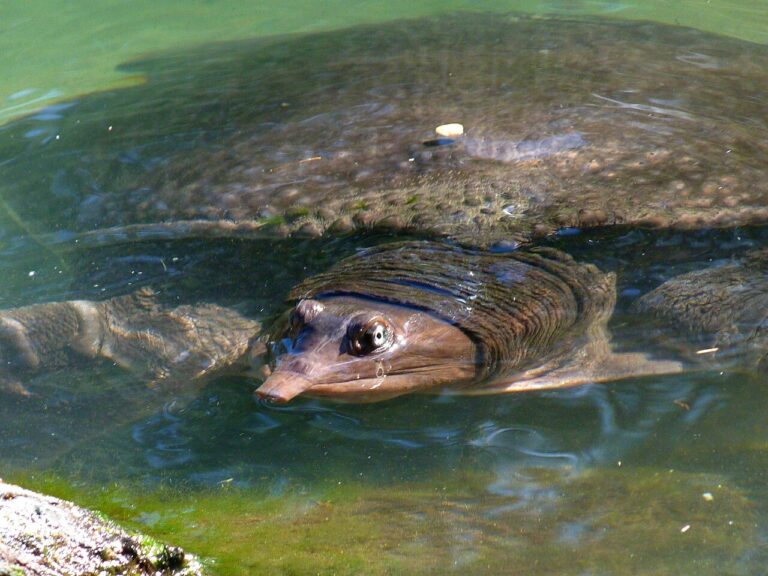
A flat leathery-shelled turtle with a snorkel snout and a neck that reaches halfway back along its own shell. Why there is no safe side grip, and whether you can keep one.
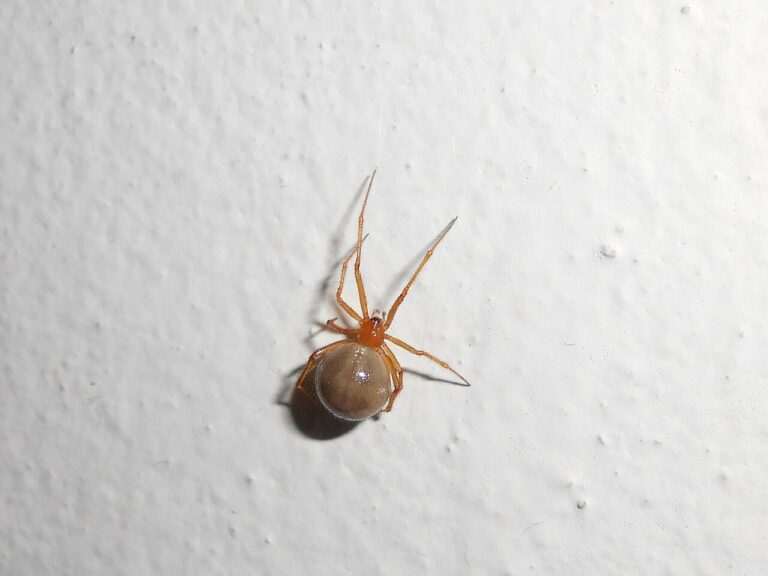
A quarter-inch reddish cobweb spider and a black widow relative that is not dangerous. What the bite actually does, and which red spiders you are more likely seeing.

Rodents, rabbits, insects, berries, and scavenged scraps. Whether a fox threatens cats or dogs, what draws them to a yard, and why feeding them backfires.
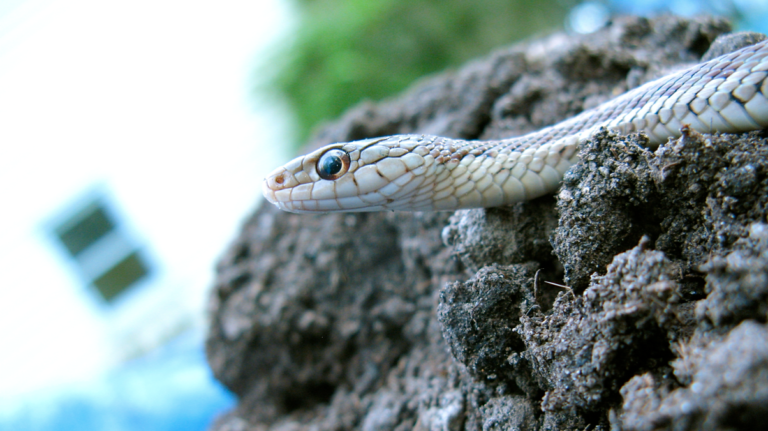
North America’s most common backyard snake, harmless to people despite mild saliva toxins. How to identify one, what it eats, and why it’s good for a garden.