Brown Snake: Identification, Range, and Whether It’s Dangerous
Almost always Dekay’s brown snake, a harmless species under 13 inches. How to tell it apart from lookalikes and why the name causes confusion.
Beyond the feeder. Guides to the mammals, reptiles, and other wildlife that share your backyard, from squirrels and raccoons to deer and foxes.
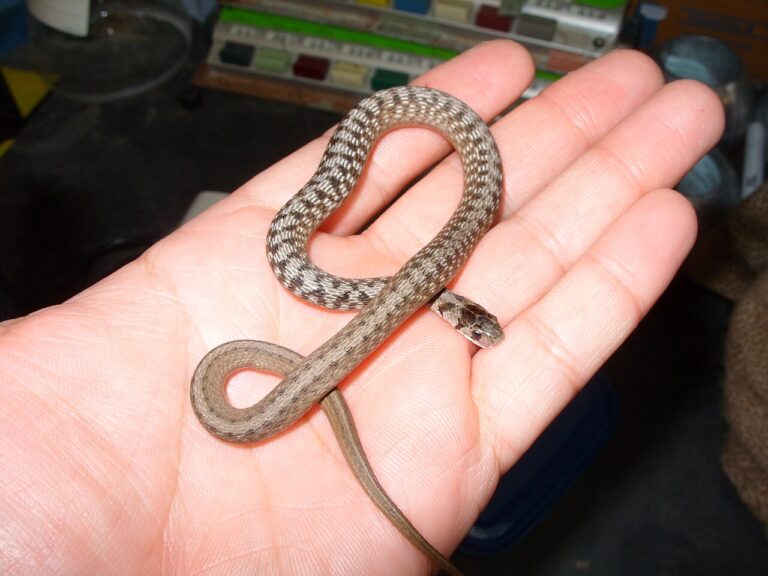
Almost always Dekay’s brown snake, a harmless species under 13 inches. How to tell it apart from lookalikes and why the name causes confusion.
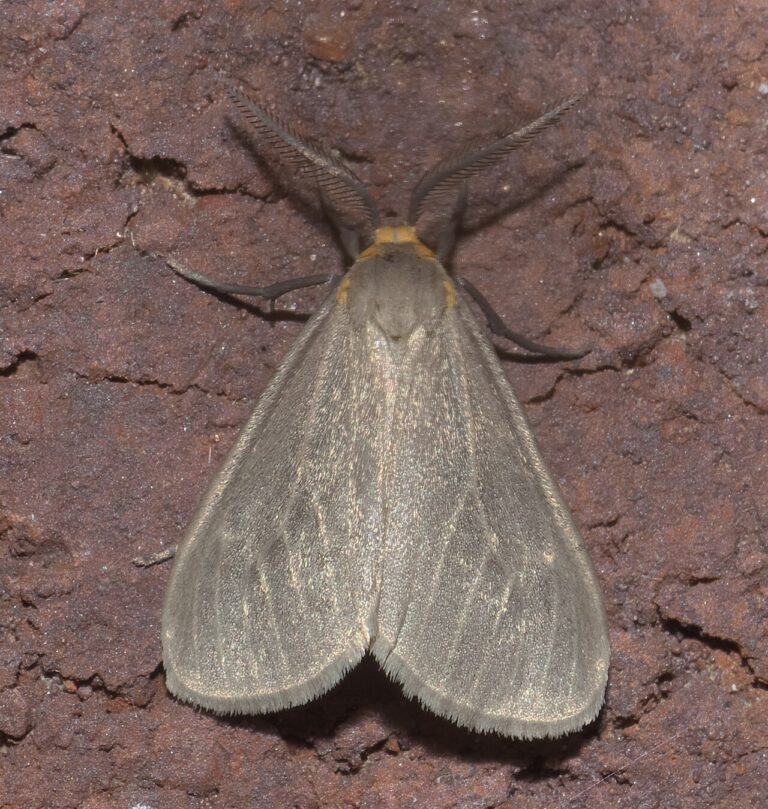
Milkweed tussock moth, woolly bear, or io moth larva. How texture, host plant, and sting risk narrow it down fast.
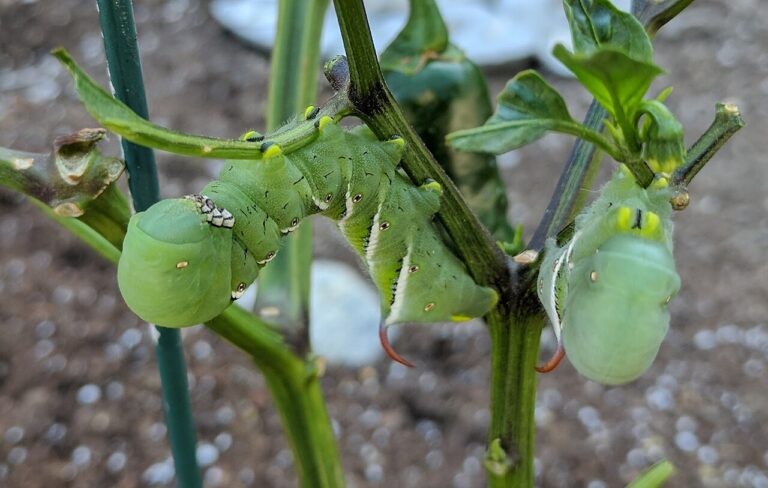
Hornworm, tiger swallowtail, luna moth, and more. How to identify a green caterpillar and which species are safe to touch.
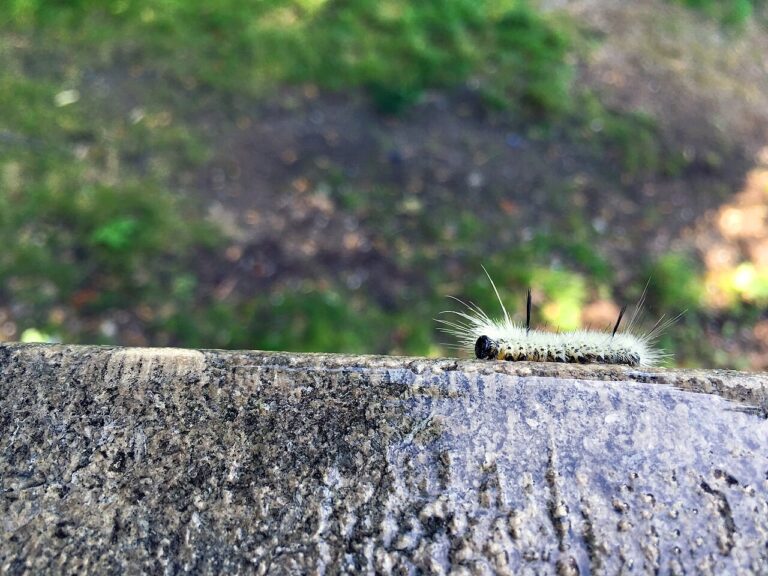
Hickory tussock, fall webworm, or cabbage white? How to tell white caterpillars apart, which ones cause a rash, and what each one turns into.
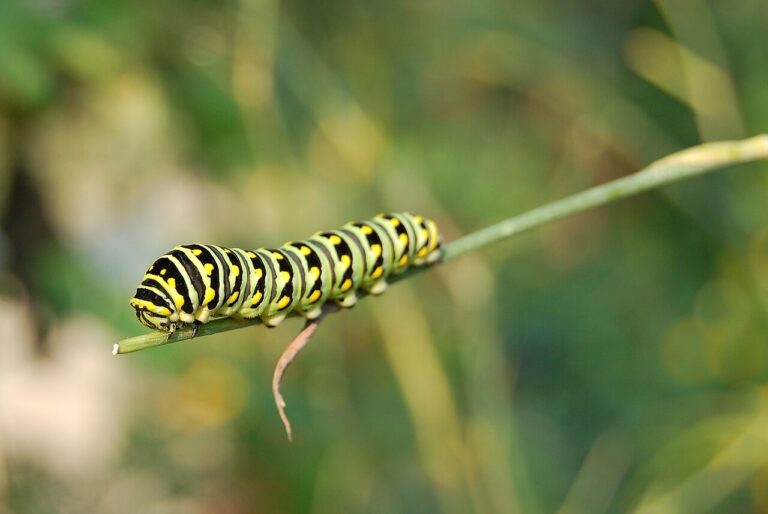
Black swallowtail, monarch, cinnabar moth, and more. How to tell these common black-and-yellow caterpillars apart and which ones are safe to touch.
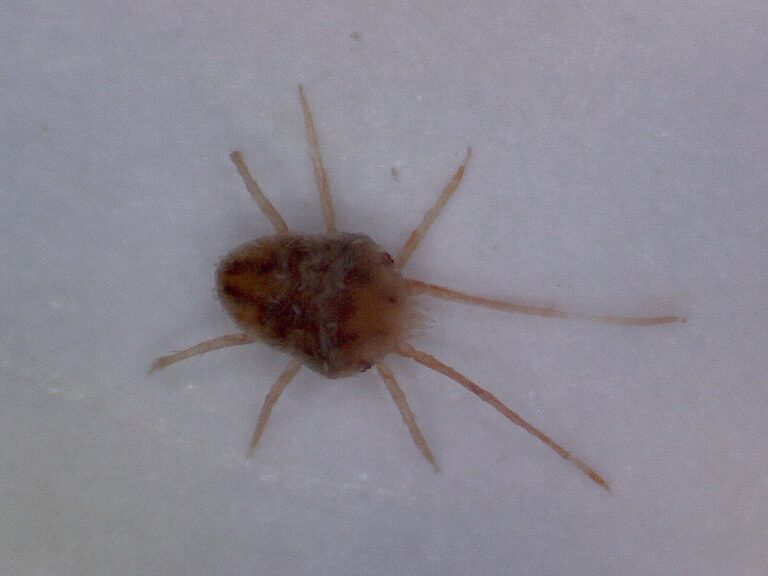
Tiny red mites that swarm sunny walls in spring and autumn, do not bite, and stain when crushed. Why vacuuming beats squashing and the one measure that actually works.
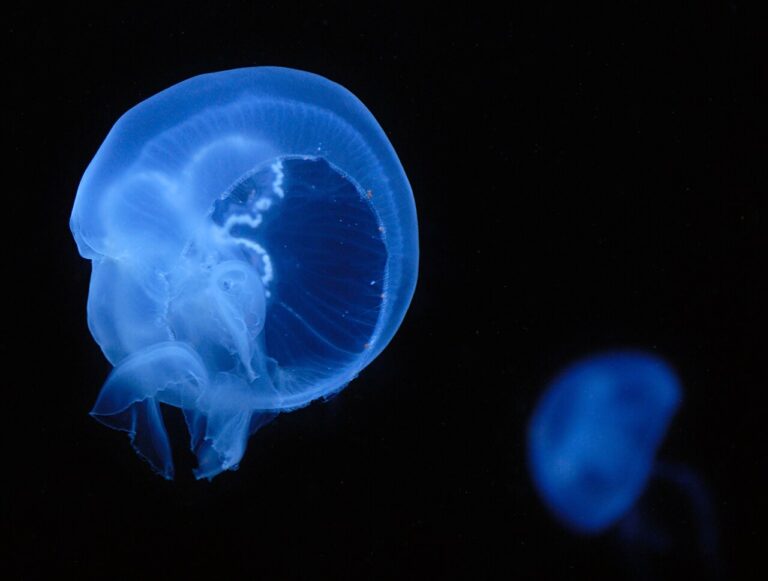
Plankton, fish eggs and each other, caught by cells that fire on contact rather than by hunting. One opening for mouth and anus, no brain, and why a dead one still stings.
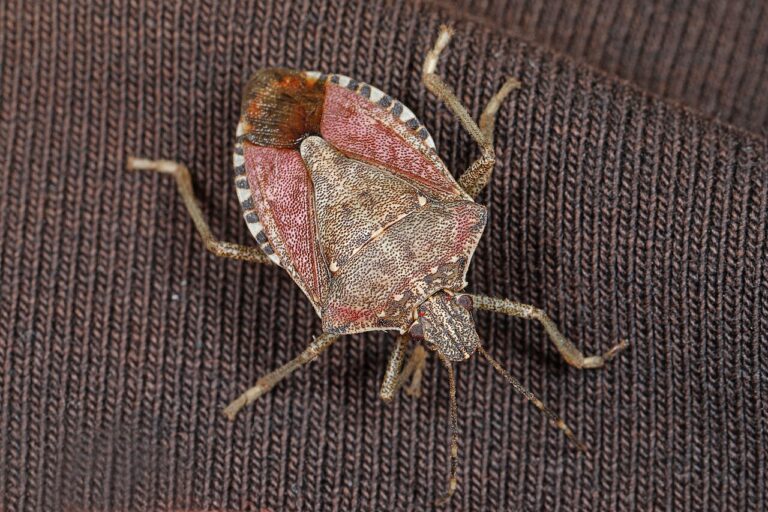
Sealing in late summer is the only reliable prevention. Soapy water for the ones inside, why sprays fail against wall voids, and the stocking trick for the vacuum.
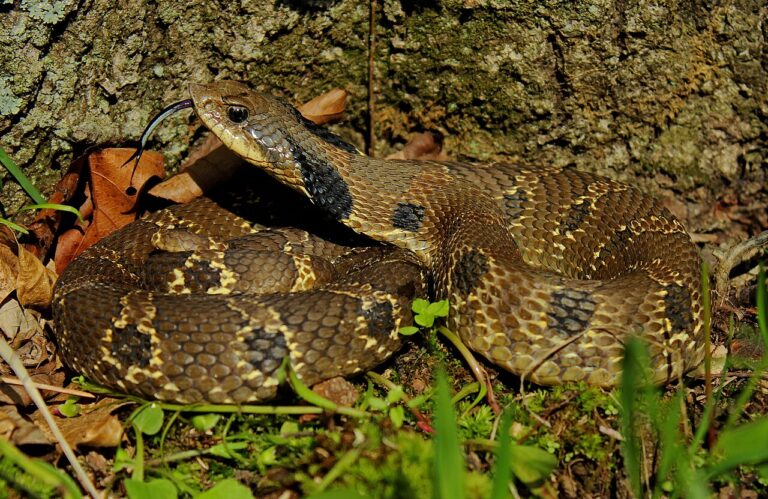
Belly-up, tongue out, musk and sometimes blood, and it flips straight back over if you right it. Why they do it, how long it lasts, and what comes before the collapse.
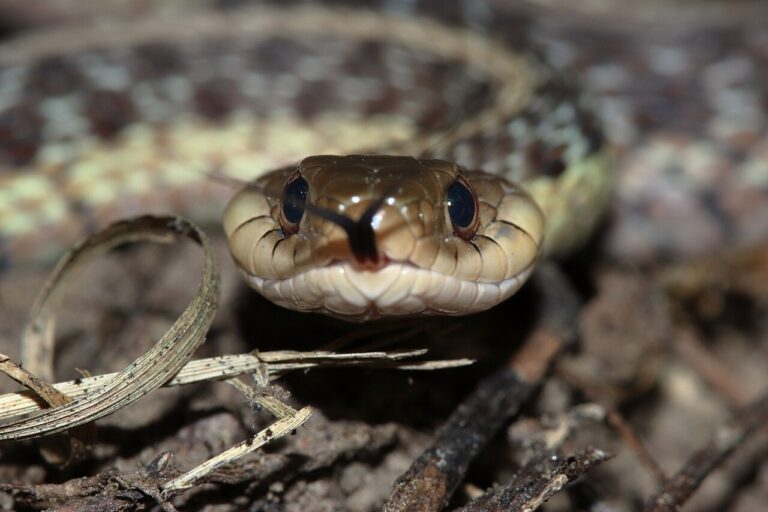
A scratch that stings briefly and bleeds a little. Why garter snakes are not dangerous despite mildly toxic saliva, what to do if one holds on, and why they help a garden.