What to Feed Backyard Birds: The Complete Bird Food Guide
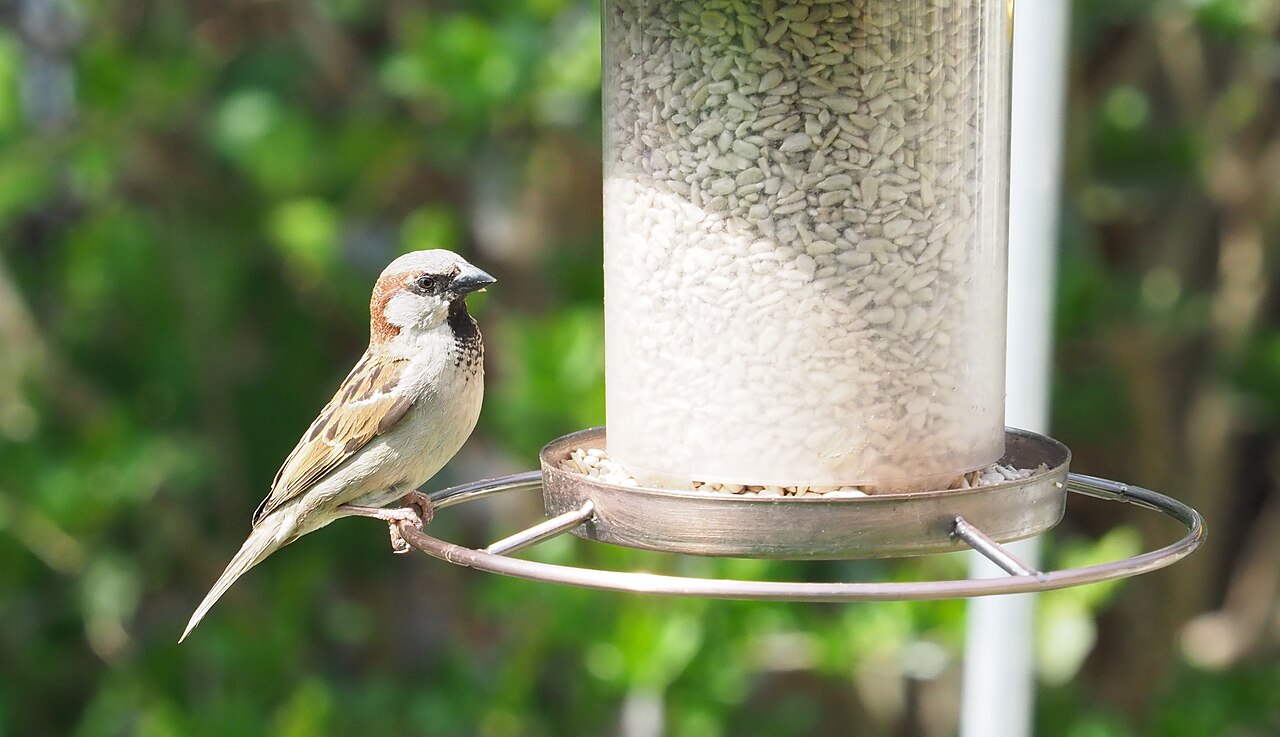
The food you put in your feeder matters more than the feeder itself. Most beginners buy a generic “wild bird mix” from the grocery store, fill their feeder, and then wonder why only House Sparrows show up. The reason is simple: that mix is mostly filler seeds that the majority of backyard birds don’t eat. The seeds that actually attract chickadees, cardinals, finches, woodpeckers, and the rest are specific, predictable, and worth knowing by name. This guide walks through every common bird food, seeds, suet, nectar, mealworms, fruit, including which species each one attracts, which to avoid, how to store food properly, and the seed pairings that turn a slow feeder into a busy one.
Black oil sunflower seed is the one food that works for almost every backyard bird, because a thin shell and high fat content suit small and large beaks alike. Nyjer targets finches, safflower deters squirrels and grackles, and suet carries woodpeckers through winter.
Why Bird Food Choice Matters More Than Feeder Choice
Bird species evolved with specific diets. A finch has a thin pointed bill suited for tiny thistle seeds. A cardinal has a stout cone-shaped bill built for cracking larger sunflower shells. A woodpecker has a chisel-like bill designed for prying insects out of bark, and it strongly prefers high-fat suet over seed. Match the food to the bill, and you match the species to your yard. Mismatch, and you’ll watch the wrong birds, or no birds, pass through.
This is the part most beginners get backward. They buy the prettiest feeder, fill it with whatever bag is cheapest, and expect variety. The actual sequence that works: decide which species you want to attract, then choose the food that those species eat, then choose the feeder design that delivers that food correctly.
If you haven’t set up a feeder yet or you’re unclear on which feeder type matches which seed, the complete bird feeders guide covers the feeder side. This guide is the food side.
The Universal Rule: Black Oil Sunflower Seed
If you read nothing else in this guide, read this section. Black oil sunflower seed attracts more backyard species than any other single food. It’s the closest thing to a universal seed: chickadees, titmice, cardinals, jays, nuthatches, finches, woodpeckers, grosbeaks, and many sparrows all eat it. A new feeder filled with black oil sunflower will attract activity within days in most yards.
The reasons it works so broadly:
- Thin shells that smaller birds can crack open
- High oil content (about 40% fat) that provides dense calories
- Universal size that fits both small and medium bills
- High meat-to-shell ratio so birds get more food per peck
A 20-pound bag costs roughly $25 to 35 and lasts most yards 1 to 2 months. If you’re new to feeding birds, this is what you start with. Don’t complicate it. We compare specific seed brands in the best bird seed guide.
The closest premium variant is sunflower hearts, sunflower seeds with the shells already removed. Same birds, no shell waste under your feeder, but it costs roughly double per pound. Worth it if you want a cleaner setup and don’t mind paying for it.
The Eight Bird Foods That Actually Work
Beyond black oil sunflower, seven other foods consistently attract specific species. Master these eight and you can curate the species mix in your yard like a menu.
1. Black Oil Sunflower Seed (covered above)
The universal seed. The starting point. Cardinals, chickadees, titmice, finches, jays, nuthatches, woodpeckers, grosbeaks.
2. Safflower Seed
Safflower is the secret weapon for cardinal lovers. Cardinals love safflower; squirrels and House Sparrows mostly hate it. That asymmetry makes safflower the go-to seed for yards where squirrels and aggressive non-native sparrows dominate.
Best for: Northern Cardinals, House Finches, chickadees, titmice, doves.
Avoided by: Squirrels (mostly), House Sparrows, grackles, blackbirds.
Cost: Roughly $1.50 to 2/lb, slightly higher than black oil sunflower.
Safflower has a thicker, harder shell than sunflower. Species with weaker bills won’t bother with it. That’s part of why it filters out the pests. We compare safflower head-to-head with sunflower in the safflower vs sunflower seed guide.
3. Nyjer Seed (Thistle)
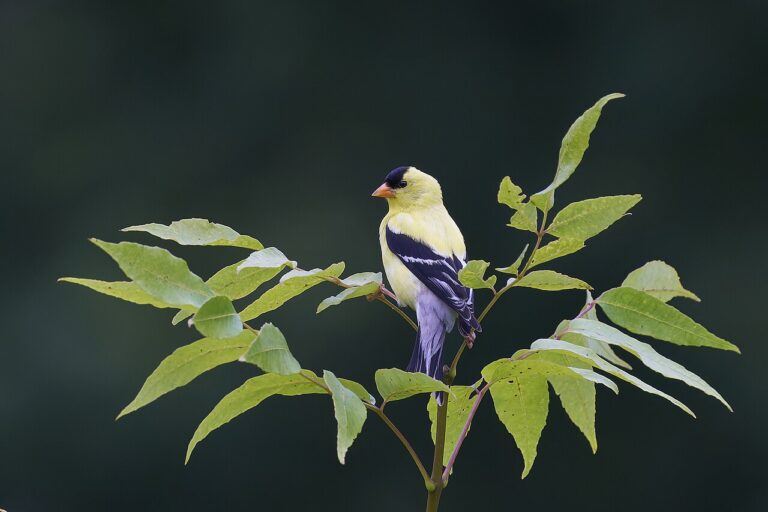
Nyjer is a tiny black seed grown commercially in Africa and India. Almost nothing eats it except thin-billed finches. Nyjer is the most species-specific seed you can buy, fill a finch tube with nyjer and you’ll get Goldfinches, House Finches, Purple Finches, Pine Siskins, and Redpolls almost exclusively.
Best for: American Goldfinch, Lesser Goldfinch, House Finch, Purple Finch, Pine Siskin, Common Redpoll.
Cost: Roughly $3 to 5/lb (the most expensive common bird seed).
Lifespan: Nyjer goes stale fast. Once a bag is open, use within 6 to 8 weeks. Birds reject stale nyjer.
Note on terminology: “nyjer” and “thistle” are used interchangeably for the same seed (Guizotia abyssinica). It’s unrelated to the invasive thistle plant, US-imported nyjer is heat-treated to prevent germination so it can’t spread.
4. Millet (White Proso Millet)
Millet is the seed of choice for ground-feeding birds. The shells are thin, the seeds are small, and the energy-to-effort ratio works well for sparrows and doves. Use white proso millet specifically, red millet is a filler seed that most US birds ignore.
Best for: Mourning Doves, White-Throated Sparrows, Song Sparrows, juncos, towhees, Indigo Buntings, Painted Buntings.
Best feeder: Platform/tray feeder or scattered on the ground.
Cost: Roughly $1 to 1.50/lb.
The catch with millet: it draws birds you may not want, including House Sparrows and grackles. In areas where these are dominant, millet sometimes does more harm than good for variety.
5. Suet
Suet is rendered animal fat, usually beef kidney fat, often mixed with seeds, nuts, or fruit. It’s an enormously high-energy food, especially valuable in cold weather when birds need extra calories to maintain body heat. Suet attracts a specific group of birds that mostly ignore seed feeders.
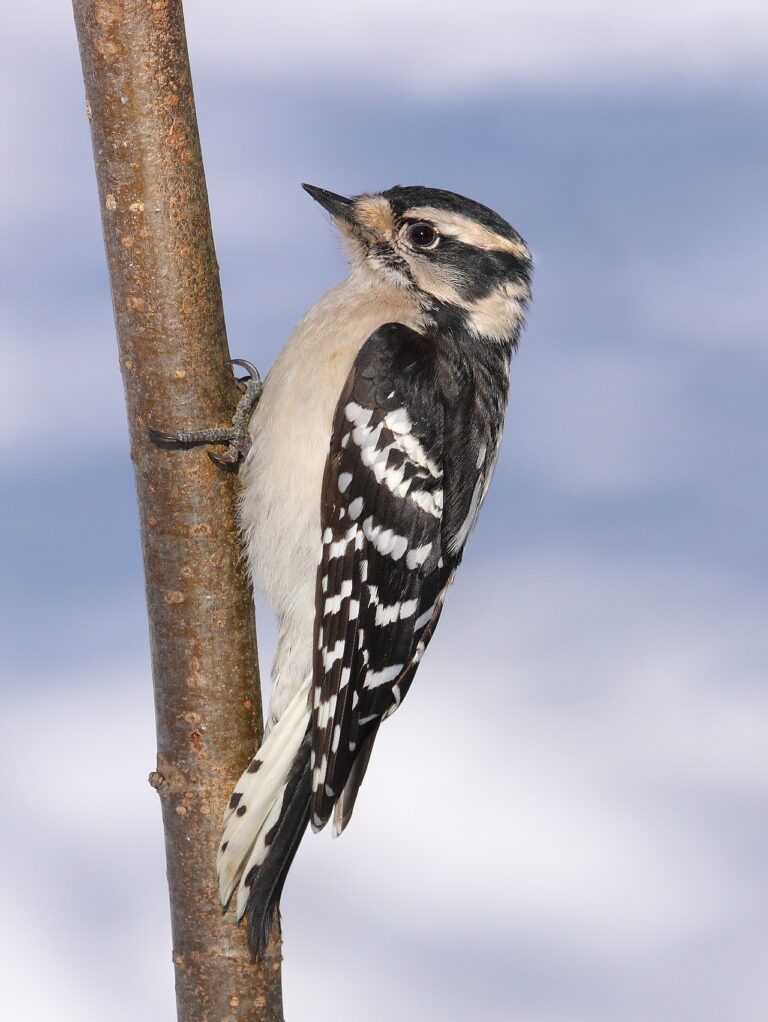
Best for: Woodpeckers (Downy, Hairy, Red-Bellied, Pileated, Northern Flicker), nuthatches, chickadees, titmice, wrens, occasionally Yellow-Rumped Warblers.
Best feeder: Wire suet cage on a tree trunk or pole.
Cost: Roughly $1 to 3 per cake; cakes last 3 to 7 days depending on traffic.
Two specifications matter:
- No-melt suet for hot climates. Standard suet melts above ~80°F and becomes a mess. No-melt formulations stay solid up to 130°F+.
- Seed-loaded suet mixes adds variety. Peanut, berry, insect, and “orange” (citrus) formulations target slightly different species.
Suet works year-round in most regions, but the strongest attraction window is fall through early spring.
6. Peanuts (Whole or Pieces)
Peanuts are high-fat, high-protein, and highly attractive to jays, woodpeckers, titmice, chickadees, and nuthatches. Among the most expensive bird foods per pound, but among the most effective at attracting specific species.
Best for: Blue Jays, Steller’s Jays, woodpeckers, nuthatches, titmice, chickadees, Carolina Wrens.
Best feeder: Peanut feeder (mesh tube) for shelled pieces, or open platform for whole peanuts.
Cost: Roughly $3 to 4/lb.
A note on safety: never use salted, flavored, or cooked peanuts. Always raw, shelled or in-shell. Peanut butter (for DIY pinecone feeders) should be unsalted and unsweetened.
7. Mealworms (Live or Dried)
Mealworms, the larvae of darkling beetles, are the premium protein source for insectivorous birds. They’re the only food that reliably attracts Eastern Bluebirds, which mostly ignore seed.
Best for: Eastern Bluebirds, Western Bluebirds, Mountain Bluebirds, American Robins, Carolina Wrens, House Wrens, chickadees, titmice.
Best feeder: Specialized mealworm dish, often clear with a guard to prevent drying.
Cost: Roughly $15 to 25/lb dried; $0.10 to 0.15 each live.
Live mealworms attract more birds than dried but require refrigeration and have a shelf life of weeks. Dried mealworms are pre-killed, shelf-stable for months, and almost as effective. Most backyard birders use dried for convenience.
Bluebirds, in particular, can be trained to come at consistent feeding times. Place mealworms at the same time daily, and bluebirds often arrive within minutes.
8. Sugar Water (Nectar) for Hummingbirds
Hummingbirds run on liquid sugar, and the homemade version (1 part white sugar to 4 parts water) is functionally identical to the natural flower nectar they evolved with. Commercial “hummingbird nectar” with red dye is unnecessary and possibly harmful, the feeder’s red color attracts hummingbirds; the liquid doesn’t need to be colored.
We cover hummingbird-specific feeding in depth in the complete hummingbird guide, the sugar water recipe, and how often to change the nectar.
The Foods to Skip (Or Use Sparingly)
Several common ingredients in commercial bird mixes are filler, birds eat them only when nothing better is available, or not at all. Buying these means most of your “bird food” ends up on the ground attracting rodents.
- Milo (also called sorghum). Red round seeds, sometimes labeled “grain sorghum.” Largely ignored by Eastern songbirds; only used by some Western ground-feeders (some doves, quail, towhees).
- Red millet. Smaller than white proso millet, but most birds prefer the white version. Often used as cheap filler.
- Cracked corn. Heavy filler in cheap mixes. Some species use it (jays, doves, blackbirds), but it spoils fast when wet and attracts non-target visitors like rats and raccoons.
- Wheat and oats. Common filler in budget mixes. Few backyard species eat them.
- Generic “wild bird mix.” Often 50%+ filler. The seeds get tossed aside; the filler ends up rotting on the ground. Avoid bagged mixes that don’t list specific seed percentages.
- Bread. Has almost no nutritional value for birds. Moldy bread is actively harmful. Don’t feed bread.
- Salted or seasoned anything. Birds can’t process salt the way mammals can. Avoid salted peanuts, salted seeds, salted suet.
The no-mess bird seed guide covers the premium pre-shelled mixes that solve the filler problem if you’re willing to pay more for less waste.
Seasonal Feeding Strategy
Bird food needs change through the year. The right food in winter is different from the right food in spring, summer, and fall, and matching seasonally improves both attraction and health outcomes for birds.
Winter
Birds burn enormous calories maintaining body temperature in cold weather. Feeding offers a real survival assist during deep cold and snow.
Priority foods: Black oil sunflower, suet, peanuts. High fat, high calorie. Suet is especially valuable when temperatures stay below freezing.
Keep feeders consistently stocked. Birds learn feeder schedules; a feeder that goes empty for several days during cold weather can be a real setback for the birds that depend on it.
Spring (Migration)
Many migratory species pass through in spring. Some stop at feeders, some don’t. The species worth specifically targeting:
- Orange halves and grape jelly for orioles. Hang fresh orange halves on hooks; offer grape jelly in shallow dishes. Set out 1 to 2 weeks before orioles arrive in your region (mid-April to early May for most of the East).
- Mealworms for bluebirds returning to nesting territory.
- Nyjer for goldfinches transitioning to breeding plumage.
Summer
Many beginners take feeders down in summer, this is unnecessary in most regions and counterproductive. Birds use feeders heavily during nesting season, often bringing fledglings to teach them feeder location.
Priority foods: Continue black oil sunflower year-round. Add hummingbird nectar. Reduce or eliminate suet if temperatures stay above 80°F (or switch to no-melt formulations).
The two summer challenges are spoilage (heat causes seed to mold faster) and disease transmission (warm wet feeders harbor pathogens). Refresh seed more frequently, clean feeders weekly instead of biweekly.
Fall (Migration)
Fall migration brings many species back through. Continue the spring strategy in reverse. Many goldfinches, finches, and sparrows that summer further north arrive for winter, keep nyjer and black oil sunflower well-stocked from October onward.
Bird Seed Storage (How to Keep It Fresh)
Bird seed is a major investment. Most beginners store it poorly and lose half their bag to spoilage or pests. Proper storage doubles or triples how long a bag stays usable.
The rules:
- Use airtight containers. A large plastic bin with a snap-lid, a galvanized trash can with a tight lid, or original sealable bags work. Open bags attract pantry moths within weeks.
- Keep dry. Moisture causes mold (which can sicken birds) and accelerates spoilage. Store in a garage, basement, or shed, anywhere dry.
- Keep cool. Cooler storage extends shelf life. Hot garages in summer dramatically shorten how long seed stays fresh.
- Freeze new bags for 48 hours before storage. This kills any pantry moth eggs that came in the bag from the supplier. Prevents infestations.
- Track purchase date. Write purchase date on the bag with a marker. Most seeds stay fully fresh 6 to 12 months when stored properly.
Watch for: stale smell (off-putting, sour), visible mold, webbing (pantry moths), insects or larvae crawling in the seed, clumping that suggests moisture exposure. Discard any bag with these signs, feeding spoiled seed risks bird health.
DIY Bird Food and Treats
Beyond commercial seed, several DIY foods are easy, cheap, and effective. They’re especially good for getting kids involved or experimenting before committing to commercial products.
Pinecone Peanut Butter Feeder
Coat a pinecone with unsalted natural peanut butter, roll in birdseed (any kind), tie with twine, hang from a branch. Cost: nearly zero. Beloved by chickadees, titmice, nuthatches, woodpeckers.
Suet Cakes (Homemade)
Mix 1 part rendered beef fat (or lard) with 1 part peanut butter, then stir in 2 parts oats, sunflower seed, raisins, or cornmeal. Press into containers (yogurt cups, suet molds, ice cube trays), freeze until solid, pop out and use in suet cages.
Orange Half Stations
For oriole season: drive long nails or hooks into a wooden post or board, set out fresh orange halves cut-side up. Replace every 2 to 3 days as the fruit dries out.
Mealworm Dish
A simple shallow dish (mesh-bottomed to allow rain drainage) holds mealworms for bluebirds. Place near nesting boxes or open lawn areas.
For built bird feeder DIY projects, see the DIY hummingbird feeder guide, the same build approach applies to seed feeders.
Pairing Food to Common Backyard Species
Quick reference: which food brings which bird.
- Northern Cardinal. Black oil sunflower, safflower, white millet. Feeder: hopper, platform, large tube.
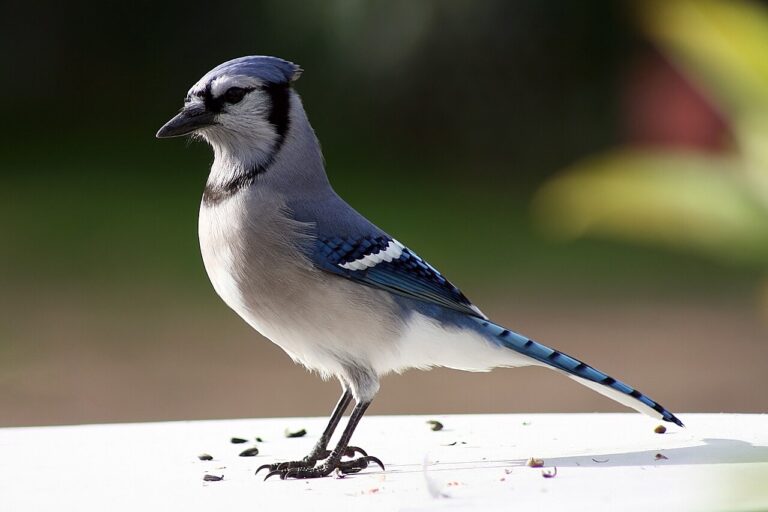
- Blue Jay. Whole peanuts, sunflower, cracked corn. Feeder: platform, large hopper.
- American Goldfinch. Nyjer, sunflower hearts. Feeder: nyjer tube, finch sock.
- House Finch / Purple Finch. Black oil sunflower, nyjer, sunflower hearts. Feeder: tube, hopper.
- Black-Capped / Carolina Chickadee. Black oil sunflower, peanuts, suet. Feeder: tube, hopper, suet cage.
- Tufted Titmouse. Black oil sunflower, peanuts, suet. Feeder: tube, hopper, suet cage.
- White-Breasted Nuthatch. Black oil sunflower, peanuts, suet. Feeder: tube, suet cage.
- Downy / Hairy Woodpecker. Suet, peanuts, sunflower. Feeder: suet cage, peanut feeder.
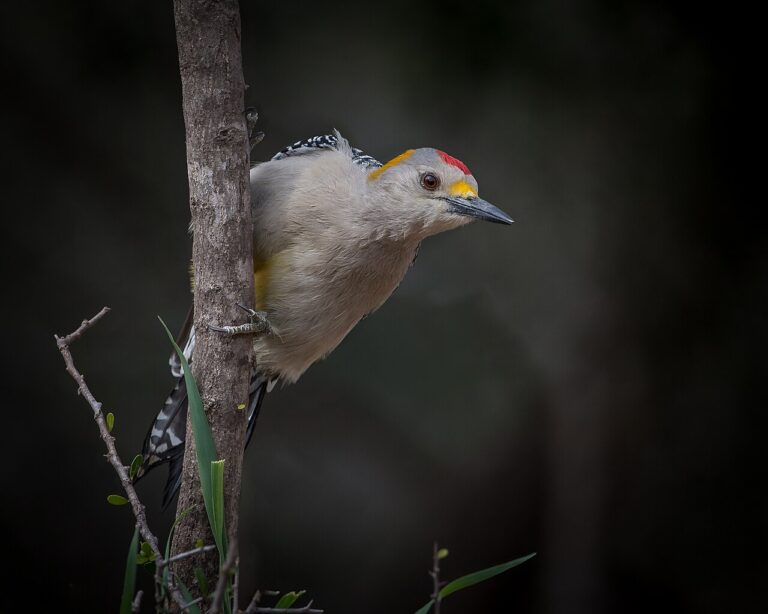
- Red-Bellied Woodpecker. Suet, peanuts, sunflower, occasionally fruit. Feeder: suet cage, large hopper.
- American Robin. Mealworms, fruit, occasionally suet. Feeder: platform, mealworm dish.
- Eastern Bluebird. Mealworms (live preferred), suet pellets. Feeder: mealworm dish on or near nest box.
- Baltimore Oriole. Orange halves, grape jelly, hummingbird nectar. Feeder: oriole feeder, hooks for fruit.
- Mourning Dove. White millet, cracked corn, sunflower on ground. Feeder: platform, ground.
- Dark-Eyed Junco. White millet, sunflower hearts. Feeder: platform, ground.
Species deep-dives like the Northern Cardinal guide, the Blue Jay guide, and the American Goldfinch guide go deeper on each species’ specific food preferences and behaviors.
How Much Food to Put Out
A common beginner question: how much seed should you fill at once? The answer is “enough to last 3 to 7 days at your yard’s current activity level”, not full to the brim every time.
The reasoning: seed sitting in a feeder for weeks loses freshness and can spoil. Better to refill more often with less than overfill and let seed degrade. As your yard’s activity grows, you’ll naturally calibrate fill amounts.
Approximate consumption ranges (per active feeder, per week):
- Quiet yard, early days. 1 to 2 lbs/week.
- Active yard with regulars. 3 to 5 lbs/week.
- Busy yard with multiple feeders. 8 to 15 lbs/week or more.
A 20-pound bag of black oil sunflower at a typical active yard lasts about 4 to 6 weeks. Goldfinch traffic on a nyjer feeder can consume a 5-pound bag in 2 to 3 weeks during peak finch season.
Disease and Food Safety
Bird food can spread disease through bird populations if you let it spoil or contaminate. The most common preventable disease at feeders is salmonellosis, which has killed thousands of finches in recent outbreaks in North America.
The food-related safety rules:
- Discard wet seed promptly. After heavy rain, empty any platform or open feeder that pooled water, refill with dry seed.
- Refresh suet in hot weather. Suet that’s been outside more than 7 days in summer should be discarded.
- Check for mold visually. Black or fuzzy growth on seed = throw it out, clean the feeder before refilling.
- Take down feeders during outbreaks. If your state wildlife agency reports a salmonella or avian conjunctivitis outbreak in your region, take all feeders down for 2 to 4 weeks.
If you see a clearly sick bird at your feeder (puffy, lethargic, sitting with eyes closed for extended periods, visible swelling around the eyes), take all feeders down immediately, clean thoroughly, and wait 2 weeks before resuming.
What Household Foods Can Go in a Bird Feeder?
A few kitchen items are genuinely useful. Unsalted raw or roasted peanuts, unsalted sunflower seeds, plain rolled oats, and plain unsalted popcorn are all fine. Fruit works well and is underused: halved apples, orange halves, raisins soaked in water and overripe bananas draw orioles, robins, waxwings and catbirds that ignore seed feeders entirely. Plain hard cheese in small amounts and crushed eggshell baked and cooled, which supplies calcium to laying females, both have a place.
The list of things to keep out is shorter but firmer. No bread, which fills birds without feeding them. No salted or seasoned anything, since birds cannot process sodium at the levels in snack food. No chocolate, avocado, onion or anything mouldy. No milk, since birds cannot digest lactose. And no cooking fat or bacon grease, which goes rancid quickly and smears plumage.
The general rule is that kitchen scraps should be an occasional supplement rather than the base of a feeding station, and they should be put out in small amounts that get eaten the same day. Leftovers on a tray or on the ground go mouldy and turn a feeding area into a disease site, which is the same reason regular feeder cleaning matters as much as the food itself.
Frequently Asked Questions
What’s the single best seed to start with?
Black oil sunflower seed. It attracts more backyard bird species than any other single food, cardinals, chickadees, finches, jays, nuthatches, woodpeckers, titmice, and many sparrows all eat it. A 20-pound bag costs $25 to 35.
Is mixed bird seed any good?
Most cheap “wild bird mix” is heavy on filler seeds (milo, red millet, cracked corn, wheat) that most backyard birds don’t eat. The good seeds get picked out, the filler ends up rotting on the ground. Either skip mixes and use straight seeds, or buy premium mixes that list specific seed percentages and skip the fillers.
Will bread hurt birds?
Yes, mostly. Bread has almost no nutritional value for wild birds, fills them up without providing energy, and moldy bread can sicken or kill birds. Don’t feed bread to ducks, geese, songbirds, or any wild bird.
Can I feed birds peanut butter?
Yes, if it’s unsalted and unsweetened. Peanut butter is high-fat and birds love it. Avoid versions with added sugar, salt, or xylitol (which is toxic to many animals). The classic application is smearing peanut butter on a pinecone, rolling in seed, and hanging it.
How do I keep ants out of my hummingbird feeder?
Use an “ant moat”, a small water-filled trap that hangs above the feeder, blocking ants from crawling down the hanger. Most hummingbird feeders sold today include or accommodate an ant moat. See the dedicated guide for full troubleshooting.
Should I add hot pepper to my seed to deter squirrels?
This is debated. Birds can’t taste capsaicin (the heat compound in peppers); mammals can. Pepper-treated seed does deter squirrels, but some birders worry about long-term effects on birds’ eyes and beaks (research is inconclusive). A pole-and-baffle setup avoids the question entirely by physically excluding squirrels.
How long can bird seed sit before it goes bad?
Properly stored in airtight containers, most seeds stay fully fresh 6 to 12 months. Nyjer is the exception, once opened, use within 6 to 8 weeks. Signs of spoilage: stale smell, visible mold, pantry moths or webbing, insects in the seed.
Do birds prefer one brand of seed over another?
Not really, as long as the seed type is what they want. Birds don’t recognize brands. They do recognize freshness, a cheap bag of fresh black oil sunflower will outperform a premium bag that’s been sitting on a shelf for two years.
Is it cheaper to mix my own bird seed?
Yes, usually significantly. Buying single-ingredient bags (black oil sunflower, safflower, nyjer, millet) separately and mixing your own gives you control over the blend and typically costs 30 to 50% less than premium pre-made mixes. The trade-off is convenience.
Can I feed birds year-round, or do I need to stop in summer?
Year-round feeding is fine and helpful in most regions. Birds benefit from supplemental food during nesting season, especially when feeding fledglings. Stop only during local disease outbreaks (follow your state wildlife agency’s guidance) or if bears become a problem.
Related reading: Best Bird Seed for Cardinals.