Blue Birds: 12 Common Blue Birds in North America with Identification (2026)
Blue is one of the rarest colors in nature — and one of the most striking when it appears on a bird. From the sky-blue Mountain Bluebird to the deep…
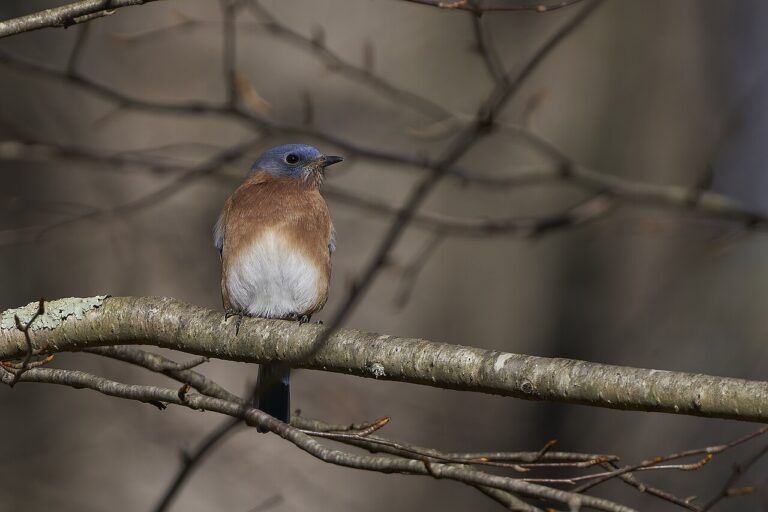
Blue is one of the rarest colors in nature — and one of the most striking when it appears on a bird. From the sky-blue Mountain Bluebird to the deep…
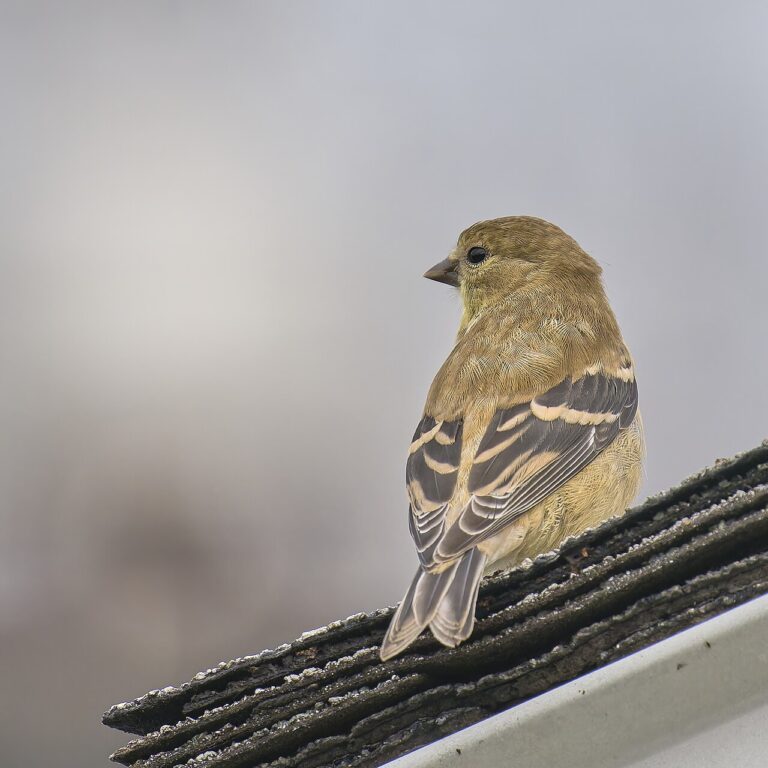
Yellow is one of the most common colors in North American birds, appearing on dozens of species ranging from the brilliant American Goldfinch to the diverse warbler family. Yellow plumage…
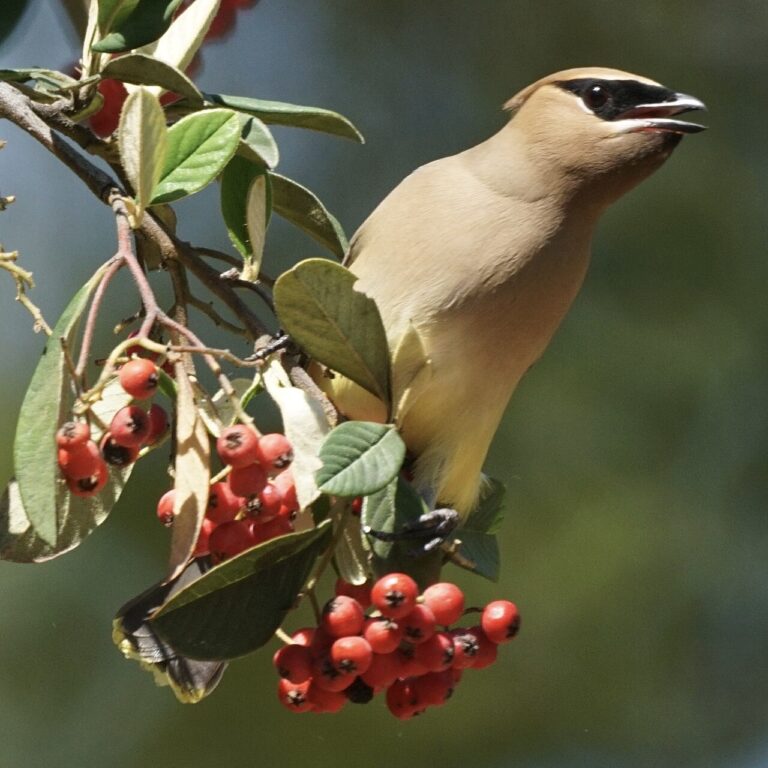
Black birds are among the most commonly seen and most commonly misidentified birds in North America. The American Crow looks similar to the Common Raven; grackles look like blackbirds; starlings…
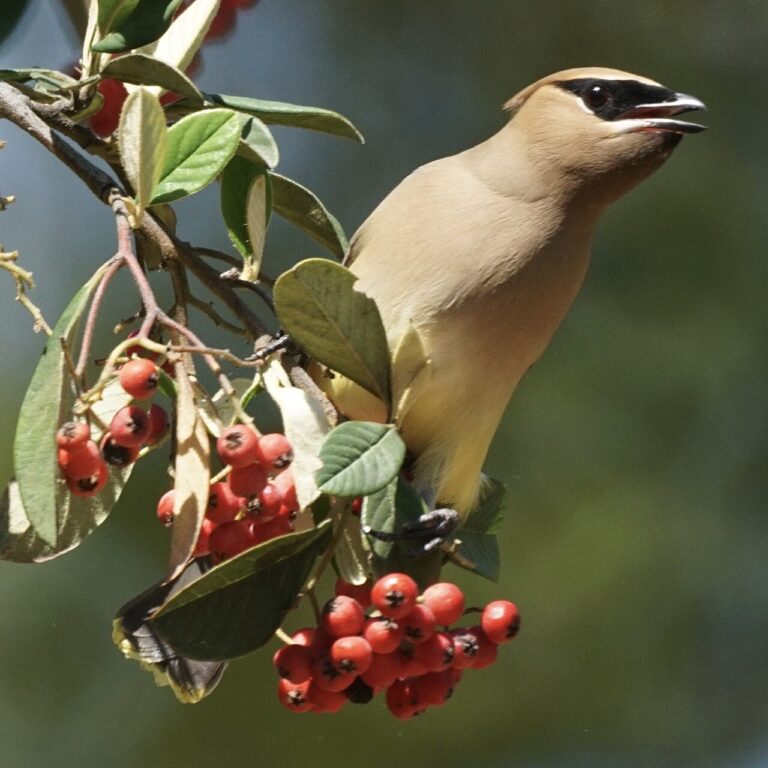
Brown is the most common color in North American birds — and the most challenging for identification. Dozens of species share generally brown plumage with subtle variations in streaking, tail…
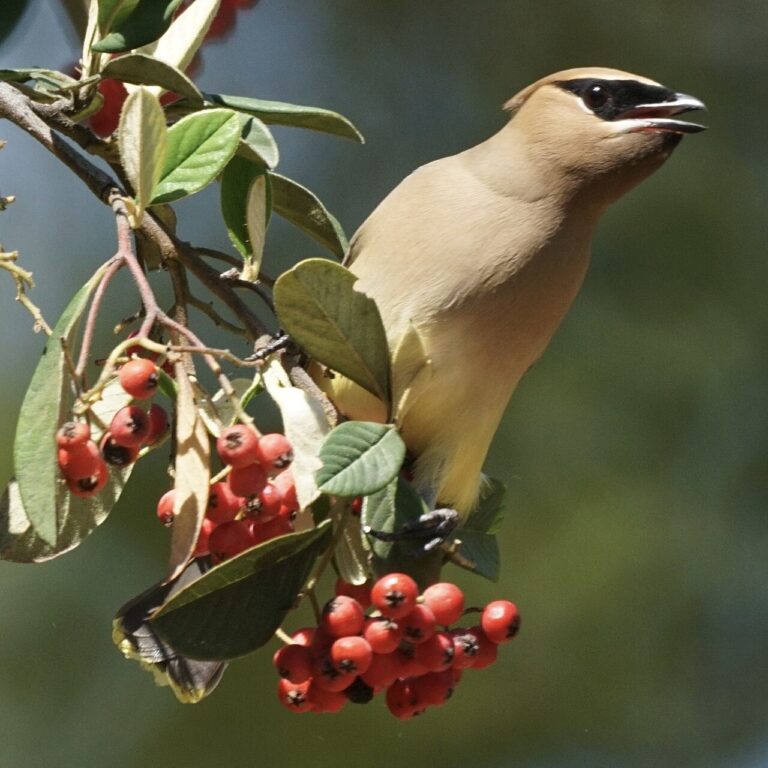
Black and white plumage is one of the most common color patterns in North American birds — and one of the easiest to spot from a distance. The bold contrast…
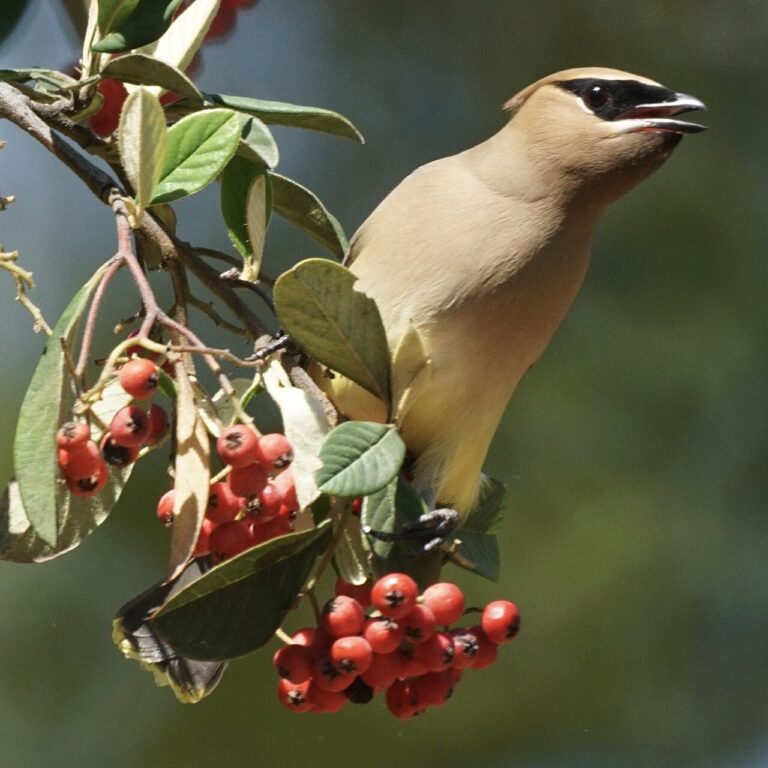
A bird with a red head is among the most striking sights in backyard birding. From the brilliant all-red Northern Cardinal to the dramatic black-and-white Red-Headed Woodpecker, red-headed birds catch…
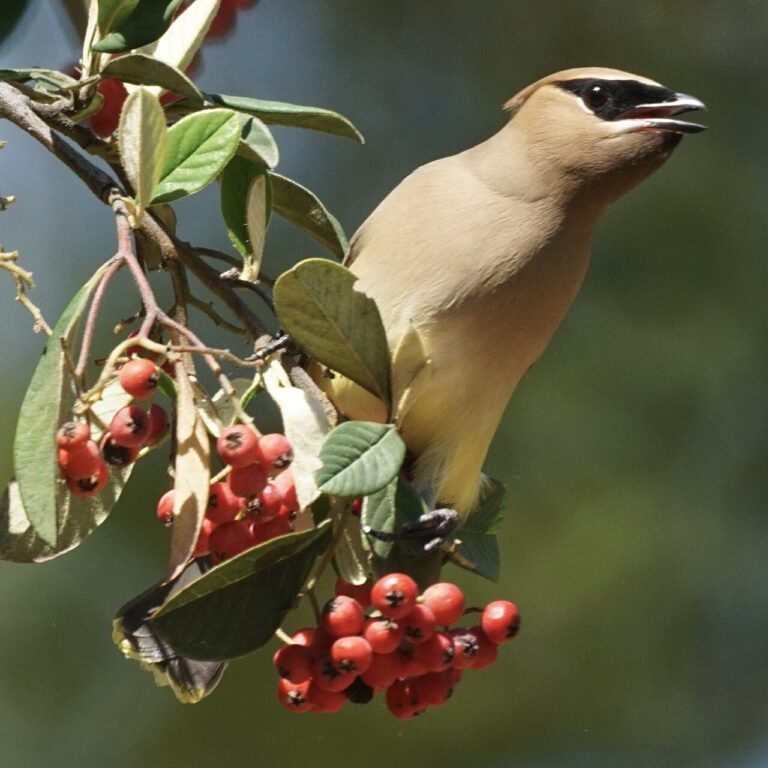
A yellow breast is one of the most attention-grabbing features in birds — bright, photogenic, and immediately diagnostic for many species. From the brilliant lemon-yellow of an American Goldfinch to…
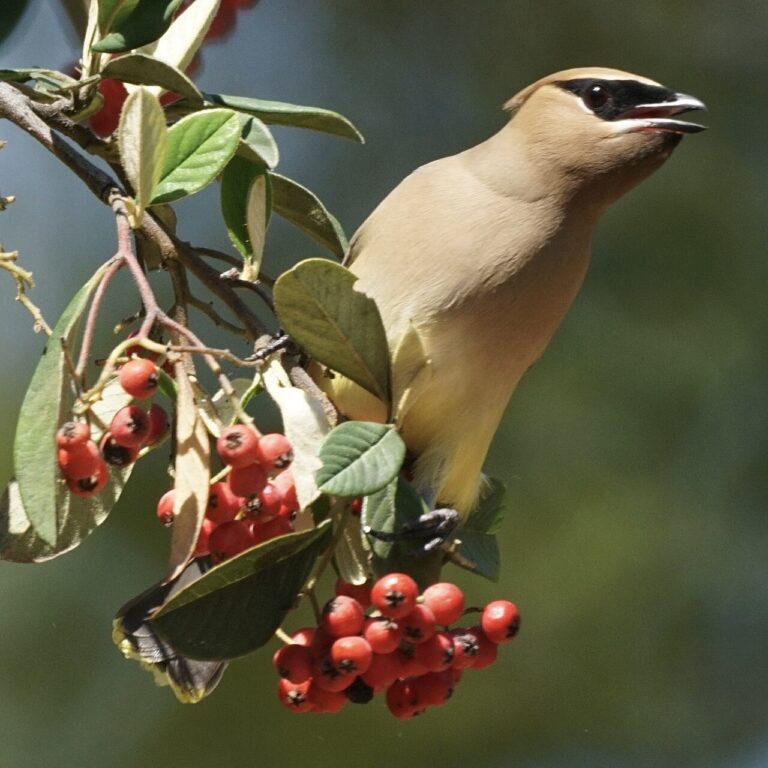
Orange in birds occupies the visual space between red and yellow, often appearing as warm rust, fiery orange, or bright citrus depending on the species. From the brilliant Baltimore Oriole…
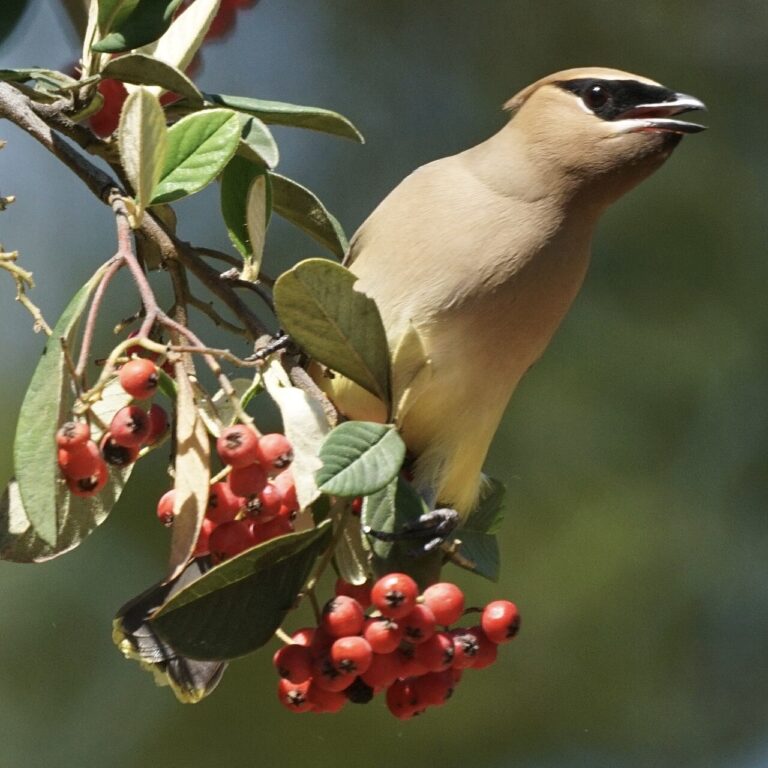
Green is one of the rarest true bird colors in North America. While many birds appear olive-green (warblers, female buntings, immature birds), only a handful are genuinely emerald-green. Most ‘green’…
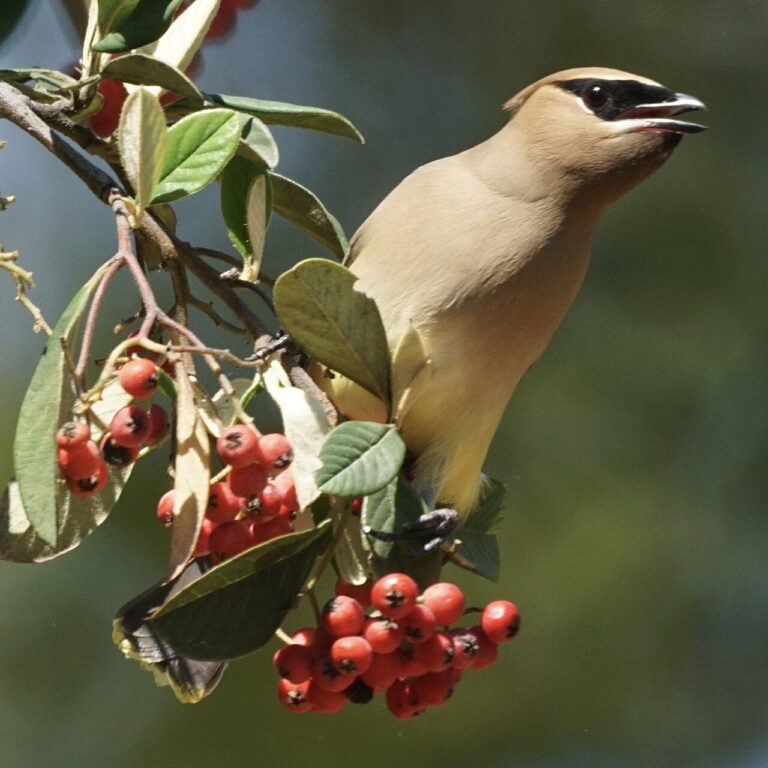
Small brown birds are the most identification-challenging group in North American birding. To the casual observer they all look alike — generic ‘LBJs’ (Little Brown Jobs). But each species has…