Can Chickens Eat Rice? Cooked, Raw and Safe Amounts
Chickens can eat rice, and they can eat it both cooked and uncooked. Rice is a safe, cheap, energy dense treat for a backyard flock (Gallus gallus domesticus), and the old warning that raw grains make birds burst is a myth with no basis in poultry science.
What matters is how much rice a chicken eats and what it is mixed with. Plain rice is fine. Fried rice, buttered rice, salted rice and takeout leftovers are a different question, and the answer there is usually no.
Yes, chickens can eat rice. Plain cooked rice and plain uncooked rice are both safe, and raw rice does not swell in a chicken’s crop or harm the bird. Keep rice and all other treats to about 10 percent of daily intake so layer feed still supplies the protein, calcium and amino acids hens need.
| Form of rice | Safe for chickens | How to serve | Notes |
|---|---|---|---|
| Plain cooked white rice | Yes | Cooled, scattered or in a dish | Easiest to digest, spoils fast in heat |
| Plain uncooked white rice | Yes | Scattered on dry ground | Chickens grind it in the gizzard like any seed |
| Brown rice | Yes | Cooked or raw | More fiber, B vitamins and manganese |
| Wild rice | Yes | Cooked | Higher protein, costly as a treat |
| Fried rice | No | Skip it | Oil, salt, onion and garlic |
| Rice with butter or salt | No | Skip it | Salt load is the real risk, not the grain |
| Moldy or sour rice | No | Bin it | Mycotoxins cause serious illness |
Is Cooked Rice OK for Chickens?
Cooked rice is more than OK for chickens, it is the form most keepers use. Boiled or steamed rice is soft, warm in winter and easy for a hen to swallow, and leftover plain rice from your own dinner costs nothing to pass along.
Let it cool to room temperature first and serve it the same day. Cooked rice left sitting in a warm run grows Bacillus cereus quickly, which is the same reason human food safety advice tells you to refrigerate rice within an hour.
Can Chickens Eat Uncooked Rice?
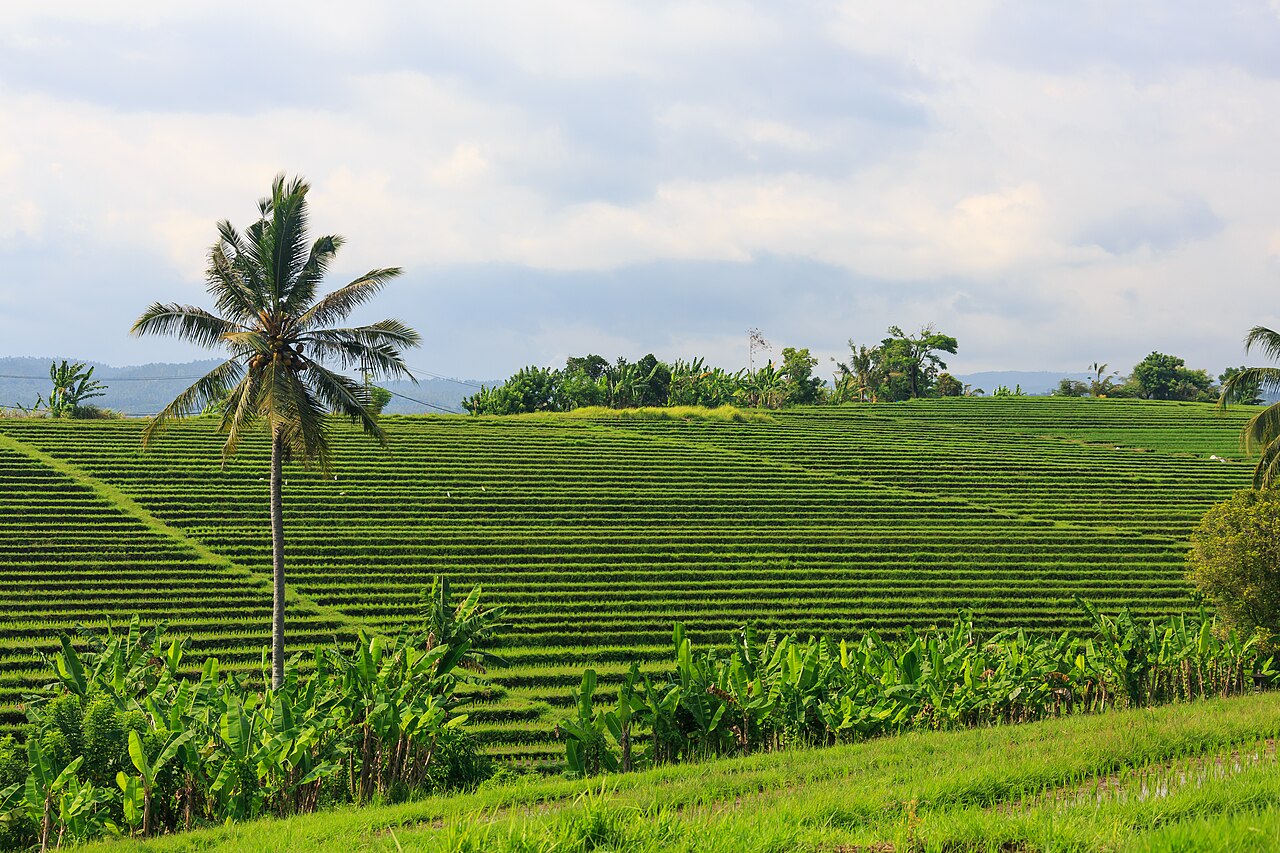
Chickens can eat uncooked rice without any preparation at all. A chicken has no stomach acid bath waiting to expand the grain; it has a crop for storage and a muscular gizzard that grinds hard seed with grit. Dry rice is smaller and softer than the cracked corn and sunflower seed already in most scratch mixes.
Scatter dry rice on bare ground or in a shallow tray so the flock has to forage for it. Birds with access to grit handle it best, and any bird on a natural range picks up grit on its own.
Why the Exploding Bird Myth Will Not Die
The story that raw rice kills birds comes from wedding rice, not from poultry keeping. It spread through newspaper columns in the 1980s and has been tested since: rice absorbs water slowly at body temperature, and wild birds strip rice paddies across Asia and the American South every season without incident.
Sandhill cranes, blackbirds and ducks feed on unharvested paddy rice by the thousand. If dry rice burst birds, rice farmers would not need bird deterrents.
Next question: Can Chickens Eat Cherries? Pits, Portions, and Safety
What Rice Actually Gives a Chicken
Rice is mostly starch, which means calories and little else. A cup of cooked white rice carries roughly 4 grams of protein and almost no calcium, so it cannot stand in for layer feed at 16 to 18 percent protein.
That makes rice a good cold weather energy treat and a poor staple. Fed in excess it dilutes the ration, and the first sign is usually thinner shells or a drop in lay, the same pattern you see when a flock fills up on bread.
White Rice, Brown Rice or Wild Rice
Brown rice keeps its bran and germ, so it brings more fiber, manganese and B vitamins than white rice. It takes longer to cook, and raw brown rice is harder than raw white rice, though a gizzard with grit still manages it.
White rice is softer and faster. Wild rice (Zizania species) is a native North American grass seed with more protein than either, but the price makes it a novelty rather than a treat you scatter by the scoop.
Can Chickens Eat Rice Every Day?
Chickens can eat rice every day only if the daily amount stays small. A tablespoon or two per bird per day, worked into the treat allowance alongside greens and fruit, will not unbalance the ration.
A daily bowl of rice as the main meal will. Hens in lay need steady calcium and amino acids, and starch crowds those out. Rotate rice with other treats such as cabbage or ripe tomatoes rather than repeating the same grain.
What Is the 90/10 Rule for Chickens?
The 90/10 rule says 90 percent of what a chicken eats should be complete feed and no more than 10 percent should be treats, scraps and forage combined. For a standard hen eating about a quarter pound of feed a day, that leaves roughly 2 tablespoons of extras.
Rice counts against that 10 percent, and so does everything else you hand over the fence. Most treat problems in backyard flocks are arithmetic problems: three people feeding scraps to the same six hens.
Rice Dishes to Skip: Fried, Buttered and Seasoned
Fried rice is the clearest no. It carries oil, soy sauce, onion and garlic, and both onion and garlic in quantity can damage chicken red blood cells. Soy sauce alone pushes sodium far past anything a hen should handle.
Butter, cream sauces and salted rice fail for the same reason. Chickens have no efficient way to shed a sodium load, and salt toxicity shows up as wet droppings, staggering and sudden deaths in the flock.
What Should You Not Feed a Chicken?
Keep raw or dried beans off the list entirely, since raw kidney beans contain phytohaemagglutinin and are lethal to poultry in small amounts. That also settles the question of rice and beans: cooked beans with plain rice are tolerable in tiny portions, raw beans are not.
Also avoid avocado skin and pit, moldy anything, rhubarb leaves, raw green potato peel and heavily salted food. For a full list of unsafe foods, Penn State Extension keeps practical poultry guidance at extension.psu.edu.
How to Serve Rice to Your Flock
Scatter it rather than dumping it. Spreading rice across the run makes the birds forage, spreads access so the bottom of the pecking order gets some, and stops one hen from eating a crop full in a single go.
Clear uneaten cooked rice before dusk so it does not draw rats. Offer water nearby, keep grit available, and treat rice the way you would treat grapes or orange segments: a supplement to a diet that is already complete.
Frequently Asked Questions
Can chickens eat fried rice?
No. Fried rice combines oil, salt, soy sauce and usually onion or garlic, and those additions are the problem rather than the grain. If you want to use restaurant leftovers, rinse plain white rice under cold water to remove sauce and oil first, then serve a small amount.
Can chickens eat cooked rice and beans?
Plain cooked rice with fully cooked beans is safe in small portions. Raw or partly cooked dried beans are not, because raw legumes contain lectins that are toxic to poultry. Skip any version seasoned with salt, cumin blends, onion or garlic, which rules out most canned refried products.
Can baby chicks eat rice?
Chicks can have a pinch of soft cooked rice after their first couple of weeks, but they gain nothing from it. Growing chicks need 18 to 20 percent protein starter feed, and starch treats displace exactly the nutrients they are building feathers and frame with.
What is the healthiest food for chickens?
A complete layer or grower feed matched to the birds’ age is the healthiest food for chickens, because nothing else supplies balanced amino acids, calcium and vitamins in one bite. After feed, fresh forage, leafy greens and insect protein such as black soldier fly larvae add the most value per calorie.
Can chickens eat rice raw or cooked?
Both work, and neither form is safer than the other. Cooked rice is easier for a bird with poor access to grit, and raw rice keeps better in a scratch bucket and gives the flock more to forage for. Use whichever you have, in the same small portions.
What is the number one killer of chickens?
Predators kill more backyard chickens than any disease, with raccoons, foxes, hawks and loose dogs leading the list in the United States. Secure hardware cloth, a covered run and a coop closed at dusk prevent more losses than any change to diet.
Explore more: What Can Chickens Eat? The Complete Safe Foods List