Types of Woodpeckers in Texas: Identification Guide
Texas is home to many woodpeckers, including the downy, hairy, red-bellied, red-headed, ladder-backed, golden-fronted, pileated, and northern flicker. Texas hosts several southwestern specialties found in few other states, making it a rewarding place for woodpeckers. This guide covers the types of woodpeckers in Texas, how to identify them, and where to see them.
| Woodpecker | Key Feature |
|---|---|
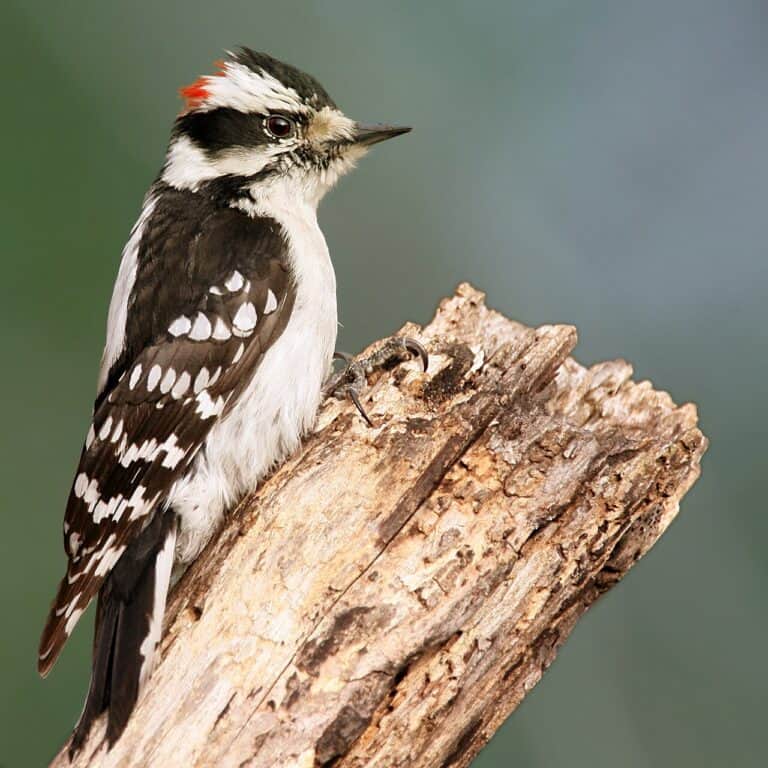
| Downy Woodpecker | Small, short bill, white back |
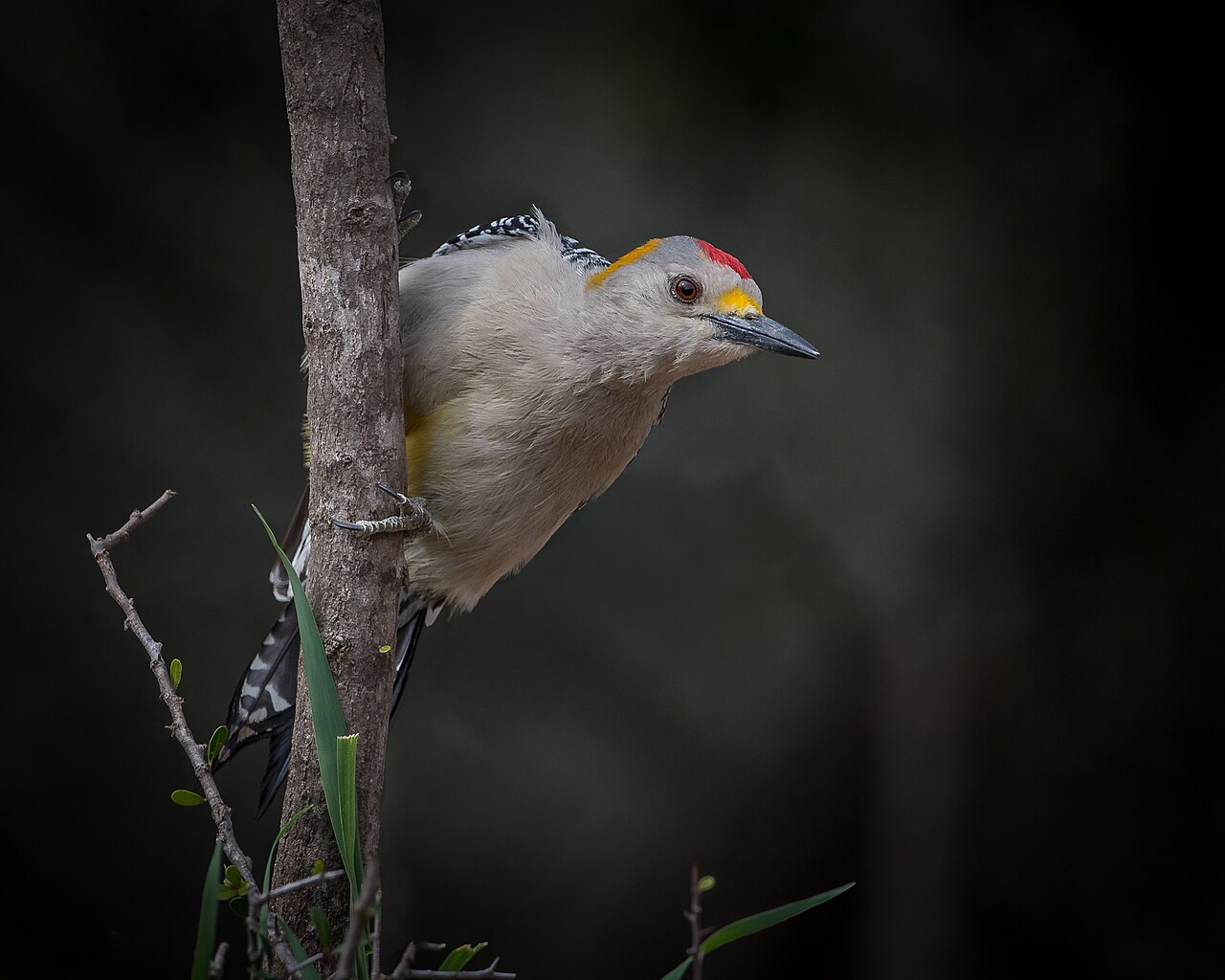
| Golden-fronted Woodpecker | Barred back, golden nape, Texas specialty |
| Ladder-backed Woodpecker | Barred back, desert brush |
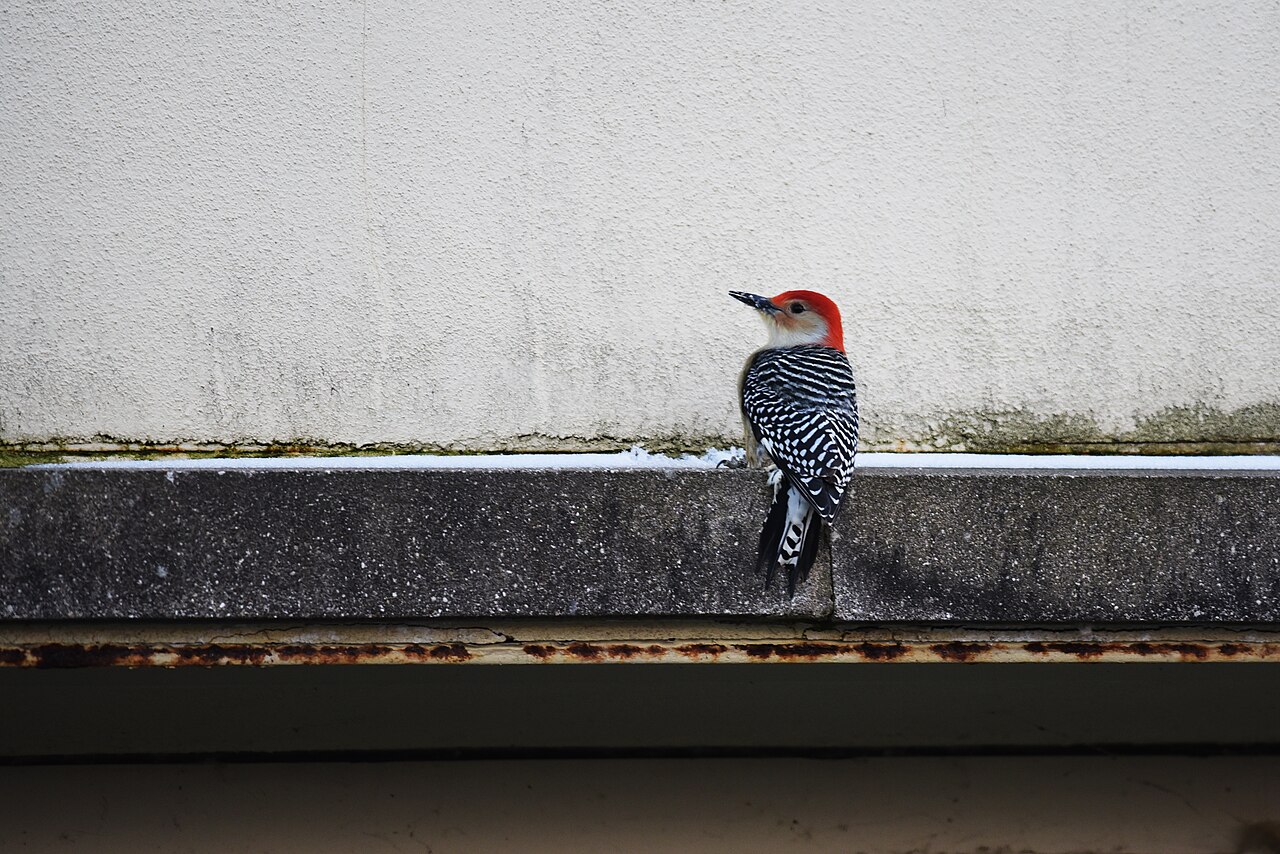
| Red-bellied Woodpecker | Barred back, red crown |
| Red-headed Woodpecker | Fully red head |
| Hairy Woodpecker | Like downy, longer bill |
| Pileated Woodpecker | Crow-sized, red crest |
| Northern Flicker | Brown, spotted, ground feeder |
How Many Types of Woodpeckers Live in Texas?
Texas hosts a rich variety of woodpeckers, thanks to its size and its mix of eastern woodlands, southern forests, Hill Country, and western deserts. The familiar downy and hairy woodpeckers occur widely, along with the red-bellied woodpecker in the east and the striking red-headed woodpecker. Texas is especially notable for its southwestern specialties, including the golden-fronted woodpecker, a bird of central and southern Texas found in few other states, and the ladder-backed woodpecker, a small barred woodpecker of the deserts and brushlands. The large, crow-sized pileated woodpecker lives in the forests of eastern Texas, and the northern flicker, a brown woodpecker that feeds on the ground, is widespread. In the Hill Country and west, the acorn woodpecker occurs locally, and the endangered red-cockaded woodpecker survives in the pine forests of East Texas. Understanding Texas woodpeckers begins with these species, part of the wider group covered in our guide to types of woodpeckers.
Common Texas Woodpeckers and How to Identify Them
Several woodpeckers are especially worth knowing in Texas. The downy woodpecker is small with a short bill, a white back, and black-and-white wings, while the hairy woodpecker looks similar but is larger with a longer bill. The golden-fronted woodpecker is a Texas specialty, with a barred black-and-white back, pale underparts, and golden-orange on the nape and above the bill, replacing the red-bellied woodpecker in central and southern Texas. The ladder-backed woodpecker is a small desert woodpecker with a boldly barred back and a black-and-white face, at home in brush and cactus. The red-bellied woodpecker shows a barred back and a red crown, and the red-headed woodpecker has an entirely red head with bold black-and-white body. The pileated woodpecker is huge, black, with a flaming red crest. Each woodpecker is a rewarding find, as explored in our guide to the downy woodpecker.
Where to See Woodpeckers in Texas
Woodpeckers can be found across Texas in a wide range of habitats. Eastern Texas forests and wooded areas host downy, hairy, red-bellied, red-headed, and pileated woodpeckers, as well as the rare red-cockaded woodpecker in mature pine stands. The central and southern brush country and Hill Country are the place to find golden-fronted woodpeckers, common on mesquite, oaks, and poles, and ladder-backed woodpeckers thrive in the deserts and thorny brush of South and West Texas. Northern flickers are widespread, often seen feeding on the ground in open areas and visiting yards. Backyards across Texas attract several woodpeckers to suet and sunflower feeders, especially downy, red-bellied, and golden-fronted woodpeckers. Wooded parks, river corridors, and neighborhoods with mature trees are all productive. Because Texas spans so many habitats, different woodpeckers are found in different regions, as detailed in our guide to backyard birds of Texas.
How Woodpeckers Are Built
Woodpeckers are remarkably adapted for their pounding lifestyle, and understanding this adds to the pleasure of watching them in Texas. According to the Cornell Lab of Ornithology, woodpeckers have special adaptations that let them hammer into wood without harming themselves, including a specially reinforced skull that cushions the brain from the repeated impacts. Their chisel-like bills are self-sharpening, their stiff tail feathers act as a prop against the trunk, and their feet, with two toes forward and two back in most species, grip bark securely. Perhaps most remarkable is the woodpecker’s tongue, which is extraordinarily long and often barbed or sticky, wrapping around inside the skull when retracted and extending far out to extract insects from deep in crevices. These adaptations let woodpeckers exploit food and nesting sites unavailable to other birds, from grubs deep in wood to cavities they excavate themselves. Watching a golden-fronted or ladder-backed woodpecker work a Texas mesquite reveals these tools in action, as explored in our guide to the red-bellied woodpecker.
Woodpecker Habitats Across Texas
Texas woodpeckers are spread across the state according to habitat, and knowing where to look helps you find them. The forests of East Texas, with their pines and hardwoods, host the largest variety, including downy, hairy, red-bellied, red-headed, and pileated woodpeckers, plus the endangered red-cockaded woodpecker in mature longleaf and loblolly pine stands managed for its survival. The central Texas Hill Country and brush country are the domain of the golden-fronted woodpecker, common on mesquite, oaks, and utility poles, and the acorn woodpecker occurs locally in oak country, storing acorns in granary trees. The deserts and thorny brush of South and West Texas hold ladder-backed woodpeckers, at home among cactus and scrub. Northern flickers are found statewide in open and edge habitats, often on the ground. This wide range of habitats is why Texas boasts such woodpecker diversity, and exploring different regions reveals different species, as detailed in our guide to backyard birds of Texas.
Attracting Woodpeckers in Texas
Attracting woodpeckers to your Texas yard is rewarding, since several species readily visit feeders. Suet is the top attractant, and offering suet in a cage feeder will draw downy, red-bellied, golden-fronted, and ladder-backed woodpeckers depending on your region, especially in the cooler months. Woodpeckers also take black oil sunflower seeds and peanuts, and some enjoy fruit, so a varied menu helps. Providing a source of water for drinking and bathing attracts woodpeckers along with other birds. Because woodpeckers are cavity nesters, keeping dead trees or large limbs standing where it is safe to do so gives them places to excavate nest holes and search for insects, and some woodpeckers will use nest boxes of the appropriate size. Planting or preserving native trees, including the mesquite and oaks favored by golden-fronted woodpeckers and the pines used by others, supports them naturally. By offering suet, seeds, water, and nesting habitat, you can enjoy a variety of woodpeckers in your Texas yard throughout the year, including some found in few other states.
Appreciating Texas Woodpeckers
Texas woodpeckers are a rewarding group to appreciate, both for their variety and for the specialties found in the state. From the familiar downy and red-bellied woodpeckers to the Texas signature golden-fronted woodpecker of the brush country and the desert-dwelling ladder-backed woodpecker, the state offers woodpecker diversity matched by few others. Learning to recognize the different species, watching them hammer and forage with their remarkable adaptations, and attracting them to suet feeders all deepen the pleasure of birding in Texas. Because woodpeckers are active, vocal, and often visit yards, they are among the most enjoyable birds to observe up close. Taking the time to appreciate Texas woodpeckers, including the southwestern specialties found in few other states, connects you to the rich variety of the state’s woods, brush, and deserts.
Woodpeckers and the Texas Landscape
Woodpeckers play an important role in the Texas landscape, and understanding it adds to their appeal. As they excavate nest holes in trees, woodpeckers create cavities that many other animals depend on, since a hole made and later abandoned by a woodpecker may become a nest site for bluebirds, chickadees, titmice, wrens, small owls, and even some ducks, as well as shelter for other creatures. In this way woodpeckers act as ecosystem engineers, providing homes across the state’s woods and brush. They also help control insect populations by feeding on wood-boring beetle larvae, ants, and other pests, benefiting the trees they work. This ecological importance is one reason to welcome woodpeckers to your property and to preserve dead trees and limbs where it is safe. From the pine forests of East Texas to the mesquite brush of the south, woodpeckers contribute to the health and diversity of the landscape, making them valuable as well as fascinating birds to have around.
Related reading: Types of Woodpeckers in Illinois.
Frequently Asked Questions
How many types of woodpeckers are in Texas?
Texas hosts many woodpeckers, including the downy, hairy, red-bellied, red-headed, ladder-backed, golden-fronted, pileated, and northern flicker, plus some local specialties.
What woodpecker is unique to Texas?
The golden-fronted woodpecker is a Texas specialty, found in central and southern Texas and few other states, with a barred back and golden-orange on the nape and forehead.
What is the small barred woodpecker in West Texas?
The ladder-backed woodpecker is a small woodpecker of the western Texas deserts and brushlands, with a boldly barred black-and-white back and a striped face.
What is the largest woodpecker in Texas?
The pileated woodpecker is the largest woodpecker in Texas, a crow-sized black bird with a flaming red crest, found in the mature forests of eastern Texas.
What woodpeckers visit feeders in Texas?
Downy, red-bellied, and golden-fronted woodpeckers commonly visit Texas backyards, especially for suet and black oil sunflower seed at feeders with mature trees nearby.
Is the golden-fronted woodpecker the same as a red-bellied?
No, they are different species that replace each other geographically. The golden-fronted has a golden nape and forehead, while the red-bellied has a red crown and nape.
Where can you see woodpeckers in Texas?
Look in eastern forests for pileated and red-headed woodpeckers, the brush country for golden-fronted, western deserts for ladder-backed, and yards for downy and red-bellied.