Backyard Birds of South Carolina: A Complete Guide
Common backyard birds of South Carolina include the northern cardinal, Carolina wren, Carolina chickadee, tufted titmouse, blue jay, and the mourning dove. South Carolina’s mild climate and varied habitats, from mountains to coast, make it a wonderful place to attract and enjoy a rich variety of birds year-round. This guide covers the most common backyard birds in South Carolina, how to identify them, how to attract them, and the best feeders and foods to use.
| Backyard Bird | Key Features |
|---|---|
| Northern Cardinal | Red, crest, black mask |
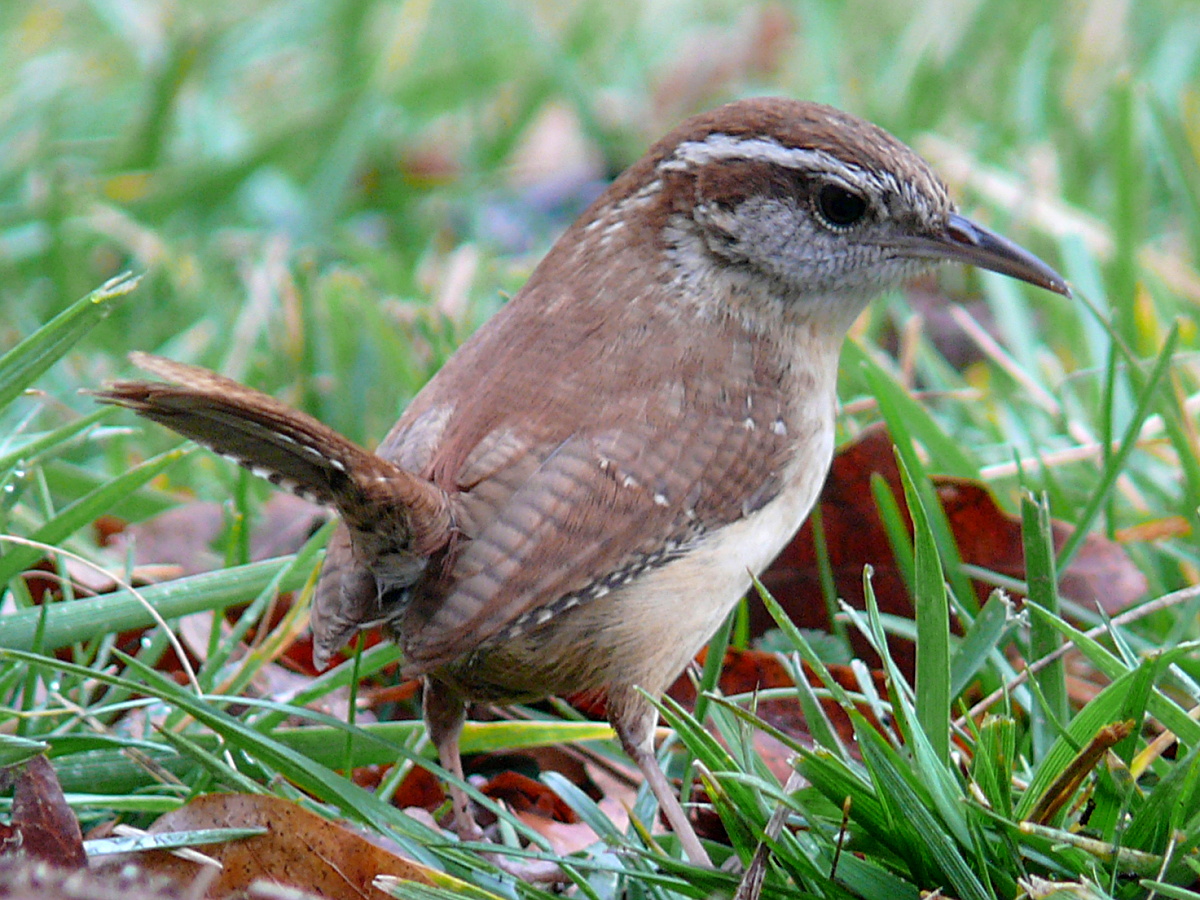
| Carolina Wren | Rusty, loud song, state bird |
| Carolina Chickadee | Tiny, black cap and bib |
| Tufted Titmouse | Gray crest, black forehead |
| Blue Jay | Blue, crested, bold |
| Mourning Dove | Slim, tan, cooing |
| American Goldfinch | Yellow, black wings |
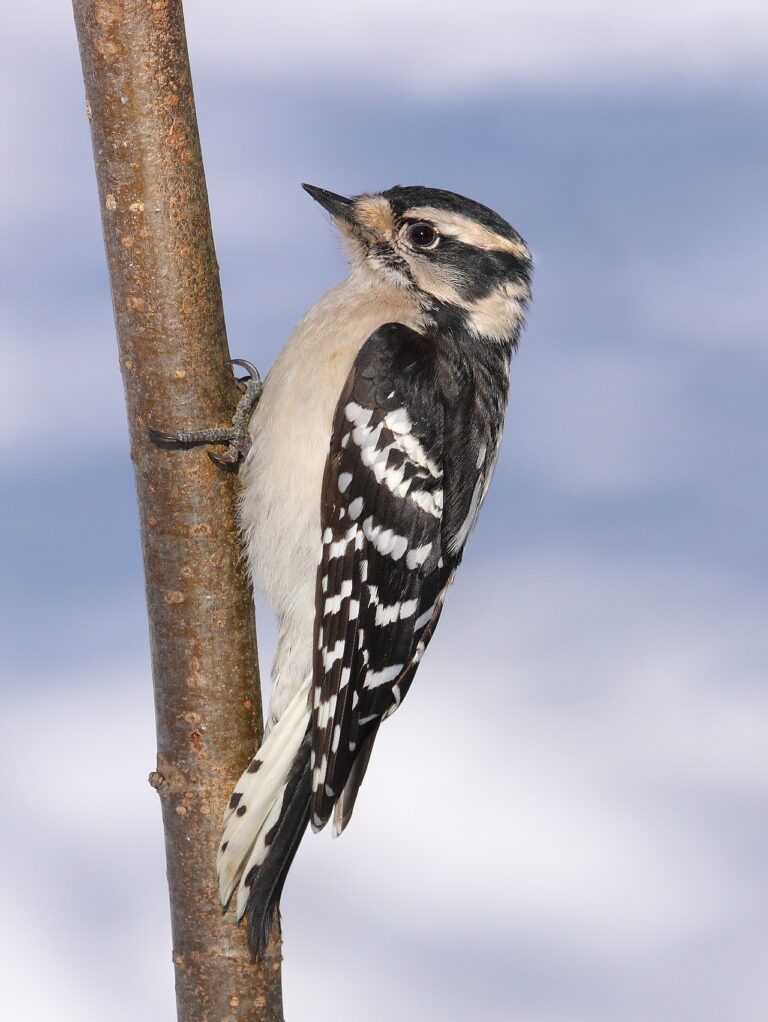
| Red-bellied Woodpecker | Barred back, red crown |
Common Backyard Birds in South Carolina
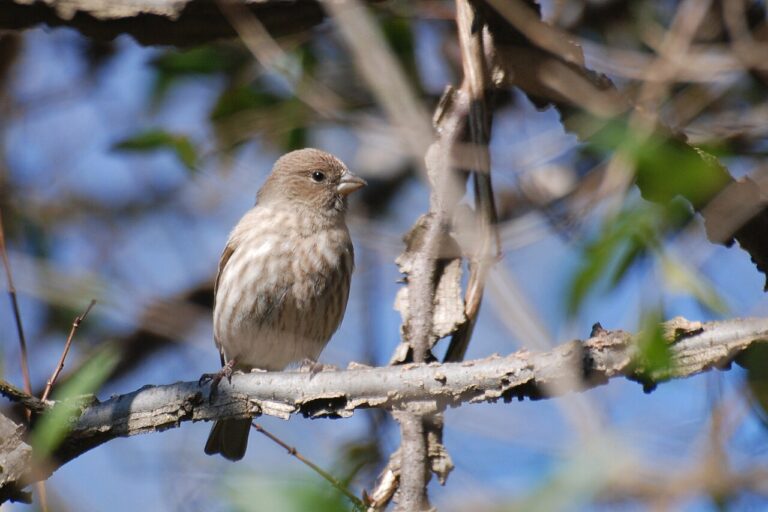
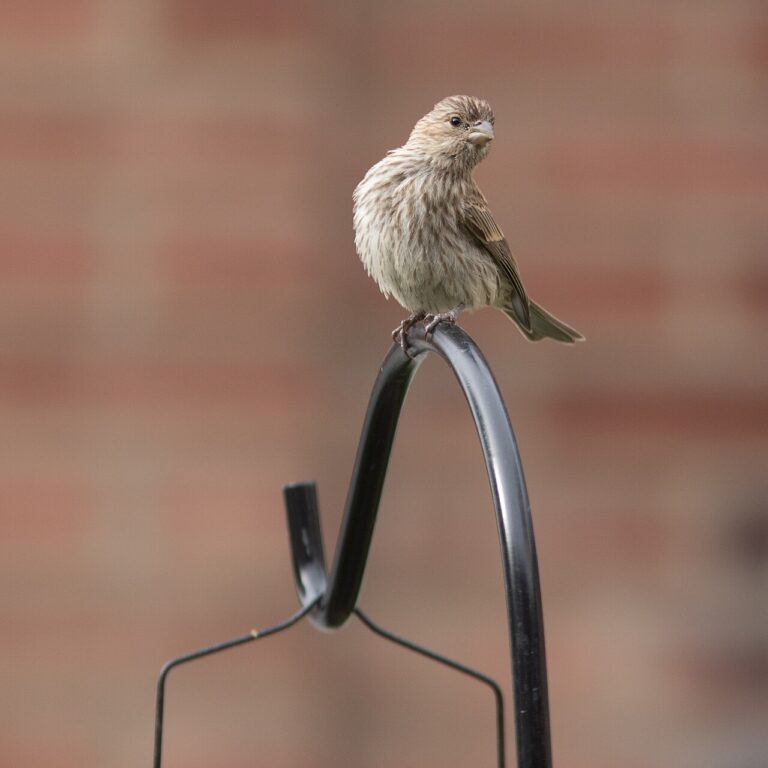
South Carolina backyards attract a wonderful variety of birds throughout the year, thanks to the state’s mild climate and diverse habitats. Among the most common and familiar are the brilliant red northern cardinal, the small, loud Carolina wren, the state bird, the tiny Carolina chickadee, and the crested tufted titmouse, all constant feeder guests. The bold blue jay, the gentle mourning dove, and the cheerful American goldfinch are regular visitors, and the red-bellied woodpecker, the northern mockingbird, the house finch, and the eastern bluebird in open areas are common sights. In the pine woods, the tiny brown-headed nuthatch is a specialty, and the ruby-throated hummingbird visits in the warmer months. In winter, additional visitors such as dark-eyed juncos and white-throated sparrows arrive. This rich mix reflects the many species that thrive in South Carolina. Attracting them is easy and rewarding, starting with familiar favorites like the one in our guide to the northern cardinal.
Identifying South Carolina Backyard Birds
Identifying common South Carolina backyard birds is easier once you know their key features. The northern cardinal is unmistakable, the male brilliant red with a crest and black face mask, the female warm brown. The Carolina wren is a small, rusty bird with a loud, ringing song, and it is the South Carolina state bird. The Carolina chickadee is a tiny bird with a black cap and bib, and the tufted titmouse is a gray bird with a crest. The blue jay is a bold, crested blue-and-white bird, as covered in our guide to the blue jay. The mourning dove is a slim, tan dove with a soft cooing call, as covered in our guide to the mourning dove. The American goldfinch is a small yellow finch with black wings, as covered in our guide to the American goldfinch, and the red-bellied woodpecker has a barred back and red crown. These features make South Carolina backyard birds a joy to identify.
How to Attract Backyard Birds in South Carolina
Attracting birds to your South Carolina yard is easy and rewarding with the right combination of food, water, and habitat. Offering a variety of foods draws different species, with black oil sunflower seed being the top choice for cardinals, chickadees, titmice, and many others, while nyjer, or thistle seed, attracts goldfinches, and suet draws woodpeckers, especially in the cooler months. Providing fresh, clean water in a birdbath is one of the most effective ways to attract birds, since all birds need water for drinking and bathing, and moving water is especially appealing. Planting native trees, shrubs, and flowers offers natural food, shelter, and nesting sites, and native plants support the insects that many birds rely on, especially when feeding their young. In the warmer months, offering nectar in hummingbird feeders can attract ruby-throated hummingbirds. Keeping cats indoors and providing cover helps birds feel safe. By combining good food, water, and native plantings, you can enjoy a rich variety of South Carolina backyard birds, as detailed in our guide to attracting birds.
Best Feeders and Foods for South Carolina Birds
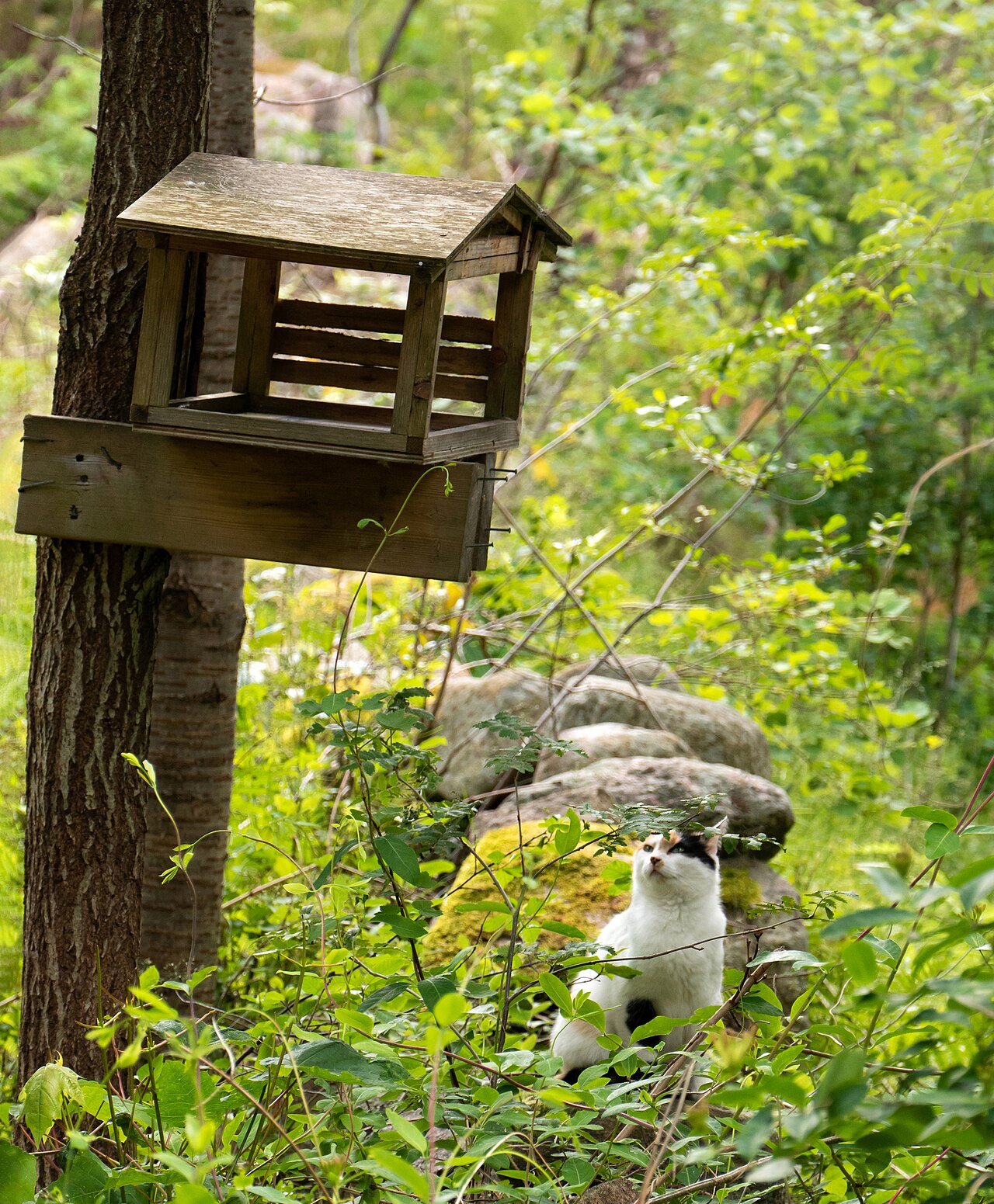
Choosing the right feeders and foods helps you attract the most birds in South Carolina. A tube feeder or hopper feeder filled with black oil sunflower seed is excellent for cardinals, chickadees, titmice, and other seed eaters, and a dedicated nyjer feeder will draw goldfinches. Platform or ground feeders with millet and cracked corn appeal to mourning doves and sparrows, which prefer to feed lower down or on the ground. Suet feeders attract woodpeckers, including the red-bellied and downy woodpeckers, and brown-headed nuthatches in pine country, and offering fruit such as orange halves can bring in mockingbirds and, in season, orioles. For hummingbirds, a nectar feeder filled with a simple sugar-water solution is effective in the warmer seasons. Keeping feeders clean and filled, and placing them where birds feel safe from predators but visible for your enjoyment, ensures the best results. With a thoughtful selection of feeders and foods, you can enjoy the full diversity of South Carolina backyard birds, as reflected in our guide to the best bird seed.
The Carolina Wren, South Carolina’s State Bird
The Carolina wren holds a special place among South Carolina backyard birds as the official state bird. According to the Cornell Lab of Ornithology, the Carolina wren is a small, energetic bird with a surprisingly loud song for its size, often heard before it is seen. In South Carolina, this warm rusty-brown wren, with a bold white eyebrow stripe and an upturned tail, is a common resident of yards, gardens, thickets, and wooded areas, where its ringing “teakettle-teakettle” song rings out through the day. Carolina wrens are active and inquisitive, poking into crevices, brush piles, and even garages and porches in search of insects and spiders. They will visit feeders for suet, peanuts, and mealworms, and they readily nest in nooks and nest boxes around homes. As the South Carolina state bird, the Carolina wren holds a place of pride, and its loud song and busy personality make it a memorable and cheerful backyard bird, as explored in our guide to the northern cardinal.
South Carolina Backyard Birds Through the Seasons
The birds in a South Carolina backyard change with the seasons, adding variety throughout the year. Year-round residents like the northern cardinal, Carolina wren, Carolina chickadee, and tufted titmouse are present in every season, providing a reliable base of familiar birds at feeders. Winter brings visitors from the north, including dark-eyed juncos, white-throated sparrows, and yellow-rumped warblers, all boosting feeder activity during the cooler months. Spring and summer bring the breeding season, when birds are singing and nesting, and warm-weather arrivals like the ruby-throated hummingbird visit nectar feeders, along with summer songbirds such as painted buntings near the coast. Fall sees migration bring birds passing through on their way south, and resident birds forming flocks. By offering food, water, and habitat year-round, you can enjoy this changing cast of birds and notice the seasonal rhythms of your local birdlife. Watching how your South Carolina backyard birds shift through the year makes birding endlessly rewarding, as reflected in our guide to the American goldfinch.
Supporting South Carolina’s Backyard Birds
Supporting the birds in your South Carolina yard is easy and deeply rewarding, and a few simple steps make a big difference. Providing fresh, clean water is especially valuable, since birds need water for drinking and bathing year-round, and a birdbath with moving or dripping water is particularly attractive. Offering a variety of foods, from sunflower seed to suet and nectar, brings in different species, while planting native trees, shrubs, and flowers provides natural food, cover, and nesting sites well suited to the local environment. Avoiding pesticides protects the insects that many birds, especially during nesting, depend on. Keeping cats indoors and providing sheltering vegetation helps birds feel safe. In South Carolina’s mild winters, feeders can attract both residents and northern visitors. By combining water, food, native plants, and safe habitat, you can enjoy a rich variety of backyard birds and support them throughout the year in the Palmetto State.
Frequently Asked Questions
What are the most common backyard birds in South Carolina?
Common South Carolina backyard birds include the northern cardinal, Carolina wren, Carolina chickadee, tufted titmouse, blue jay, mourning dove, American goldfinch, and red-bellied woodpecker.
What is the South Carolina state bird?
The Carolina wren is the South Carolina state bird, a small, rusty-brown bird with a loud, ringing song. It is a common and cheerful presence in yards across the state.
What is the best food for South Carolina backyard birds?
Black oil sunflower seed is the best all-around food for attracting the widest variety of South Carolina backyard birds, including cardinals, chickadees, and titmice.
What red bird is common in South Carolina yards?
The northern cardinal is the common red bird in South Carolina yards, the male brilliant red with a crest and black face mask. It readily visits feeders offering sunflower seed.
How do you attract birds in South Carolina?
Offer sunflower seed and other foods, provide fresh water in a birdbath, and plant native trees and shrubs for food and shelter. Nectar feeders attract hummingbirds.
What small birds visit South Carolina feeders?
Small birds at South Carolina feeders include the Carolina wren, Carolina chickadee, tufted titmouse, American goldfinch, house finch, and brown-headed nuthatch in pine areas.
What feeders are best for South Carolina birds?
Tube and hopper feeders with sunflower seed suit cardinals and titmice, nyjer feeders draw goldfinches, platform feeders with millet attract doves, and suet draws woodpeckers.