How to Attract Birds Quickly: The Fastest Methods That Actually Work
You want birds in your yard, and you want them now, not in 3 to 4 weeks of patient feeder watching. The honest news: nothing brings birds in literal minutes, but the difference between a smart fast setup and a typical slow one is often the difference between week 1 and week 4. This guide ranks the 7 fastest-working methods by their actual speed, gives realistic timelines for each (day 1 to week 2 results), and tells you which “speed tricks” are myths or actively counterproductive. Skip the patience advice; this is the action plan.
The Honest Speed Reality
Before the methods: a quick truth-check. The fastest possible bird attraction is about 1 to 2 days for first visitors, achievable only when several conditions align, existing local bird traffic, the right initial setup, and active migration season. The realistic average is 3 to 7 days for first visitors with a fast-method setup, versus 1 to 3 weeks with a generic setup.
What you cannot do: bring birds in 1 hour, or guarantee birds by tomorrow morning. Anyone selling that is selling a fantasy. What you can do: stack the deck so that birds find you in days instead of weeks.
For the full step-by-step setup (slower but more comprehensive), see the guide to attracting birds to your feeder. For diagnosing why birds aren’t coming despite a setup, the troubleshooting guide covers the common causes. This guide is specifically about maximum speed.
The 7 Fastest Methods (Ranked by Speed)
These are ranked by how fast they produce visible bird activity. Use the top methods first; layer additional ones for compound effect.
Method 1: Scatter Seed on the Ground (Day 1 to 2 Results)
The single fastest way to get birds visible in your yard is scattering seed directly on the ground. Not in a feeder, on the dirt or lawn, in a thin layer 4 to 6 feet wide. Ground-feeding species find scattered seed within hours to days because they’re already foraging on the ground and the seed is at their natural level, requires no investigation of a strange object, and offers immediate reward.
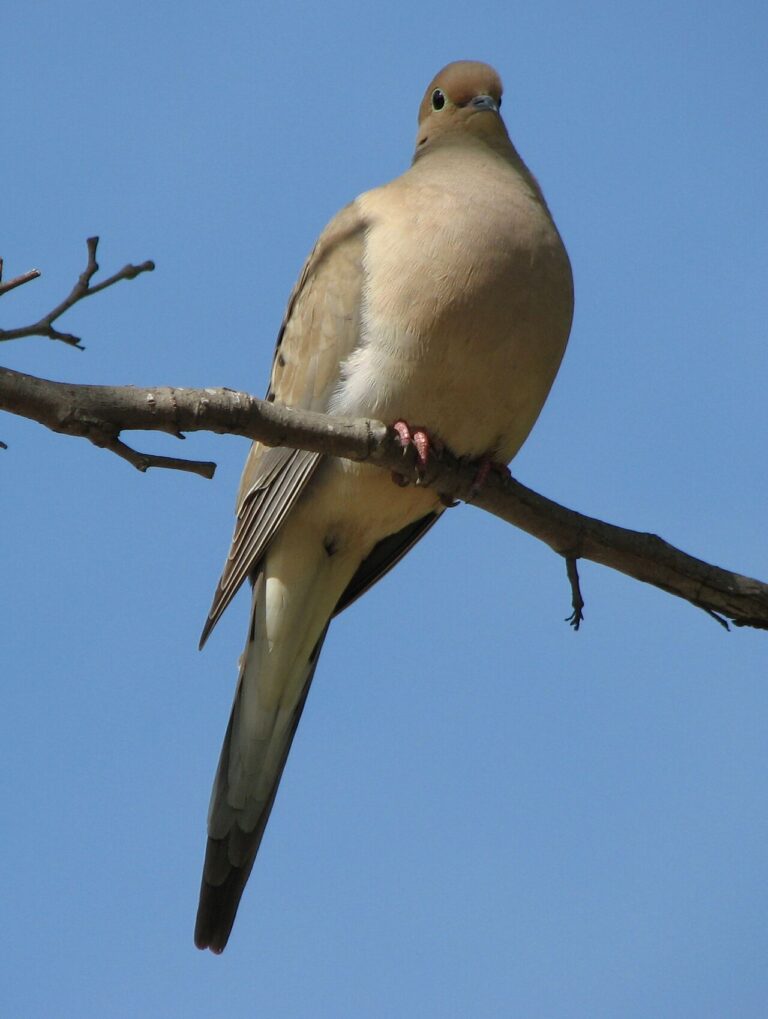
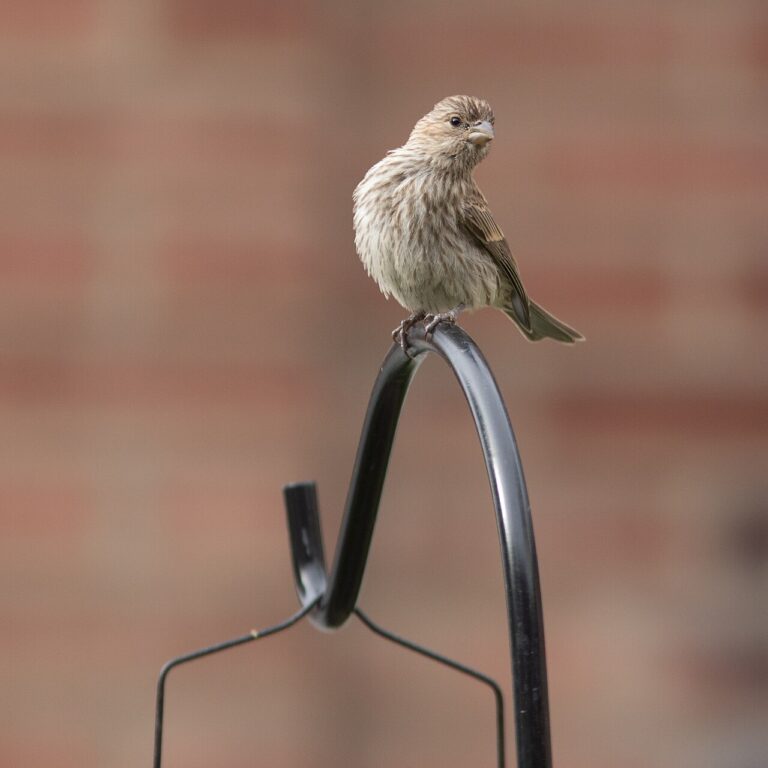
What to scatter: a mix of black oil sunflower seed and white millet, roughly equal parts. Sunflower brings cardinals, finches, and chickadees. Millet brings juncos, sparrows, and doves.
Where to scatter: in an open area but within 10 to 15 feet of cover. Refresh every 1 to 2 days; don’t let it accumulate or it attracts rodents.
Speed advantage: first visitors typically within 24 to 48 hours in most yards. The activity from ground feeders then signals “food source here” to elevated species, which start investigating your feeder within days.
Method 2: Use Bright Color Cues (Day 1 to 3 Results)
Brightly-colored attractors get spotted from passing flight paths much faster than neutral-colored setups. A red hummingbird feeder, a yellow nyjer sock, or a red-accented seed feeder pulls birds in from longer distances during the discovery phase.
What works specifically:
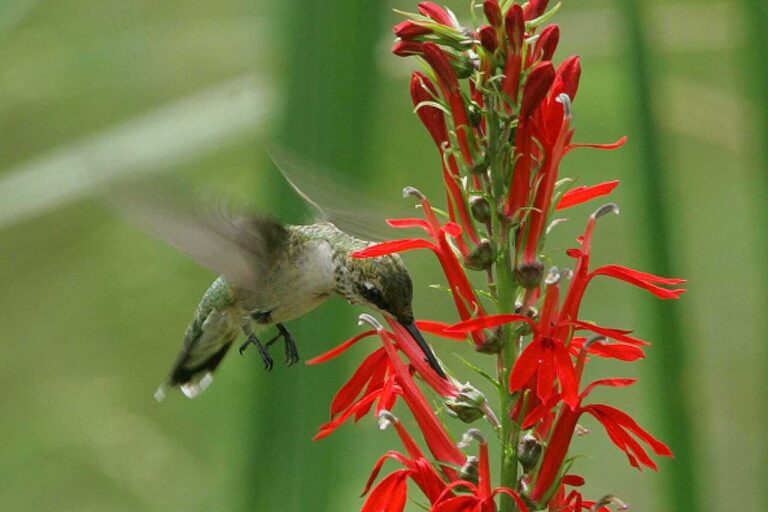
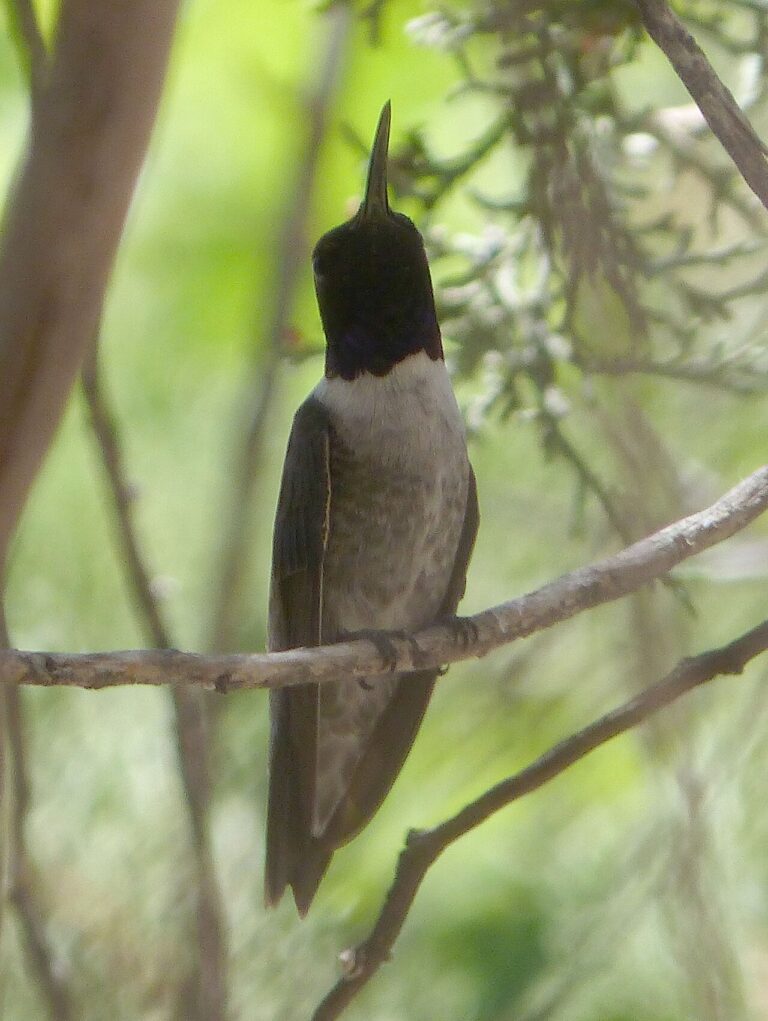
- Red hummingbird feeder with sugar water (1:4 sugar:water ratio, no dye). See the hummingbird guide for the full setup. During hummingbird season, this is the single fastest visible attractant, hummingbirds find new feeders in days.
- Bright red bird bath or pedestal as a visibility marker, even if filled with regular water.
- Yellow accent ribbon or sock attached near a seed feeder (any safe non-toxic material). Goldfinches and yellow-color-cued species investigate within days.
After established traffic builds, color matters less, but during the critical first week, it cuts discovery time significantly. The full color-bird mapping is in the colors guide.
Method 3: Add Moving Water (Day 1 to 7 Results)
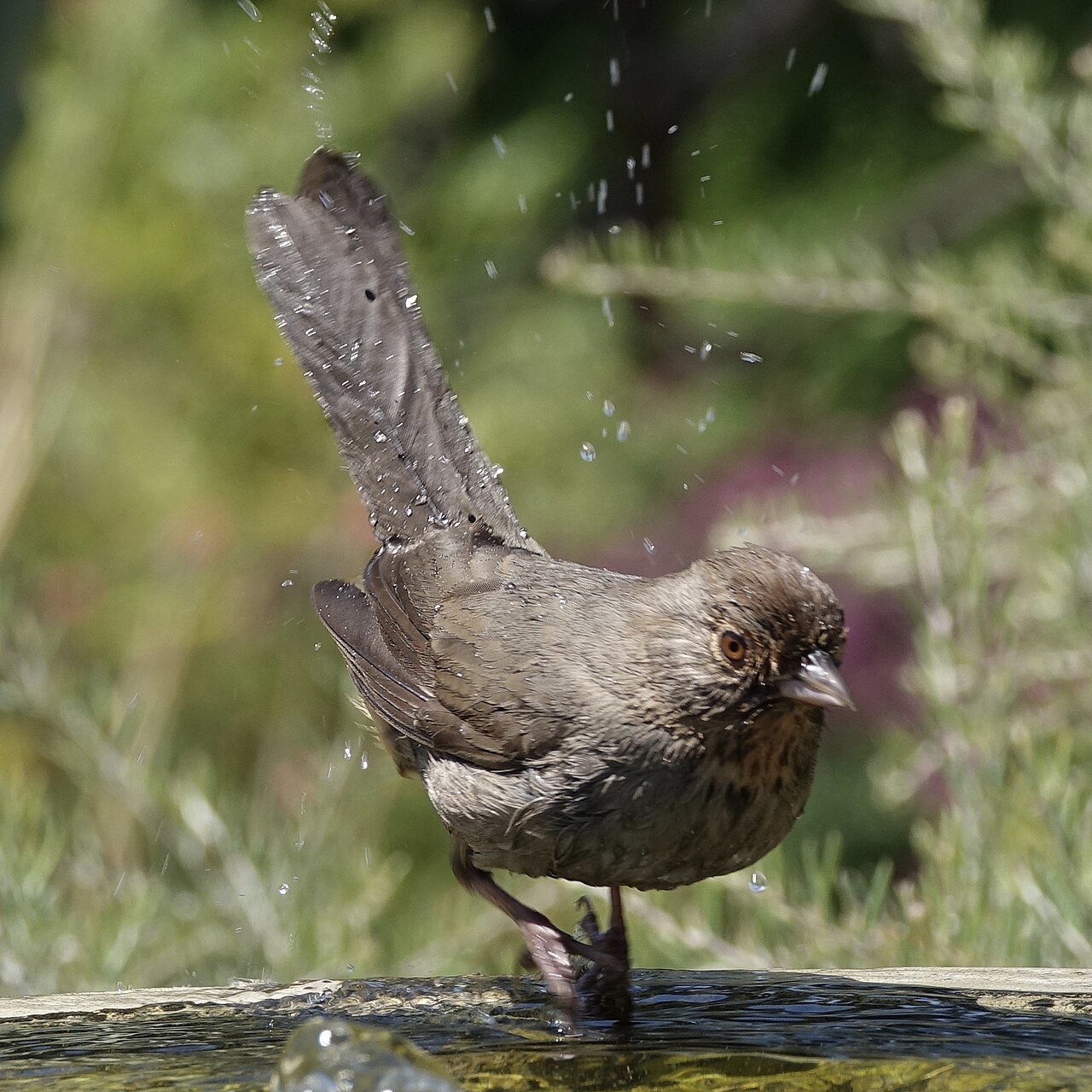
Moving water, even a slow drip from a garden hose, attracts birds from much further distances than still water. A solar fountain in any bird bath, a slow-drip hose into a saucer, or a $20 floating fountain pump can pull birds in from 50 to 100+ yards away within days.
The fastest version: hang a 5-gallon bucket from a tree branch with a tiny pinhole in the bottom over a saucer below. The drip creates motion and sound. Costs zero, takes 10 minutes to set up, attracts birds within days.
A solar fountain pump for any existing bath is the cleaner upgrade. Sound and movement are the signals; the water itself matters less. See the bird baths guide for fountain options.
Method 4: Borrow Birds from a Neighbor (Day 1 to 7 Results)
The fastest way to attract birds is to attract them from established sources nearby. If a neighbor has active bird feeders within a few houses, their birds will explore expanding territories naturally, and a smart placement of your feeder near the property line increases the chance you’ll attract them in days, not weeks.
Practical tactics:
- Place your first feeder near the property line closest to the neighbor’s established feeder. As birds investigate your direction, they discover yours.
- Visit the neighbor and ask what works. You’ll learn what species are local and what’s been attracting them, useful intelligence for fastest setup.
- Once your feeder builds traffic, you can move it gradually toward your preferred yard location. Birds expand their territory with you.
Method 5: Time It Right (Seasonal Speed Bonus)
Some seasons attract birds within days; others take weeks. If you have any flexibility on when to start, picking the right season cuts your timeline dramatically.
Fastest seasons:
- Fall (September, November): Migration brings many transient species through. New feeders often see visitors within days because there are simply more birds in motion.
- Winter (December, February): Natural food is scarce, birds depend heavily on feeders. First-time setups in cold climates often have visitors within 1 to 3 days.
- Spring migration (March, May): Same dynamic as fall, many birds in transit creates investigation opportunities.
Slowest season:
- Midsummer (June, August): Nesting birds are dispersed across territories. New feeders take longer because the local bird density is lower and birds are focused on insect protein for nestlings.
Starting in fall versus midsummer can be the difference between 3-day discovery and 3-week discovery. If you have a choice, fall and winter are dramatically faster.
Method 6: Plant Native Plants Strategically (Week 1 to 2 Onward)
Native plants are slower than feeders but pay back faster than most beginners realize. A single mature native plant in your yard signals “bird habitat” before you ever hang a feeder, because birds use plant types as habitat indicators.
For maximum speed:
- Plant in fall or early spring for established roots by the next season.
- Choose species that produce berries or seeds quickly, Serviceberry, Eastern Red Cedar, Coneflower, native Sunflower.
- Plant near where you’ll place your feeder so the cover-and-food connection is established immediately.
A new native shrub takes 1 to 2 weeks to start signaling habitat presence to birds, but the effect compounds over months. See the plants that attract birds guide for region-specific options.
Method 7: Use Audio Lures Sparingly (Day 1 to 7 Results, Use With Caution)
Playing recorded chickadee or finch calls from a phone near your feeder can pull curious birds in for investigation within hours. This is controversial in the birding community, it can stress wild birds during breeding season, so use sparingly and only outside spring nesting.
How to do it responsibly:
- Only outside breeding season (typically October through February).
- Play short clips (under 60 seconds), then pause for at least 15 minutes.
- Don’t loop continuously; that does stress birds.
- Use as a one-time discovery boost, not a long-term strategy.
This works because birds respond to mobbing calls and chickadee dee-dee-dees as social cues, “other birds are here, must be safe.” Once they investigate, the seed reward keeps them coming.
What Actually Takes the Most Time (Don’t Skip This)
Even with all 7 methods above, certain things take real time. Don’t fight these, work around them.
- Trust building. Birds need 3 to 7 visits to a feeder before they consider it reliable. Even with the fastest discovery, the first week is exploratory.
- Variety expansion. First visitors are often a single common species (chickadees, House Sparrows). Variety grows over weeks as different birds notice the activity.
- Habituation to humans. Birds need 1 to 2 weeks before they’ll feed comfortably while you’re watching from a window. Initial visits often happen when you’re not looking.
- Predator clearance. If a hawk or cat is in your area, even the best setup won’t work until that pressure relieves.
Speed Stack: How to Layer Methods for Compound Effect
The fastest possible setup combines methods. A 1-day stack: ground-scattered seed + moving water + bright color feeder + correct seasonal timing.
A practical day-1 implementation:
- Morning: Scatter black oil sunflower seed in a 4-foot circle in your yard, 10 to 15 feet from cover.
- Same morning: Hang a red hummingbird feeder (in season) or a bright-colored seed feeder near the scattered seed area.
- Same morning: Set up a $20 solar fountain in any shallow water source (even a saucer) within 8 feet.
- Through the day: Watch from a window. First visitors typically arrive within 4 to 24 hours if conditions are right.
This stack works in most yards in most seasons. The combined cues (ground seed + visible color + water sound) cut discovery time significantly versus any single method alone.
What Doesn’t Work (Skip These)
Several “speed tricks” circulate online but don’t actually accelerate discovery:
- Sugar water in a non-hummingbird feeder. Just attracts ants and bees, not birds.
- Singing songs near the feeder. Birds don’t respond to human voices the way they do to bird calls.
- Bird feeder placement on the highest possible point. Birds prefer 4 to 8 foot height, not maximum elevation.
- Multiple feeders at once. As noted, this dilutes activity rather than compounding it. Start with one.
- Coffee grounds or chemical lures. No reliable evidence of effectiveness.
- Mirrors near the feeder. Causes birds to attack their reflections, not investigate the seed.
- Bright outdoor lights at night. Disorients night-migrating species; not actively helpful for daytime attraction.
Realistic Speed Timelines
A summary of what to expect at each timeline:
- Day 1: Possible with ground seed + bright color + moving water. Most likely if you’re in an area with existing bird traffic.
- Day 2 to 3: Reasonable expectation for fast-method setup in any moderately active neighborhood.
- Week 1: Strong expectation for any properly-set-up feeder with at least 2 of the 7 methods stacked.
- Week 2: Visibly established traffic should be visible. If nothing’s happening yet, run the troubleshooting checklist.
- Week 3 to 4: Multiple species, regular daily visitors, recognizable individual birds. This is established traffic.
The faster timeline (1 to 7 days) is realistic but not guaranteed. The slower timeline (2 to 4 weeks) is normal and shouldn’t worry you. Beyond 4 weeks of nothing, see the troubleshooting guide for diagnostic causes.
After the Speed: What Comes Next
Once birds are visiting, the goal shifts from speed to depth, more species, more reliable activity, and the broader habitat that supports nesting and migration use.
The natural progressions:
- Expand to multiple feeder types once your first feeder has established traffic (typically week 3 to 4). The bird feeders guide covers each type.
- Add proper bird baths with shallow zones for safe drinking and bathing. See the bird baths guide.
- Identify what’s visiting. The bird identification pillar covers the systematic ID method.
- Plant for long-term yield. Native plants take years to mature but transform yard carrying capacity. The complete attract-birds-to-yard guide covers the full habitat framework.
Frequently Asked Questions
Can I attract birds to my yard in one day?
Possible but not guaranteed. Best chances: scatter black oil sunflower seed on the ground (10 to 15 feet from cover), add moving water nearby, hang a bright-colored feeder. In active neighborhoods during migration or winter, first visitors can arrive within hours. In quiet midsummer suburban yards, 2 to 3 days is more realistic.
What’s the fastest way to attract birds to a new feeder?
The fastest single method is scattering seed on the ground directly under or near the feeder for the first week. Ground-feeding species find scattered seed within hours and their activity then attracts other birds to the elevated feeder.
What seed attracts birds fastest?
Black oil sunflower seed for the broadest range of species, white millet specifically for ground-feeding species (sparrows, doves, juncos). For hummingbirds, sugar water (1:4 ratio) in a red feeder. Avoid generic “wild bird mix”, it’s filler-heavy and slows attraction.
Does playing bird sounds attract birds?
It can, but use carefully. Recorded chickadee or finch calls can pull birds in for investigation within hours. Use short clips (under 60 seconds) with at least 15-minute pauses, and only outside breeding season (October, February). Continuous looping stresses wild birds and is bad practice.
How fast will hummingbirds find my new feeder?
In hummingbird season (typically March, October in most of the US), 1 to 7 days is realistic if your feeder is visible from passing flight paths. Red coloring on the feeder is the primary visual attractant. See the hummingbird guide for setup specifics.
Will birds come faster in winter or summer?
Winter is dramatically faster in cold climates because natural food becomes scarce and birds rely on supplemental feeding. Summer is the slowest season because birds are dispersed for nesting and focused on insect protein. Fall and spring migration also accelerate discovery.
Can I attract birds within a week?
Yes, in most setups. A fast-method stack (ground seed + bright color + moving water + correct seasonal timing) typically produces visible activity within 3 to 7 days. Single-method setups in summer might take 1 to 3 weeks.
Does a bigger feeder attract birds faster?
No, and possibly the opposite. New birds are cautious about large unfamiliar objects. A modest-sized feeder discovered fast outperforms an oversized one that takes longer to gain trust.
Should I put multiple feeders to attract more birds faster?
No. Multiple feeders at once dilute attention and slow discovery of any single feeder. Start with one well-placed feeder, build traffic for 3 to 4 weeks, then add a second feeder if you want to expand.
Does feeder height affect speed?
Birds prefer feeders at 4 to 8 feet height. Too low (under 3 feet) feels unsafe; too high (over 10 feet) reduces use by some species. Moderate height attracts the widest variety fastest.